Custom woven labels for apparel do quiet but important work. They sit near the skin, survive repeated handling, and keep a brand visible long after the hang tag has been cut away and the shipping carton is gone. A label that feels soft, reads cleanly, and holds its shape through wash cycles becomes part of the product itself, which is why brands comparing Custom Labels & Tags with broader Custom Packaging Products often treat labels as a real brand asset instead of a finishing extra.
Woven labels are made by interlacing thread into the label structure rather than printing ink onto a surface. That difference changes nearly everything: how the label bends, how it wears, how much detail it can hold, and how it behaves after laundering. Custom woven labels for apparel tend to feel more permanent for that reason, and permanence matters if the garment is meant to communicate care, consistency, and a polished finish.
From a packaging buyer's perspective, custom woven labels for apparel belong in the same planning conversation as product packaging, retail packaging, and Custom Printed Boxes. The label is not the whole presentation, but it is one of the few elements a customer touches directly. A good spec here behaves like a production choice, not a decorative afterthought.
Custom Woven Labels for Apparel: Why Tiny Details Matter
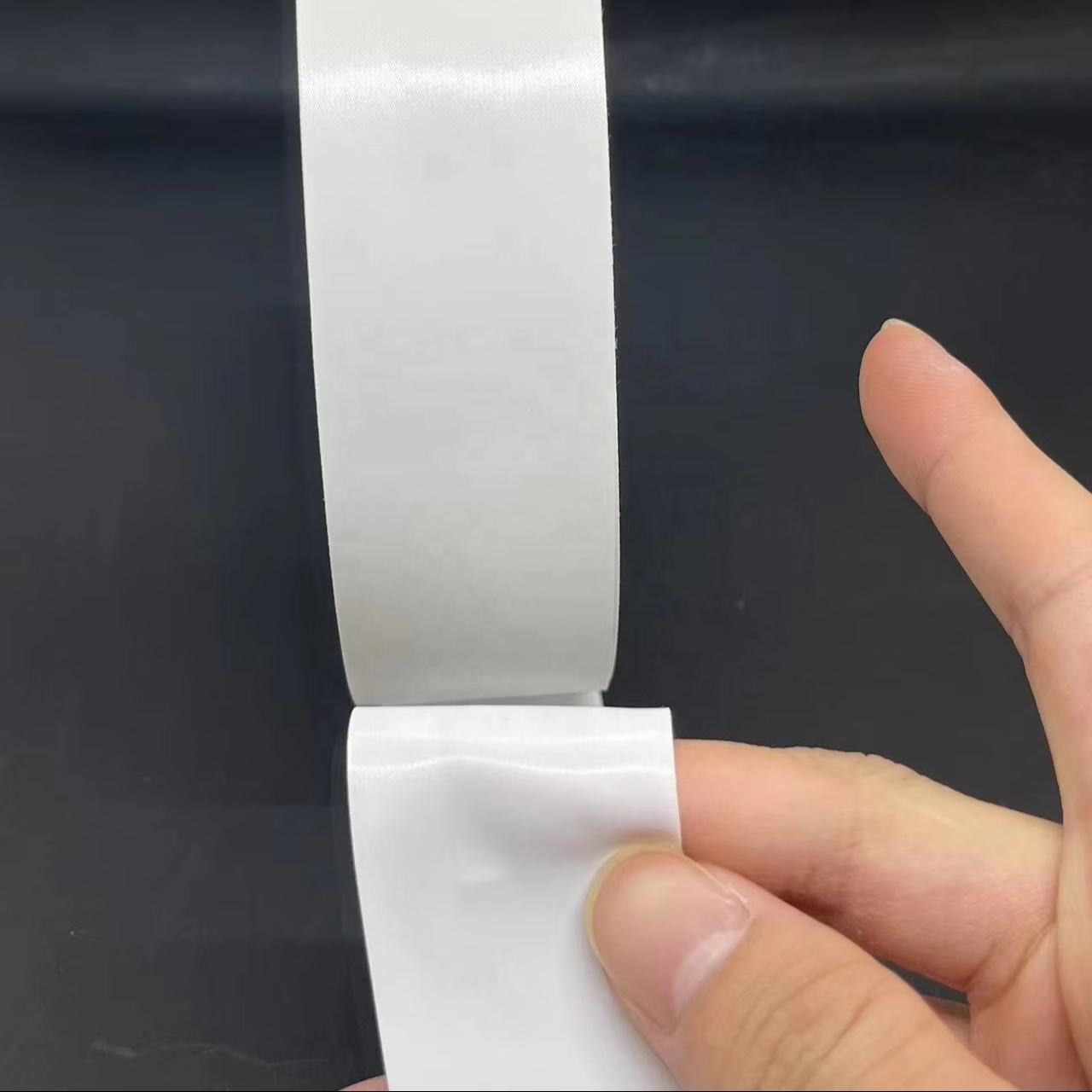
Custom woven labels for apparel show up on neck seams, side seams, hems, sleeve tabs, accessories, and branded inserts because they create a lasting mark without relying on surface ink. The label becomes part of garment construction, which is exactly why it works so well on shirts, hoodies, outerwear, knitwear, and premium basics. Once it is stitched in place, the branding feels integrated rather than applied.
Brands often underestimate how strongly a woven label shapes a buyer's first impression. A label that feels soft, sits flat, and stays legible suggests care in the making of the garment. A label that twists, scratches, or frays suggests the opposite, even if the fabric itself is excellent. Custom woven labels for apparel often communicate quality more reliably than flat printed alternatives because the tactile detail is part of the message.
Another reason custom woven labels for apparel remain so common is that they preserve detail better than many people expect. Small logos, borders, short lines of text, and compact icons can all translate well when the artwork is prepared with the weave in mind. The catch is that thread has limits. Thin strokes, tiny type, and delicate gradients may look perfect on a screen and then lose clarity once they are turned into woven structure.
"A woven label should read cleanly at arm's length and still feel comfortable after a full day of wear. If it cannot do both, the spec needs another pass."
For brands selling through boutiques, DTC stores, or retail packaging channels, custom woven labels for apparel also help tie the full presentation together. The garment, the hang tag, the insert card, and the carton should feel like they belong to the same product family. That is the kind of detail that quietly raises the perceived value of the item, because the customer senses that the whole thing was planned with care.
I have seen projects where a great garment was let down by a label that was too stiff, too dense, or too hard to read after sewing. I have also seen the opposite: a straightforward tee or hoodie that suddenly felt more considered because the woven label was clean, balanced, and matched the fabric weight. Small part, big effect. Kinda unfair, but that is how product perception works.
Custom Woven Labels for Apparel: The Production Process and Timeline
The production path for custom woven labels for apparel starts with a careful file review, not with thread on a loom. The supplier checks dimensions, fold style, color count, placement, and whether the artwork can actually survive conversion into weave. A logo built for print often needs adjustment before it can become a label, especially when the original art includes hairline strokes, tiny copy, or dense outlines.
Once the art is cleaned up, the supplier prepares a digital proof or weave simulation. For straightforward custom woven labels for apparel, that proof may be enough to move forward. Detailed art usually benefits from a physical sample, especially when the label will be part of a premium garment line. A screen mockup can show placement and layout, yet it cannot match the texture, body, and contrast of a woven sample in hand.
After approval, the loom setup translates the artwork into thread patterns. Thread count, weave density, and finishing method start to matter at that stage. Finishing may include heat cutting, ultrasonic cutting, center folding, end folding, loop folding, straight cutting, or backing application, depending on how the label will be sewn and how it should feel at the seam.
Timing depends on whether the order is a repeat or a new build. A reorder with the same art and dimensions often moves faster because the setup already exists. New artwork, specialty folds, more thread colors, or unusual finishing steps add time. In practical terms, many teams should plan for about 10-15 business days after proof approval for a standard run, while a first-time sample-and-revise cycle can stretch longer when the artwork is detailed or the production calendar is crowded.
If labels are part of a broader shipping program, the handling plan matters too. Some teams reference ISTA testing guidance when cartons move through parcel networks, and if paper sleeves or inserts are included, FSC-certified paper can reinforce the brand's material choices. Custom woven labels for apparel may be small, but they still sit inside a larger supply chain, and that chain affects how the label is seen, packed, and sewn into the final product.
Design Choices That Shape Feel, Durability, and Readability
Size is usually the first design choice that causes trouble with custom woven labels for apparel. Brands want a logo, a size mark, maybe a care line, maybe a country-of-origin line, and sometimes a slogan, all compressed into a label only a few centimeters wide. That can work when the art is built for the available space. When the message is overcrowded, the result turns into a dense block of thread that no customer wants to decode.
Weave density and thread choice affect both the look and the hand feel. A tighter weave preserves more detail and cleaner edges, which helps custom woven labels for apparel that need small typography or fine symbols. Softer thread systems usually feel gentler against the skin, which matters on neck labels and other placement points that sit directly against the body. The right approach depends on where the label is placed and how the garment is meant to wear.
Fold style changes the finished result more than many buyers expect. Center fold works well when the label is stitched into a seam and both ends need to disappear neatly. End fold creates a tidy edge on exterior tabs and smaller brand hits. Loop fold gives some labels a more dimensional look. Straight cut is often the right choice when the label will be sewn flat or when garment construction needs flexibility. With custom woven labels for apparel, the fold should follow the seam logic, not fight it.
- Center fold: Good for neck seams and side seams where the label is caught in the stitching.
- End fold: Useful for tabs and smaller brand hits that need a finished edge.
- Loop fold: Often chosen when the label is meant to stand out a little more on the garment.
- Straight cut: Best when the label will be sewn on flat or when the design needs maximum flexibility.
Color contrast matters just as much, especially on dark garments or tonal branding programs. A low-contrast label can look elegant on a proof and still disappear once it is stitched into the fabric. I have seen custom woven labels for apparel look beautiful on white backgrounds and then lose clarity on black fleece or washed denim. Stronger contrast, or a clearer outline around the mark, often solves the problem without making the label feel loud.
Backing and finish deserve the same attention as wearability. Sew-in labels remain the most common choice because they are reliable and durable. Iron-on options can help in certain workflows, though they are not the right answer for every fabric or wash routine. Adhesive-backed solutions can be useful for samples or temporary application, yet they are not a substitute for proper stitching on finished apparel. The wrong finish can create bulk, stiffness, or early edge wear in the seam zone.
When the garment is positioned as premium knitwear, technical outerwear, or a direct-to-consumer staple, the label needs to feel like it belongs to the fabric system. The strongest custom woven labels for apparel work with the cut, the fabric weight, and the rest of the branded packaging. That balance is what makes a label feel deliberate instead of added at the last minute.
Custom Woven Labels for Apparel: Cost, MOQ, and Quote Drivers
Pricing for custom woven labels for apparel comes down to a handful of inputs: size, color count, weave complexity, fold type, backing, and whether the art is a repeat or a new setup. The more detail the label carries, the more setup care the loom requires. Ask several suppliers for quotes on the same art and the numbers may still differ, because each shop has its own equipment, labor structure, and finishing process.
MOQ, or minimum order quantity, usually reflects setup and finishing labor more than raw material cost. A supplier may be perfectly comfortable producing 500 labels, 1,000 labels, or 5,000 labels, while the unit price shifts as volume changes. Custom woven labels for apparel are commonly priced so the first few hundred pieces absorb the fixed setup cost, and larger runs spread that cost across many more labels.
For a real buying decision, compare total landed cost rather than only the line-item price. Sampling, rush fees, special packaging, and shipping can change the final number enough to matter. If the labels are tied to a product launch, timing can add cost too. A lower unit price stops feeling attractive if the order arrives late and forces air freight or delays the launch.
| Label Option | Typical MOQ | Typical Unit Range | Best Use |
|---|---|---|---|
| Standard damask, center fold, 1-2 colors | 500-1,000 pcs | $0.10-$0.24 | Tees, hoodies, basics, repeat branding |
| High-detail weave, 3-4 colors, soft finish | 1,000 pcs | $0.14-$0.30 | Fashion labels, detailed logos, neck branding |
| Premium multi-color, specialty fold, sew-in | 1,000-2,000 pcs | $0.18-$0.38 | Outerwear, statement pieces, premium retail packaging |
| Custom shape or special backing | 2,000 pcs+ | $0.22-$0.45 | Signature brand marks, niche placements, higher-end programs |
Note: those ranges are directional, not a promise. Custom woven labels for apparel can land outside them if the artwork is unusually detailed, if the label is very small, or if the order includes extra finishing. The main point is that size and complexity usually move price more than most buyers expect.
A fast quote is easier when the supplier receives a complete spec sheet at the start. Send the logo file, label dimensions, fold type, quantity, color count, garment type, and target delivery window, and the response is usually far more useful than a vague "How much for woven labels?" message. Custom woven labels for apparel are one of those items where a clean brief saves time on both sides.
The most common pricing mistake is comparing a production-ready label against a simplified sample without understanding the difference. A lower-cost option may be missing a key finish, a backup proof, or a packaging step your team actually needs. A good quote should spell out exactly what is included, especially for custom woven labels for apparel tied to a launch schedule or a retail packaging plan.
How to Order Custom Woven Labels for Apparel Step by Step
The cleanest way to order custom woven labels for apparel is to start with the use case, not the artwork. Decide where the label will sit: neck seam, side seam, hem, sleeve, exterior tab, or a system that includes size and care information. That decision narrows the fold style, the finish, and often the best size range before anyone opens a design file.
Next, gather the production specs that actually matter. Dimensions should be listed in millimeters or inches, but the units need to stay consistent. Color count should reflect actual thread colors, not just the number of colors in the logo file. If the design includes gradients or very fine lines, say so early so the supplier can tell you whether a woven build is the right path or whether another label construction would preserve the detail better. Custom woven labels for apparel work best when the art and the process are planned together.
Then review the proof with a production eye. Spelling is the obvious check, but line weight, border thickness, fold orientation, and placement marks deserve attention too. If a proof shows the label upside down or with the fold on the wrong edge, that mistake can carry through the whole run. For custom woven labels for apparel, changes after approval are where schedules slip and costs rise.
- Define the garment use and where the label will be sewn.
- Confirm dimensions, fold type, thread colors, and backing.
- Send artwork in the cleanest file you have.
- Check the proof for legibility, direction, and seam compatibility.
- Approve a sample if the label is central to the product.
- Build in time for sew tests or wash tests before full production.
A sewn sample is especially useful for custom woven labels for apparel that will touch the skin or sit on a high-value garment. A screen proof can show the layout, but it cannot tell you whether the label feels too stiff, whether the contrast is strong enough under warehouse lighting, or whether the edges sit too sharply against a soft knit. A physical sample answers those questions quickly.
Plan the label and the garment together. If the product line also includes package branding, hang tags, insert cards, or custom printed boxes, the label should echo the same visual language. That does not mean every piece must match exactly. It should feel like one family. Custom woven labels for apparel work best when they reinforce the same story the customer sees on the package and on the shelf.
Before you place the order, test the label in the real fabric. Sew it into the actual garment sample, wash it if the garment will be washed, and look at it under the lighting your customer is likely to see. That is how you catch small issues before they turn into a full run of avoidable waste. For custom woven labels for apparel, a 10-minute sew test can prevent a lot of frustration later.
Common Mistakes When Specifying Woven Labels
The easiest mistake to make with custom woven labels for apparel is trying to say too much. A label that has to carry a brand name, size, website, care line, origin line, and decorative border often becomes unreadable once the art is translated into thread. The weave has a limit. If the art is overloaded, the end result turns into texture instead of information, and that is a poor trade on a tiny garment component.
Low contrast is another common problem. Soft, tonal labels can look premium in a proof and then vanish into the garment or become hard to read after a few washes. That is especially true on dark fleece, washed cotton, or textured knits. Custom woven labels for apparel should be judged in context, not only on a white background in a design file.
Wrong fold and cut choices can create headaches as well. If the edges are too bulky, the seam can twist. If the cut style does not match the application, the label may fray or stand off the garment more than intended. Skipping wear testing is another avoidable error, especially for pieces that will be washed often or worn against the skin for long stretches. Custom woven labels for apparel should be tested the same way the garment itself is tested: in motion, in wash, and in real use.
Timing mistakes cost money too. Buyers sometimes approve a proof late, assume the order will move faster than it can, and then rush the shipment to meet a launch date. That can lead to higher freight costs or a compromise on detail that a better lead-time plan would have avoided. For custom woven labels for apparel, the cleanest orders usually start with a realistic timeline rather than the fastest promise.
Another quiet problem is treating every label like a one-size-fits-all item. A neck label on a brushed fleece hoodie, for example, behaves differently from a side-seam label on a lightweight tee. The same artwork may need different sizing, backing, or thread balance to work properly. That kind of adjustment is not a sign that the original idea was wrong; it just means the construction has to follow the garment, not the other way around.
Expert Tips and Next Steps Before You Place the Order
If you want better quotes on custom woven labels for apparel, build a simple spec sheet before contacting suppliers. Include the artwork file, exact dimensions, fold type, color count, quantity, placement, backing, and target date. A supplier can price quickly when the job is clear. A vague request creates back-and-forth, and that is where lead time gets lost.
Ask for both a digital proof and a sewn sample when the label matters to the brand identity or when the fabric has a difficult surface. Some knits are soft and forgiving, while others are textured enough to change how the label sits. Comparing the sample against the actual garment color is much more useful than checking it on a bright monitor in a neutral room. Custom woven labels for apparel should be reviewed in the same visual conditions they will live in.
Keep the label system aligned with the rest of the presentation. A customer should feel the same brand personality in the woven label, the hang tag, the insert card, the outer carton, and any retail packaging or branded packaging you use. That is where custom woven labels for apparel connect naturally with package branding. If your team is already planning custom printed boxes or a new Custom Packaging Products program, it makes sense to treat the label as part of the same story.
Practical checklist:
- Confirm dimensions and fold style before artwork finalization.
- Check the proof against the actual garment color, not just a white page.
- Approve a sample for high-value or highly detailed custom woven labels for apparel.
- Plan the label alongside hang tags, cartons, and insert pieces.
- Leave enough time for production, inspection, and any sew or wash testing.
For most brands, custom woven labels for apparel are a small line item with a large visual payoff. They signal permanence, improve the tactile experience, and help a garment feel complete before the customer ever reads the care card. If your product line relies on texture, durability, and a polished presentation, the practical move is simple: start with placement, trim the artwork to what the weave can actually carry, and test the label in the real fabric before you approve a full run.
Frequently Asked Questions
What are custom woven labels for apparel used for?
They identify the brand, size, or garment line while adding a permanent, professional finishing detail. Custom woven labels for apparel are commonly used inside neck seams, along side seams, on hems, and as exterior brand tabs where a premium look matters.
How long do custom woven labels for apparel usually take to make?
Simple repeat orders can move quickly, but first-time artwork, samples, and specialty folds usually add extra days or weeks. The fastest way to Get an Accurate timeline for custom woven labels for apparel is to share dimensions, quantity, fold, and artwork before quoting.
What affects the cost of custom woven labels for apparel most?
Size, color count, weave detail, fold style, and finishing method all influence pricing. Quantity also matters because setup costs are spread across more labels in larger runs of custom woven labels for apparel, which usually lowers the per-piece cost.
Should I choose woven or printed labels for apparel?
Choose woven labels when durability, texture, and a premium brand feel matter most. Choose printed labels when you need very fine text, a softer surface, or simpler care information. For many brands, custom woven labels for apparel are the better fit for neck branding and visible identity marks.
What should I send to get a quote on custom woven labels for apparel?
Send the logo file, label dimensions, fold type, quantity, color count, and where the label will be sewn. If possible, include the garment type and target timeline so the supplier can recommend the right material and finish for custom woven labels for apparel.
For brands that care about fit, finish, and lasting presentation, custom woven labels for apparel are one of the most reliable ways to make a garment feel finished. Treat the label as part of the full product packaging system, review the proof carefully, and order with a realistic timeline, and the label will keep doing its job long after the first wear.

