Buyer Fit Snapshot
| Best fit | Custom Zipper Pouches Wholesale projects where brand print, material claims, artwork control, MOQ, and repeat-order consistency need to be specified before quoting. |
|---|---|
| Quote inputs | Share finished size, material target, print colors, finish, packing count, annual reorder estimate, ship-to region, and any compliance wording. |
| Proofing check | Approve dieline scale, logo placement, barcode or warning zones, color tolerance, closure strength, and carton packing before bulk production. |
| Main risk | Vague material claims, crowded artwork, missing packing details, or unclear freight terms can make a low unit price expensive after revisions. |
Fast answer: Custom Zipper Pouches Wholesale: Pricing, Specs & Lead Time should be specified like a repeatable production item. The safest quote records material, print method, finish, artwork proof, packing count, and reorder notes in one written spec.
Production checks before approval
Compare the actual filled-product size with the drawing, then confirm tolerance on folds, seals, hang holes, label areas, and retail display edges. Reserve space for logos, QR codes, warning copy, and material claims before decorative graphics fill the panel.
Quote comparison points
Review material grade, print process, finish, sampling route, tooling charges, carton quantity, and freight assumptions side by side. A quote is only useful when the supplier can repeat the same color, closure quality, and packing count on the next order.
Custom Zipper Pouches Wholesale: Pricing, Specs & Lead Time
A snack brand moving out of rigid tubs, a supplement line shifting away from bulky bottles, or a pet treat maker replacing cartons with flexible packs usually notices the same thing first: freight gets lighter, storage gets easier, and the package starts working harder for the margin. Less cube in transit and less space on the shelf can change the economics fast, sometimes before the first reorder cycle is even complete. For buyers comparing Custom Zipper Pouches Wholesale, the savings usually come from the pouch structure, the closure choice, and the order volume more than from the artwork alone.
Teams that have been through a few packaging rounds tend to start with the product itself instead of the graphics. They look at barrier needs, filling equipment, shipping conditions, and the way the finished pouch will sit in a warehouse, on a retail shelf, or inside an e-commerce carton. That order of operations matters. Custom zipper pouches wholesale can improve presentation and economics at the same time, but only if the film structure, zipper style, and pouch format are matched to the product rather than treated like decorative add-ons.
The strongest wholesale programs keep the base construction steady while giving the brand room to adjust artwork, fill weight, and panel copy as the line grows. That kind of packaging system lets a company introduce new flavors, seasonal runs, or count sizes without rebuilding the whole package every time. It keeps the shelf look familiar and the production path repeatable, which is honestly what most procurement and operations teams are hoping for anyway.
If you are comparing custom zipper pouches wholesale for the first time, the decision gets easier once the project is reduced to three questions. What must the pouch protect? How will it be filled, shipped, and displayed? Which quantity creates a unit cost that fits the business without leaving too much stock on hand? Those are the questions that guide the rest of the order.
Why custom zipper pouches wholesale can improve margin fast
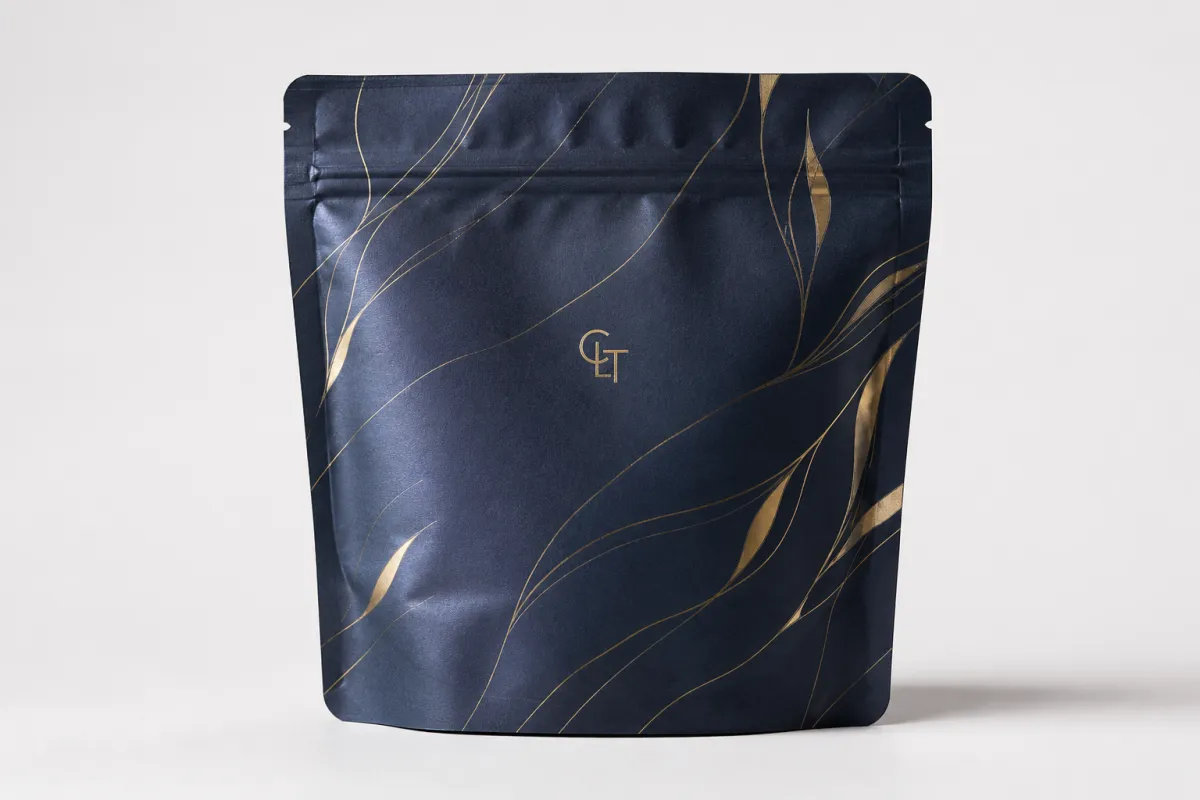
Buyers often focus on the front panel first because that is where the brand lives, yet the quickest savings usually sit in the structure hidden behind the graphics. Custom zipper pouches wholesale can reduce material weight, shrink cube in transit, and lower storage cost because flexible packaging occupies far less room than rigid tubs, jars, or cans. That kind of savings comes from the package itself. It does not depend on a promotion or a temporary discount, and it often shows up before the next reorder is even due.
From a packaging buyer's point of view, the math is straightforward. A lighter primary package means more units per carton and more cartons per pallet. Freight planning changes, warehouse layouts become less crowded, and replenishment is easier to handle. For products with predictable demand, custom zipper pouches wholesale can also simplify procurement because one base structure can support multiple flavors, formulas, or count sizes without changing the whole package system.
Many teams miss the most valuable part of the move. They look at the artwork and overlook the engineering. A pouch that looks polished but uses the wrong barrier layer, a seal that does not hold, or a zipper that feels awkward can create complaints, returns, or shelf-life problems. A pouch that looks understated but is specified correctly can protect aroma, resist moisture, and survive shipping better than a more expensive format built on the wrong structure. Custom zipper pouches wholesale should be treated as product packaging, not just printed decoration.
Wholesale purchasing also helps once the line begins to expand. A standardized construction lets a brand change artwork for seasonal releases, adjust fill weights for trial runs, or add features such as a window, tear notch, or hang hole without reworking the entire SKU. That kind of flexibility matters in retail packaging because the shelf presentation stays consistent while the production path remains repeatable.
I usually ask one practical question before anything else: will this pouch still make sense after the tenth reorder? If the answer is yes, the format is probably right for the business. If the answer depends on a launch-only price break, the economics may be weaker than the first quote suggests. Custom zipper pouches wholesale should be judged on repeat use, not just on unit price.
In many product lines, the pouch is the first place margin improves because it cuts unnecessary weight and carton volume without changing the fill itself.
Once that thinking is in place, the next step is choosing the structure that protects the product and fits the sales channel. That is where film, zipper, and format decisions start to matter.
Product details: what goes into a custom zipper pouch
Custom zipper pouches wholesale programs usually begin with one of three basic constructions: flat pouches, stand-up pouches, or gusseted formats. Flat pouches work well for lighter fills, sample sizes, and low-profile retail packs. Stand-up pouches are the most common choice when the package needs shelf presence, stronger facings, or a more premium retail look. Gusseted designs fit taller fills, bulkier contents, or products that need more internal volume without widening the face of the pouch too much.
The material stack is where performance is decided. Most pouches use an outer print layer, a barrier layer, and a sealant layer. The print layer carries the graphics. The barrier layer helps manage moisture, oxygen, aroma, grease, or light depending on the product. The sealant layer is what allows heat sealing and gives the pouch its closing strength. For food, coffee, nutraceuticals, or pet treats, that stack is not a minor technical detail. It affects shelf life and the consumer experience every day the product sits in market.
Custom zipper pouches wholesale buyers should think about the zipper early as well. Standard press-to-close zippers are common because they are easy to open and reseal. Child-resistant zippers, tear-to-open features, and tamper-evident options may be needed for regulated products or sensitive fills. Placement matters too. A zipper that sits too close to the top seal can make filling more difficult. A zipper that sits too low can reduce headspace or steal valuable print area from the front panel.
Finish choices shape how the package feels in hand. Matte lamination can soften glare and give artwork a more restrained premium look. Gloss can intensify color and help the package stand out on shelf. Soft-touch finishes are popular in high-end branded packaging because they add a tactile cue, though they can cost more and may show scuffing differently. Clear windows let buyers see the product, while rounded corners, hang holes, and tear notches improve function and retail convenience. Decoration matters, yet function still needs to lead the decision.
The right product details always depend on what is being packed. Coffee needs aroma retention and a strong barrier. Snacks often need moisture protection and puncture resistance. Supplements may need clear label space and reliable zipper reseal performance. Cosmetics and powders can be sensitive to dusting and seal integrity. Hardware and small parts need puncture resistance and a format that is easy to count and reclose. Custom zipper pouches wholesale are not one product category so much as a family of structures that need careful matching.
For buyers comparing branded packaging formats, it helps to compare the pouch against Custom Printed Boxes or rigid containers on the same product line. Boxes can be excellent for outer presentation or e-commerce protection, while the pouch often wins on fill efficiency and shipping density. That is why many teams keep the box as the shipper or secondary pack and use the pouch as the primary retail package.
If your product needs display value and storage efficiency in the same format, the pouch can be the better bridge between product protection and retail packaging. The key is to specify the structure before artwork starts, not after the design is already locked.
Size, gauge, and print specifications to confirm before ordering
Before any quote is genuinely useful, the supplier needs exact dimensions. For custom zipper pouches wholesale, that means pouch width, height, bottom gusset depth, and the intended fill volume. If the product needs extra headspace for the zipper, tear notch, or retail hanging, that should be in the brief from the beginning. A pouch that looks fine on paper can feel tight in production if the fill line, closure, or sealing area was underestimated.
Film thickness, often called gauge, is another detail that affects performance. Thicker films are not always better, yet they can improve puncture resistance and stiffness for heavier fills. Thinner films can be a strong fit for lightweight products, sample packs, or lower-abuse shipping. The right answer depends on handling, carton packing, and whether the pouch will be displayed upright, mailed, or stacked. Custom zipper pouches wholesale buyers should ask what thickness is typical for their product class instead of assuming one number fits every item.
Artwork requirements matter just as much as size. A complete dieline should show safe area, bleed, seal zones, zipper location, and copy placement. Image resolution should be high enough for print, usually 300 dpi for raster assets where possible. Color mode should be confirmed early. If the artwork includes nutrition facts, ingredient statements, barcodes, QR codes, or regulatory copy, those elements need room and clarity. A beautiful package loses value fast if the barcode will not scan or the legal text gets pushed into a fold.
Performance specifications deserve the same attention as print specs. Ask about heat seal range, puncture resistance, and barrier levels for oxygen, moisture, aroma, or light. If the product will move through long distribution routes or multiple handoffs, distribution testing is worth considering. The ISTA test standards are useful for judging how a package behaves under vibration, drop, and transit stress. For paper components or fiber-based elements, FSC guidance can help buyers think clearly about sourcing and chain-of-custody expectations.
One of the easiest ways to avoid expensive mistakes is to request a proof or sample confirmation before production. That may sound basic, yet it catches problems that cost the most later: a zipper line placed too high, a window that cuts off the brand mark, a pouch that is a few millimeters too narrow, or a barcode sitting too close to a seal. With custom zipper pouches wholesale, small errors scale quickly, so the proof stage is not optional in my view.
Buyers should also remember that size affects fill line and appearance. Two pouches with the same face dimensions can behave very differently if one has a broader gusset or a stiffer film. Strong packaging design teams think in terms of real production behavior, not just layout file dimensions. That is the difference between a good-looking concept and a package that fills cleanly on line.
For procurement teams, a clean spec sheet is the fastest route to a clean quote. It reduces back-and-forth, shortens approval time, and makes custom zipper pouches wholesale much easier to compare across suppliers.
Custom zipper pouches wholesale pricing, MOQ, and quote basics
Pricing is where buyers either save money or create confusion, depending on how the quote is built. The biggest cost drivers for custom zipper pouches wholesale are pouch size, material structure, print coverage, zipper type, special finishing, and quantity. A small flat pouch with limited artwork will usually cost less than a large stand-up pouch with barrier film, matte finish, a resealable zipper, and a window. The more complex the structure, the higher the cost tends to move.
MOQ, or minimum order quantity, needs careful reading as well. In wholesale packaging, MOQ often reflects setup time, material waste, print runs, and conversion time. Higher quantities generally bring a lower unit cost, though a smart buyer still weighs that against inventory turnover. If a product moves slowly, the lowest unit price may not be the best business choice. Custom zipper pouches wholesale should support sales velocity, not tie up cash in the warehouse.
| Order tier | Typical unit range | Best fit | Notes |
|---|---|---|---|
| 1,000-2,500 pcs | $0.30-$0.72 | Test launches, niche SKUs, small retail runs | Higher setup impact; useful when artwork or formula may change |
| 5,000 pcs | $0.18-$0.42 | Growing brands, regular replenishment, multi-SKU lines | Common balance point for custom zipper pouches wholesale |
| 10,000+ pcs | $0.11-$0.28 | Established products with steady demand | Best unit economics, especially with repeat artwork and simple finishes |
Those ranges are directional, not a promise. A pouch with heavy ink coverage, a premium zipper, and a specialty laminate will price differently than a simpler structure. Freight affects landed cost too, especially if the destination sits far from the point of production or if the shipment has to be consolidated with other product packaging orders. When comparing custom zipper pouches wholesale quotes, the landed number matters more than the factory number alone.
Setup costs deserve attention as well. One supplier may look cheaper because the unit price is lower, while the quote hides higher plate charges, plate changes, proof fees, or freight. Another may quote a slightly higher unit rate but include more practical support during prepress and a more stable film specification. A good buyer compares the full picture. That is how custom zipper pouches wholesale becomes a purchasing decision instead of a guessing game.
Ask for multiple volume breaks whenever possible. A quote at 5,000 pieces and another at 10,000 can show whether a small increase in quantity creates a real drop in unit cost. Sometimes the jump is large enough to justify the extra inventory. Sometimes it is not. Either way, the comparison gives you a solid basis for planning future orders and helps with branded packaging consistency across the line.
It also helps to ask what is included in the sample or proof process. Some suppliers bill samples separately, while others roll certain proofing steps into the quote. Freight terms matter as well. If a supplier will not clearly state whether the price includes packaging, export preparation, or delivery to your receiving point, the quote is not complete enough for serious comparison.
Custom zipper pouches wholesale should be evaluated like any other production purchase: spec, quantity, freight, and repeatability. If one of those pieces is missing, the apparent savings can disappear after the order is placed.
Process and timeline: from quote request to production steps
The cleanest projects start with a detailed spec review. That means product type, pouch dimensions, artwork, zipper preference, finish, quantity, and delivery location. When a buyer sends all of that at the outset, the supplier can quickly confirm feasibility and see whether the material structure suits the product. Custom zipper pouches wholesale orders move faster when the first conversation is technical instead of vague.
After the quote, the proof stage usually comes next. That is where dieline approval, artwork checks, and sample review happen. If the design includes multiple language panels, dense copy, or critical compliance text, the proof step deserves careful attention. A few extra hours in review can prevent days of correction later. In packaging design, tiny shifts in panel layout can change how the pouch reads at shelf distance and how it performs once filled.
Production follows a predictable sequence: material preparation, printing, laminating if needed, converting into pouch form, zipper insertion, sealing, trimming, and final inspection. The exact order can change depending on the structure, but the main goal stays the same. Every stage has to preserve register, seal quality, and finished dimensions. On a well-run custom zipper pouches wholesale order, the back half of the process is about consistency as much as speed.
Lead time depends on several variables. Larger runs take longer. More colors or more complex graphics can slow printing. Special finishes often add time. A first-time order may need extra proofing, and imported materials can create scheduling risk. Even a fast job needs room for transit and receiving. That is why serious buyers plan around the launch date rather than the last possible day.
If the package has to survive a demanding distribution chain, it helps to think beyond appearance and ask how the pouch behaves under real handling. A supplier who understands the difference between cosmetic packaging and food-grade product packaging should be able to speak plainly about seal integrity, barrier level, and shipping stress. For teams that need a wider view of formats, the Custom Packaging Products page is a useful place to compare pouch styles with other package structures.
Lead times are best discussed as a range rather than a promise without context. A simple order with final artwork and approved specs can move quickly. A complex order with revisions, special materials, and careful color matching will need more time. The most useful custom zipper pouches wholesale supplier is the one who explains where time goes and what the likely bottlenecks are.
Build one safety buffer into the schedule. It is a small habit, but it removes a lot of stress. If launch day is fixed, backwards planning is the best tool available. Count the proof window, the production window, the freight window, and a receiving buffer at the end. That is the practical route for custom zipper pouches wholesale when the packaging supports a retail launch or subscription drop.
Why buyers choose us for custom zipper pouches wholesale
The best reason buyers stay with a supplier is not flashy branding. It is repeatable execution. For custom zipper pouches wholesale, that means matching the pouch structure to the product, keeping the print consistent from run to run, and answering technical questions in plain language. When the buyer needs to know whether a film can handle moisture, aroma, or puncture risk, the answer should be direct and tied to the product.
Consistency matters because wholesale buyers rarely place one order and walk away. They reorder. They add flavors. They run a promo size. They expand into new channels. If the second run does not match the first, the brand presentation starts to drift. Solid wholesale packaging support keeps the finish, zipper action, and dimensions aligned so the package looks and behaves the same each time.
Clear communication during quoting and prepress also saves time. Buyers need quick answers on size tolerance, barrier needs, print limitations, and tradeoffs between visual impact and cost. That is especially true when the product line also uses custom printed boxes, shipping cartons, or other retail packaging elements. A supplier who understands the full package system can help the buyer make better choices across the entire line, not just on one pouch SKU.
We also focus on quality control points that matter to buyers: seal integrity, zipper function, print registration, and finished dimensions against the approved proof. Those are the details that decide whether the packaging is ready to fill or needs correction. For custom zipper pouches wholesale, the finished package should arrive ready for the production line, not create more work for operations.
If you are comparing options across branded packaging programs, start with the resources that support planning and repeat ordering. Our Wholesale Programs page is built for buyers who want volume pricing and steady replenishment, while Custom Packaging Products helps map pouch formats against other packaging design choices. That mix gives procurement teams a better sense of what belongs in the primary pack, what belongs in the shipper, and where the cost really sits.
My honest view is simple: custom zipper pouches wholesale works best when the supplier acts like a packaging partner, not just a print vendor. That means keeping the conversation practical, respecting deadlines, and explaining what the package will do in the real world. Buyers do not need hype. They need dependable product packaging that supports sales and keeps the line moving.
Next steps for ordering custom zipper pouches wholesale
If you are ready to move, gather the basics first. Start with pouch dimensions, product weight, fill type, artwork files, target quantity, and any performance requirements tied to storage or shipping. That one step alone can shorten the quoting process and make custom zipper pouches wholesale easier to compare across suppliers. A clean brief leads to a cleaner answer.
Next, ask for pricing at two or three volume breaks. You want to see how the unit cost changes at a smaller test run, a mid-size replenishment run, and a larger program order. That comparison usually shows whether the savings justify the inventory. It also gives you a more realistic picture of how the order fits into your wholesale packaging budget over time.
Approve a proof or sample before production, especially if the package includes dense copy, multiple barcodes, windows, or a precise fit requirement. This is the point where custom zipper pouches wholesale either stays on track or starts to drift. A proof helps confirm the real-world size, the appearance of the artwork, and the usability of the closure before the full run begins.
Work backward from the delivery window, not forward from the quote date. Build in time for proof review, production, freight, and receiving. If the package is tied to a retail release, keep a buffer. That buffer costs far less than rushing a reprint or missing a launch. It is one of the simplest habits in packaging, and one of the most useful.
For buyers comparing formats across a larger line, custom zipper pouches wholesale should be part of a broader package strategy. The pouch can carry the retail-facing brand, the carton can protect the shipper, and the label or outer box can handle logistics and compliance. That is a smart division of labor for modern product packaging. It keeps the package efficient without giving up shelf appeal.
The practical takeaway is straightforward: define the product, lock the spec, compare landed pricing, and approve a proof before production starts. That process reflects how pouches are actually made and used. Keep those steps in order and custom zipper pouches wholesale becomes a controlled purchasing decision instead of a rushed one.
Frequently Asked Questions
What do I need for a custom zipper pouches wholesale quote?
Start with pouch dimensions, product weight, fill type, and the structure you want, such as flat, stand-up, or gusseted. Add artwork files, print expectations, and any special features like a window, matte finish, or hang hole. It also helps to share target quantity and delivery location, because those details affect both unit cost and landed freight cost. The more complete the brief, the faster the quote usually comes back.
What is a realistic MOQ for custom zipper pouches wholesale orders?
MOQ varies by size, print method, zipper style, and pouch construction, so there is no single number that fits every job. Smaller runs can make sense for test launches or niche SKUs, while larger programs usually bring better unit economics. A smart buyer asks for several volume breaks, then compares the inventory burden against the savings. That way the MOQ supports the business instead of straining it.
How long does production usually take for custom zipper pouches wholesale?
Timeline depends on artwork approval, sample needs, order quantity, and whether the pouch includes special finishes or uncommon materials. Fast jobs usually have final specs, clean files, and quick proof approval. More complex jobs need more time for prepress and production control. Always include freight time and a buffer before launch, because the printed pouch is only useful if it arrives before the product needs to ship.
Can custom zipper pouches wholesale orders include windows or matte finishes?
Yes, both are common, and both should be chosen for a reason. A window can help shoppers see the product, which is useful for snacks, pet treats, and some cosmetic or craft items. A matte finish can reduce glare and give the pouch a more premium feel. Before you approve the design, confirm how the finish affects scuff resistance, print contrast, and the final look in hand.
How should I compare pricing between custom zipper pouches wholesale suppliers?
Compare the full specification first, not just the quoted number. Film structure, zipper type, finish, and print coverage can change cost a lot. Then check whether setup fees, samples, and freight are included so the landed price is clear. Quality consistency, communication speed, and proofing support matter too. A low price is not a bargain if the pouch fails on the line or does not hold up in use.

