Buyer Fit Snapshot
| Best fit | Warehouse Cartons Bulk Order projects where brand print, material claims, artwork control, MOQ, and repeat-order consistency need to be specified before quoting. |
|---|---|
| Quote inputs | Share finished size, material target, print colors, finish, packing count, annual reorder estimate, ship-to region, and any compliance wording. |
| Proofing check | Approve dieline scale, logo placement, barcode or warning zones, color tolerance, closure strength, and carton packing before bulk production. |
| Main risk | Vague material claims, crowded artwork, missing packing details, or unclear freight terms can make a low unit price expensive after revisions. |
Fast answer: Warehouse Cartons Bulk Order: Pricing, Specs & Lead Time should be specified like a repeatable production item. The safest quote records material, print method, finish, artwork proof, packing count, and reorder notes in one written spec.
Production checks before approval
Compare the actual filled-product size with the drawing, then confirm tolerance on folds, seals, hang holes, label areas, and retail display edges. Reserve space for logos, QR codes, warning copy, and material claims before decorative graphics fill the panel.
Quote comparison points
Review material grade, print process, finish, sampling route, tooling charges, carton quantity, and freight assumptions side by side. A quote is only useful when the supplier can repeat the same color, closure quality, and packing count on the next order.
Warehouse Cartons Bulk Order: Pricing, Specs & Lead Time
A warehouse Cartons Bulk Order looks simple on a quote sheet, right up until the first weak carton shows up on a pallet and the receiving team has to deal with crushed corners, loose flaps, and extra tape just to keep product moving. A few cents saved on the unit price can disappear fast once rework, damage claims, and labor start piling up. I have watched buyers chase the lowest number and pay for it in freight waste, damaged goods, and tired warehouse staff. Cheap boxes are only cheap before they start failing.
For storage, outbound shipping, and internal transfers, the real win comes from consistency. A well-planned warehouse cartons bulk order lowers the cost per carton, keeps inventory easier to manage, and reduces the number of sizes your team has to track. It also makes pallet builds cleaner, which matters more than people usually admit. A solid carton pattern reduces toppling, trims void space, and gives freight a better shape to work with.
Custom Logo Things stays focused on practical buying decisions rather than polished sales language. If you need repeatable sizing, dependable lead times, and a carton spec that stands up to actual warehouse use, the details below will help you ask sharper questions and avoid common missteps. For recurring purchases, our Wholesale Programs page is a useful starting point. If you want fast answers on samples and order flow, the FAQ covers the basics without making you dig.
Warehouse Cartons Bulk Order: What Saves Money Fast
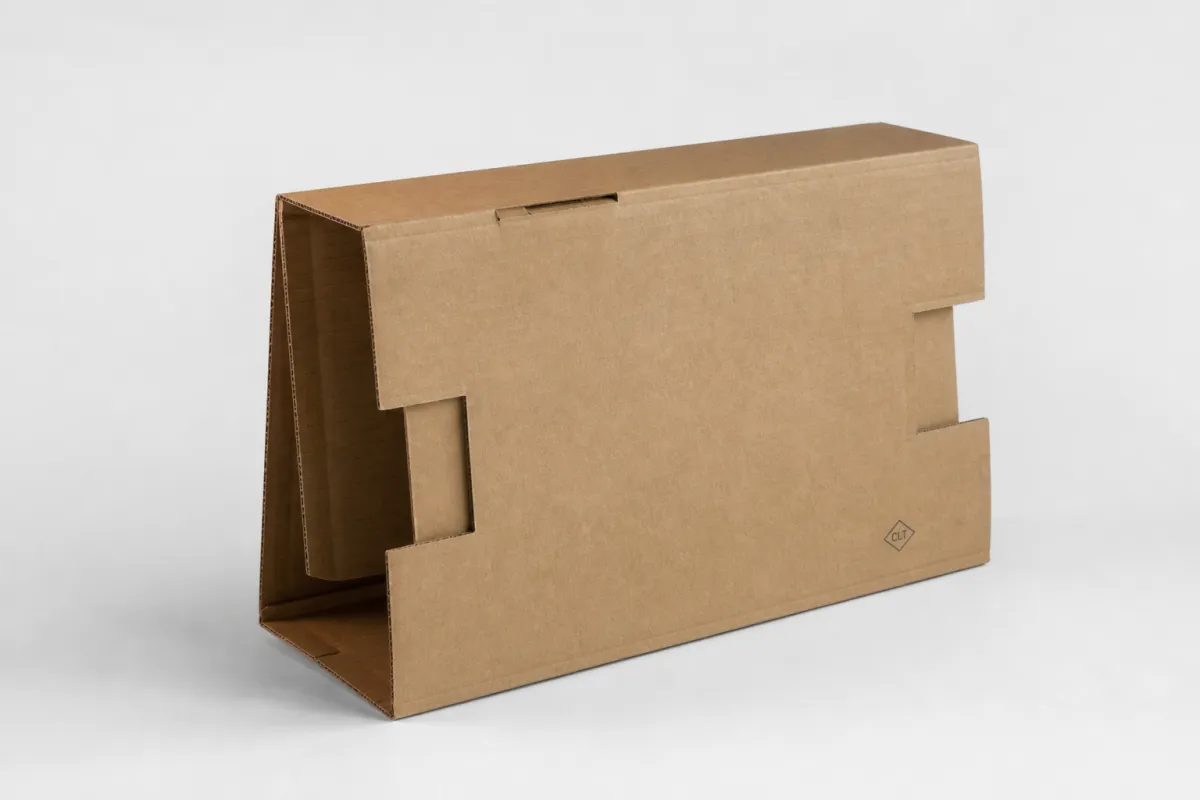
The lowest carton price is not always the lowest order cost. Buyers still get pulled in by the unit number on the quote, even when the carton fails on stack compression and turns into repacking labor, damaged inventory, and freight headaches. A warehouse cartons bulk order should be measured by total landed cost, not carton price alone.
Volume changes the math quickly. Bulk buying spreads setup, tooling, and freight across more pieces, so the unit cost usually drops as quantity rises. That is the main reason a warehouse cartons bulk order makes sense for stocked SKUs and repeat shipping cartons. You are not only buying corrugated material. You are buying fewer reorder events, fewer interruptions, and fewer last-minute substitutions when stock runs low.
Standardizing carton sizes across several SKUs can save more than people expect. One size that covers three products can simplify purchasing, reduce storage clutter, and speed up picking. A warehouse team can move faster with a short, familiar list of box sizes than with a dozen dimensions that differ by half an inch. A tighter catalog also cuts down on mistakes during peak periods, which is usually when mistakes are most expensive.
In practice, a warehouse cartons bulk order works best when it follows the actual flow of the building. If the carton is going to be palletized and stored, pallet footprint matters. If it moves through parcel carriers, dimensional weight matters. If it will sit under other boxes, compression strength matters. Miss those basics and the missing spec will show up later in labor, freight, or damaged product.
"The cheapest carton is the one that arrives flat, stacks cleanly, and does not create rework." That is the boring truth. Boring is useful in packaging.
The business case is plain enough: fewer carton failures, steadier supply, and less chaos when demand spikes. A sensible warehouse cartons bulk order protects all three. There is no glossy slogan hiding in that, just fewer headaches in the receiving bay and fewer surprises after the goods leave the dock.
Carton size also affects freight efficiency. A box that wastes pallet space can increase shipping cost per unit even if the carton itself is cheaper. A slightly different dimension may let you stack an extra layer safely, and that saving can beat a lower box price very quickly. Serious buyers look at the carton, the pallet, and the route as one system, because that is how the cost actually behaves.
For high-volume programs, it helps to think in ranges instead of guesses. If a carton costs $0.95 instead of $0.78 but reduces damage by even 2 percent on a 20,000-unit run, the higher-spec option is often the cheaper move. That is the kind of math a real warehouse cartons bulk order should trigger, and it is usually where the better decision becomes obvious.
Warehouse Cartons Bulk Order: Box Types, Fits, and Uses
Not every warehouse carton should do the same job. A box built for internal transfer is not always right for direct-to-customer shipping, and a carton that works for lightweight kits can fail badly under stacked pallet loads. In a warehouse cartons bulk order, the first decision is box style, then board strength, then print and finishing. Reverse that order and the result is usually too much cost or not enough protection.
Common carton styles
Regular slotted cartons are the workhorse. They are easy to source, easy to assemble, and usually the lowest-cost option for many warehouse uses. They suit standard shipping, storage, and general outbound packing when the product has a predictable footprint. If your team needs a straightforward warehouse cartons bulk order, this is often the first style to quote.
Heavy-duty shipping boxes make sense when the contents are heavier, the route is rougher, or the carton will be handled multiple times. These boxes usually rely on stronger board, tighter tolerances, and better closure performance. They are the better choice when box crush is the main risk, and they are a little less forgiving if the packed load is uneven.
Double-wall cartons are the serious option for heavier loads, higher stack heights, or product that stays in storage longer. They cost more, and they protect more. That tradeoff is easy to justify if the product is valuable or if pallets are being stacked in a warehouse with limited space.
Custom sizes matter when the product dimensions are awkward, the void fill is expensive, or the shipping cube needs to be tight. A custom box can reduce filler, improve presentation, and lower freight if the outer dimensions are controlled properly. Many buyers end up with a custom warehouse cartons bulk order because standard sizes leave too much empty space, and that empty space is not free.
Fit matters more than the label on the box
Product dimensions drive the whole spec. Inserts, dividers, and void fill do too. A box that fits the item on paper may still be too loose once protection is added. A warehouse cartons bulk order should account for the packed size, not just the bare product. That sounds basic, yet it is where a lot of first-time quote requests go off track.
Pallet patterns deserve the same attention. If your cartons do not nest well on a 48 x 40 pallet, wasted space adds up fast. A few millimeters on the carton can change the entire build pattern. I have seen warehouse teams save more on freight from better stacking than from shaving a few cents off carton price. Not glamorous, just real.
Stack height matters too. If cartons will be stacked six, eight, or ten high, the board grade needs to reflect that compression load. A warehouse cartons bulk order for storage should always answer the question, "How long will these sit, and how high will they stack?" If that detail is missing, the quote is incomplete.
Plain cartons or printed cartons?
Plain cartons are usually the fastest and cheapest route. They work well for internal transfers, neutral shipping, and warehouse use where labeling and barcodes already handle identification. Printed cartons make sense when brand visibility, product separation, or handling instructions matter. A printed carton can also reduce mispicks if the warehouse uses color or message cues to guide packers.
The workflow matters here. If your team uses printed carton copy to mark fragile goods, orientation, or destination codes, the print is doing more than branding. It is helping the building move faster. A good warehouse cartons bulk order balances print needs with cost. Three-color full coverage on a box that never leaves the warehouse is usually excess. One or two simple spot colors may be enough, and honestly, that's usually all most operations need.
| Carton Type | Best Use | Typical Strength | Approx. Unit Price Range | Notes |
|---|---|---|---|---|
| Regular slotted carton | General storage and shipping | 32 ECT to 44 ECT | $0.55-$1.10 | Lowest setup complexity for a warehouse cartons bulk order |
| Heavy-duty single-wall | Heavier products and better stack loads | 44 ECT to 55 ECT | $0.85-$1.45 | Good middle ground for many warehouse cartons bulk order jobs |
| Double-wall carton | High weight, long storage, pallet loads | 48 ECT to 275 lb burst equivalent | $1.30-$2.75 | Stronger and pricier, but often worth it for damage reduction |
| Custom printed carton | Branding, handling instructions, SKU control | Based on job spec | Add $0.08-$0.30 | Print adds value only if it improves workflow or selling power |
If you are comparing options, price alone will not show the full picture. A lower-cost carton with poor fit can cost more after tape, fillers, and labor are added. A well-specified warehouse cartons bulk order should always be judged against the packed product, not the empty carton on a quote sheet.
Specifications That Keep Your Warehouse Cartons Bulk Order on Track
This is the part that saves people money. If the spec is vague, the order drifts. If the spec is clear, the supplier can quote accurately, schedule production correctly, and ship the right thing the first time. A strong warehouse cartons bulk order starts with a useful spec sheet, not a vague email that says "need boxes for warehouse."
At minimum, provide the inside dimensions. Not "about 18 x 12 x 10." Exact inside length, width, and depth. Then add board grade, flute type, closure style, print needs, and quantity. If the carton is for a specific product, include product weight and packed weight. A supplier can work with that. Guesswork creates re-quotes and delays.
Core specs buyers should lock first
Board grade tells the supplier how much compression and puncture resistance you need. For many warehouse applications, 32 ECT or 44 ECT single-wall is fine. Heavier goods or stackable loads may need 48 ECT, 51 ECT, or double-wall construction. A good warehouse cartons bulk order should match the grade to the actual load, not the comfort level of someone asking for "extra strong just in case."
Flute type matters too. Common choices like B-flute, C-flute, and BC double-wall change the balance of print quality, stacking performance, and cushioning. B-flute gives a finer surface and better print detail. C-flute is thicker and often preferred for general shipping strength. BC combines both for tougher jobs. The right flute depends on what the carton has to survive.
ECT and BCT are the numbers buyers should ask about. ECT, or edge crush test, relates to stacking strength. BCT, or box compression test, shows how much load the finished carton can take before failing. If a supplier gives you only a vague "heavy duty" promise, ask for the test basis. That is normal. It is also smart.
Closure style can change labor and cost. Tape closure is common and flexible. Self-locking or special die-cut closures can speed assembly, but they may require tooling and more precise dimensions. A warehouse cartons bulk order with high line speed sometimes benefits from a better closure because it saves labor at pack-out.
Operational details that are easy to miss
Weight per carton matters because it affects handling, stacking, and freight. A carton that weighs too much can slow packing and raise shipping cost. A carton that is too light may not survive the job. The right answer depends on product density, transit method, and storage time. There is no magic number, only a spec that fits the use.
Moisture resistance is another real issue. Warehouses are not climate-controlled studios. Humidity, dock exposure, and long storage periods can weaken board. If your cartons sit near loading bays or in damp conditions, ask about coatings, liners, or fiber choices. That matters even more for a warehouse cartons bulk order that will spend weeks in inventory before use.
Die-cut needs should be clear from the start. If you need hand holes, slots, partitions, or a special locking structure, tooling and cost change with it. So does print method. Flexographic print is common for corrugated cartons because it is efficient for bulk runs. The more colors and coverage you add, the more the price climbs. A clean one-color logo may be enough, and if it is not leaving the building, you probably do not need more than that.
Pallet packing count is a spec too, even if people forget to list it. How many cartons per bundle? How many bundles per pallet? Do you need slip sheets, corner boards, or stretch wrap? If your warehouse has a receiving dock with strict size rules, those details matter. A warehouse cartons bulk order is easier to handle when the supplier knows the packing plan before production starts.
For buyers who need formal performance references, transit testing and fiber certification are worth checking. ISTA publishes widely used transit test methods, and FSC is a common reference for certified responsible fiber sourcing. You do not need to turn every carton purchase into an engineering thesis, but you should know what standard your team is buying against.
There is a narrow line between overbuilding and under-specifying. Overbuilding raises cost and can make cartons harder to assemble or store. Under-specifying looks cheaper until a pallet collapses or a shipping claim lands in your inbox. A disciplined warehouse cartons bulk order avoids both traps by matching the box to the product, the route, and the storage conditions.
Cost, Pricing, MOQ, and Quote Basics for Warehouse Cartons Bulk Order
Pricing is usually where buyers begin, but it should not be where they stop. A clean quote for a warehouse cartons bulk order comes from a few clear variables: material grade, carton size, print complexity, quantity, and freight. Leave one of those out and the quote is almost always incomplete.
Material grade is the biggest cost driver after size. Stronger board costs more, especially when the job moves from single-wall to double-wall. Carton dimensions matter too because larger blanks use more fiber and may require different production runs. Print complexity can add setup time and make the order less economical at smaller volumes. Freight can swing the final landed cost more than people expect, especially on bulky cartons that ship by truckload or less-than-truckload.
MOQ, or minimum order quantity, depends on the carton style and whether the box is standard or custom. For simple unprinted cartons, the MOQ may start around 250 to 500 units for some suppliers, though the unit price is usually higher at that level. For a custom warehouse cartons bulk order, 1,000 to 3,000 pieces is more common. Once the run gets larger, the price per carton usually drops in noticeable steps.
That is why I tell buyers to ask for three quantity tiers. Get a quote at 1,000, 3,000, and 5,000 pieces if possible. That shows where the break really sits. A purchase manager can then decide whether the savings at the higher tier justify the storage space and cash tied up in inventory. Buying the smallest possible quantity often looks prudent and ends up being expensive.
What a useful quote request should include
- Exact inside dimensions for the finished carton
- Carton style, such as RSC, die-cut, or double-wall
- Board grade, flute type, and any strength target like ECT or BCT
- Quantity needed now and expected repeat volume
- Print needs, color count, and artwork status
- Delivery address and target ship date
- Product weight, stacking needs, and storage conditions
If you send that list, you will get a better answer. If you send "need 10,000 cartons, price?" you will get a rough answer that probably needs revision. A serious warehouse cartons bulk order deserves a serious request.
Real cost-saving levers
Standard sizes are the easiest win. If you can adjust the pack-out to fit an existing size, you often save tooling and reduce lead time. Fewer print colors help too. One-color print is usually cheaper and cleaner than a layered artwork job that adds no functional value. Grouped SKUs can be smart when several products share similar dimensions. One carton spec may cover multiple items with only a minor insert change.
Pallet-friendly pack counts can also lower freight and warehouse labor. If bundles and pallets are built to a clean pattern, the shipping footprint is easier to handle. That is especially useful in a warehouse cartons bulk order where cartons move in large quantities and storage space is not unlimited.
Here is a practical pricing guide, using common corrugated packaging ranges. These numbers are not a promise; they are a useful starting point for planning:
- Small unprinted stock-style cartons: about $0.40-$0.75 each at mid-volume
- Standard custom RSC cartons: about $0.55-$1.10 each
- Heavier single-wall cartons: about $0.85-$1.45 each
- Double-wall cartons: about $1.30-$2.75 each
- Simple one-color print add-on: about $0.05-$0.15 each
- More complex print or special finishing: about $0.08-$0.30 each extra
The final number shifts with board market conditions, freight distance, and whether the job needs special tooling. That is normal. What matters is making sure your warehouse cartons bulk order gets quoted with enough detail to keep surprises off the invoice.
Process and Timeline: From Quote to Delivery
A warehouse cartons bulk order usually follows the same path: inquiry, spec review, quote, sample or proof approval, production, inspection, and delivery. The exact timing changes with carton type and factory schedule, but the order of operations stays consistent. Knowing the sequence helps buyers stop guessing and start planning.
After the first inquiry, the supplier should confirm dimensions, board grade, print needs, and quantity. If those details are still fuzzy, expect one or two follow-up questions. Good suppliers are not being difficult. They are trying to avoid a bad run. A clean warehouse cartons bulk order depends on those early confirmations.
Sample approval is the next big checkpoint. Flat samples help verify size and insert fit. Made samples help test closure, stacking, and assembly speed. If the box is going to carry a heavy load, testing a sample is cheap insurance. It is far cheaper than discovering a problem after 5,000 cartons are already in the building.
Artwork checks matter for printed cartons. Logos, type size, barcode placement, and handling marks should all be reviewed before production. Print errors are frustrating because they are so preventable. A careful warehouse cartons bulk order should not move forward on a casual "the file looks fine" note. Have someone review it properly.
Production timing depends on whether the carton is stocked, custom unprinted, or printed. Stocked cartons can sometimes ship in 3 to 7 business days. Custom unprinted jobs often land in the 10 to 15 business day range after approval. Printed cartons may take 15 to 25 business days once artwork and samples are signed off. Larger or more complex orders can run longer, especially if tooling is new.
Freight adds another layer. A truck shipment across a short region may arrive in 2 to 5 business days. LTL freight can take longer and may require dock appointments. If your warehouse only receives during a narrow window, say so early. A warehouse cartons bulk order can be technically complete and still arrive at the wrong time if the carrier misses your receiving hours.
Below is a simple way to think about timing:
- Stocked cartons: fastest, lowest setup, best for urgent replenishment
- Custom unprinted cartons: moderate lead time, good for exact fit and repeated use
- Printed cartons: longer lead time, better for branding or workflow labeling
If a buyer needs the cartons for a launch, a warehouse move, or a seasonal spike, build in buffer time. A two-day delay in approval can shift the whole schedule. That is not dramatic. It is just how production calendars work. The best warehouse cartons bulk order plans leave enough room for real life.
Delivery date is not the same as usable date. If your warehouse needs time to unload, count, and store the cartons, add that into the schedule. A truck can arrive on Thursday and still miss your packing start if the crew is short-handed or the dock is backed up.
Why Choose Us for Warehouse Cartons Bulk Order
Buyers do not need another supplier claiming to be "the best." They need someone who can hold a spec, repeat the spec, and explain the tradeoffs clearly. That is the real value in a warehouse cartons bulk order. Consistency beats drama every time.
We focus on repeatable results. That means checking dimensions, confirming board grade, and making sure the carton matches the way your warehouse actually works. A lot of carton problems start with vague specs and end with expensive corrections. Our job is to close that gap. If your warehouse cartons bulk order needs a simple reorder path, we keep the order history and spec notes tight so the next run does not start from zero.
Quality control matters because cartons fail in ways that are easy to miss during a quick sample review. A box can look fine on a desk and still fail under stack load or during a rough transit route. That is why we care about closure fit, board consistency, and the practical use case. The carton has one job: arrive, hold shape, and protect the contents.
We also help buyers avoid the classic mistakes. Wrong dimensions. Weak board. Quotes that skip freight. Cartons that look good but do not stack well. Those errors are common, and they are preventable. A well-run warehouse cartons bulk order should not require heroics from your warehouse staff.
Support on sampling matters too. If a carton is new, fragile, or heavy, a sample is usually the right move. If the carton is repeating from a prior order, a spec check is still smart. Small changes in product size or packing method can change carton performance more than people expect. That is why the safest repeat order is the one with a fresh spec review.
There is a basic commercial truth here: reliability is more valuable than promises. Fewer defects. Fewer delays. Less babysitting. Better control over inventory. That is what a good warehouse cartons bulk order should buy you. Not hype. Just fewer problems and a cleaner operation.
If you are comparing vendors, ask whether they can maintain the same spec across reorder cycles, not just win the first quote. That question separates a real packaging partner from a box peddler with a nice email signature. Harsh, maybe. Accurate, definitely.
Next Steps to Place a Warehouse Cartons Bulk Order
Before you request a quote, collect the basics: exact carton dimensions, product weight, packing method, print needs, and target quantity. If you do not know the carton style yet, describe the use case. Storage, outbound shipping, returns, and internal transfer each point to different specs. A good warehouse cartons bulk order starts with those facts.
If the carton will carry heavy product or stack on pallets, ask for a sample or spec sheet. Flat samples help with fit. Made samples help with closure and stack checks. That is especially useful when the order size is large enough to hurt if it goes wrong. A sample is a small expense. A bad run is not.
Once the quote makes sense, confirm artwork, approve samples if needed, and lock the MOQ. Then schedule freight and tell your warehouse team what is coming. A warehouse cartons bulk order goes smoother when purchasing, production, and receiving are all looking at the same timeline.
One last buying tip: do not treat the box as a standalone item. It is part of the packing system. Carton, tape, filler, pallet pattern, and storage conditions all interact. If one part is wrong, the rest of the system works harder. That is why the smartest warehouse cartons bulk order is the one specified around the product and the workflow, not around a random price target.
Use the checklist, compare at least two or three quantity tiers, and ask for the board grade in writing. Then make the decision on total value, not panic pricing. If you want fewer surprises, fewer failures, and a cleaner supply line, a well-planned warehouse cartons bulk order is the straightforward move.
What is the usual MOQ for a warehouse cartons bulk order?
MOQ depends on carton size, board grade, print complexity, and whether the box is standard or custom. Smaller or simpler cartons can sometimes start lower, but unit cost usually rises when the run is tiny. Ask for pricing at two or three quantity tiers so you can see where the real break lands.
How do I choose the right carton strength for warehouse shipping?
Match carton strength to product weight, stacking height, pallet load, and transit conditions. Heavier or stackable goods usually need stronger board and better crush resistance. If the carton will sit in storage before shipping, factor in humidity and long-term compression too.
Can I get samples before placing a warehouse cartons bulk order?
Yes, and you should if the carton size is new, the product is fragile, or the order is large. Flat samples help check fit, while made samples help test stacking and closure performance. Sampling costs are usually small compared with the cost of a bad bulk run.
How long does production usually take after approval?
Lead time depends on quantity, print, tooling, and current factory load. Standard cartons move faster than Custom Printed Cartons that need artwork or sample approval. Build in extra time for freight if the cartons are shipping to multiple warehouse locations.
What do I need to request an accurate quote for warehouse cartons bulk order?
Provide exact inside dimensions, carton style, board grade, quantity, print needs, and delivery address. Share product weight and how the cartons will be used so the supplier can recommend the right spec. If you have a target unit cost, say it upfront. That is how you get a quote that is actually useful.