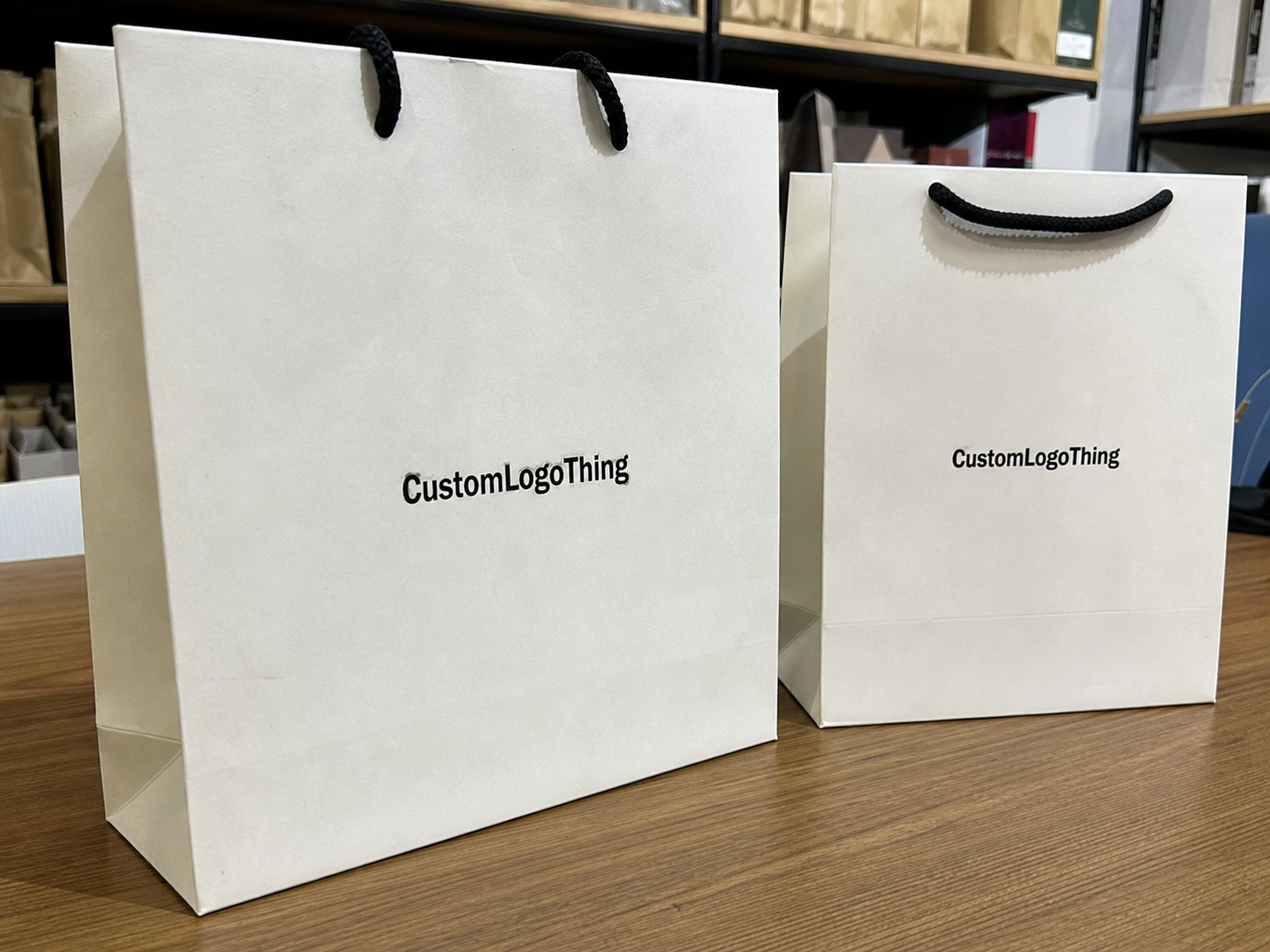
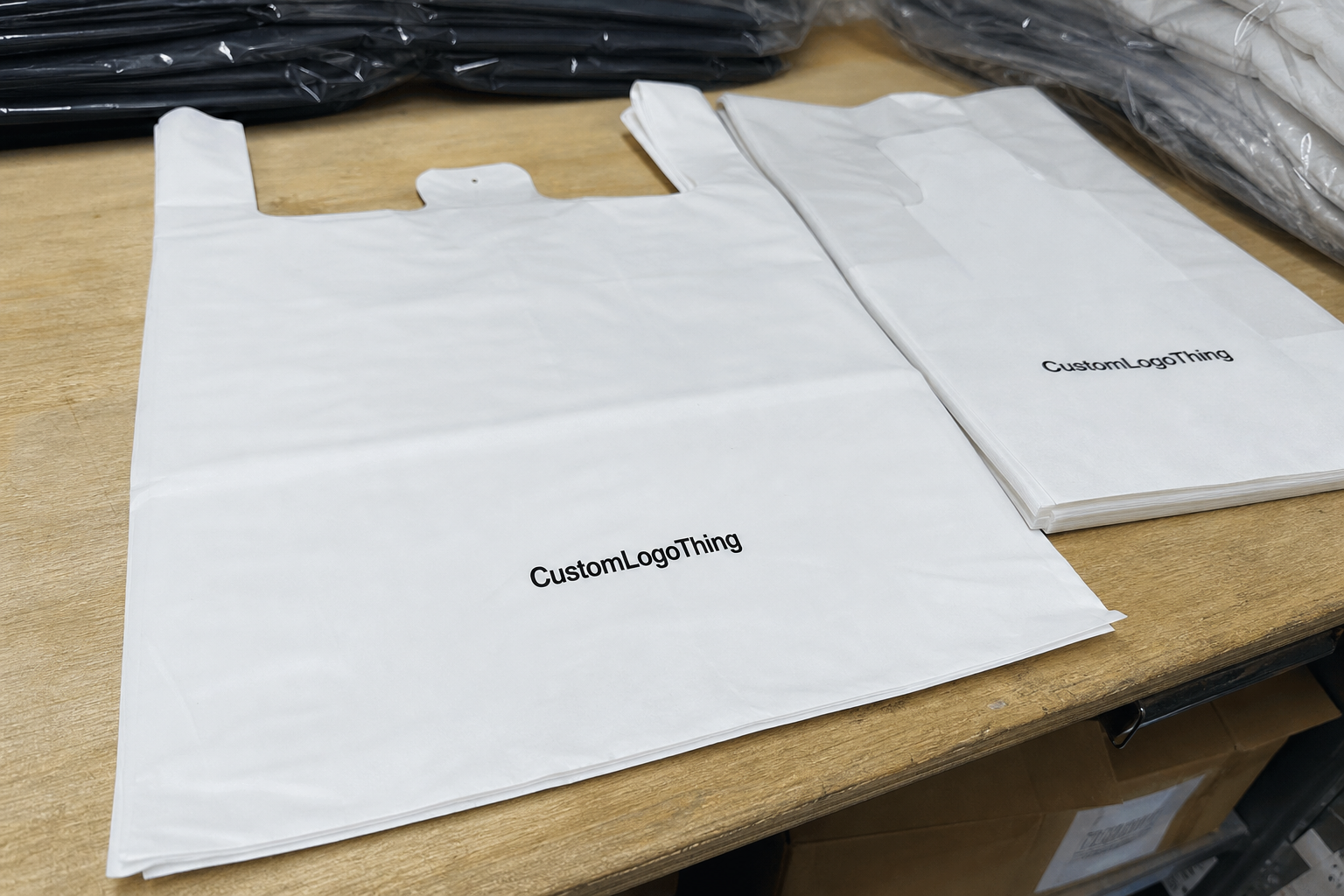
Customizable tote bags bulk orders make sense for one simple reason: a tote keeps working after the initial handoff. It gets used at checkout, at events, in the office, on the commute, and sometimes long after the campaign is over. That repeated exposure is the real value, not just the unit price on a quote.
The better way to judge the purchase is by fit. The bag needs to match the contents, the audience, and the lifespan you want from it. A lightweight giveaway tote, a grocery bag, and a retail canvas bag are not interchangeable. They solve different problems and fail in different ways.
A tote is cheap only if it does the job. If it rips, prints badly, or feels wrong in the hand, the low price becomes an expensive mistake.
Why customizable tote bags bulk beat single-use packaging
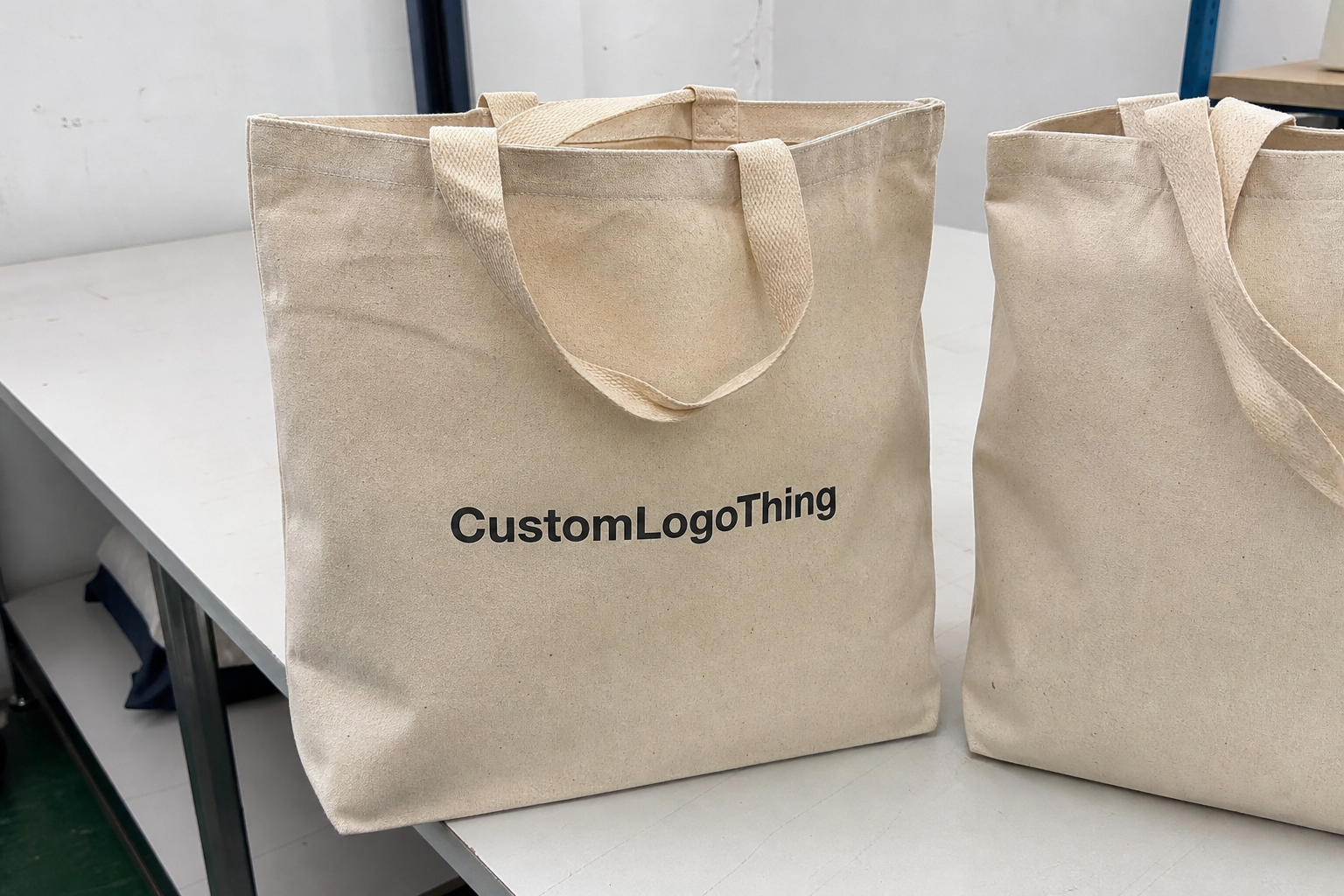
Single-use packaging has one job and one moment. A tote can keep carrying the brand for months. That is why customizable tote bags bulk often outclass disposable Bags for Trade Shows, retail counters, welcome kits, and internal events. The bag becomes a reusable surface instead of trash with a logo on it.
The math is straightforward. One decent tote can hold catalogs, samples, apparel, groceries, or office materials more than once. Every reuse creates another impression without another production order. That matters when the goal is visibility, not just distribution.
Different programs call for different levels of durability. A trade show bag should be large enough for handouts and sturdy enough to survive a full day of carrying. A retail bag should look clean at checkout and still feel useful once the customer gets home. A grocery or field-use tote needs stronger seams, better handle attachment, and a fabric that does not collapse under weight.
That is the part buyers often miss. The right bag is not the most decorative one. It is the one that survives the real use case without looking cheap or failing early.
- Bag weight and fabric thickness.
- Handle style and carry comfort.
- Print area and logo visibility.
- Load expectation for the actual contents.
- Reuse potential after the first distribution.
If the tote is part of a promotion, resale program, or gift set, the reuse factor changes the economics fast. A slightly better bag can outperform a cheaper one if it gets kept and carried instead of tossed.
Material and print details that affect the final bag
Material drives nearly everything: look, feel, load capacity, print quality, and price. The most common options in bulk tote orders are non-woven polypropylene, woven polypropylene, cotton, canvas, and laminated stock. Each has a different place in the market.
Non-woven polypropylene is the practical choice for large promotional runs. It is light, cost-efficient, and available in many colors. It works well for simple logos and straightforward screen printing. Heavier grades feel better and hold their shape more effectively, but they still sit in the promotional category, not the premium retail category.
Woven polypropylene is stronger and more structured. It handles heavier loads better than many light non-woven bags, especially when the seams and handles are reinforced. Buyers usually pick it for grocery programs, utility kits, and situations where the bag is likely to be reused often.
Cotton and canvas bring a more natural, retail-friendly feel. They can look better on shelves and feel better in the hand, but they also cost more and can be less forgiving on price. Common weights range from lighter cotton totes to heavier canvas around 6 oz, 8 oz, or 10 oz. If the bag is meant to be resold, given as a premium item, or used long-term, the extra cost often makes sense.
Laminated bags are useful when the goal is a smoother print surface and a cleaner wipe-down finish. They tend to make graphics pop. They also look more specific, which is fine if the brand wants that polished, high-visibility finish. They are not the right answer for every program.
Decoration methods that matter
Decoration gets overcomplicated fast. Most bulk tote runs use screen print, heat transfer, or full-color graphics. Screen printing is still the workhorse for simple logos and spot-color artwork because it is efficient and consistent on the right material. Heat transfer is useful for smaller runs or more detailed artwork. Full-color printing can work well on smoother or laminated surfaces, but the substrate has to support it.
Print placement matters more than many buyers expect. A centered front logo is usually the safest choice. A small mark near the lower corner can work for premium canvas. Big graphics can look strong, but only if the artwork scales cleanly. Thin lines, tiny text, and soft gradients are where cheap-looking problems show up first.
The material should match the artwork, not the other way around. If the design needs detail, choose a print method that can hold detail. If the bag is for rough handling, choose a substrate that can survive rough handling. That is how customizable tote bags bulk orders stay useful instead of becoming a pile of almost-right samples.
If the tote is part of a larger packaging program, our Custom Packaging Products page is a useful place to compare inserts, labels, and related branded items.
If the bags will be packed with heavier inserts or shipped through multiple handoffs, the ISTA testing framework is a sensible reference point. For paper components or recycled-content claims in the broader program, FSC documentation may be relevant.
Size, weight, and spec choices buyers should lock in
Before a supplier quotes the job, the spec needs to be clear. The important details are finished dimensions, gusset width, handle length, fabric weight, and any closure or reinforcement detail. A tote with a 3-inch gusset behaves very differently from one with a 7-inch gusset once it is filled.
Size should follow the contents. A folded apparel bag, a brochure carrier, and a grocery tote do not need the same proportions. Oversizing raises material use and shipping volume. Undersizing creates a bag that feels awkward even if the print looks good. Neither option is efficient.
Weight capacity deserves direct attention. A bag meant to carry 12 to 20 pounds repeatedly should not be specified like a light event handout. If repeated use matters, ask for stronger seams, better handle attachment, and a fabric weight that matches the load. Saving a few cents per unit is not useful if the handles fail on the first full carry.
- Confirm the exterior dimensions and the usable interior space.
- Check whether the handle drop works for hand carry, shoulder carry, or both.
- Ask for the print-safe area, not just the artboard size.
- Verify the base construction if the bag needs to stand upright.
- Request a sample or spec sheet before approving a large run.
Photos can hide bad proportions. A tote can look balanced in a mockup and still arrive with narrow handles, a shallow gusset, or a logo too close to a seam. A clear spec sheet solves most of that. A physical sample solves even more.
Cost, pricing, MOQ, and quote factors for bulk orders
Pricing is driven by a small group of variables: material, size, print colors, print sides, finishing details, and quantity. Quantity matters because setup cost gets spread over more units. That is why a bag can look expensive at 250 pieces and reasonable at 2,500.
MOQ, or minimum order quantity, is not fixed across the category. A simple non-woven tote may support a lower minimum. A custom shape, premium finish, or complex print job will usually push the floor higher. That is not a sales tactic. It is a production constraint.
For budget planning, these are realistic bulk ranges buyers often see, depending on fabric, size, and print coverage:
| Bag Type | Typical Bulk Use | Relative Durability | Common Unit Range |
|---|---|---|---|
| Non-woven polypropylene | Giveaways, events, retail handouts | Light to medium | $0.45-$1.10 |
| Woven polypropylene | Groceries, repeat-use promotions | Medium to high | $0.85-$1.80 |
| Cotton | Retail, welcome kits, branded merch | Medium | $1.20-$2.90 |
| Canvas | Premium retail, resale, long-life use | High | $2.00-$4.50 |
| Laminated tote | High-visibility promotions, wipe-clean use | Medium to high | $0.70-$1.60 |
Those numbers move with quantity, artwork, and construction details. A one-color front print on a standard non-woven bag is a very different job from a full-color, double-sided canvas tote with custom trim. Freight, packaging, and rush charges can also change the landed cost even when the unit price looks fine.
If you need to lower the unit cost, the most reliable levers are basic:
- Simplify the artwork to fewer print colors.
- Choose a standard size instead of a custom shape.
- Increase the order quantity if storage and distribution can handle it.
Ask for pricing that separates product cost, setup, decoration, and shipping. That gives you a real comparison instead of a headline number that hides the final spend. For repeat programs, ask about re-order pricing and whether the same file can be used again without rework.
Production steps and turnaround from proof to shipment
The production flow is simple on paper and often messy in real life. The usual sequence is artwork review, digital proof, proof approval, material confirmation, production, quality checks, packing, and shipment. Delays usually come from artwork problems, approval lag, or spec changes after the proof is already moving.
Unclear artwork creates revisions. Color matching questions add another proof cycle. Changing the size or print placement after approval can reset part of the schedule. Even a small change can ripple through the line if screens, templates, or material pulls are already set.
For planning purposes, many bulk tote orders land in the range of 12 to 20 business days after proof approval. Simple runs can move faster. More complex, multi-color, or premium constructions can take longer. Shipping adds its own clock, so event-driven orders need a buffer. Tight deadlines and freight delays are not a good combination.
Rush orders exist, but they depend on capacity, material availability, and print complexity. A rush is not magic. It is a compressed production window with fewer chances to correct mistakes. If the artwork is complex or the stock is tight, a rush option may not even be available.
Packing should be part of the conversation early. If the totes need to arrive in set counts, to multiple locations, or with labels for internal distribution, that needs to be built into the plan before production starts. A well-made bag loses value fast if fulfillment is sloppy.
For larger branded programs, our Wholesale Programs page is useful if the tote order is part of a repeat packaging schedule instead of a one-time purchase.
Quality control matters here as much as print quality. Buyers should ask how the supplier checks dimensions, print alignment, seam strength, carton packing, and transit durability. A supplier who only talks about decoration usually misses the part that matters after the shipment leaves the floor.
How to compare suppliers before you place the order
Supplier comparison should be based on measurable details, not polished product photos. The useful questions are basic: Is the material consistent? Is the print clear at scale? Are proofs accurate? Do responses come back quickly? Does the spec sheet actually spell out what is being produced? Those answers matter more than the sales page.
A clean spec sheet is a better signal than marketing copy. If one vendor can tell you exact dimensions, fabric weight, handle construction, print size, and packing format while another stays vague, the first vendor is easier to trust. The same logic applies to reorders. If the construction can be repeated cleanly, that is a real advantage.
Use a simple comparison frame:
- Material consistency: Does every batch match the approved sample?
- Print accuracy: Does the logo sit where the proof shows it?
- Communication speed: Are questions answered before the schedule slips?
- Spec transparency: Are the dimensions and construction details written out?
- Fulfillment support: Can the bags be packed, bundled, or labeled as needed?
That last point gets overlooked. If the totes need to ship to multiple locations, arrive in set counts, or include mixed inserts, the supplier has to handle fulfillment cleanly. A decent product can still become a bad delivery if the packing plan is weak.
If the tote is only one piece of a larger branded package, ask whether the supplier can coordinate the rest without creating extra handoff risk. The fewer loose ends in the order flow, the fewer surprises at receiving.
The best suppliers make the spec obvious. You should know what is being made, what it costs, and what changes if you reorder. If any of that is fuzzy, the quote is not really comparable.
Best next steps for ordering custom tote bags in bulk
To move quickly, gather five details before requesting quotes: target quantity, bag size, preferred material, artwork file, and delivery deadline. Send them together. A logo by itself produces rough pricing. A real spec produces a quote you can actually use.
Then narrow the field to two or three options and compare them on the same basis: construction, print method, MOQ, and landed cost. Review the proof carefully. Check logo size, placement, color callouts, and the relationship between the print and the seams or handles. Once the proof is approved, the schedule should be protected.
The best tote is the one matched to the job first and the budget second. For a trade show, prioritize visibility and carrying capacity. For retail resale, prioritize presentation and hand feel. For field distribution, prioritize load performance and repeat use. That is the shortest route to a tote that actually earns its keep.
Done well, customizable tote bags bulk gives you a reusable carrier, a repeatable spec, and a cost structure that makes sense for the use case. That is better than chasing the cheapest quote and hoping the bag holds together.
FAQs
What affects the price of customizable tote bags bulk orders the most?
Material, size, print colors, and order quantity usually drive most of the cost difference. Setup complexity and rush timing can raise the total as well. A clear spec sheet makes pricing faster and more accurate.
What is the usual MOQ for bulk tote bags?
MOQ varies by construction and decoration method rather than one fixed number. Simpler bags often support lower minimums, while custom shapes or more complex printing may require larger runs. The quote should state the MOQ clearly before artwork approval.
Which tote material is best for repeated use?
Woven polypropylene, canvas, and heavier non-woven options are commonly chosen for repeat use. The right answer depends on the intended load, finish, and budget. A bag that will be reused often should be specified for durability first, then decoration.
How long does production usually take for customizable tote bags bulk?
Lead time depends on proof approval, material availability, print method, and order size. Simple runs move faster than highly detailed or multi-color projects. Build in extra time for proofing and transit if the bags are tied to an event date.
What artwork files are best for custom tote bag printing?
Vector files are usually preferred because they keep edges sharp at production scale. If only a raster file is available, it should be high resolution and print-ready. Supplying clean artwork early helps reduce proof revisions and delays.