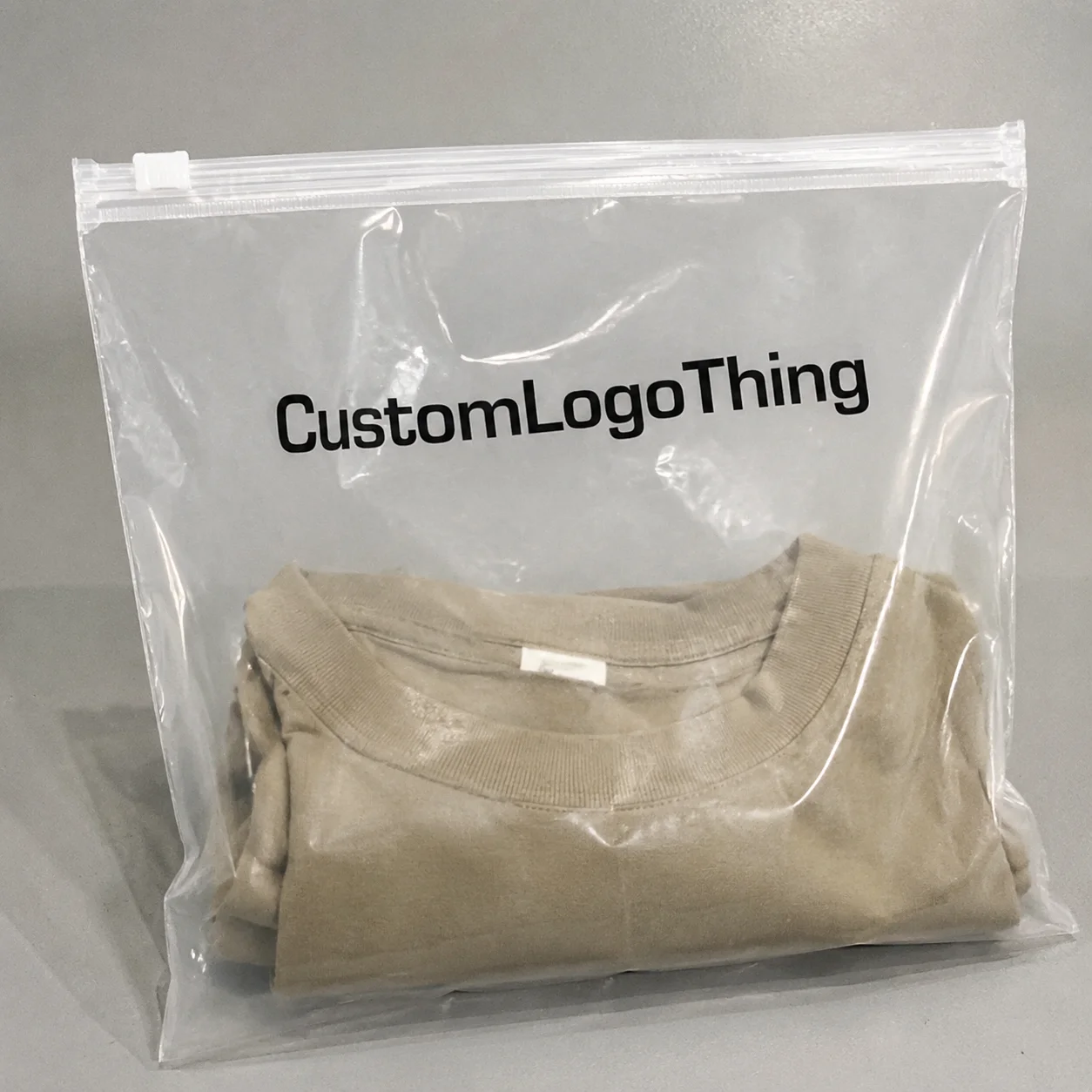
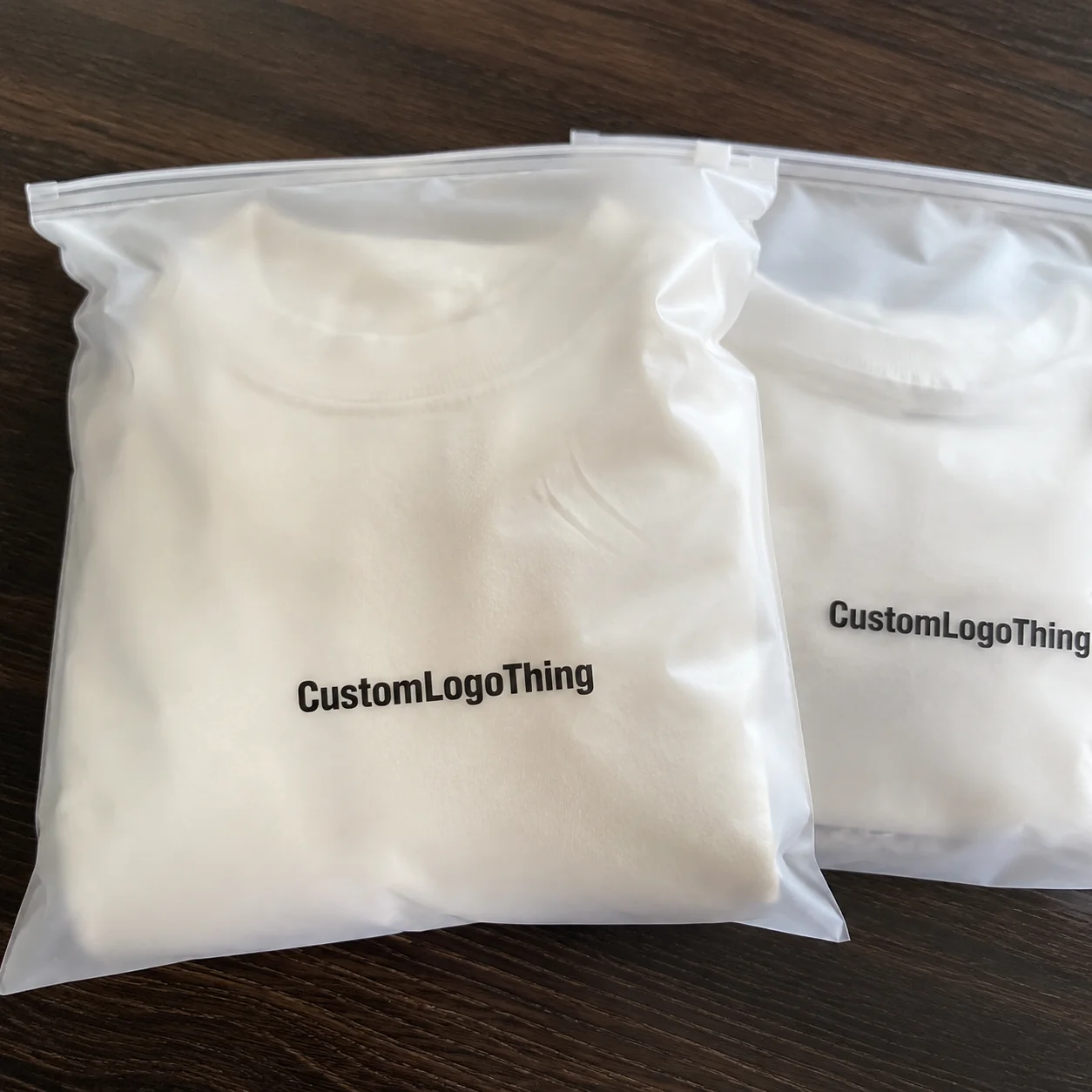
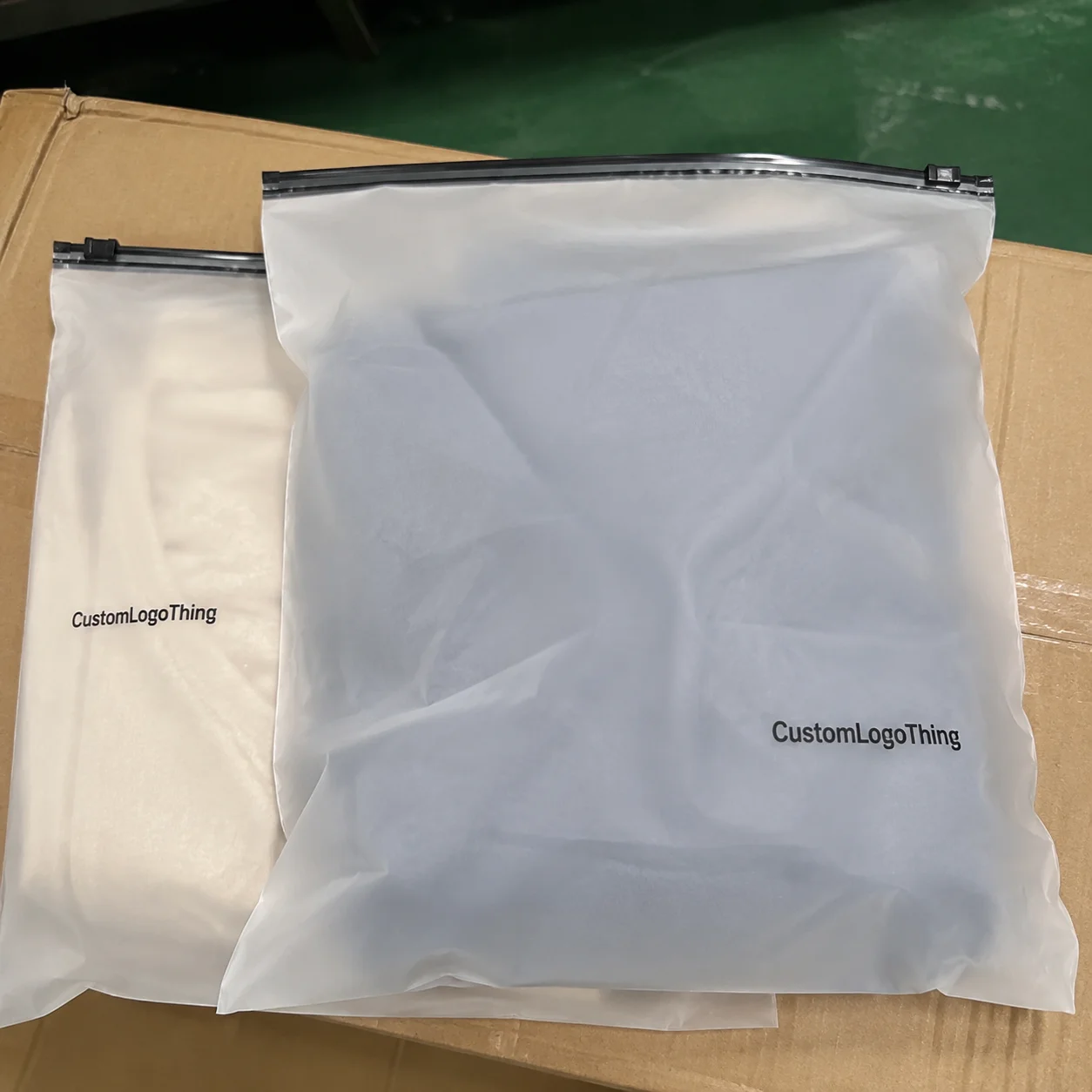
Trade show packaging is unforgiving. One bad poly bag and a clean shirt starts looking like it came out of storage. That is why Garment Poly Bags for Trade show buyers material comparison matters before you place the order, not after cartons are already on the dock.
The first mistake buyers make is chasing the cheapest film. That usually ignores the actual job: protect folded apparel, keep the presentation clean, and survive booth handling without turning cloudy, wrinkled, or split at the seam. If you are sourcing for a show floor, the right bag is not just plastic. It is part packaging, part presentation, part damage control.
Most buyers end up balancing three things: what the garment looks like through the bag, how the bag behaves during packing, and how much the full order costs once freight and setup are included. That is the real decision. Not the sample photo. Not the lowest unit price on paper. The spec has to work in the real world.
Garment Poly Bags for Trade Show Buyers Material Comparison
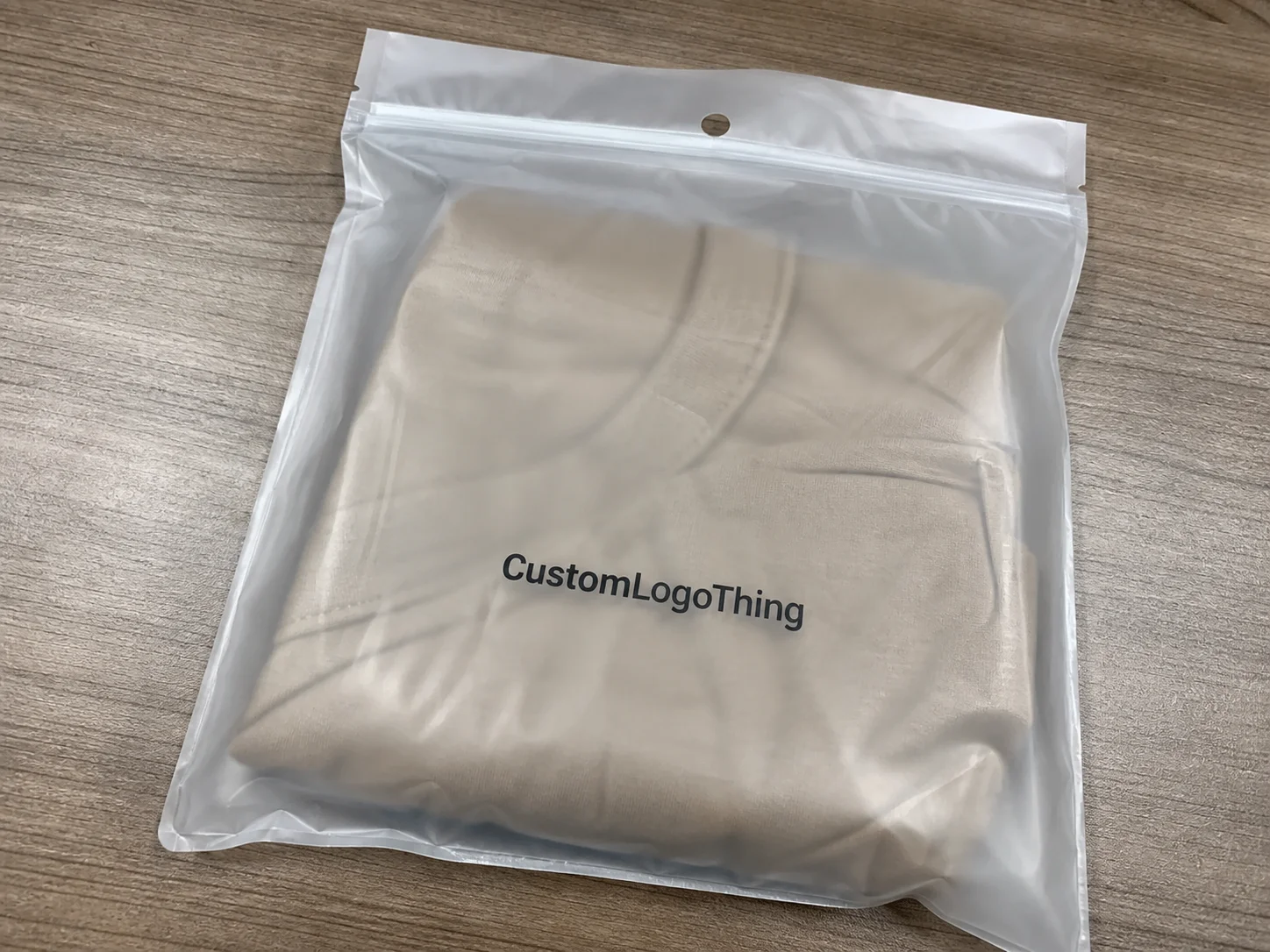
Use Garment Poly Bags for trade show buyers material comparison when you need to choose between presentation and protection, not just pick the cheapest film. A clear bag can make a folded shirt look retail-ready. A dull or cloudy bag can make the same shirt look like spare inventory nobody wanted to handle.
There is a buyer mistake that shows up all the time: assuming a stiffer bag equals a better bag. Not always. A film that is too rigid can crease a folded shirt more during packing and repacking because it resists the shape of the garment and creates pressure points at the fold line. On a crowded booth floor, people do not handle product gently. They grab, stack, shift, and restack. A bag has to tolerate that without making the apparel look tired before the show even starts.
The first decision is not print color. It is whether the bag should showcase the garment, resist abuse, or do both. If the product is premium, clarity matters. If the shipment will move through several hands and carton stages, durability matters more. Most trade show orders sit somewhere in the middle, which is why the spec needs to be built around actual handling, not a wishlist.
There is also a branding effect buyers underestimate. A clear film with a neat logo creates a cleaner first impression than a frosted or hazy bag, even if the garment inside is identical. Apparel teams often compare garment bags the same way they compare Custom Poly Mailers: what the package says about the product matters before anyone opens it.
Here is the practical way to think about it:
- Clarity first if the garment must look display-ready on a rack or table.
- Protection first if the bag will move through freight, storage, or multiple repacks.
- Both if the show order is replacing retail folding and needs to look polished without wasting material.
Packaging buyers who also source outer cartons often pair garment bags with corrugated cardboard shipper boxes for the journey and use the poly bag only as the visible layer. That split makes sense. Use the box for crush resistance and the bag for presentation. Trying to make the bag do both jobs usually raises cost and still leaves the shipment exposed.
“The bag should disappear until you need it to work. If the customer notices the plastic before the product, the spec is already off.”
Film Types That Hold Up on the Show Floor
Film choice decides how the bag feels, seals, and survives handling. The usual comparison is LDPE versus HDPE, with CPP or blended films used when the buyer wants a cleaner premium finish. If the quote only says “plastic bag,” push back. That tells you almost nothing useful.
LDPE is the workhorse for garment packaging. It has good clarity, a flexible feel, and reliable seal strength. For folded tees, polos, and lightweight woven shirts, LDPE usually gives the best balance. Typical gauges often land around 1.5 mil to 3 mil, depending on size and handling needs. Thinner than that and the bag starts feeling flimsy. Much thicker and the cost jumps fast without a matching benefit.
HDPE is cheaper and stiffer. It can work for basic protection, but it usually looks less premium and can feel noisier in hand. That crinkly behavior does not help a trade show display if the goal is clean presentation. Still, for low-cost bulk inserts or internal packing, it can be fine. Buyers choosing HDPE usually do it because they care more about cost control than appearance.
CPP and certain blended films bring a smoother, more refined look. They are often used when the garment needs a better visual finish or a bit more stiffness without going full rigid. They are not always the cheapest route, but they can improve shelf appearance enough to justify the difference on higher-value apparel.
If moisture, scuffing, or static is a concern, specify it early. Ask about anti-static additive, venting, or a higher-barrier film. That matters when garments are packed in warm warehouses or transported across climates. A film that traps condensation can leave the package looking fine and the garment feeling wrong. Great combination. Said nobody at the show.
Buyers asking for sustainable options should separate marketing language from actual material choice. Some suppliers can offer recycled materials or film with post-consumer waste content, but the clarity and seal profile may change. If sustainability is a requirement, ask for the exact percentage and whether the film is suitable for print registration and fold presentation. If the program requires FSC certified carton inserts or hang tags, that is related but not the same as the bag itself.
For brands considering broader packaging systems, compare the garment bag against other transport packaging like paper wraps or kraft paper sleeves. Those can work for some apparel lines, but they usually do not offer the same moisture resistance or visual clarity as film. Paper also changes how a folded garment slides in and out during packing, which can slow operations if the team is handling high volume.
| Material | Best Use | Typical Look | Common Tradeoff |
|---|---|---|---|
| LDPE | Retail-ready folded apparel | Clear, flexible, smooth | Slightly higher cost than basic HDPE |
| HDPE | Budget packing, inner protection | More opaque, crisp, noisy | Less premium presentation |
| CPP | Premium display apparel | Sharper, cleaner finish | Higher cost, not always needed |
| Blended film | Balanced presentation and handling | Depends on formulation | Requires tighter spec control |
If you need a supplier that handles related packaging too, it helps to compare garment bags with other product lines such as Custom Packaging Products. Sometimes the same vendor can quote apparel bags, inserts, and booth shipping materials together. That saves coordination time and usually cuts the number of revision cycles.
Specs That Decide Fit, Seal, and Shelf Life
Width, gusset, and length matter more than most buyers think. If the bag is too tight, it distorts the garment and slows packing. If it is too loose, folded shirts slide around and the stack looks sloppy. That is why the spec sheet needs actual garment dimensions, not a guess based on a similar order from last year.
Closure style matters just as much. Open top, resealable flap, adhesive strip, header, and hang-hole configurations all change the production setup. A simple open-top bag is usually the lowest cost. A resealable flap helps if garments will be opened and re-bagged during the show. Header packs can work for retail-style hanging, but they add complexity and can raise the reject rate if the hang-hole punches drift out of alignment.
For printed bags, confirm where the logo lands after folding so branding stays visible on the table and in the booth crate. A logo printed dead center on the flat bag can disappear once the garment is folded and packed. That is not a design flaw. That is a spec failure.
Ask for a tolerance sheet on dimensions and gauge. Good suppliers can give you a realistic range, often within a few millimeters on size and a narrow gauge tolerance depending on film type. You want that sheet before approval, not after the first delivery shows up a little shorter than expected. A lot of buyers only notice the mistake once the packing team starts forcing garments into bags that should have been rejected on sight.
Practical spec checklist:
- Folded garment width, depth, and height
- Bag width and length
- Gusset requirement, if any
- Film type and gauge range
- Closure style
- Print area and logo placement
- Carton pack count
From a presentation point of view, clear bags also help if the booth uses mixed materials. A neat film package sitting beside biodegradable packaging inserts or branded paper collateral can feel more intentional than a random stack of unmarked bags. The catch is consistency. If one component looks premium and the rest look rushed, buyers notice. So do customers.
For brands shipping a mix of garments and non-garment accessories, it is often smart to standardize packing methods across the order. Otherwise you end up with one good-looking component and two mediocre ones, which defeats the point of having packaging standards at all.
Another detail that gets skipped: seal style. Heat seals are common and cost-efficient, but the seal width and strength need to match the film gauge. Too narrow and the bag can split during carton compression. Too wide and you waste material for no real gain. A resealable adhesive strip may help with re-bagging, but it adds cost and can collect dust if the film sits too long before use.
Cost, Pricing, and MOQ Tradeoffs Buyers Need
Unit cost is driven by film type, thickness, size, print colors, and whether the bag needs custom tooling or special finishing. That sounds obvious, but buyers still ask for pricing without sharing the basics. Then the quote comes back all over the place. Fair enough. Garbage-in pricing is still garbage.
For small to mid-size custom runs, a plain printed LDPE garment bag might land somewhere around $0.18 to $0.35 per unit depending on size and quantity. HDPE can be lower. CPP or premium blended film can move higher, especially with multiple print colors or tighter presentation requirements. These are working ranges, not guarantees. Exact pricing changes with resin costs, line speed, and how much setup the order needs.
MOQ usually rises with custom sizes, thicker gauges, and multi-color printing. Stock sizes are the fastest way to lower the barrier. If your team can work with a standard dimension and a one-color logo, the order usually gets easier and cheaper. If the bag has to be a custom size, expect more setup and a higher minimum. That is production reality, not a negotiation tactic.
Freight, setup, and proof charges can erase a low quote fast. That is why you compare landed cost, not headline price. A supplier quoting a lower unit price but charging more for tooling, cartons, or shipping can end up more expensive than the quote that looked higher at first glance.
For trade show budgets, a slightly thinner spec can save money if the garment is already folded, protected, and shipped in cartons. That is a real tradeoff. Don’t overbuild the bag just because thicker sounds safer. If the package never leaves a controlled environment, paying for extra gauge may just be expensive habit.
One useful comparison is how garment bags sit inside a broader packaging budget. If you are also ordering shipping materials or booth inserts, it may be smarter to balance spend across the full kit. A strong box from corrugated cardboard with a clean poly bag inside often beats an overbuilt bag and a weak shipper outside.
| Quote Driver | Lower Cost Choice | Higher Cost Choice | Buyer Impact |
|---|---|---|---|
| Film | HDPE | LDPE / CPP | Appearance and handling change |
| Gauge | Thinner film | Thicker film | Better stiffness, higher price |
| 1 color | Multi-color | Setup and registration get more expensive | |
| Size | Stock dimension | Custom dimension | MOQ and tooling usually rise |
Buyers should also ask whether carton pack counts align with their booth workflow. Ten bags per inner pack might be convenient for one team and inefficient for another. If the show staff is unpacking under time pressure, carton configuration matters almost as much as the film. Small operational details are usually where the annoying delays hide.
Process and Timeline From Quote to Delivery
A clean quote starts with dimensions, quantity, film preference, print count, and delivery location. Vague requests create slow, messy pricing. If you send “need garment bags for shirts,” expect follow-up questions. Many of them. Probably deserved.
Proofing should confirm artwork placement, bag size, and seal style before production starts. That is where most delays are avoided. A good proof shows the logo position, overall dimensions, and any copy that prints near the fold or seam. If the proof is sloppy, production will be worse. There is no mystery here. The proof is the warning label.
Sampling is worth it when the bag must feel premium or fit a high-value garment line. Skipping it can cost more later, especially if the film is too cloudy, the seal is weak, or the logo lands in the wrong place after folding. A sample is cheap compared with a full rerun.
Typical timing often looks like this:
- Quote stage: 1-2 business days if specs are complete
- Proof stage: 1-3 business days, longer if artwork changes
- Production: often 12-15 business days after approval for standard custom runs
- Freight: depends on method, destination, and carton count
Build in production time, packing time, and freight time separately so the booth arrival date is protected. Trade show schedules are not forgiving. If the bags arrive the day before load-in and one carton gets delayed, there is no elegant recovery plan. There is just panic and a very bad morning.
For buyers who need multiple packaging items, it helps to align the bag order with other components like inserts or outer mailers. If you are also ordering Custom Poly Mailers, ask whether the supplier can coordinate carton counts, artwork timing, and shipping windows across both items. Fewer vendors means fewer failure points. Fewer handoffs usually means fewer mistakes.
Good suppliers also reference testing or handling standards when appropriate. For shipping or transit-related packouts, ask whether the package has been considered against common test methods like ISTA protocols. For material and sustainability questions, packaging buyers often review resources from the EPA as part of internal compliance work. Not glamorous. Still useful.
One more practical point: ask how the bags are packed for shipment. Inner packaging, carton labeling, and pallet stacking affect whether the bags arrive flat and usable or scuffed and curled. A supplier can make a technically correct bag look bad if they pack it carelessly.
Why Spec-First Suppliers Win Repeat Orders
The useful supplier is the one that asks for your garment type, folding method, and event date before talking about price. That sounds basic because it is. If a vendor starts with a generic quote before understanding the product, they are guessing. Guessing is not sourcing.
Repeat business comes from consistent film quality, predictable gauge, and proofs that actually match the final run. A bag that looks right on one order and different on the next creates extra work for your team and makes the booth display look inconsistent. Nobody wants to explain why the shirts suddenly look cheaper this week.
Good suppliers flag weak artwork, oversized logos, or unrealistic timelines before they become expensive problems. That is the difference between a vendor and a packaging partner. One takes the order. The other saves you from a remake. You want the second one, even if the first one looks cheaper for about five minutes.
If a vendor cannot explain resin grade, seal method, or packaging count per carton, they are selling noise, not packaging. You need specifics. You need ranges. You need someone who can tell you whether your spec belongs in LDPE, HDPE, CPP, or a recycled-content film, and why.
There is also a sustainability filter here. If your brand wants to reduce impact, ask whether the bag can be made with recycled materials or post-consumer waste content without destroying clarity. Some programs can. Some cannot. Buyers often try to solve that problem with a label instead of a material spec. That rarely works.
For some apparel buyers, the better answer is a hybrid packout: strong box, clean poly bag, minimal inserts, and maybe FSC certified paper where print collateral is needed. That keeps the package clean while avoiding overengineered materials that add cost without adding value. It also reduces the number of materials the booth team has to sort through under pressure.
Next Steps to Lock the Right Bag Spec Before You Order
Measure the folded garment, decide whether clarity or stiffness matters more, and choose the film that fits that job. That is the real starting point. Not the logo. Not the price. The job.
Set your target quantity, acceptable MOQ, and delivery date before you request quotes so suppliers give comparable pricing. If one vendor quotes 5,000 units and another quotes 10,000, you are not comparing the same offer. You are comparing two different packages and pretending they are equal.
Ask for one quote on your preferred spec and one on the cheaper backup option. The gap usually tells you where the real tradeoff sits. Sometimes the difference is tiny and the premium bag is worth it. Sometimes the cheaper film gives you 90% of the result for a much better landed cost. That is why Garment Poly Bags for trade show buyers material comparison should happen before the PO, not after complaints start.
Before you send a PO, run the same Garment Poly Bags for trade show buyers material comparison across two film options so the decision is obvious. If one bag shows the garment better, seals cleaner, and stays inside budget, that is the one. If not, go with the one that protects the product and keeps your schedule intact. Packaging does not need to be glamorous. It just needs to do the job without making you pay twice.
Which material is best for garment poly bags for trade show buyers?
LDPE is the default when clarity and smooth seals matter most. HDPE can reduce cost, but it usually looks less premium. Use CPP or a clearer blended film when the garment needs a higher-end presentation.
What MOQ should I expect for custom apparel poly bags?
Stock sizes typically carry the lowest MOQ. Custom sizes, thicker gauges, and printed bags usually push minimums higher. Ask for tiered pricing so you can see the exact breakpoints before you commit.
How are garment poly bag prices calculated?
Film type, thickness, dimensions, print colors, and closure style drive the unit cost. Setup, proofing, and freight can matter more than the bag price on small runs. Compare landed cost, not just the headline unit price.
What lead time should I plan after proof approval?
Simple reorders move faster than new custom sizes or new artwork. Sampling, tooling, and transit all add separate time blocks. Build buffer before the booth ship date because freight delays do happen.
What should I send for an accurate quote on trade show garment bags?
Send folded garment dimensions, quantity, material preference, print count, and ship-to ZIP. Add whether the bag needs clarity, stiffness, moisture resistance, or hang-hole placement. A photo or sample makes the quote tighter and usually faster.