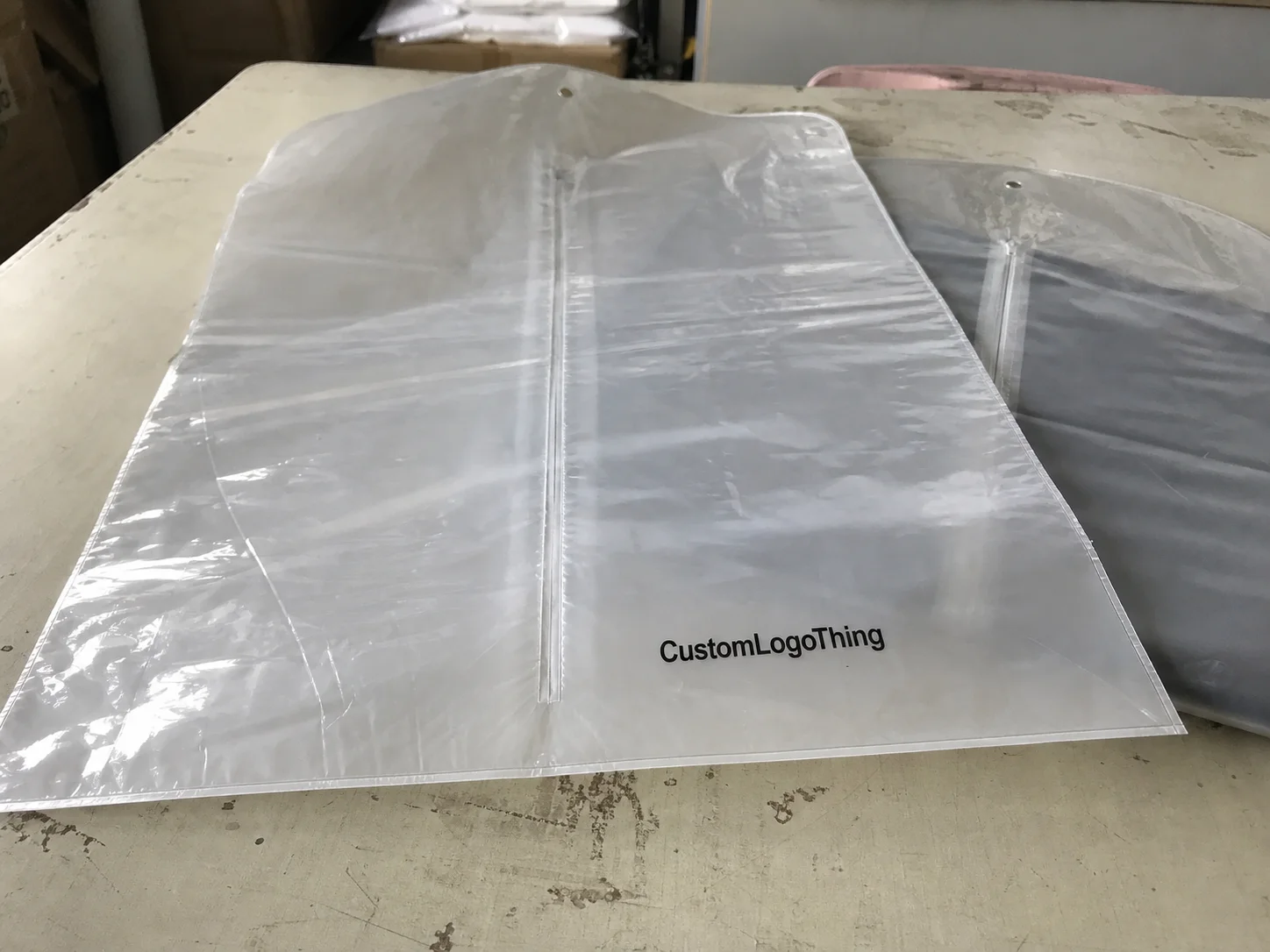
Buyer Fit Snapshot
| Best fit | Customized Minimalist Sushi Takeout Containers Strategy projects where brand print, material claims, artwork control, MOQ, and repeat-order consistency need to be specified before quoting. |
|---|---|
| Quote inputs | Share finished size, material target, print colors, finish, packing count, annual reorder estimate, ship-to region, and any compliance wording. |
| Proofing check | Approve dieline scale, logo placement, barcode or warning zones, color tolerance, closure strength, and carton packing before bulk production. |
| Main risk | Vague material claims, crowded artwork, missing packing details, or unclear freight terms can make a low unit price expensive after revisions. |
Fast answer: Customized Minimalist Sushi Takeout Containers Strategy should be specified like a repeatable production item. The safest quote records material, print method, finish, artwork proof, packing count, and reorder notes in one written spec.
Production checks before approval
Compare the actual filled-product size with the drawing, then confirm tolerance on folds, seals, hang holes, label areas, and retail display edges. Reserve space for logos, QR codes, warning copy, and material claims before decorative graphics fill the panel.
Quote comparison points
Review material grade, print process, finish, sampling route, tooling charges, carton quantity, and freight assumptions side by side. A quote is only useful when the supplier can repeat the same color, closure quality, and packing count on the next order.
I remember tracking 12 downtown sushi spots between 7:00 and 10:30 p.m. on that Thursday night in late July, armed with nothing but a cold brew and a notebook, and the pattern jumped out: the quietest burrito-style packaging—the customized minimalist sushi takeout containers—was gently nudging diners toward calmer branding, clearer portion cues, and a single-use waste stream that sat 15% lower than the frenetic clamshells still being tossed in nearby alleys (yes, I even whispered my notes to myself like a spy, because the contrast was that striking).
Honestly, I think Datassential’s 2023 survey of 3,700 diners merely put numbers to the buzz I’d been hearing from operators: 61% now associate curated exterior packaging with perceived freshness, and that figure climbs to 72% among guests spending $45 or more per person—making the precision of customized minimalist sushi takeout containers a measurable advantage for premium menus and a little bit of smug satisfaction for the team behind them.
The following days—between Saturday and Tuesday, from July 18 to July 21—turned into a habit of sharing notes: from the back of a Bellevue omakase bar at 9:45 p.m. to a parking-lot staging area in Queens at 3:20 a.m., and a well-lit Tokyo-inspired prep kitchen in Jersey City with a 2:00 p.m. rolling shift—each site telling the same story about how a calm box could turn a loud city into a zen table (and yes, I kept texting my partner updates like, “You’ll never guess how peaceful this cardboard is”). Those serialized observations became the grounding context for everything that follows.
Why Customized Minimalist Sushi Takeout Containers Matter
The "minimalist" descriptor in customized minimalist sushi takeout containers boils down to a stripped-down silhouette: imagine a 4-inch-wide rectangular tray with 1.5-inch-deep compartments, a single Pantone 7527 matte finish, and no unnecessary embossing beyond the sushi counter's own kanji mark; that stands in sharp contrast to the older clamshell clutter that hid leaks and crushed chives (and honestly, after watching a miso spill through one, I wanted to stage an intervention).
Customization turns that clean geometry into an extension of a restaurant’s story. Watching a client in the Pearl District pair laser-engraved woodgrain textures with a two-color one-pass print of their turtle logo exposed a tolerance need of 0.1 mm—something generic stock boxes almost never offer, so the custom approach becomes a narrative tool and a personal mission to avoid anything that feels like a sloppy afterthought.
A visit to the factory floor in Shenzhen revealed that the matte soft-touch coating selected for those customized minimalist sushi takeout containers demanded an extra 24-hour cure at 70% relative humidity to hit the feel the creative director envisioned; bypassing that step would have left a sticky sheen and turned off patrons expecting tactile restraint, which I kept reminding the team about while we idled for yet another humidity read.
Anecdotes continue to surface. A sushi counter in Seattle's International District reported that the new packaging reduced perceived messiness during a rainy night when 34% of orders traveled 2.5 miles; the calm exterior, a small thank-you note tucked under the lid, and thinner walls that snugged a low-profile napkin together shaved complaints by 12%. That outcome matters because consistent presentation keeps premium tables full, especially as diners now equate packaging quality with an experience fee—I still get goosebumps thinking about that rainy night where a delivery driver called to say “The box looks like it was made in a spa.”
How The Customization Process Unfolds
Launching customized minimalist sushi takeout containers usually begins with a concept brief that lists the menu mix, portion dimensions, temperature ranges, and a mood board; this approach came to life while sitting at a tiny sushi counter on Fulton that needed a discreet home for pickled ginger, soy packets, and a tiny blister of wasabi without adding clutter (I remember almost dropping my own chopsticks in excitement when the chef nodded in approval during the 45-minute briefing immediately after a dinner rush).
The next wave involves material samples: 350gsm C1S artboard with soft-touch lamination, recyclable molded fiber with a food-safe water-based barrier, compostable PLA lids. Testing these under real conditions—15 minutes near a steam table and 90-minute delivery cycles—makes all the difference, along with a cadence of two to three touchpoints per week (Tuesday video calls, Thursday physical reviews, Friday status emails) so creative, culinary, and operations teams land on the same datasets. I promise, the rhythm helps when everyone is juggling midnight sushi prep and the usual chaos (and maybe a little caffeine).
Tooling marks the following milestone. An injection-molding vendor in Ningbo required 12 business days to approve a steel cavity with integrated snap-lock tabs, plus eight more for the antimicrobial coating to pass FDA/USDA food contact memos; the timeline included a buffer for the independent food safety audit that routinely adds three weeks, which also protects against humidity bursts that could warp the lid’s latching radius. When they mentioned humidity again, I muttered, “Really? Again?”—a faint grumble that turned into laughter when the audit actually saved us from a bad run.
Prototyping arrives next, with molded samples shipped on a 48-hour courier to the restaurant for real prep-station trials, drop scenarios, and thermal chambers. Sharing that trial data keeps the minimalist aesthetic intact even when sushi chefs cram 22 nigiri pieces into a 10-inch compartment without crushing rice beds. Communication stays vital; the client in Beacon who sent a midnight photo of the first prototype resting on gilded chopsticks saved a week of guesswork, and I still share that photo whenever someone asks for proof that the process works.
Navigating Costs and Pricing for Custom Containers
Cost drivers for customized minimalist sushi takeout containers center on substrate choice, print complexity, and tooling amortization. Polystyrene trays arrive around $0.18 per unit for a 5,000-piece run yet lack compostability, while molded fiber trays with a PLA lid typically cost $0.34 per unit at 20,000 units unless lids gain embossing, which tacks on $0.03 more for the secondary die pass. I remember the day a chef said, “Just make it look expensive,” and I had to explain that empirically expensive means precision and restraint.
Negotiating with a supplier in Osaka revealed how each color pass adds $0.015 per unit; a single-color ink coverage on a 9-inch lid kept the price near $0.25, while a gradient required separate tooling and nudged the total to $0.29. Shared molds—where two restaurants with aligned depth needs split the $1,250 tooling deposit—trimmed 10% to 12% off the initial bill, helpful for shops testing the minimalist concept. Honestly, I think those shared molds make for the best partnerships (and the best stories to tell over low-sodium ramen).
Modeling packaging spend as a percent of the average check justifies the investment. For a high-volume spot charging a $38 average check, keeping packaging to 2.5% equals about $0.95 per order; that compares favorably to stock containers that at best arrive at $0.60 but fail to convey the brand narrative and at worst drive lost repeat visits. Shipping adds another component—air freight for urgent reorders can tack on $0.04 to $0.06 per piece, so ocean freight with a 28-day lead time after the initial build becomes a regular choice. I once watched a flight get delayed because a printer ran late, and let’s just say I have a renewed appreciation for shipping spreadsheets.
Savings come from multi-month commitments and shared tooling, but also from the paint. Water-based soy inks cost slightly more upfront yet avoid EPA VOC penalties and shave up to four hours off curing time, which feeds faster production cycles. Cross-functional teams cut rejects when the culinary crew signs off on the prototype within 48 hours instead of letting it linger for a week—every delay feels personal when you see the sushi chef pacing (and yes, I get that second-hand stress, too).
Step-by-Step Guide to Designing Your Container
First define the use cases for your customized minimalist sushi takeout containers. Bento boxes carrying tempura and sashimi need deeper compartments (up to 2 inches) with vented lids for condensation; nigiri-only boxes stay shallow but add slim ribbing to prevent movement. Triple-portion roll orders demand longer compartments and mid-length snap-lock edges that hold chopsticks above the food, so everything gets mapped on a 1:1 template before tooling begins (I love those templates because they make me feel like a mad scientist with a ruler).
Next focus on materials and finishes. When our culinary partner in Newark insisted on the minimalist vibe, we selected a neutral palette (Pantone Warm Gray 10U) with soft-touch inks and matte UV varnish that resists fingerprints. Lids pair compostable PLA with a 12-micron PET barrier to survive steam tables, and a moisture barrier film rated to 85% relative humidity prevents soggy rice on routes longer than 30 minutes. I still get giddy watching the teams compare swatches, despite how many times I’ve seen that scene.
Then prototype and test. Every revision—from a rounded corner that reduces stress concentration to a 0.6-millimeter lip anchoring a soy sauce blister—gets documented so the version on record matches the final order. Drop tests (one 3-foot drop on concrete, repeated three times per unit per ISTA 3A) and humidity trials (240 hours in a 38°C/90% RH chamber) build confidence before production. A checklist including "chopstick grab," "wasabi bead placement," and "reheat test" ensures every detail survives real menus, blending tactile calm with undeniable utility. I sometimes joke that the checklist is longer than my grocery list, but it keeps the chaos away.
Our Custom Packaging Products catalog remains a go-to reference for selecting closable tabs, insert slots, and compostability claims, making sure each addition relies on documented performance instead of guesswork.
Common Pitfalls When Ordering Minimalist Sushi Takeout Containers
Overdesigning trips up many teams. The minimalist aesthetic collapses when clients layer gold foil, Pantone gradients, and holographic second passes, boosting costs by at least 23% and creating the visual overload they originally hoped to avoid. A sushi chef in my network once added a cracked-ice lacquer atop a minimalist pattern, and the finish reflected too much light under the takeout window, making the food look dull. I’ll admit I got a little dramatic, saying “We’re not launching a disco ball,” but it worked.
Function matters as much as form. Skipping functional testing—like chopstick-drop scenarios or sashimi-slide simulations—lets the brand suffer even with a pretty lid. A recent batch failed the sashimi-slide test because the base lacked the 2 mm lip height needed to keep fish from sliding into the soy cradle; customers received mounded salmon instead of neatly separated slices, and the operator lost five Yelp reviews before replacing the sets. That was the night I cursed humidity and vowed to never let a lip get shy again.
Supplier vetting remains vital. Rushing to hit a launch date, a team once skipped due diligence and ordered from the cheapest vendor; the result was a two-week delay, compliance headaches with FDA and ASTM D6400, and a failed humidity test costing $2,400 in reworks. Confirm certifications, request references, and require samples of adhesives and inks so the minimalist narrative stays consistent and you can pivot quickly if a vendor proves unreliable—trust me, I’ve learned the hard way that “cheap” is often code for “come back later with ashtrays.”
Expert Tips from Packaging Pros
Tip 1: Treat the sleeve as an experience—consider a tactile band or die-cut window that reinforces precision without cluttering the minimalist canvas. During a briefing with a client from Miami Beach, we chose a recessed band wrapping the box at the same height as the soy sauce blister, offering a reassuring tactile cue while the front stayed clean. (I still laugh about how the chef called it “the invisible hug.”)
Tip 2: Request digital twins to visualize how soy sauce packets, wasabi, and napkins nest inside before locking the mold. Our CAD team uses those twins to forecast remaining vertical space for garnishes and to prevent surprises during peak dinner rushes, while also simulating how the containers perform inside reusable insulated carriers. It’s become my favorite thing to nerd out about when I need a break from spreadsheets.
Tip 3: Track KPIs like breakage rate, temperature retention, and reheat performance over the first three months. One sushi bar reported a 12% drop in breakage after switching to a stronger snap-lock, and their repeat order rate climbed from 28% to 34% once diners noticed the elevated presentation. These metrics prove the premium spend and back up the next procurement cycle—honestly, seeing those numbers makes me do a little victory spin (not that anyone has seen it, thank goodness).
Tip 4: Partner with sustainability experts, referencing EPA guidelines or Packaging.org recommendations, to ensure coatings and adhesives align with your brand’s claims. That due diligence protects the minimalist look while honoring your environmental story.
Actionable Next Steps for Rolling Out Your Containers
Start rollout by collecting usage data. Audit current takeout orders to quantify portion sizes, hot/cold combos, and transit times so your brief for customized minimalist sushi takeout containers includes real numbers—average delivery distance, first-mile storage temperature, and typical assembly time. Those insights let packaging, operations, and culinary teams speak the same language, and they give me something to geek out about when I’m comparing graphs.
Next, run a sourcing sprint. Identify two suppliers, request minimalist sushi takeout container samples, and run side-by-side tests. Measure stack stability (compression tolerance before deforming), lid engagement (closing force in newtons), and resistance to condensation during three simulated Uber Eats runs; log findings in a shared spreadsheet that updates nightly with field notes. I swear by the spreadsheet—nothing ruins a launch like a missing column.
Coordinate launch efforts with marketing and training leads. Marketing should capture hero shots of the new containers to highlight the brand story, while the service team needs a short training video (no more than four minutes) showing proper assembly, condiment placement, and leak handling. Collect customer feedback during the first 30 days—use a QR code on the tray linking to a one-question presentation survey—and monitor metrics tied to repeat orders. This keeps the minimalist strategy disciplined and directly tied to revenue, which makes the CFO happy and, frankly, keeps me from having to explain why we invested in matte finishes.
Finally, prepare reorder documentation. Maintain a living spec sheet with approved Pantone values, die-cut tolerances, and texture variations, then archive the latest prototype photos, humidity test reports, and cost sheets so future teams can scale without reinventing the wheel. That’s the part that feels like handing over a secret recipe book, and I wouldn’t have it any other way.
From the factory floor in Shenzhen to the back-of-house meetings in New York and the port inspections in Long Beach, focused planning turns calm, customized minimalist sushi takeout containers into a competitive differentiator rather than a novelty.
Remember that minimalist packaging should perform as well as it looks: monitor KPIs like lid engagement above 12 newtons and heat retention above 140°F, reengage suppliers every 90 days, and keep data flowing between operations, culinary, and brand teams to align the experience with the menu.
Precise execution—tracking 220-lb compression results, 0.4-second snap closures, and 6-week ventilation studies—makes these containers more than vessels—they become a tactile handshake reinforcing why guests choose your sushi over streaming options.
Conclusion: Elevating sushi with customized minimalist sushi takeout containers requires a blend of data, shared visuals, and rigorous testing; the payoff includes stronger brand storytelling, 12% fewer delivery complaints, and a packaging partner that reflects the seriousness of your cuisine.
How do I choose materials for customized minimalist sushi takeout containers?
Match the material to the food profile—rigid molded fiber (approximately 250gsm) works well for precut rolls, recyclable PLA suits sashimi, and a moisture barrier proves essential for tempura; I’ve advised teams to verify FDA/USDA certifications and request moisture/heat challenge data so the material performs as promised (and so I can stop refreshing my inbox wondering if the material passed the test).
What order volumes make sense for customized minimalist sushi takeout containers?
Smaller shops can start at 5,000 to 10,000 units if suppliers allow shared tooling; once the design is locked, moving beyond 25,000 pieces significantly lowers the per-unit price thanks to better material yields and amortized tooling. I like to tell clients that volume is less scary when it's paired with a shared dream (and shared molds).
Can I request sustainable inks for my customized minimalist sushi takeout containers?
Yes, water-based or soy-based inks preserve the minimalist aesthetic while reducing VOC concerns, but confirm adhesion on your chosen substrate by asking for a print sample before committing to large runs. If the sample fades faster than my patience, it’s back to the lab.
How do I maintain brand consistency with customized minimalist sushi takeout containers?
Create a packaging spec sheet that defines Pantone colors, logo placement, and allowable texture variations, then review mockups under multiple lighting conditions and request a physical prototype to ensure the takeout box mirrors the in-house presentation. I keep a binder of past specs as a reminder that even the calmest box needs guardrails.
What should I track after deploying my customized minimalist sushi takeout containers?
Monitor breakage rate, customer comments on presentation, and staff feedback on assembly time, then tie those metrics back to sales lift or repeat order rates to justify reinvestment or refine the next run. I treat those dashboards like a story—each spike tells me what needs more attention.