Customized Shipping Box: Specs, Cost, and Ordering
A strong product can still look careless if it arrives in a crushed, oversized carton. A customized shipping box fixes the mismatch by connecting the package to the product, the carrier environment, the packing process, and the customer’s first physical impression of the order.
What a Customized Shipping Box Actually Does
Picture a $65 skincare set showing up in a box sized for hiking boots. The jars roll around inside with a little paper void fill, the corner is dented, and the shipping label covers the only clean panel. The brand paid for extra dimensional weight and still managed to look underprepared.
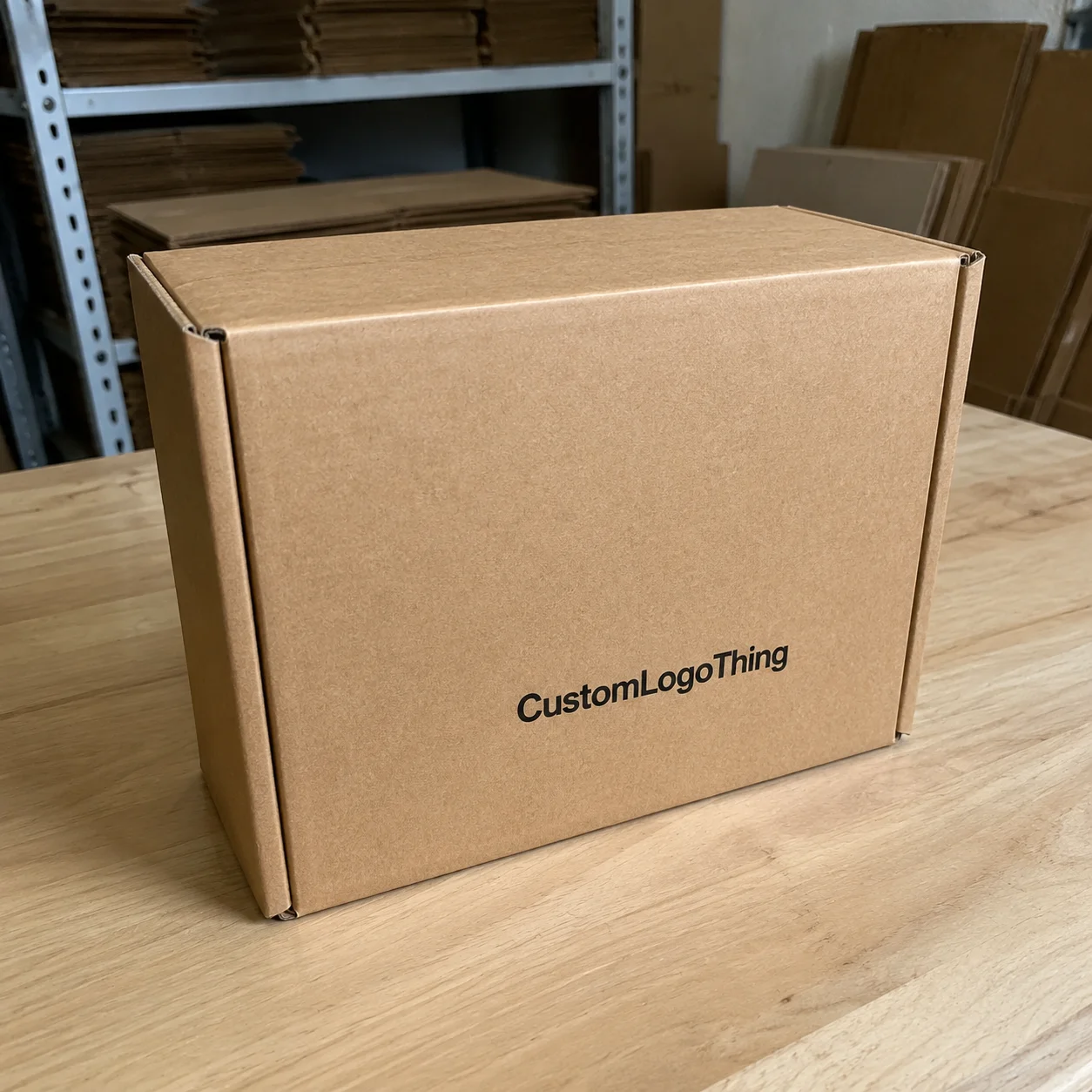
A customized shipping box is a corrugated mailer or shipper built around real product dimensions, packed weight, protection needs, order volume, graphics, and fulfillment requirements. It is not simply a stock carton with a logo dropped onto one side. That approach can work for a quick launch, but it rarely holds up as order volume grows.
Customization can include internal size, flute type, board grade, box style, locking structure, inserts, dividers, tear strips, coatings, print coverage, and label placement. The practical gains are less glamorous than the mockups: less void fill, fewer crushed orders, faster packing, cleaner stacking, lower freight waste, and a delivery moment that feels planned.
Stock boxes still have a place. Early-stage brands, low-volume sellers, mixed-SKU warehouses, and test shipments often need flexibility more than precision. Once the same products move every week, though, packaging waste becomes measurable. A box that is one inch too large in two directions can push parcel costs up and force the warehouse to buy more filler just to compensate for air.
Packaging reality check: a shipping box is both transit packaging and customer-facing media. Treat it like only one of those jobs and the other one usually suffers.
The goal is not prettier cardboard for its own sake. The goal is to ship safely, control freight cost, support fulfillment, and make the box feel intentional without overbuilding it.
How Custom Box Manufacturing Works From Artwork to Delivery
Custom box manufacturing follows a predictable path: choose the structure, confirm the size, select the corrugated material, prepare the artwork, approve the dieline, sample if needed, print, cut, crease, fold, glue, pack, and ship. Simple on paper. Less simple when buyers skip the dull parts.
The dieline is the blueprint. It shows cut lines, fold lines, glue areas, bleed, safety zones, print panels, locking tabs, and sometimes label-safe areas. A casual approval can become expensive because that file controls how the box physically works. If the artwork lands upside down on the opening flap, or a barcode crosses a score line, production will not magically know the team meant something else.
Most Branded Shipping Boxes use one of three print methods. Flexographic printing is common for practical production runs, especially one to three colors on corrugated board. Digital printing suits lower quantities, variable art, seasonal drops, and more detailed graphics without plate costs. Litho-lamination delivers retail-style print quality by printing on a paper sheet and laminating it to corrugate, but it increases cost, lead time, and minimum order pressure.
Structure matters as much as print. Roll-end mailers are popular for smaller ecommerce products because they feel tidy and often reduce tape. Regular slotted cartons, often called RSCs, are better for larger or heavier shipments. Auto-lock bottoms can speed packing, though they add converting complexity. Tuck tops look clean for unboxing; tear strips help customers open the package without carving into it with kitchen scissors.
Before quoting, a manufacturer typically needs product dimensions, packed weight, order quantity, print colors, delivery location, use case, target ship date, and any compliance needs. If the box must support retail handling, cold chain shipping, recycled content claims, or testing under ISTA package performance standards, say so early. Late surprises are rarely cheap.
For brands comparing structures, it helps to review available Custom Shipping Boxes before locking artwork. Structure first. Decoration second.
Specs That Matter: Size, Corrugate, Print, and Protection
Start with dimensions. Internal dimensions describe the usable space inside the box, usually listed as length × width × depth. External dimensions describe the space the package occupies after board thickness and folds are included. Carriers charge for the space the parcel occupies, not the optimism in a spreadsheet. A half-inch mistake can push a carton into a higher dimensional weight bracket.
For smaller products, E-flute is common because it has a thinner profile, cleaner print surface, and enough stiffness for lighter goods. B-flute offers better cushioning and puncture resistance. C-flute is a general shipping workhorse for standard transit packaging. Double-wall board is safer for heavier items, stacked loads, or rough parcel networks, though it adds both weight and cost.
Board strength is not a decorative choice. Edge crush test, or ECT, measures stacking strength along the edge of corrugated board. Burst strength measures resistance to rupture under pressure. A light mailer for a 10-ounce cosmetic item does not need the same board as a 22-pound hardware kit. ASTM test methods and ISTA protocols exist because gravity remains stubbornly consistent.
Protection features should match the actual product risk. Glass may need molded pulp, corrugated partitions, or die-cut inserts. Apparel may only need a snug mailer and tissue. Bottles require space for caps, pumps, collars, seals, and padding. Electronics often need corner protection, anti-static materials, or separate compartments for accessories.
- Snug fit: reduces movement, void fill, and damage risk.
- Too tight: creates pressure points and slows packing.
- Too loose: wastes shipping materials and increases dimensional weight.
- Right insert: holds the product in place without turning assembly into craft hour.
Print specs change the outcome too. One-color flexo on kraft board has a practical, earthy look. Full flood coverage on white board looks cleaner out of the press but can show scuffing after parcel handling. Inside printing adds a premium feel, especially for subscription boxes, but it creates another print surface to control. Matte coatings, varnishes, and coated liners may improve presentation, though not every finish belongs on a box that will slide through belts, cages, and truck floors.
If sustainability claims matter, ask about FSC-certified paper options and recycled content documentation. The Forest Stewardship Council provides chain-of-custody certification standards recognized by many retail and ecommerce brands. Claims need paperwork, not vibes.
Customized Shipping Box Cost, MOQ, and Quote Drivers
The cost of a customized shipping box depends on quantity, size, board grade, print method, ink colors, tooling, inserts, coatings, freight, and production complexity. “Complexity” sounds polite. In practice, it means slow setups, tricky folds, difficult registration, special materials, or a structure that makes operators sigh.
Small digital runs usually have higher unit costs because setup and machine time are spread across fewer boxes. A run of 100 to 500 digitally printed mailers might land around $2.00 to $7.00 per unit depending on size, coverage, and structure. Mid-volume runs around 2,000 to 10,000 pieces may sit closer to $0.65 to $2.50 per unit for common mailer sizes. Larger corrugated programs can go lower, especially with simple one-color art, but freight and storage start to matter more.
Minimum order quantity is a tradeoff. Low MOQ is useful for launches, influencer kits, seasonal tests, and product validation. Higher quantities usually unlock better pricing, steadier color control, more board options, and improved production efficiency. The cheapest order is not always the smallest order.
| Order Type | Typical Quantity Range | Common Print Method | Practical Unit Cost Range | Best Use |
|---|---|---|---|---|
| Launch or test run | 100–500 boxes | Digital | $2.00–$7.00 | New product tests, influencer mailers, seasonal art |
| Growing ecommerce run | 1,000–5,000 boxes | Digital or flexo | $0.90–$3.50 | Steady SKU shipping with branded presentation |
| Volume production | 5,000–25,000+ boxes | Flexo or litho-lam | $0.45–$2.25 | Repeat programs, subscription boxes, retail-ready shipping |
These ranges are not promises. Size changes everything. A small E-flute mailer and a double-wall shipper for a 30-pound product do not belong in the same pricing conversation. Freight can also be rude: corrugated boxes ship flat, yet they still consume pallet space.
Hidden quote drivers include oversized dimensions, heavy ink coverage, inside printing, special adhesives, tear strips, complex inserts, rush production, split shipments, and residential delivery. If cartons need to ship to three fulfillment centers, say that before the quote is built. If the package needs to survive refrigerated shipping, say that too.
A clean quote request includes internal dimensions or product dimensions, packed weight, target quantity, box style, print colors, artwork status, delivery ZIP or country, required date, and protection concerns. Ask for two or three quantity breaks. A quote for 1,000, 2,500, and 5,000 units tells you far more than one lonely number.
Process and Timeline: What Happens Before Boxes Ship
A realistic timeline starts with spec review, not printing. The manufacturer checks product size, packed weight, structure, board, print method, and ship-to location. Then comes dieline creation, artwork placement, proof approval, optional sampling, production scheduling, printing, converting, packing, and transit.
Simple repeat orders can sometimes move in 7 to 12 business days after proof approval, especially if the same board, art, and tooling are already set. New custom structures often need 15 to 25 business days. Physical samples can add 5 to 10 business days before production starts. Imported materials, specialty finishes, retail compliance reviews, and seasonal capacity crunches can stretch the schedule further.
The biggest timeline killers are rarely exotic. Late artwork. Missing product dimensions. Committee feedback loops. Changing the box size after dieline approval. Surprise rush delivery requests. “Can we still hit the launch date?” is less charming after launch inventory is already sitting in a warehouse collecting storage fees.
Request a physical sample when fit, print, or opening experience matters. New product launches, fragile items, premium subscription boxes, retail presentation kits, and anything with inserts deserve one. A digital proof can confirm layout, but it cannot show whether a pump bottle rubs against the top flap during transit.
For planning, start custom box sourcing before inventory lands. If the product is already on pallets and the warehouse is waiting for boxes, every packaging decision becomes an emergency decision. Emergency decisions have a strange habit of costing more.
Step-by-Step Buying Guide for Ordering the Right Box
Buying the right box gets easier when the process starts with the packed product, not the logo file. A customized shipping box should solve fit, protection, fulfillment, and brand presentation in that order.
- Measure the product after packing. Include bubble wrap, tissue, bottle caps, lids, pumps, accessories, manuals, inserts, and anything else that affects real size. Measure length, width, depth, and weight. For odd shapes, measure the widest points.
- Define the shipping environment. Parcel carrier, pallet freight, cold chain, retail handling, ecommerce shipping, and subscription delivery all create different stress. A box that works inside a master carton may fail as a direct-to-consumer shipper.
- Choose the box style. Roll-end mailers feel cleaner for smaller products. RSC cartons are efficient for bulkier goods. Auto-lock styles help fast packing. Tear strips improve opening. Tape-seal cartons may be better for heavier shipments.
- Select board and protection features. Match flute, ECT, inserts, pads, dividers, and corner protection to weight, fragility, stacking, and drop risk. For heavier goods, ask about 32 ECT, 44 ECT, 200# test, or double-wall options depending on the structure.
- Prepare artwork on the approved dieline. Confirm colors, bleed, panel orientation, barcode placement, shipping label space, and inside print. Review the proof slowly. Approve a sample if the order is large or the launch is high risk.
Also think about reordering. If a brand sells 1,200 units a month and lead time is three weeks, ordering 1,500 boxes is not a plan; it is a countdown. Build a reorder point based on monthly usage, production time, transit time, and a safety buffer. Most brands should reorder when they have 30 to 45 days of packaging left, not when the last bundle is opened.
If the shipping mix includes soft goods or non-fragile products, compare corrugated options with Custom Poly Mailers. Poly mailers can reduce freight weight and storage space, but they do not provide crush protection. Use the right tool. Cardboard is not a religion.
Common Mistakes That Make Custom Boxes More Expensive
The first mistake is choosing a box based on product dimensions alone. The product is not the only thing going inside. Protective wrap, inserts, literature, accessories, and the extra space needed for fast packing all count. If the fulfillment team has to force every order into the box, labor cost goes up and damage risk follows.
The second mistake is overprinting every panel because it looks beautiful on screen. Heavy flood coverage can increase ink cost, drying complexity, scuff visibility, and production time. A smart one-color design on kraft can outperform a full-coverage design that arrives rubbed and tired.
The third mistake is using a weak board grade to save a few cents. Then replacements, refunds, reships, and customer complaints appear. Adorable accounting. If a product is fragile, heavy, expensive, or annoying to replace, the box needs to be built for that reality.
The fourth mistake is ordering the absolute lowest quantity without comparing price breaks. If 500 boxes cost $3.80 each and 1,000 boxes cost $2.40 each, the better business decision may be obvious, assuming storage space and demand exist. Cash flow matters, but so does paying setup cost twice.
The fifth mistake is approving artwork without checking orientation, barcode placement, shipping label space, kraft board color shift, and the actual opening path. White ink, brand colors, and fine text behave differently on kraft corrugated than they do on a glowing laptop screen. Screens lie politely.
- Leave a clean label area of at least 4 × 6 inches for common parcel labels.
- Keep small text and thin lines away from fold scores and corners.
- Ask whether registration tolerance affects multi-color artwork.
- Confirm whether inside printing changes the production method or MOQ.
Most of these problems are avoidable with a packaging brief and one careful proof review. Not ten rushed opinions in a group chat. One careful review.
Next Steps Before You Request a Custom Box Quote
Before asking for pricing, create a short packaging brief. Include product dimensions, packed weight, target quantity, shipping method, delivery destination, launch date, current damage issues, and required brand elements. If specific shipping materials are already used, list them. If the goal is to reduce void fill or dimensional weight, say that directly.
Photos help. Send images of the product, current packaging, damaged returns, inserts, and competitor packaging worth referencing or avoiding. A manufacturer can quote faster when the actual product is visible instead of hidden behind a vague phrase like “small gift item.” A ring box, candle, ceramic mug, and supplement bottle are all small gift items until one shatters.
Decide what matters most before asking for options. Lowest unit cost, premium unboxing, faster turnaround, reduced damage, easier fulfillment, lower freight weight, recycled content, and retail presentation can all point to different specs. If every priority is ranked number one, the quote usually becomes bloated or useless.
Ask for three quote paths: budget, balanced, and premium. The budget version may use one-color print and standard board. The balanced version might improve structure, print surface, or insert design. The premium version may include inside printing, litho-lam graphics, specialty coatings, or a more polished opening experience. Comparing options makes tradeoffs visible.
You can also review broader Custom Packaging Products if the order needs boxes, mailers, inserts, labels, or retail packaging as one coordinated program.
The right customized shipping box starts with real product specs, a workable timeline, and a quote request specific enough to price without guesswork. Done well, the box stops being an afterthought. It becomes part of the shipping system, the brand experience, and the customer’s first physical impression of the order.
FAQs
What is the best customized shipping box for ecommerce orders?
For small to mid-size products, corrugated mailers are often the best fit because they look cleaner, reduce void fill, and are easier to brand. For heavier or larger shipments, an RSC carton or custom shipper with the right board grade is safer. The best choice depends on packed weight, product fragility, carrier handling, and whether the box needs to support an unboxing moment.
How much does a custom printed shipping box cost?
Cost depends on size, quantity, board grade, print method, ink coverage, inserts, coatings, tooling, and freight. Lower quantities have higher unit costs because setup and production preparation are spread across fewer boxes. Request two or three quantity breaks so the unit-cost curve is visible.
What information do I need to quote customized shipping boxes?
Provide internal box dimensions or product dimensions, packed weight, order quantity, print colors, box style, delivery location, and target in-hand date. Share artwork if available, but do not wait for final artwork to start the structural quote. Mention special needs such as fragile protection, cold shipping, retail display, recycled content, or inside printing.
How long does it take to produce branded shipping boxes?
Simple repeat orders can move faster, while new structures, samples, or complex printing add time. The timeline usually includes quoting, dieline setup, artwork proofing, production, packing, and transit. The fastest way to avoid delays is to approve dimensions and artwork cleanly the first time.
Can I order a low MOQ customized mailer box?
Yes, low MOQ options are often possible with digital printing or simpler structures. Low MOQ is useful for launches, seasonal tests, influencer kits, and product validation. Expect a higher unit cost than larger production runs, and compare price breaks before assuming the smallest order is the cheapest business decision.