Dad Hats Embroidery Cost Guide: Why Small Runs Get Expensive Fast
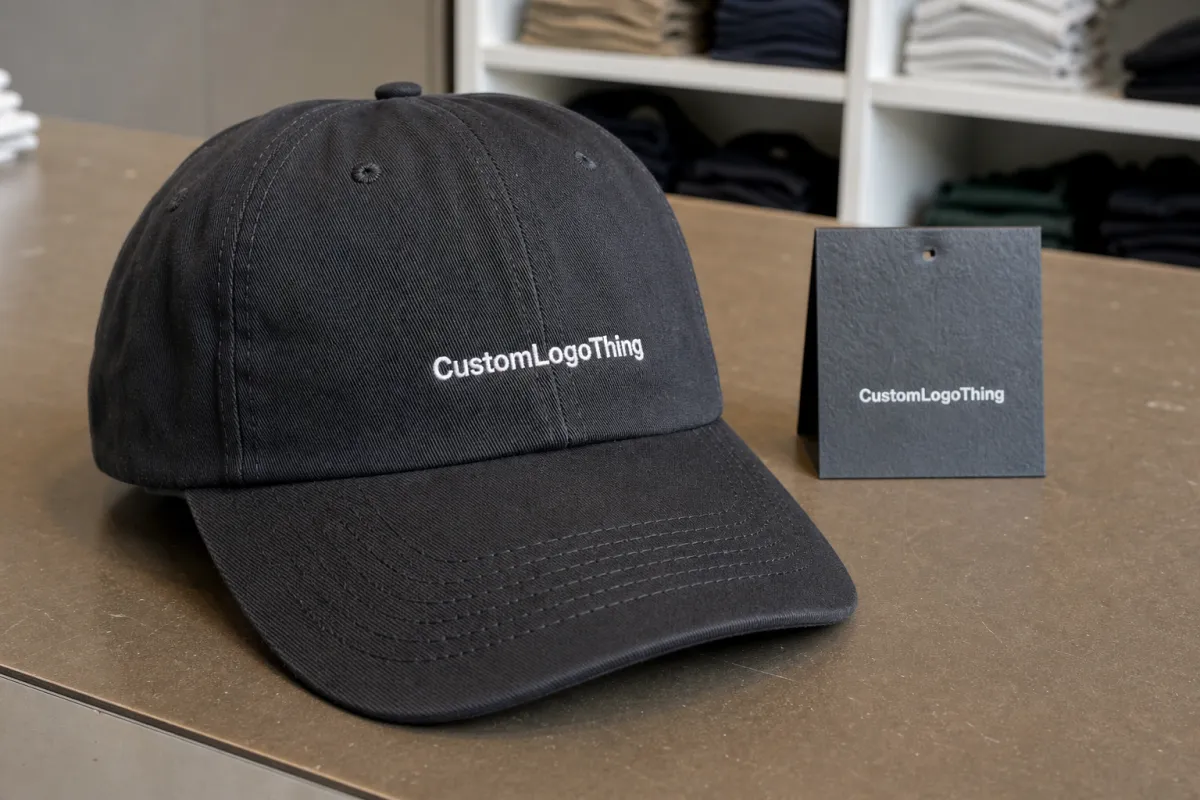
If you are pricing caps for a team, a resale drop, or event merch, this dad Hats Embroidery Cost guide will keep the quote from surprising you later. Embroidery looks simple from the outside. A cap, a logo, a machine, done. The bill tells a different story. Digitizing, setup, hooping, and test stitching show up whether you order 24 hats or 240, and those fixed steps hit smaller runs hardest.
That is why buyers often compare blank hat prices and stop there. The blank is only one part of the order. The real cost also reflects stitch count, thread changes, placement, artwork cleanup, and shipping. If the logo is detailed or the text is tiny, the quote rises for a reason. The machine does not care about brand expectations. It cares about what can be sewn cleanly, at speed, without wasting caps.
A better way to think about the order is this: what combination of cap body, decoration style, and quantity gives the lowest usable cost per piece? A slightly better blank can reduce rejects and revision time. A cheaper cap that sews poorly is not cheaper once the sample gets pulled apart and the second proof starts. That is the part people do not budget for.
Here is a common small-run scenario. A six-person team wants 24 dad hats for a launch event. The logo has small lettering, three thread colors, and a second placement on the side. The quote feels high because the fixed work is spread across a tiny run. If the team simplifies the artwork, keeps one placement, and uses a standard cotton twill cap, the price usually drops faster than expected.
A low quote only matters if the cap survives production. If the design needs multiple revisions to sew cleanly, the savings can disappear before the boxes leave the floor.
What Makes a Dad Hat Worth Embroidering
Not every cap body behaves the same under a needle. A good dad hat usually has a low-profile crown, a soft unstructured front, a curved brim, and an adjustable closure. That shape is popular because it sits close to the head and gives embroidery a laid-back retail look instead of the stiff feel of a traditional promo cap.
Fabric makes a bigger difference than many first-time buyers expect. Cotton twill is usually the safest base for predictable embroidery because it holds stitch tension well and reads clearly from a distance. Washed cotton and garment-dyed finishes can look better on the rack, but they bring more surface variation. That does not make them bad. It just means the design has less help from the fabric itself.
Front panel structure matters too. A lightly reinforced panel usually produces cleaner lettering than a very floppy crown. Dense logos may need backing or a more careful digitizing pass to avoid puckering. That is one reason a retail-grade cap often costs more than a giveaway cap. The extra stability is not cosmetic. It changes how well the stitches land.
Placement changes the bill quickly:
- Front center is usually the lowest-cost placement.
- Side embroidery adds handling and machine time.
- Back embroidery is often more expensive than buyers expect because setup is slower.
- Multiple locations can push the quote up faster than upgrading the cap body.
Closure type also affects the finished product. Fabric strap and buckle, tri-glide, and metal clasp closures each create a slightly different look and handling profile. If the order is meant for retail rather than a one-off event, sweatband comfort, seam finish, and the way the front panel holds shape after packing matter more than the mockup suggests. Those details are easy to ignore until returns start showing up.
Specs That Change Stitch Quality and Quote Accuracy
Good quotes start with good artwork. The embroidery machine does not see brand identity; it sees stitch count, line weight, color changes, and whether the design can physically sew at the requested size. Dense fills, tiny text, and thin outlines all increase the chance of cleanup work. That is one reason pricing drifts upward after a supplier sees the actual art.
Digitizing is its own step because the artwork has to be translated into stitches. That is not a file conversion. A digitizer decides stitch direction, underlay, pull compensation, and how corners should turn so the logo does not bubble, twist, or break apart. Poor digitizing creates puckering and jagged edges. Good digitizing costs money because it prevents waste later.
Vector files are the cleanest starting point. AI, EPS, SVG, or PDF files usually move fastest, especially if the artwork already uses final colors. A low-resolution PNG can still work, but it often adds cleanup time before the quote is final. The more guesswork a supplier has to do, the more conservative the estimate tends to be.
These are the specs that move pricing the fastest:
- Stitch count - more stitches usually mean more machine time.
- Thread color count - each color change adds handling.
- Logo size - larger marks need more coverage and more time.
- Fine detail - tiny letters often need simplification to sew cleanly.
- Placement - front only is cheaper than front plus side or back.
- Special effects - applique, patch work, and raised stitching change labor and material costs.
Flat embroidery is still the standard for most dad hats. It is cleaner, faster, and easier to price. Patch applications and applique can look premium, but they add separate material and labor steps. If the goal is a readable brand mark at a controlled cost, flat embroidery on a stable cap body is usually the best starting point.
For shipping and carton durability, packaging standards matter even if they do not change the embroidery bill. ISTA testing is useful if hats are moving through a rough distribution chain, and the guidance at ISTA is a practical reference point. For pack-out basics, packaging.org is worth checking. These resources do not lower decoration cost. They do help keep finished caps from arriving crushed or misshapen.
Pricing, MOQ, and Unit Cost Breakpoints
This is the part most buyers want first, so here it is plainly. Small runs cost more per hat because fixed work is spread over fewer units. That fixed work includes digitizing, setup, proofing, thread matching, and the first machine adjustments. Some suppliers call those charges setup fees, tooling, or art work. The label changes. The math does not.
For a typical front-only embroidered dad hat with a standard cotton twill body, these ranges are a realistic starting point:
| Quantity | Typical cost per piece | Setup / digitizing | Best fit |
|---|---|---|---|
| 24-48 pcs | $10-$18 | $30-$90 | Small team orders, samples, event merch |
| 50-99 pcs | $8-$14 | $25-$75 | Starter bulk pricing, reseller tests, club runs |
| 100-250 pcs | $6.50-$11 | $20-$60 | Better unit cost for repeatable retail or promo runs |
These figures assume a simple one-location front logo on a standard dad hat. Dense artwork, extra placements, premium blanks, and rush service push the numbers higher.
The table shows the real breakpoints. Many suppliers start at 24 to 48 pieces, but the better unit price usually appears after 50 or 100. If the buyer can stretch quantity a little, the savings can be meaningful. If not, the order still needs to be priced honestly instead of padded with wishful thinking.
What pushes the quote fastest?
- Blank cap quality - a better body can add a few dollars before embroidery starts.
- Stitch count - a 4,000-stitch logo is easier to price than a 12,000-stitch one.
- Thread colors - more colors mean more handling and more opportunity for revision.
- Multiple placements - front plus side or back rarely stays cheap.
- Rush timing - squeezed schedules usually raise the price.
Where do the savings usually come from? Keep the front mark simple. Stay on one cap body. Avoid split shipments. Lock the design before digitizing begins. That is how buyers get cleaner bulk pricing without cutting corners that matter. A quote looks expensive until you compare it against rework, delays, and dead inventory.
Proofs, Production Steps, and Turnaround
The production path is usually straightforward, but delays tend to show up in the same places. A clean order moves from quote to artwork review, then digitizing, then proof approval, then production, then quality check, then packing. If any one of those steps stalls, the ship date slips. Nothing exotic there. Just process.
Here is the practical version:
- Quote - supplier confirms quantity, cap spec, placement, and deadline.
- Digitizing - the artwork becomes a stitch file.
- Proof - buyer reviews size, stitch direction, thread colors, and placement.
- Production - hats are embroidered, trimmed, and checked.
- Packing - caps are folded or boxed to reduce crown crushing.
Most delays come from missing vector art, vague color references, late approvals, and revisions after the proof is already built. If a buyer changes the logo after digitizing, the schedule usually resets. That is not a supplier problem. It is a scope problem.
Turnaround depends on the order type. Simple repeat runs can move quickly after proof approval. First-time custom runs take longer because the artwork needs a real setup pass. Busy seasons stretch timelines too, especially if embroidery, custom packaging, and shipping are all tied to one deadline. That is a lot to ask from a production calendar.
Shipping deserves its own line because production time is not the same as delivery time. If the hats are tied to a launch date, confirm both. A supplier can finish on time and still miss the event if transit was never checked. This is where carton choice and pack-out matter. Transit testing references from ISTA are useful if the caps are traveling far or moving through multiple hands. Good packaging does not make the embroidery better. It keeps the work from getting ruined after it is finished.
The safest approval process is simple: lock the stitch size, cap spec, and thread colors before production starts. Those three decisions prevent most of the expensive back-and-forth later. A clean first run beats a cheap quote with six revisions attached to it.
How to Get a Faster Quote and Cleaner First Run
If you want an accurate quote, send the exact basics up front: artwork file, quantity, hat color, thread color targets, placement, deadline, and delivery zip code. That is not admin noise. That is what keeps a supplier from padding the estimate because half the details are missing.
The best quote requests are boring. They do not force the supplier to guess. They do not hide the quantity in a sentence. They do not say "something like this" and expect precision. If the goal is a comparison across vendors, the request has to stay consistent.
Before approving anything, lock these three items:
- Digitized proof - check the stitch map, not just the visual mockup.
- Stitch size - a logo that is too small will not sew cleanly.
- Final cap spec - body, closure, and color should be fixed before production.
The right supplier catches artwork problems before they become waste. The wrong one says yes too quickly, takes the deposit, and lets the sample teach the lesson later. Buyers usually think they are saving time with the lowest quote. More often, they are buying a longer revision cycle and a weaker first run.
If the order needs to move fast, compare two or three quotes using the same placement and the same logo size. Choose the cap body that fits the budget without hurting the look, then lock the proof and reserve the production slot. That sequence is how you avoid the usual scramble, and it is the reason a focused dad hats embroidery cost guide matters before the order starts.
How much does dad hats embroidery cost per hat?
Small runs usually cost more per hat because setup is spread across fewer units. For a simple front logo, a practical range is often $10-$18 per piece at 24-48 units, then lower as the order gets bigger. The main drivers are blank cap quality, stitch count, thread colors, and digitizing fees. For a useful comparison, ask every supplier to quote the same placement and logo size.
What is the usual MOQ for embroidered dad hats?
Many suppliers start around 24-48 pieces, but the exact MOQ depends on the cap body and decoration method. Lower MOQs usually carry higher unit pricing because the fixed work does not go away. If you can flex the quantity even a little, you may unlock better bulk pricing without changing the design.
Does stitch count affect dad hat embroidery pricing?
Yes. More stitches usually mean more machine time and a higher embroidery cost. Dense logos, tiny text, and detailed artwork often need simplification to stay affordable and clean. A good digitizer can trim unnecessary stitch waste without damaging the logo. A poor one gives you a pretty mockup and a rough production run.
How long does embroidery production usually take?
Timeline depends on proof approval, digitizing, order size, and whether the design needs revisions. Simple repeat orders move faster than first-time custom runs. Shipping time is separate from production, so confirm both before promising a delivery date. That sounds obvious. It still gets missed constantly.
What art file is best for a dad hats embroidery quote?
Vector files are best because they make digitizing cleaner and faster. Clear brand colors, final hat quantity, and decoration placement help the quote stay accurate. If the logo is low resolution, expect extra cleanup time before production. Send the best file you have, not the most hopeful one.
Accurate pricing comes from the right cap spec, the right quantity, and artwork that can actually sew. That is the core of a dad hats Embroidery Cost Guide: less guesswork, fewer revisions, and a quote that still makes sense after production starts.

