Dad Hats Print Method Comparison: Why the Crown Changes Everything
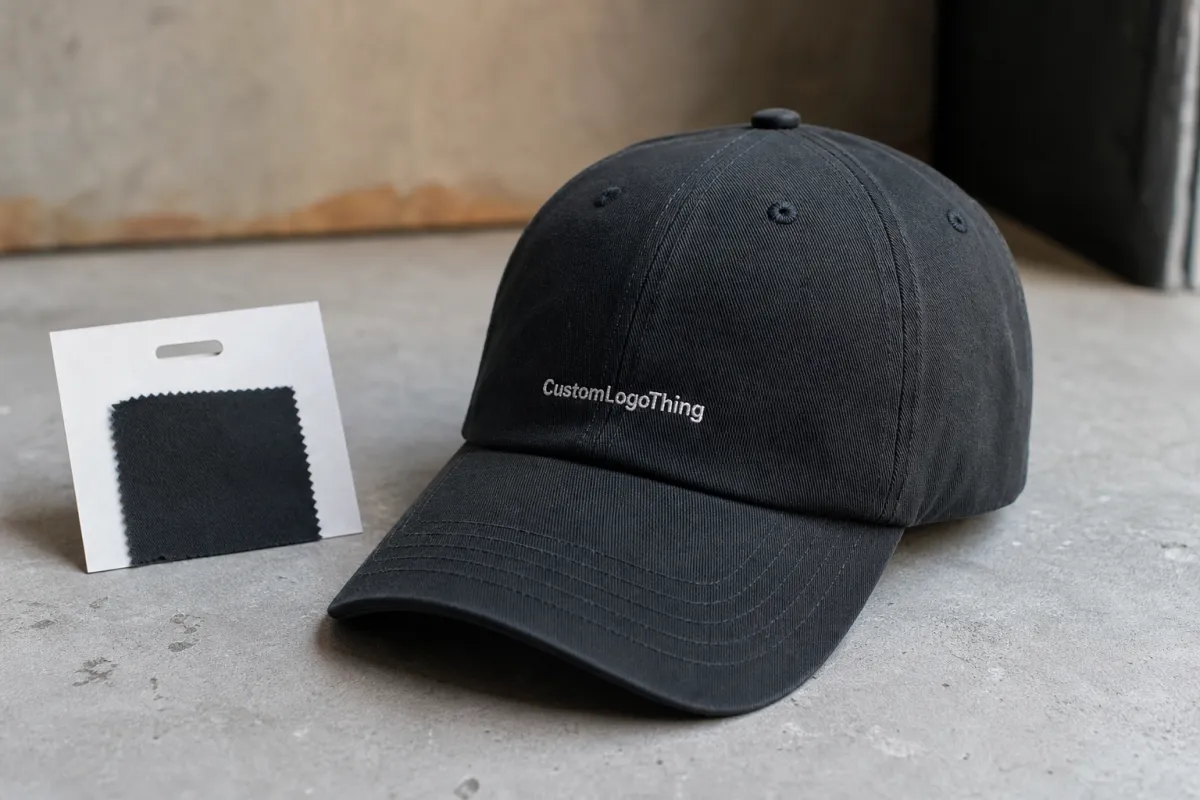
The dad hats Print Method Comparison starts with one constraint: the front panel is soft, low, and lightly structured. That shape changes how a logo reads. Artwork that looks balanced on a flat screen can look too tall, too wide, or too fragile once it wraps the crown.
For buyers, the method matters because it changes visibility, hand feel, durability, and how the hat presents in photos or on a shelf. A clean front logo can make a budget blank feel retail-ready. A crowded or warped mark can make even a good cap look off.
The right comparison comes down to four questions: how clear the logo stays, how the surface feels, how well it wears, and how it looks on the actual hat. Screen print, embroidery, woven patches, PVC patches, leather patches, and transfer-based decoration each solve a different problem. None is best for every order.
That is why dad hats should be treated like any other production substrate. The best choice depends on artwork complexity, fabric texture, and order size. What looks cheapest upfront is not always the lowest-risk option once sampling and rework are included.
How Each Decoration Method Actually Works on Dad Hats
Screen printing lays ink on top of the fabric. On a dad hat, it works best with simple shapes, bold lines, and limited colors. It is a good fit when the logo is compact and the crown surface is smooth enough to hold the image cleanly. Fine text and thin rules are more likely to distort as the cap curves.
Embroidery stitches the design into the crown, so the decoration becomes part of the structure. That usually gives the hat a more finished look and better wear resistance. The tradeoff is detail: tiny lettering, hairline rules, and gradients do not translate well into thread. Dense embroidery can also stiffen the front panel.
Woven patches are useful when the logo needs tighter detail than embroidery can hold. The artwork is built flat first, then attached to the hat, which helps preserve small type and sharper edges. PVC patches create a molded, dimensional look that works well for outdoor, tactical, or streetwear styling. Leather patches are softer in tone and fit muted, heritage branding.
Transfer decoration sits between direct print and patch work. Heat transfer can carry fine detail, but durability depends on the film, adhesive, and care instructions. Direct-to-garment is uncommon on dad hats because the curved crown and limited platen support make it harder to control. It can work in a few setups, but it is not usually the default option.
Fabric also changes the result. Cotton twill gives the most predictable surface. Brushed chino can soften the look slightly. Washed cotton adds character, but the texture can blur print edges or make a patch boundary look less precise. If the artwork depends on accuracy, the fabric choice should be part of the method decision.
Cost, MOQ, and Unit Price: What Changes the Quote
Pricing usually turns on setup more than on the decoration itself. Screen print needs screens and alignment work. Embroidery needs digitizing and often a sew-out. Patch programs can add mold charges, die work, or separate artwork prep. Transfer methods reduce some setup steps, but they are not always the cheapest at scale.
The main cost drivers are number of colors, stitch count, patch complexity, file cleanup, and whether a physical sample is required before production. A one-color mark on a clean front panel can be inexpensive. A logo with tiny type and several color breaks costs more, especially at lower quantities where setup is spread across fewer units.
| Method | Typical MOQ | Approx. add-on cost per unit | Best for | Watch-outs |
|---|---|---|---|---|
| Screen print | 50-100 pcs | $0.60-$1.50 | Bold logos, short runs, simple spot color art | Small text, curve distortion, limited tonal detail |
| Embroidery | 24-50 pcs | $1.25-$3.50 | Premium branding, durable front logos | Fine lines, tiny lettering, high stitch counts |
| Woven patch | 100 pcs+ | $0.90-$2.50 | Detailed logos, cleaner small type | Extra lead time, attachment method, edge finish |
| PVC patch | 100 pcs+ | $1.50-$4.00 | Dimensional brand marks, outdoor style | Heavier feel, not ideal for subtle branding |
| Leather patch | 50-100 pcs | $1.00-$3.00 | Heritage look, muted premium finish | Not suited to tiny logos or bright color work |
| Transfer / limited digital print | 25-50 pcs | $0.80-$2.75 | Artwork with detail, photo-like graphics | Fabric compatibility, peel resistance, curve control |
Those ranges move quickly with quantity. At 50 pieces, embroidery can look expensive because the setup is divided across a small run. At 500 pieces, the same embroidery quote may become more attractive than a patch program if the design is simple. Ask for pricing at more than one quantity so you can see the real economics.
Also confirm what is included in the quote: digitizing, revisions, sample approval, backing type, attachment method, and packaging. If the hats will ship to a distribution center, carton quality and case strength may matter as much as the decoration. Retail-ready packing can also add cost even when the hat art stays the same.
The cheapest decoration method is not always the cheapest order. A method that causes rework, slow approvals, or a higher reject rate can cost more than a slightly pricier option that is easier to control.
Production Process and Turnaround: What Happens After Approval
Once artwork is approved, the sequence is usually the same: file check, mockup, sample or proof, production, finishing, packing, and shipping. The timeline changes by method. Screen print can move quickly once screens are ready. Embroidery adds digitizing and a sew-out. Patches add another checkpoint because the patch art must be approved before attachment.
Most delays happen in three places. First, the file is not production-ready and needs cleanup. Second, the color callout is vague, so thread or ink matching needs clarification. Third, the order waits in the production queue. Those issues are common, but each one adds days.
For straightforward screen print or transfer work, a typical turnaround window may fall around 10-15 business days after proof approval. Embroidery often runs closer to 12-18 business days because of digitizing and sample approval. Patch-based orders can take longer, especially if the patch is custom molded or the woven detail is dense. These are planning ranges, not promises.
Sample approval matters more on dad hats than on many other promo items because small shifts are easier to see on a soft crown. A logo that looks centered on a digital mockup can drift once it is stitched or applied to the actual cap. A physical sample catches that before production begins, which is worth asking for if the art is brand-critical.
“The mockup looked fine, but the curve changed the logo more than expected.” That note comes up often enough to matter: the sample is not a formality, it is a control point.
Packaging should be part of the production conversation too. Hats packed too tightly can lose shape, and a weak insert can flatten the crown before the buyer sees it. Good packout protects both the silhouette and the decoration.
Choosing the Best Method by Artwork, Fabric, and Wear
Simple artwork gives you the widest options. A bold icon or short wordmark can work as embroidery, screen print, or a patch. Once the logo gets more complicated, the field narrows. Small type, thin outlines, and gradients usually point toward patches or transfer-based decoration, where detail is easier to preserve.
Brand intent matters too. If the goal is a premium retail look, embroidery or a well-made patch tends to read as more finished. If the goal is low-cost visibility for an event, screen print usually wins on speed and budget. If the cap is meant for daily wear, durability becomes the priority.
Comfort matters as well. Heavy stitch density can make the front panel feel firmer. Large PVC patches add weight and structure. Transfers feel lighter, but the surface may not age as gracefully under sweat, washing, or abrasion. For hats that will be worn often, those differences matter.
- Choose embroidery for small logos, a premium look, and strong wear resistance.
- Choose screen print for simple art, faster setup, and lower cost at moderate quantities.
- Choose woven or PVC patches for detail, texture, and a more finished retail presentation.
- Choose transfer decoration when the artwork needs more detail than thread can hold.
If you need a quick filter, ask three questions: does the logo need fine detail, does the cap need to feel premium, and how many pieces are being ordered? Those answers usually point to the right method faster than a price-only comparison. That is the practical core of a dad hats Print Method Comparison.
Common Mistakes That Make Dad Hats Look Cheap
The most common mistake is oversizing the front artwork. A dad hat does not have the vertical height of a structured cap, so a logo that reaches too high can crowd the seam and make the hat sit awkwardly. Even a good design starts to look forced once it overwhelms the panel.
Another problem is approving art that is not clean enough for production. Thin outlines, tiny text, and complicated gradients can disappear once they are translated into ink, thread, or patch tooling. If the supplier asks for vector artwork, send vector artwork. No decoration method can fully rescue a broken file.
Color decisions can backfire too. High-contrast art works well on clean twill, but it can lose clarity on pigment-dyed or washed fabric. A tone-on-tone design may look subtle and expensive on a render, then vanish in real light. The reverse happens as well: too many thread colors can make embroidery look busy without improving readability.
Seam placement is another quiet failure point. A logo that straddles a seam can warp slightly, and on a soft crown that warp is visible. Buyers often blame the decoration method, but the issue is usually the relationship between the artwork and the hat construction. Placement has to be planned with the panel shape in mind.
Skipping sample review is the last costly mistake. A digital proof cannot show stitch density, patch edge finish, or how the crown sits after application. A sample can. If the patch lands too high, the thread feels too dense, or the print needs more margin, the fix is cheap on one sample and expensive on a full run.
The expensive mistake is rarely the decoration method itself. It is approving a method that never matched the artwork, the fabric, or the crown shape.
Best Next Steps for Quotes, Samples, and Final Method Selection
For quoting, send vector art, quantity, target colors, hat color, and the two methods you want compared. That gives a supplier enough detail to price setup and finish without guessing. It also keeps the quote comparable across methods, which matters if you are weighing embroidery against a patch or a print-based option.
If the design could work in more than one way, ask for side-by-side proofs or samples on the same hat color and placement. A navy dad hat can change the feel of the artwork more than people expect, especially with light thread or soft printed tones. Mockups help, but they do not show how the crown bends or how the surface texture changes the look.
Budget, finish, and deadline should drive the final call. If the schedule is tight, a simpler method may be the safer path. If the hats are intended for resale, a more finished decoration can justify the higher unit price. If the design is intricate, detail retention should matter more than chasing the lowest quote.
Many buyers get the cleanest result by pricing two versions of the same concept: one premium, one cost-controlled. That creates a real comparison instead of a guess and gives room to protect margin if the first quote lands higher than expected.
Use this dad Hats Print Method Comparison as the final filter: artwork complexity, fabric texture, unit cost, turnaround, and the first impression the customer will see. Get those five pieces aligned, and the hat usually tells you which method was right.
Which dad hats print method comparison option is best for small logos?
Embroidery usually works best for small front logos because it stays legible on a curved crown and feels more finished in hand. If the logo has tiny text or very thin lines, a woven patch or transfer method may preserve the detail better.
Is embroidery or screen print more durable on dad hats?
Embroidery is typically more durable for repeated wear because the design is built into the cap structure. Screen print can hold up well for bold art, but it may fade or crack sooner if the hat is washed hard or worn often.
What affects the unit cost most in a dad hats print method comparison?
Setup fees, stitch count, color count, and artwork complexity usually move the price more than the blank hat itself. Higher quantities spread setup costs across more units, which can make premium methods more competitive than expected.
How long does custom dad hats decoration usually take?
Simple orders can move quickly, but embroidery digitizing, patch approval, and artwork revisions often add extra time. If you need a firm deadline, ask for sample timing and production queue estimates before approving the order.
Can I mix print and embroidery on one dad hat order?
Yes. Many buyers combine methods, such as a printed front logo with embroidered side or back details. Mixing methods can improve the look, but it usually raises cost and extends turnaround because each decoration step adds production complexity.


