For coffee shops, the dad hats Unit Cost Breakdown for coffee shop merchandise is not just the blank cap price. The final number usually includes decoration, setup, packaging, freight, and timing. On smaller orders, those added costs often matter more than the hat body itself.
That is one reason dad hats work well in retail. They are easy to stock, do not require sizing, and can look premium without a complicated display. A hat also gives the brand something customers can wear immediately, which helps the item justify a stronger margin than many small merch pieces.
A quote that leaves out freight, setup, or packaging is not a better quote. It is an incomplete one.
Why coffee shop merch hats can outsell their unit cost
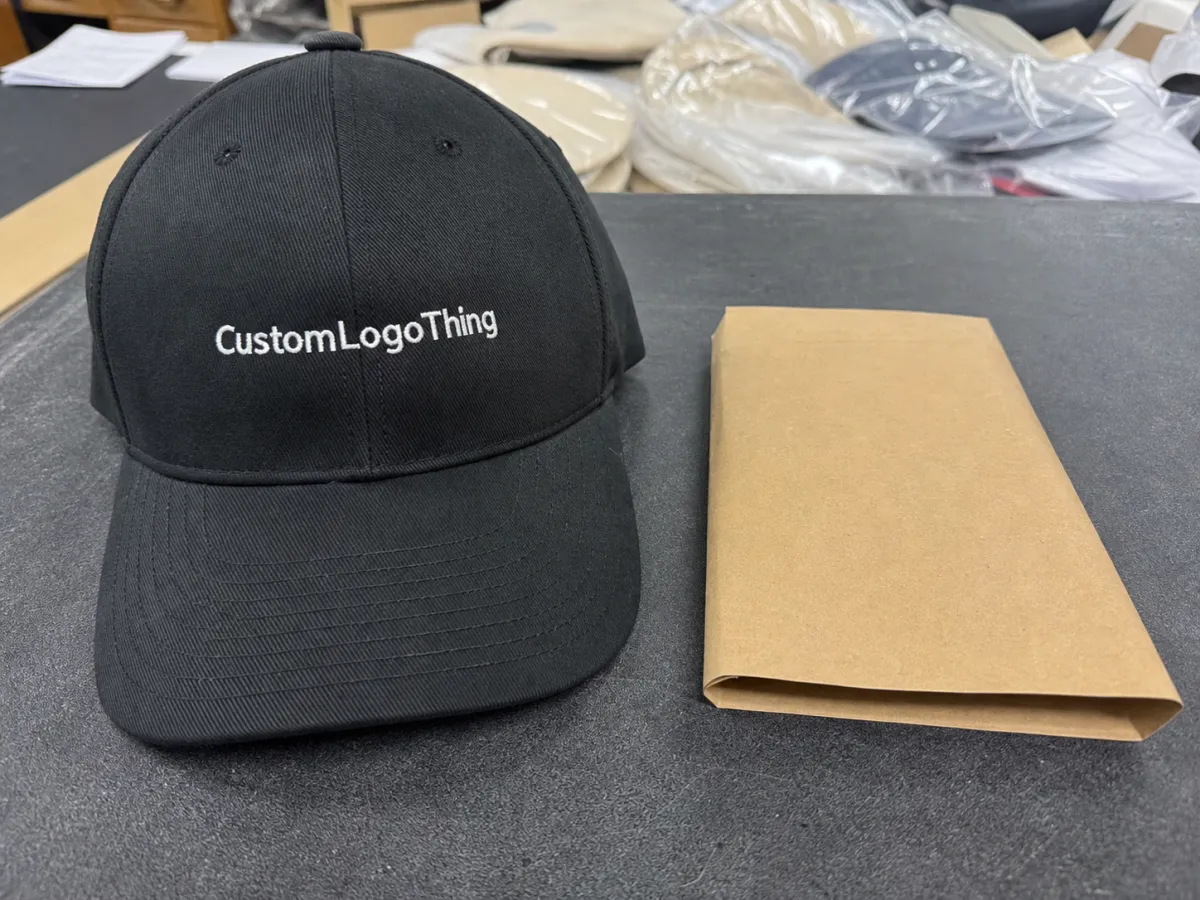
Hats are popular retail items for coffee shops because they are light, durable, and easy to present on a shelf or hook. Customers do not need to guess size, and the shop does not need a large inventory to make the display feel intentional. That makes hats easier to manage than apparel and less fragile than items like mugs.
Visibility also helps. A branded dad hat keeps advertising after the sale, which supports the retail value even when the unit cost is modest. In practice, the best comparison is not whether hats are cheaper than mugs or totes in isolation. It is whether the landed cost still leaves enough room for a healthy retail multiple.
A hat that lands at $5.50 and retails at $28 has a very different margin profile from one that lands at $9.25 because of premium blanks, embroidery complexity, and expedited shipping. Add packaging and the spread changes again. Even small charges can turn a comfortable margin into a thin one if they are not included up front.
What a coffee shop dad hat needs before pricing starts
Pricing starts with the base spec. Most coffee shop programs use an unstructured, six-panel cap with a curved brim and an adjustable closure. Cotton twill or washed cotton is common because the shape reads casual and the surface handles embroidery well.
Before a supplier can quote accurately, the basic details should be set: fabric type, crown style, brim shape, closure, color, and decoration. The buyer should also know whether the logo is front-only or needs a side hit, back embroidery, woven label, or patch.
- Set early: crown style, brim shape, fabric, color, and closure.
- Decide next: embroidery, patch, woven label, hangtag, or trim details.
- Confirm before quote: quantity, colorway, and retail packaging.
Spec clarity matters because a simple stock cap can be priced fast, but add-ons change the structure of the order. A woven interior label, branded taping, or a sewn patch affects labor, proofing, and lead time. For a small merch run, vague instructions usually cost more than a clear brief.
That is especially true when the shop already has a target retail price in mind. The cleaner the spec sheet, the easier it is to see whether the hat can hit margin without cutting quality.
Specifications that change the final quote
Three areas move price the most: construction, decoration, and packaging. A standard unstructured cap with a curved brim is usually the baseline. A structured front panel, specialty wash, premium closure, or custom color treatment can raise the quote quickly.
Decoration usually has the biggest impact after the blank itself. Simple one-color embroidery is often the lowest-cost route. A dense multi-color logo, patch, or layered decoration takes more time and may require setup or tooling. Tiny text and fine lines can also force artwork simplification so the finished hat stays readable.
That simplification is not necessarily a downgrade. Small lettering often fills in once stitched, and overly complex details can make the product look worse than a cleaner version would. For a retail hat, legibility usually matters more than reproducing every pixel.
Packaging adds cost in small increments, but those increments add up. Individual polybags, barcode stickers, hangtags, and shelf-ready inserts may only add cents per piece, yet they still change the landed cost on a 50- or 100-piece order. If the hat needs to arrive ready for display, packaging should be quoted with the product, not added later.
For teams that care about presentation, FSC-certified paper inserts or hangtags are an option. The point is not decoration for its own sake; it is keeping the retail item consistent and easy to sell. For shipment durability, ISTA testing is a useful reference when the order needs to survive repeated handling.
Dad hats unit cost breakdown for coffee shop merchandise
The practical dad Hats Unit Cost Breakdown for coffee shop merchandise usually includes six pieces: blank hat cost, decoration, setup charges, packaging, freight, and any rush or special handling fee. Buyers often focus on the blank price because it is easy to compare, but that only shows part of the total.
For a single-location embroidered dad hat with standard retail packaging, typical landed costs often fall in these ranges:
| Quantity | Typical landed cost per piece | What drives it |
|---|---|---|
| 50 units | $7.50-$12.50 | Higher setup charges, weaker blank pricing, more freight per piece |
| 100 units | $6.10-$9.20 | Setup spread across more pieces, steadier decoration rate, better shipping efficiency |
| 250 units | $4.90-$7.40 | Better blank pricing, improved decoration efficiency, lower pack-out cost |
| 500 units | $4.10-$6.30 | Bulk pricing, lower freight per piece, fewer relative setup fees |
Those ranges shift with the spec. A clean tonal embroidery logo on a standard cotton twill cap may sit near the low end. Add a woven patch, a custom inside label, or retail hangtagging and the unit cost rises. A second decoration location usually pushes it higher again.
The main buyer rule is simple: the smaller the MOQ, the more each fixed cost matters. At 50 units, a digitizing fee or tooling charge has a big effect. At 250 units, the same fee is easier to absorb. That is why many shops test a style first, then reorder larger if sales are strong.
Packaging and shipping can quietly change the math too. Polybags may add $0.10-$0.35 per piece. A hangtag and barcode sticker might add another $0.12-$0.28. Freight can run from under $0.50 per hat on larger trucked orders to more than $1.00 per hat on small expedited shipments. Those numbers should be shown separately so the buyer can see the real landed cost.
If two quotes look close, ask which one includes blank hats, decoration, setup, packaging, and freight. Apples-to-apples pricing is rare unless the brief is identical.
For a coffee shop merch buyer, the most useful view is landed cost. That means the blank, all decoration, packaging, and shipping are rolled into one figure. Once that number is known, it is easier to check whether the retail price leaves enough room for margin and occasional discounting. It also exposes quotes that look competitive until late fees appear.
That is why quoting discipline matters. If a supplier only shows a decoration rate and leaves out freight, the breakdown is incomplete. If a one-time setup fee appears late, the buyer is not seeing the real number. A clear quote should let the shop compare options without guessing what is missing.
Process and turnaround: from artwork approval to delivery
The normal production path is straightforward: inquiry and quote, artwork review, proof approval, production, quality control, and shipping. If the order includes a patch, label, or custom packing spec, each step can add time.
Simple embroidery usually moves faster than patch construction. A one-location stitched hat can often be completed sooner than a hat with a sewn patch, woven side label, and custom hangtag set. More components mean more opportunities for delay, so the schedule should match the design.
Most delays come from avoidable issues: non-vector artwork, vague color references, or scattered feedback during approval. A clear Pantone reference helps, as does a proof showing the exact placement and logo size. Faster approvals usually mean fewer rush charges.
A practical planning rule is to leave enough room for proofing, production, and transit without turning the order into an emergency. A good supplier should be able to say whether the deadline is realistic before production starts. If they cannot, the quote is probably under-specified.
Quality control should also be part of the timeline. Buyers should expect consistent stitch density, trimmed threads, aligned patches, even crown shape, and repeatable color across the run. Small flaws stand out quickly on hats because they sit at eye level.
For shops that want sustainability cues, FSC-certified paper packaging is a reasonable option. It does not change the cap itself, but it can improve how the merch feels at the register and on the shelf.
What makes a supplier efficient for coffee shop merch
A good supplier does more than produce hats. They keep repeat orders consistent so the blank, logo placement, thread color, and packed presentation match from one order to the next. That matters because coffee shop merch often sells in waves, not in one giant launch.
Clear quoting is another sign of efficiency. A strong supplier will say whether the cap is a stock blank or custom build, separate setup from production cost, show MOQ, and explain why a request raises the price. That transparency makes margin easier to protect.
Response time matters too. If a supplier takes days to answer simple questions about placement or thread colors, the rest of the order will likely move the same way. Quick proof revisions and honest feedback are worth more than polished sales language.
Efficient suppliers also help the buyer avoid over-engineering. A first merch drop usually does not need premium metal closures, three decoration locations, and custom interior taping. The better quote is often the one that keeps the hat attractive while staying disciplined on cost per piece.
- Consistent blanks: the same silhouette and hand feel across reorders.
- Clear proofing: accurate artwork, placement, and color callouts.
- Retail-ready packing: neat presentation without unnecessary add-ons.
- Transparent pricing: MOQ, setup charges, and freight shown plainly.
Common cost mistakes that raise the unit price
The most expensive mistake is changing the design after approval. That can trigger new setup charges, new samples, or even a rework if production has started. On a small merch run, one late change can erase the savings from a lower blank price.
Another common mistake is asking for premium specs before the product has proven itself. A first drop does not always need custom inner labels, specialty thread, or a heavy patch. Sometimes the better move is to keep the hat simple, test sell-through, and upgrade on the next order if it performs well.
Packaging creep is another quiet margin killer. A polybag, hangtag, barcode, and insert each seem minor, but together they can push the landed cost high enough to reduce retail flexibility. If the hat is going near a register, the display plan should be priced from the start.
Rush timing is the final trap. If the order is needed too soon, the supplier may need to prioritize labor or use expensive shipping. Early planning usually gets a better quote and a cleaner finish.
Overcomplicated artwork is another cost issue. Tiny lettering, thin strokes, and too many thread colors may look fine on screen but fail once translated to embroidery. Simplifying the art before production usually saves money and improves the result.
That is why the cheapest quote is not always the best one. If the hats arrive late, poorly packed, or off-spec, the real cost is higher because the shop loses selling time and presentation quality. In merch, poor execution is a cost item even when it never appears on the invoice.
Next steps for a quote that matches your merch plan
If you want a quote that actually reflects the order, send one clean brief: logo files, target quantity, preferred hat color, decoration style, packaging requirement, and launch deadline. That gives the supplier enough detail to spot the main cost drivers before production starts.
Ask for tiered pricing at 50, 100, 250, and 500 units. That makes it easier to compare a test run against a larger retail order and see how cost per piece changes as MOQ rises. The spread is often large enough to justify a bigger first order if the design is already proven.
Confirm at least one proof before production. A digital mockup is usually enough for placement and general appearance, but a sample is better if the hat includes a patch, unusual fabric, or more complex packaging. One approval round is far cheaper than correcting a full batch later.
For coffee shops that want merch to feel intentional, the goal is not the lowest possible number. It is a quote that reflects the full order: blank hat, decoration, packaging, freight, and timing. That is the real Dad Hats Unit Cost Breakdown for coffee shop merchandise, and it is the figure that should guide the decision before the PO goes out.
FAQs
What affects the dad hats unit cost breakdown for coffee shop merchandise most?
The biggest drivers are quantity, decoration method, stitch or patch complexity, packaging, and freight. Blank hat quality matters, but setup charges and order size usually move the final price more.
What MOQ should I expect for branded dad hats?
MOQ varies by supplier and decoration style, but pricing breaks often appear at 50, 100, and 250 units. Smaller orders are possible, though they usually carry a higher cost per piece because setup is spread across fewer hats.
How long does coffee shop hat production usually take?
Most orders move through proof approval, production, quality control, and shipping. Simple embroidery is usually faster than patch work or custom packaging, and rush orders generally cost more because the schedule gets compressed.
What information helps me get a faster hat quote?
Send logo artwork, quantity, hat color, decoration style, packaging requirements, and your target delivery date in the first request. A complete brief reduces back-and-forth and helps the supplier answer with a more accurate estimate.
Can dad hats be packaged for retail coffee shop shelves?
Yes. They can be packed with hangtags, barcode labels, size stickers, or individual polybags for shelf-ready presentation. Packaging improves retail appeal, but it should be included in the quote so it does not surprise you later.

