Buyer Fit Snapshot
| Best fit | Die Cut Boxes for Branding projects where brand print, material claims, artwork control, MOQ, and repeat-order consistency need to be specified before quoting. |
|---|---|
| Quote inputs | Share finished size, material target, print colors, finish, packing count, annual reorder estimate, ship-to region, and any compliance wording. |
| Proofing check | Approve dieline scale, logo placement, barcode or warning zones, color tolerance, closure strength, and carton packing before bulk production. |
| Main risk | Vague material claims, crowded artwork, missing packing details, or unclear freight terms can make a low unit price expensive after revisions. |
Fast answer: Die Cut Boxes for Branding: Design, Cost, and Process should be specified like a repeatable production item. The safest quote records material, print method, finish, artwork proof, packing count, and reorder notes in one written spec.
Production checks before approval
Compare the actual filled-product size with the drawing, then confirm tolerance on folds, seals, hang holes, label areas, and retail display edges. Reserve space for logos, QR codes, warning copy, and material claims before decorative graphics fill the panel.
Quote comparison points
Review material grade, print process, finish, sampling route, tooling charges, carton quantity, and freight assumptions side by side. A quote is only useful when the supplier can repeat the same color, closure quality, and packing count on the next order.
Die Cut Boxes for branding can change how a product is read before a customer touches the label or lifts the lid. Shape does part of the selling. Print finishes the argument. When the structure feels deliberate, the brand looks sharper, more expensive, and more worth keeping.
That is why these boxes show up everywhere from cosmetics to candles, gift sets, supplements, and subscription kits. They do more than hold a product in place. They shape the unboxing experience, reinforce brand consistency, and influence customer perception in those first few seconds when a package either feels ordinary or feels thought through. A plain mailer protects the item. A die cut carton can also tell the story.
For a packaging buyer, the real question is not whether the box looks polished in a render. The question is whether the structure fits the product, the budget, and the launch schedule without spawning avoidable revisions. That is the part people skip. Then the quote comes back messy or the sample misses the point entirely.
Below, I break down how die cut boxes work, what drives cost, where brands overspend, and how to order them without losing weeks to back-and-forth. If you are comparing formats, you can also look at our Custom Packaging Products, browse a few Case Studies, or compare smaller branding add-ons like Custom Labels & Tags.
Why Die Cut Boxes for Branding Stop the Scroll
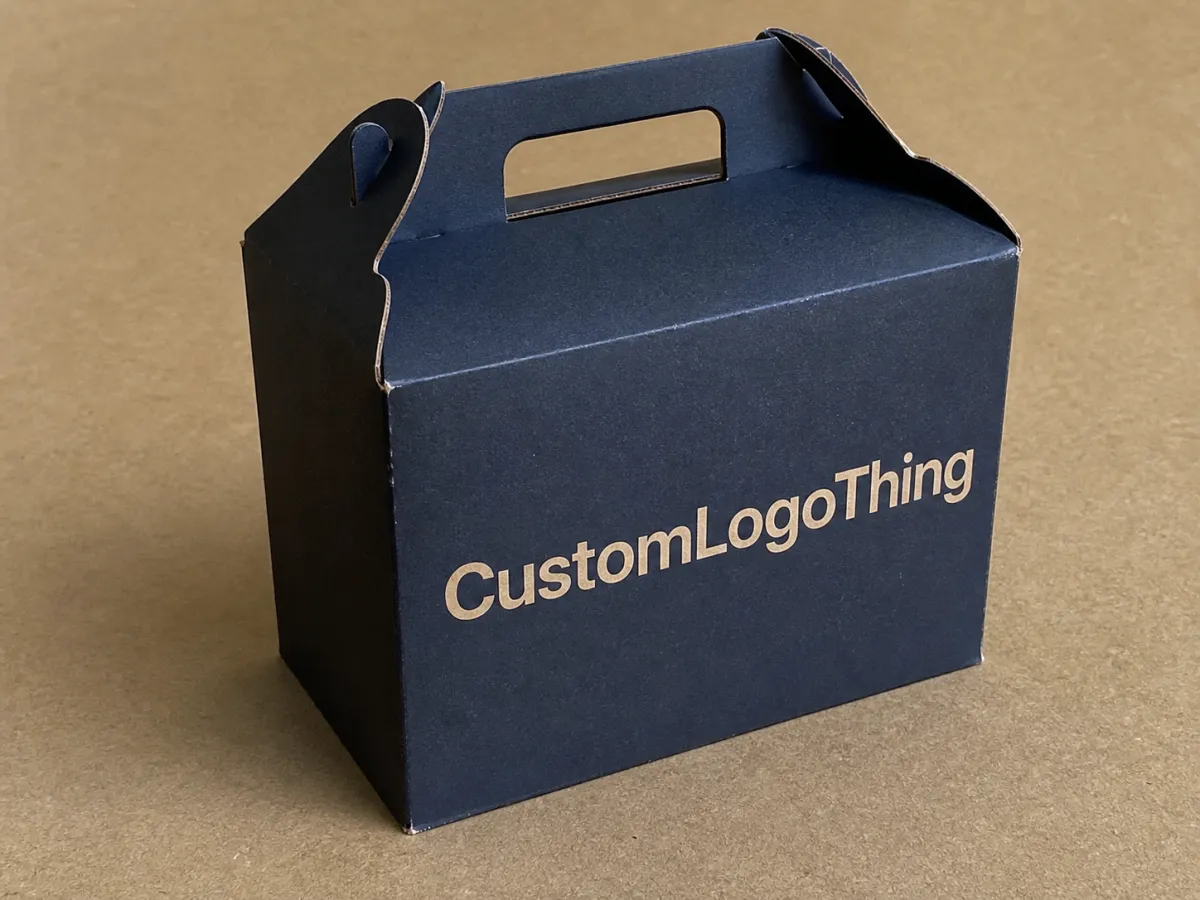
A box shape speaks fast. Faster than copy. Faster than most logos, honestly. A crisp opening flap, a fitted insert, or a window cutout tells a customer the brand paid attention to detail. That matters because people rarely judge packaging in a studio. They judge it while opening a delivery, scanning a retail shelf, or deciding whether a product feels premium enough to gift.
That is the real appeal of die cut Boxes for Branding. The structure becomes part of the message. A rigid tuck end feels different from a sleeve. A mailer with an easy-open tab feels different from a generic corrugated carton. A display box with a cut window signals confidence because it places the product in view instead of hiding it behind oversized graphics.
Take a candle brand, for example. If the jar sits loose in a thin carton, the customer reads “mass market.” Put that same candle in a snug insert with a controlled reveal and a quiet, textured surface, and the brand reads “careful,” even if the print is restrained. Cosmetics and skincare work the same way. So do subscription kits. The box is part of the visual branding, and the reveal can do as much for brand recognition as the logo itself.
That does not mean the design should shout. Loud packaging ages badly and can look cheap when coverage is heavy or the color drifts from batch to batch. Strong branding is usually more disciplined than that. The better die cut boxes use shape, fit, and surface finish to make the product feel considered.
A box that looks premium but assembles badly is not premium. It is just expensive.
For a buyer, that is the useful lens: the box should protect the item, support the brand identity, and still make sense in production. If the packaging team cannot explain how the style improves shelf presence or the opening moment, the design is probably decoration wearing a business costume.
There is a practical upside too. A well-planned die cut package can improve retail display, reduce extra filler, and make shipping more predictable. That is especially true when the structure is built around the actual product dimensions instead of guessed-at artwork measurements. In practice, the right box style can make the brand feel more expensive without adding unnecessary print effects.
Brands also use die cuts to solve smaller but very real merchandising problems. A cut window can help a color cosmetic sell faster because the shade is visible without opening the pack. A shaped insert can keep a serum bottle from tilting in transit. A custom reveal can make a PR kit feel curated rather than assembled. None of that sounds dramatic. It still changes the sale.
How Die Cut Boxes for Branding Work: Cut Lines, Folds, and Fit
A dieline is the blueprint. It shows where the board gets cut, scored, folded, glued, perforated, and sometimes locked into place. If a packaging buyer only remembers one thing, it should be this: a die cut box is not designed the same way a flyer or web banner is designed. The artwork has to respect the structure.
Cut lines define the outer shape. Score lines tell the board where to bend without cracking. Glue tabs join the panels. Perforations create tear-away sections. Locking tabs help the box stay closed without extra adhesive. Every one of those details affects how the box looks in hand, how fast it assembles, and how consistent the final finish feels.
Once the board is cut, a flat blank becomes a formed box through folding and locking. That sounds simple until tolerances enter the room. A product that is even a few millimeters too wide can rub against the walls, crush the corners, or make the lid bulge. A product that is too small can rattle, which ruins the premium feel very quickly. Nobody wants a nice box that sounds like a maraca.
Box style changes the branding experience too. A tuck top carton gives a clean retail look. A sleeve adds a layered reveal. A mailer is practical and sturdy for e-commerce. A display box puts the product in front of the customer sooner. Inserts add structure and stop movement, but they also add cost and setup time. That tradeoff matters more than many first-time buyers expect.
Here is a simple way to think about structure and brand message:
- Tuck boxes work well when you want a tidy, retail-ready front panel and easy assembly.
- Mailer boxes suit subscription kits and direct-to-consumer shipping because they travel well and feel more deliberate.
- Sleeves create a reveal moment and give you an extra layer for storytelling or product variation.
- Display boxes help with shelf presence when the product needs to stand upright or show part of the pack.
- Custom inserts keep fragile products stable and can make the packaging feel more intentional.
For shipping tests and distribution planning, many teams compare packaging against recognized methods such as ISTA test protocols, and they may also review general packaging education from the Institute of Packaging Professionals. If you need fiber sourcing or sustainability claims, FSC certification can matter depending on your market and your retailer requirements.
Dimensions are not a small detail. They are the core of the structure. A good quote starts with the product’s real size, the desired fit, and the weight of the item inside. For a compact skincare jar, 16pt to 18pt SBS or another printable paperboard may be enough. For heavier candles, gift sets, or multi-piece kits, a thicker board or a corrugated style may be the better call. If the package needs to survive warehouse handling, a structural review is worth the time.
That is where the dieline earns its keep. It turns branding from a vague idea into a buildable format. No guesswork, no magic. Just a shape that fits, folds well, and leaves enough room for the actual product to behave like itself.
Design Factors That Shape the Branding Outcome
Design starts with hierarchy. What should the customer see first? The logo? The product name? A flavor cue? A benefit statement? The answer depends on the channel, but the order matters. If everything competes for attention, nothing leads. That is how a package ends up looking busy instead of branded.
For die cut boxes for branding, the outside panel usually does the heavy lifting. It needs the strongest visual anchor, the clearest brand mark, and enough negative space to let the design breathe. If the box is going to sit on a shelf, the front face should be legible from a few feet away. If it is going to ship in an outer carton and appear only at unboxing, then the opening panel and inside print may matter more than the retail-facing side.
Materials shape the feel immediately. Coated paperboard gives sharp print and crisp color. Kraft board feels natural, honest, and a bit more handmade. Soft-touch lamination gives a velvety surface that many brands use for premium cosmetics and gift packaging. Spot UV can highlight a logo or pattern. Embossing adds tactile depth. Foil creates contrast and draws the eye, but too much of it can start to look like a wedding invitation with a trust fund.
Color strategy is just as important. A dark box can feel elegant, but it may show scuffs more easily. Light tones can look clean and modern, but they may expose fingerprints or handling marks. Natural kraft supports earthy, sustainable brand stories and pairs well with minimal print. Bright color blocks can help a playful or youthful brand stand out, but only if the ink coverage is controlled and the press can hold the shade across the full run.
Interior printing often gets treated like a bonus. It should not be. The inside is part of the story, especially when the outer panel is restrained. A pattern, message, or product guide inside the lid can reinforce brand consistency and extend the unboxing experience without adding noise to the outside of the box. That is a smarter use of real estate than cramming the front with every slogan the marketing team could find.
Insert design deserves the same attention. A foam insert, paperboard insert, or molded pulp tray does more than hold product in place. It shapes how the customer removes the item, how the product sits in the cavity, and how protected it feels during transit. For fragile items, the insert can make the difference between a clean reveal and a smashed corner.
There are production constraints too. Heavy ink coverage near a fold can crack if the board is bent too sharply. Very fine lines may disappear once the box is scored and folded. A soft-touch finish can scuff if the box rubs against other packed units. Metallic foil may require extra setup and careful registration. None of that means do not use it. It means plan for it before you approve the art.
From a packaging buyer’s point of view, the best design is the one that balances visual branding with actual production reality. If the structure, finish, and artwork all support the same message, the box feels intentional. If they fight each other, the result looks awkward no matter how expensive the print budget was.
What to prioritize first
Start with the panel that will carry the strongest message. Then choose the finish that supports that message instead of distracting from it. A natural brand may need texture and restraint. A luxury gift set may need deeper contrast and a cleaner opening sequence. A playful product may need color and a custom window shape. The choice should follow the brand, not the trend.
There is a second layer to that choice: how the box is handled after it leaves design. Matte surfaces can photograph beautifully, yet they show rub marks if the unit is nested tightly in a shipper. High-gloss looks vivid under retail lighting, but it can highlight scratches and fingerprints. The right finish is the one that survives both the photo shoot and the warehouse.
Cost and Pricing: MOQ, Unit Cost, and Quote Tradeoffs
Pricing for die cut boxes is never one number. It depends on size, board type, print coverage, finish count, insert complexity, and the number of custom cuts required. If someone gives you a quote without asking about those details, they are guessing or planning to revise it later. Neither option helps you.
The biggest pricing factor is usually setup. Custom tooling, dieline preparation, proofing, and press setup all create fixed costs. Those costs sting most on low-MOQ orders because they are spread across fewer units. That is why a 250-piece run can look far more expensive per box than a 5,000-piece run even when the materials are similar.
As a rough working range, a simple Custom Folding Carton might land around $0.35-$0.85 per unit at 1,000 pieces, depending on board, print sides, and finish. At 5,000 pieces, that same box may drop closer to $0.16-$0.42 per unit. Add foil, embossing, specialty coatings, or a custom insert, and the price climbs quickly. A premium presentation box with layered structure can sit around $1.20-$3.50 per unit in lower quantities, sometimes more if the structure is intricate.
Those figures are only planning ranges. They are useful for setting expectations, not for budgeting with legal certainty. A small box can cost more than a larger one if the print coverage is heavy, the die is complex, or the vendor needs extra hand-finishing. The quote follows the work, not the volume alone.
Tooling fees are another line item to watch. Expect a die-cut setup charge, and possibly plate charges if the print process requires them. Sample fees can also appear, especially for printed prototypes. Shipping is often underestimated too, particularly for larger cartons or dense paperboard orders. A quote that looks cheap on paper may turn into a headache once freight and sample revisions get added.
Here is where brands can save money without making the packaging look bargain-bin tired:
- Limit the number of special finishes to one or two.
- Use one strong print side instead of full coverage on every panel.
- Choose a standard board thickness where the product does not need extra rigidity.
- Simplify the insert structure if a basic paperboard or molded tray will do the job.
- Keep the dieline clean so the factory does not need extra handling steps.
And here is what should be included in a serious quote request:
- Exact product dimensions and weight
- Quantity range and expected reorder volume
- Board preference, if known
- Print sides and ink coverage
- Finish requests such as matte, gloss, foil, or soft-touch
- Insert or window requirements
- Sample type needed before approval
- Shipping destination and timing constraints
Budget tiers help frame expectations. They are not exact science, because every factory quotes a bit differently, but they are useful for planning:
| Tier | What It Usually Prioritizes | Typical Use Case | Rough Unit Cost at 1,000 Pieces |
|---|---|---|---|
| Lean | Standard board, one or two colors, minimal finishing | Starter brands, promo kits, simple retail cartons | $0.35-$0.75 |
| Mid-range premium | Better board, stronger print, matte or soft-touch, optional insert | Cosmetics, candles, gift packaging | $0.75-$1.80 |
| High-end | Complex structure, foil, embossing, specialty coatings, custom insert | Luxury launches, PR kits, premium retail lines | $1.80-$3.50+ |
That table is not a promise. It is a planning tool. A tiny box with heavy print can still cost more than a larger one with simple graphics. The quote follows the work, not the box volume alone. If you need a cleaner comparison across formats, our Custom Packaging Products page shows how different structures change the cost profile before you commit to a run.
For many brands, the smart move is not to chase the absolute cheapest option. It is to decide where the money matters. If the box will sit on a retail shelf, spend on front-panel visibility and finish. If it is an inner shipper, spend on structure and protection. If it is a gift item, spend on the opening moment. That is how you keep the budget aligned with customer perception instead of throwing money into shiny details that do not move the needle.
Another way to protect margin is to think in tiers before the design starts. A launch sample can be more elaborate than the long-term production version. A limited-edition run can carry foil or embossing while the everyday carton stays simpler. That split is common in beauty, specialty food, and seasonal gifting, and it keeps the packaging strategy tied to the product calendar rather than to one permanent spec.
Process and Timeline: From Dieline to Delivery
A clean process saves money. A messy one burns it. Most delays in custom packaging happen because the box size changes after artwork starts, or because the team approves a mockup before the fit has been checked. The fix is boring but effective: get the structure right first.
The usual sequence looks like this:
- Brief — share the product size, quantity, budget, and packaging goal.
- Dieline — confirm the flat template with all cut lines, folds, and glue areas.
- Artwork — place the graphics on the approved template.
- Proof — review a digital or physical proof for text, color, and alignment.
- Sample — check fit, finish, and opening behavior in hand.
- Approval — sign off once the box behaves the way you want.
- Production — print, cut, finish, and convert the order.
- Shipping — pack, palletize, and send the cartons to your destination.
For a simple custom carton with standard board and limited finishing, production can move in roughly 10-18 business days after proof approval. If you add special coatings, foil, embossing, or complex inserts, a more realistic window is 18-30 business days, sometimes longer if the sample needs revisions. If the size changes late, assume the schedule will stretch. It almost always does.
Samples are worth the cost more often than brands admit. A flat sample checks structure and panel proportions. A printed sample helps with color and layout. A full prototype shows how the product behaves in the final package. Each sample type solves a different problem, so the right one depends on what you are trying to verify. If the product is fragile, oddly shaped, or part of a premium launch, skipping the sample is a false economy.
There is also a difference between what looks good digitally and what works physically. A panel can appear perfectly balanced on-screen and still fail once the folds remove a few millimeters of design space. That is why artwork should be built on the real dieline, not a rough mockup copied into a presentation slide. The slide is for internal approval. The dieline is what the factory cuts.
When the process is tight, the project stays calm. One approved size. One approved finish plan. One clear sample checkpoint. That is usually enough. When the process turns into a rolling list of “small tweaks,” the budget gets chewed up by reproofing, new plates, and revised setup. Packaging teams know this. Brands learn it the hard way.
For teams that want a smarter launch rhythm, the best approach is to define the box early, then let the artwork follow. That order matters. You can always refine the graphics. You cannot casually change a dieline at the end and expect the calendar to smile back at you.
Timeline discipline also matters when your box is part of a larger rollout. If the product, retail shelves, and marketing assets all need to launch together, the packaging schedule becomes a dependency, not a side task. The safest path is to build in a buffer for dieline review and sample checks before anyone books photography or finalizes the retail ship date.
Common Mistakes When Ordering Die Cut Boxes
The most common mistake is designing for the screen instead of the box. A flat image does not show score lines, corner wraps, glue tabs, or trim tolerances. If the design depends on a perfectly centered graphic at the fold line, it is probably going to annoy someone in production.
The second mistake is treating the box like decoration only. Packaging has to survive handling, drop stress, and stacking. That matters whether the item ships from a warehouse or sits on a shelf. A beautiful carton that caves in during transit does not build brand recognition. It builds complaints.
The third mistake is overdoing the effects. Foil, spot UV, embossing, and complex print can all work. Together, on the wrong design, they can make the box feel crowded and expensive to produce. Batch consistency also gets harder when the spec stack gets too tall. If you need a strong visual result, it is often better to choose one hero finish and let the rest stay quiet.
Skipping samples is another classic. A mockup on a screen does not tell you whether the insert is too tight, whether the lid opens too stiffly, or whether the texture feels cheap under normal lighting. Once the order runs, those surprises are your problem. Before that, they are only inconvenient. After that, they are costly.
There is one more trap: choosing a style that photographs well but is awkward to assemble or expensive to ship. Plenty of brands fall for a dramatic reveal and ignore warehouse reality. If the box takes too long to fill, folds poorly on the line, or needs extra freight because of its size, the packaging stops earning its keep.
Here is a short list of warning signs that a spec is drifting off track:
- The dieline was approved before the product was measured carefully.
- The artwork has no bleed or safe margin around folds and cut edges.
- The finish list keeps growing every time someone reviews the proof.
- The sample looks sharp, but the product rattles in transit.
- The box is gorgeous, but the pack-out team hates assembling it.
That last one matters more than people think. A package that slows down fulfillment can quietly cost more than its print price. If you are comparing packaging styles and want a reality check, browsing a few Case Studies can help you see how different structures behave once they leave the design file and enter the real world.
Another mistake is forgetting the role of secondary branding. Not every launch needs a custom box for everything. Sometimes labels, tags, or simpler outer packaging can carry a smaller release while the main carton does the heavy lift. That is where Custom Labels & Tags can support a broader launch plan without forcing every item into an expensive package spec.
One more practical caution: if your product includes fragile components, glass, liquid, or sharp edges, ask how the structure performs after repeated handling, not just in the first unboxing. A box that survives a single demo can still fail once it moves through returns, warehouse repacks, or store-level merchandising.
Expert Tips and Next Steps for a Better Launch
Start with the product, not the artwork. That sounds almost too obvious, which is probably why so many launches get it wrong. Measure the item. Weigh it. Decide whether it ships alone or inside another carton. Then choose the box style that supports the actual use case. That sequence saves time and prevents the “pretty but unusable” problem.
Build a one-page packaging brief before you ask for quotes. Keep it simple and concrete:
- Product dimensions and weight
- Target quantity and likely reorder range
- Desired material feel: kraft, coated board, rigid, corrugated, or mixed
- Finish priority: matte, gloss, soft-touch, foil, embossing, spot UV
- Brand tone: minimal, natural, premium, playful, technical, gift-ready
- Shipping conditions and storage expectations
- Whether the box must support retail display, e-commerce shipping, or both
That brief does two things. It makes the quote more accurate, and it saves you from answering the same five questions three different ways. Good packaging vendors do not need poetry. They need usable information.
Order a sample or prototype whenever the product is fragile, the structure is unusual, or the brand is stepping into a new format. A small sample fee is cheaper than an entire run of boxes that miss the fit by a few millimeters. The risk rises quickly when the product is dense, oddly shaped, or meant to feel premium in hand. If you are shipping long distances or through multiple handling points, testing the sample under real conditions is worth the time.
Test the packaging in the real world, not just on a render. Put it through warehouse handling. Stack it. Shake it. Open it with gloves if that is how your operations team will actually use it. Then check the shelf view and the customer unboxing. If the package behaves well in those settings, the design is doing its job. If not, the fix is usually structural, not cosmetic.
My practical rule: spend first on fit, second on finish, and third on decoration. That order is not glamorous, but it works. A smart structure makes the brand look organized. A smart finish makes it feel intentional. Decoration only matters once the other two are already right.
If you want a fast next step, request a quote with dimensions, quantity, finish preference, and any insert or window notes. Review the dieline before artwork is finalized. Approve the sample only after checking the product in hand. Then move into production. That is the clean path, and it is the one that keeps die cut boxes for branding from turning into a budget mystery.
For launch planning, the most useful habit is to decide what the box must accomplish in one sentence. Does it need to protect, display, gift, or ship? If the answer is clear, the rest of the spec becomes easier to defend, and the packaging team has a target that is practical instead of vague.
Die cut boxes for branding are not just about packaging that looks good in a mockup. They are about a structure that supports the product, strengthens visual branding, and improves customer perception without wasting money on the wrong details. When the fit is right, the finish is deliberate, and the process is controlled, the box does exactly what it should do. It sells the story before the customer even opens the carton. And yes, die cut boxes for branding are still one of the cleaner ways to make that happen.
FAQ
What are die cut boxes for branding used for?
They are used when the box shape, opening, or insert needs to support the brand story, not just hold the product. They are common for cosmetics, candles, electronics, gift sets, and subscription kits where presentation affects perceived value.
Are die cut boxes for branding more expensive than standard boxes?
Usually yes, but not always dramatically. The biggest cost jump comes from custom tooling, finishing, and low MOQ orders. You can keep costs controlled by simplifying print coverage, limiting special finishes, and choosing a standard board where possible.
How long does it take to produce custom die cut boxes for branding?
Simple runs can move quickly once the dieline and artwork are approved, but samples, revisions, and special finishes add lead time. If the size changes late in the process, expect the schedule to stretch because the structure, proof, and production plan all need updating.
What files do I need for die cut boxes for branding quotes?
Send product dimensions, quantity, material preference, print sides, finish preference, and any insert or window requirements. If you already have artwork, include the dieline file or ask for one, because accurate panel setup is what keeps the quote and timeline realistic.
How do I choose the right material for die cut boxes for branding?
Match the material to product weight, shipping conditions, and the feel you want the customer to associate with the brand. Kraft feels natural and honest, coated board feels sharper and more retail-ready, and heavier stock improves protection and structure.
Can die cut boxes for branding be used for both retail and e-commerce?
Yes, but the structure needs to be chosen with both environments in mind. A retail-first box may focus on shelf presence, while an e-commerce version usually needs stronger closure points, better stacking behavior, and an insert or wall thickness that can handle transit stress.