Buyer Fit Snapshot
| Best fit | Die Cut Sleeves for Subscription Boxes projects where brand print, material claims, artwork control, MOQ, and repeat-order consistency need to be specified before quoting. |
|---|---|
| Quote inputs | Share finished size, material target, print colors, finish, packing count, annual reorder estimate, ship-to region, and any compliance wording. |
| Proofing check | Approve dieline scale, logo placement, barcode or warning zones, color tolerance, closure strength, and carton packing before bulk production. |
| Main risk | Vague material claims, crowded artwork, missing packing details, or unclear freight terms can make a low unit price expensive after revisions. |
Fast answer: Die Cut Sleeves for Subscription Boxes: Board, Finish, Dieline, and Unit Cost should be specified like a repeatable production item. The safest quote records material, print method, finish, artwork proof, packing count, and reorder notes in one written spec.
Production checks before approval
Compare the actual filled-product size with the drawing, then confirm tolerance on folds, seals, hang holes, label areas, and retail display edges. Reserve space for logos, QR codes, warning copy, and material claims before decorative graphics fill the panel.
Quote comparison points
Review material grade, print process, finish, sampling route, tooling charges, carton quantity, and freight assumptions side by side. A quote is only useful when the supplier can repeat the same color, closure quality, and packing count on the next order.
Die Cut Sleeves for subscription boxes do something a plain mailer rarely manages: they make the shipment feel planned. Not accidental. Not like somebody grabbed the nearest carton and hoped for the best. That first impression matters because customers judge packaging fast, usually before they have processed the product itself. A well-made sleeve can lift the perceived value of the whole kit before the box is even opened, which is exactly why die cut sleeves for subscription boxes keep showing up in budgets that survive procurement.
The value is not just the print surface. Structure is doing work here. A sleeve can frame a base carton, carry seasonal art, separate SKUs, protect the brand from constant box redesigns, and let marketing swap campaigns without rebuilding the packaging system every month. For brands comparing sleeves against belly bands or full custom cartons, that difference affects freight, setup time, inventory, and how much flexibility is left when the calendar gets messy. If you are also comparing inserts, mailers, or outer packs, the broader range on Custom Packaging Products is a useful way to see what the sleeve needs to support.
The best sleeve is usually not the loudest one. It is the one that fits cleanly, prints clearly, assembles quickly, and survives shipping without rubbing, buckling, or sliding out of place. That balance is the whole point.
What die cut sleeves for subscription boxes actually do
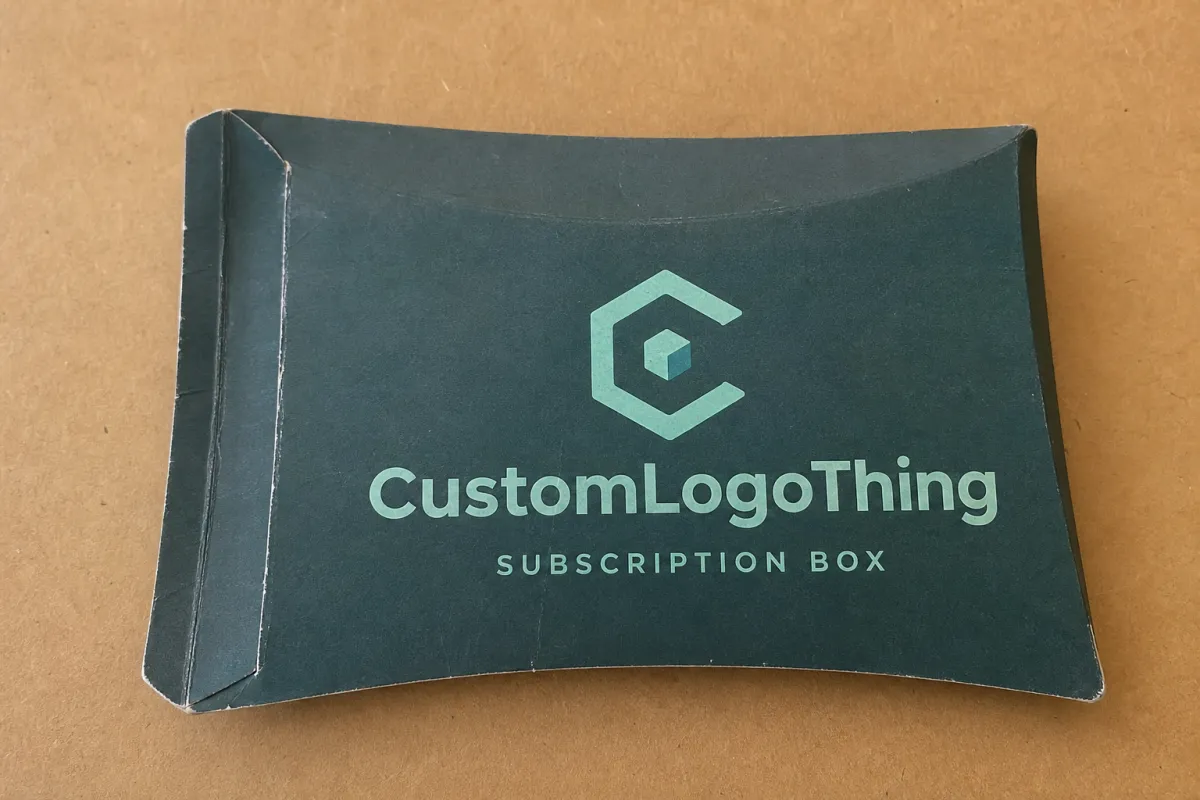
A die cut sleeve is a printed wrap, band, or partial jacket cut to a specific carton shape so it holds position around the package. The folds, tabs, openings, and lock points are built for the box, not just for decoration. In practice, the sleeve turns a standard carton into a branded layer that can be swapped faster than the base pack itself.
Subscription brands rely on that flexibility for a reason. The box underneath can stay fixed while the sleeve changes by flavor, theme, month, region, or campaign. A beauty box might need a restrained visual system one quarter and a holiday version the next. A snack program may want retail-friendly shelf appeal in one channel and a lighter direct-to-consumer look in another. A sleeve lets the brand pivot without redesigning the entire package every time the creative team gets ambitious.
There is a buying reason too. Full custom cartons need more structural control, more printed surface, and more storage. A sleeve gives part of the same branding payoff with less operational baggage. That matters when a subscription program is still testing demand or shipping a few hundred to a few thousand units at a time.
It helps to separate the common formats:
- Sleeve: A wrap or jacket that covers part or all of a base box and usually uses folds, tabs, or tension to stay in place.
- Belly band: A narrower band that typically wraps around the middle of a pack for branding, messaging, or SKU identification.
- Full carton: A complete printed box that becomes the package itself, often with more structural responsibility and more material use.
That distinction matters because the wrong pick can make the pack too expensive or too flimsy. A belly band works when you only need a naming device, a promo strip, or a short seasonal message. A full custom carton makes sense if the outer package has to handle shipping loads, product protection, and visual identity all at once. A die cut sleeve sits in the middle, which is often exactly where a subscription brand wants to be.
If the packaging has to change often, a sleeve is usually the least painful way to refresh the story without rebuilding the whole box system.
That middle position is also why die cut sleeves for subscription boxes can change perceived value so fast. A plain white mailer with a well-printed sleeve can feel curated. A rigid box with a precision-cut wrap can feel limited-run. Nothing mystical there. It is structure plus surface design, and customers read that combination almost instantly.
How the sleeve structure works in real packaging
The structure starts with the dieline. That sheet carries the math: score lines, cut paths, glue zones if they are needed, tab shapes, and alignment points. If the carton is even slightly too wide or too deep, the sleeve can scuff corners or float loose around the pack. If the tab is too short, the sleeve can twist during handling. If the cutouts are off, the panel meant to show the logo can disappear under a fold. Packaging has a way of punishing sloppy measuring.
Good sleeve engineering usually starts with the finished box, not the nominal box size on the spec sheet. That feels obvious after the fact and annoying before it. Real cartons vary by a few millimeters once they are folded, glued, or compressed. A sleeve that fits the theoretical size can behave badly on the line. A sleeve that fits the actual packed carton behaves like somebody in operations had a say, which is how it should be.
Most subscription programs use sleeves in one of three ways. The sleeve may slide over a closed mailer and stay in place by friction. It may wrap a rigid box and use a tuck or lock to stay aligned. Or it may frame a kit by covering the front and side panels while leaving a QR code, return label, or product window visible. Each one solves a different problem, and each one shifts the stress points during fulfillment.
Cutouts deserve more attention than they usually get. A window can show a hero product, reveal a logo, or create a tactile moment without exposing the contents too early. A tear strip can make opening easier and cut the odds of a mangled sleeve. A handle cutout helps if the box gets displayed or carried as a gift. A QR code window can connect print to digital, but only if the code still scans after folding and handling.
Assembly speed is another structural issue that gets ignored until somebody on the line complains. If the sleeve takes several hand motions to align, tuck, and press, it becomes a labor problem, not a branding asset. Fulfillment teams notice that immediately. A sleeve that slows pack-out by even a few seconds per unit can turn a clever design into a cost line nobody wants to defend.
That is why the best structural decisions are boring in the best possible way. Clean scores. Straight folds. Repeatable tabs. No wrestling match at the packing table.
Transit performance matters too. The sleeve has to tolerate rubbing, stacking, and the occasional corner crush. If the package moves through e-commerce channels, the printed surface may contact other cartons, corrugate edges, or tote bins. Coating choice, board stiffness, and lock design all matter here. A beautiful sleeve that scuffs in shipping is not a design win. It is a claims problem wearing makeup.
For brands that want a formal quality benchmark, transit testing can follow ISTA methods. If the brief includes responsible fiber sourcing, FSC certification is worth confirming at the sourcing stage instead of after the artwork is signed off. Those references do not replace sampling, but they do give the packaging team a common language.
Key design and material factors that change the outcome
Box dimensions come first because they shape everything else. A sleeve that is too tight can crush edges or buckle at the score. A sleeve that is too loose can drift out of alignment and look careless. The sensible move is to confirm the finished pack size, the board caliper, and the acceptable tolerance range before design starts. A small miss can force a revision that costs more than the original adjustment ever would have.
Stock choice comes next. For lighter subscription mailers, a coated paperboard in the 14pt to 18pt range may be enough if the sleeve mainly needs visual impact. For a more premium box or rigid setup, something closer to 24pt SBS, 250gsm to 350gsm artboard, or a similar stiff sheet can help the sleeve hold its shape. The right answer depends on how much structure the sleeve needs to contribute and how much manual folding your team can tolerate.
Finish choices change the feel quickly. Aqueous coating is often the budget-friendly workhorse. Matte lamination gives a restrained look and cuts glare in product photos. Soft-touch lamination adds a velvety feel, though it can also show scuffs if shipping is rough. Foil stamping and embossing create strong shelf cues, but they also raise setup costs and can slow production. Stack too many special effects and the sleeve stops feeling premium. It starts feeling busy.
Print coverage affects both perception and production behavior. Full-bleed color can make the sleeve feel more expensive, especially when the base box is simple. Dark backgrounds can help logo treatments stand out. Dense ink coverage can also raise drying demands and increase rub-off risk if the coating does not match the print method. A packaging buyer should treat rich color as a tradeoff, not a free upgrade.
Visual hierarchy matters just as much. The strongest subscription sleeves usually give one element the lead role: the logo, the product story, the month theme, or a callout for a specific SKU. When every panel competes for attention, the sleeve starts reading like a crowded flyer. That problem shows up more than brands want to admit because somebody keeps adding claims, icons, and promo text until the whole thing loses its shape.
Distribution channel changes the brief too. If the box ships through standard parcel networks, the sleeve needs more abrasion resistance and tighter fit control. If the box is handed out at a retail counter or event booth, the sleeve can focus more on first impression and less on parcel abuse. If the box is stacked in a warehouse, the top panel needs better resistance to compression marks. The same artwork can work in all three cases, but the board and finish may need to change.
One useful rule: let the sleeve do one or two jobs well instead of trying to solve every packaging problem at once. A sleeve can tell the story, identify the SKU, and lift the box. It does not also need to become a shipping shell, a promotional booklet, and a replacement for the carton unless the budget and line setup are built for that mess.
Brands still refining their packaging mix often get better results by pairing the sleeve with a stable base pack. That keeps the core dimensions consistent and lets the artwork evolve more freely. If you are comparing concepts, a simple decision matrix helps:
| Format | Best use | Typical material | Assembly burden | Cost pressure |
|---|---|---|---|---|
| Belly band | Light branding, seasonal messaging, SKU labeling | 12pt to 16pt paperboard or coated text stock | Low | Usually the lowest |
| Die cut sleeve | Brand framing, product segmentation, premium presentation | 14pt to 24pt board depending on fit and stiffness needs | Low to moderate | Moderate |
| Full custom carton | Outer branding plus structure and protection | Varies by transit demand, often corrugated or rigid board | Moderate to high | Highest |
The table matters because the cheapest option is not always the smartest one. A belly band can save money, but if it slides, wrinkles, or feels too minimal, it can undermine the brand. A full custom carton can be beautiful, but if the box size changes every few months, the operational burden can wipe out the benefit. The sleeve often lands in the middle because that middle is where flexibility tends to live.
Cost and pricing factors for die cut sleeves
Pricing starts with size. A larger sleeve uses more board, takes up more sheet space, and often creates more waste between cuts. Odd shapes can reduce sheet efficiency too, which pushes the per-unit cost up faster than people expect. If the sleeve needs a wide opening, multiple folds, or a long wraparound panel, the price can climb before any finishing is added.
Quantity matters just as much. Small runs carry higher unit costs because setup, proofing, and die creation are spread across fewer pieces. At higher volumes, the setup cost gets diluted, which is why a 10,000-piece run can price very differently from a 1,000-piece run even if the design looks nearly identical. Packaging buyers comparing quotes should not get hypnotized by the unit number. The real spend is tooling, production, freight, and labor together.
As a rough planning range, simple die cut sleeves for subscription boxes may land around $0.18 to $0.40 per unit at larger runs, while smaller orders can sit closer to $0.35 to $0.85 depending on stock and finish. Add foil, embossing, specialty coatings, or complex cutouts, and the cost can move upward fast. Those numbers are directional, not universal. Market, freight, print method, and waste rates matter, so treat any estimate as a planning placeholder rather than a promise.
Here is a quick comparison that packaging teams can use when talking through budget:
| Cost Driver | What Usually Happens | How to Control It |
|---|---|---|
| Size | Larger sleeves use more material and lower sheet yield | Keep the dieline tight to the finished carton |
| Quantity | Lower runs have higher setup cost per piece | Consolidate SKUs or print a larger batch when demand is stable |
| Stock choice | Heavier or premium boards raise material cost | Match board weight to the real shipping need, not the fanciest option |
| Finishing | Foil, embossing, and specialty coatings add setup and run time | Reserve premium effects for one focal area |
| Artwork complexity | Heavy ink coverage and multiple versions increase press attention | Reuse a stable base dieline and vary the graphics only |
| Assembly | Complex folds or glue points add labor at fulfillment | Test pack-out speed before approving the final structure |
Comparing quotes fairly is one of the easiest ways to avoid regret. A low headline number can hide extras like die creation, proofing, plate fees, freight, insert packing, or extra folding labor. The honest quote is the one that breaks out each line item clearly.
There is a savings angle too. If one sleeve dieline can support holiday artwork, product launch artwork, and evergreen artwork with minimal changes, the team avoids re-engineering costs. That matters because redesigning the structure every time is far more expensive than swapping graphics on the same blank size. For Subscription Brands That rotate themes often, that reuse can be the difference between a manageable packaging system and a procurement headache with a calendar attached to it.
Some brands ask whether a sleeve can reduce overall packaging spend. Sometimes yes. Not automatically. If the sleeve lets the base box stay standard and reduces the need for a fully printed carton, the program may save money. If the sleeve adds a new production step without replacing another component, total cost can rise. The financial logic depends on what it displaces.
That is why a buyer should ask for a quote on the full packaging stack, not just the sleeve by itself. The sleeve is one piece of the system. The real question is whether it improves the package enough to justify the extra handling and print work.
Production process and timeline: from dieline to delivery
The cleanest production runs start with a tight brief. Share the final box dimensions, the product weight, the shipping method, the target quantity, and the visual goal before artwork starts. If the sleeve needs to fit over a folded mailer, a rigid box, or a tray-and-lid setup, say so early. Vendors can build the dieline far more accurately when they know the real packaging structure instead of guessing from a reference photo and a shrug.
Once the brief is locked, the dieline comes next. This is not the place for improvising dimensions. The structure should be confirmed before design fills the panels with copy and imagery, because late structural changes can break text placement, shift logos off-center, and trigger a second proof cycle. In a subscription program, that delay can ripple into launch dates fast.
Proofing should happen in stages. First comes the digital proof, where artwork placement, bleed, and panel labels are checked. Then comes the structural sample or mockup, which shows whether the sleeve fits the box properly and whether the assembly logic makes sense. After that, a print proof or color-accurate sample can confirm tone, ink density, and finish behavior. Skipping one of those steps is possible. It also raises the odds of finding a problem after the full run is already moving.
Timeline depends on complexity, but a straightforward sleeve can often move through production in about 10 to 15 business days after final approval. More complex runs with special finishes, multiple SKUs, or custom samples may take 15 to 25 business days or more. Freight, seasonal congestion, and proof revisions can add extra time. If the launch date is fixed, build a buffer instead of betting everything on the shortest timeline the factory can imagine on a good day.
That buffer matters because late changes are expensive. A new barcode, a revised ingredient statement, a last-minute logo swap, or a moved window can all trigger rework. The delay I see most often is not the press itself. It is the back-and-forth before the job gets approved. Packaging teams that lock copy and dimensions early tend to get better results and less stress.
There are a few checkpoints worth keeping in the production checklist:
- Final box size: confirm the actual assembled dimension, not the nominal carton spec.
- Artwork lock: freeze copy, colors, and barcodes before prepress.
- Assembly method: define whether the sleeve is friction-fit, tab-locked, or glued.
- Transit requirement: decide whether the pack should be tested against parcel abuse or display handling.
- Material claims: verify sourcing and recycling claims before print approval.
If the sleeve is part of a regulated category or a high-value shipment, the testing conversation gets more serious. Transit protocols, drop resistance, and compression performance may deserve formal review. A standards-based mindset can save time later. Packaging professionals do not need to turn every sleeve into a science project, but they should know when the pack has crossed from visual upgrade into functional shipping component.
For buyers comparing vendors, one practical question is whether the supplier can handle both structure and print guidance. Some teams only quote from an existing dieline. Others can help adjust wrap geometry, recommend coatings for rub resistance, and suggest stock weights that fit the fulfillment environment. That kind of help matters because a sleeve that looks great on screen but fails in the hand is not a finished solution.
If your program includes other branded components, it is easier to build a coherent packaging stack than to order each piece in isolation. The sleeve should fit the whole system, not fight it.
Common mistakes that make sleeves look cheap or fail in fulfillment
The first mistake is designing before the box dimensions are final. Basic? Yes. Still the cause of more sleeve problems than almost anything else. If the carton changes after the artwork is approved, the sleeve may sit too loose, pinch the corners, or miss the reveal point. Once that happens, the entire pack can look off by just enough to feel unprofessional.
The second mistake is overbranding. Too much copy, too many icons, too many finishes, and too many competing messages can flatten the design. A sleeve should guide the eye. If the hierarchy is cluttered, the customer reads confusion instead of intention. That is especially risky for subscription boxes, where the customer expects a curated experience, not a crowded flyer pretending to be packaging.
The third problem is ignoring the pack-out team. A design that takes too long to apply will be resented by the people assembling the boxes, and that resentment often shows up as skipped steps, crooked placement, or inconsistent alignment. Packaging success is not only about appearance. It also depends on whether the line can repeat the process cleanly across a large batch.
Scuffing is another common failure point. Certain matte coatings, deep black inks, and soft-touch finishes can show marks if the box rubs against corrugate or other cartons. That is not always a reason to avoid them. It is a reason to test them under real shipping conditions. A print sample on a studio table can hide the wear that shows up after the box moves through a warehouse.
Window placement can backfire too. A cutout may look elegant on the drawing board, but if it reveals a seam, a gap, or a shipping mark, it can weaken the unboxing moment instead of improving it. The same goes for tear strips. If they are placed poorly, they can damage artwork or create an awkward opening path that feels more frustrating than premium.
There is a sustainability mistake as well: using more board than necessary because the dieline was never optimized. A sleeve that could have been trimmed by even a small amount may waste material on every unit for the life of the program. That waste is easy to ignore on one order, then it quietly compounds across a subscription run. Better fitting geometry is often the easiest sustainability improvement available.
A sleeve should feel like a clean answer to a packaging problem. If it creates new labor, new waste, or new damage points, the branding is getting paid for twice by the operations team.
One final mistake is failing to validate the sleeve with actual product. Samples should be packed, shaken, stacked, and opened. Otherwise the team is judging a graphic object instead of a functioning package. The difference becomes obvious as soon as the first live shipment goes out.
Expert tips and next steps for a smarter sleeve rollout
Start small. One hero SKU is usually enough to prove the concept. That gives the team a clear read on fit, assembly speed, and visual impact without committing the whole subscription program to a new structure. If the sleeve works on the highest-visibility box first, the rollout becomes much easier to defend internally.
Ask for a sample that tests both appearance and durability. A shelf-style mockup tells you how the package reads at first glance. A packed-and-shipped sample tells you whether the finish scuffs, the folds hold, and the sleeve stays centered after transit. Those are not the same test. Both matter.
Whenever possible, reuse one dieline across multiple creative themes. That approach lowers engineering friction and makes reorders easier. Seasonal changes can still feel fresh because the artwork changes, while the structural system stays stable. Procurement teams like that because surprises shrink. Operations likes it because line setup stays predictable. Design likes it because the brand system gets cleaner over time.
Here is the practical rollout sequence I would recommend for most brands:
- Measure the finished box and confirm tolerance range.
- Choose the sleeve format: band, wrap, or locked sleeve.
- Request a dieline before designing the artwork.
- Approve a structural sample before print approval.
- Compare quotes with freight, tooling, and finishing included.
- Run a small live test before full launch.
That order sounds simple, but it prevents a long list of avoidable problems. The teams that rush the art and treat structure like an afterthought often pay for reprints, assembly slowdowns, or packaging changes that a better sample cycle would have caught. The teams that plan early usually get a more polished result with less total headache.
Packaging buyers should also keep the customer journey in view. A sleeve is not just a surface. It is part of the unboxing sequence, the shelf cue, the photo moment, and sometimes the reuse decision. If the package feels worth keeping, the sleeve has done more than decorate a box. It has helped the brand stay visible after delivery.
That is the real value of die cut sleeves for subscription boxes. They give brands a controlled way to lift presentation, segment products, and keep the base carton consistent while the campaign shifts around it. The best programs treat the sleeve as a planning tool, not an afterthought. If you are building one, start with the measurements, request a sample, and compare suppliers against the same structure and finish assumptions. Do that, and you turn die cut sleeves for subscription boxes into a practical packaging asset instead of another print expense.
What are die cut sleeves for subscription boxes used for?
They add branding, campaign messaging, and seasonal variation without replacing the base box. They can also help segment SKUs, highlight promotions, and make the unboxing feel more premium. That is especially useful when the core carton stays the same but the creative changes often.
How do I choose the right material for die cut sleeves for subscription boxes?
Match the stock to the box weight, shipping conditions, and the look you want customers to feel in hand. A stiffer board helps the sleeve hold shape, while a lighter stock can reduce cost and make folding faster. Ask for a sample so you can test scuff resistance, fold quality, and print clarity under real handling.
Do die cut sleeves need glue, or can they be friction-fit?
Many sleeves are designed to stay in place with folds, tabs, or wrap tension alone. Glue can help when the sleeve must stay fixed during shipping or high-speed packing, but it is not always necessary. The right choice depends on sleeve geometry, carton size, and how much manual assembly your team can tolerate.
What affects the cost of die cut sleeves for subscription boxes the most?
Quantity, size, stock choice, and finishing options usually drive pricing the most. Complex die shapes, heavy ink coverage, and specialty effects can raise setup and unit costs quickly. Freight, proofing, and assembly time should also be counted when you compare quotes, because the headline unit price rarely tells the whole story.
How long does production usually take for die cut sleeves?
Timing depends on proofing speed, print complexity, and current factory capacity. The fastest projects are the ones with final artwork, final dimensions, and quick approval cycles. Build in extra time for samples and shipping if the sleeves are tied to a launch date, because die cut sleeves for subscription boxes are usually better handled as a scheduled packaging project than as a rush order.
The cleanest next step is simple: lock the finished box dimensions, choose the sleeve format that matches your fulfillment method, and request a packed sample before you approve print. If the sample fits, survives transit, and still looks intentional after handling, you have a sleeve that can carry a subscription program without creating extra work for operations. That is the standard worth aiming for.