For cosmetic brands, a drawstring bag is rarely just a pretty add-on. It sits between product protection, presentation, and line speed, which is why Drawstring Plastic Bags packing requirements for cosmetics brand fulfillment need to be treated like a working spec, not a design flourish. A bag can look clean in a mockup and still slow a packer, pinch a closure, or make a finished kit appear uneven from one order to the next.
That tension shows up fast in beauty operations. Teams want a packout that moves quickly, but they also want the finished set to feel intentional, giftable, and on brand. If the bag is too small, the kit gets forced. If it is too large, the contents drift and the presentation looks loose. Either way, the customer sees the result before touching anything inside.
There is also a simple arithmetic problem that brands sometimes underestimate. A two-second delay per unit sounds minor until it lands across 25,000 or 100,000 bags. At that scale, seconds become labor hours, labor hours become cost, and cost becomes margin. The right bag specification trims all three.
A cosmetic drawstring bag can pass a visual check and still fail operationally if it snags, closes unevenly, or forces a second touch on the line. In fulfillment, second touches are expensive because they slow throughput and create inconsistency.
Drawstring Plastic Bags Packing Requirements for Cosmetics Brand Fulfillment
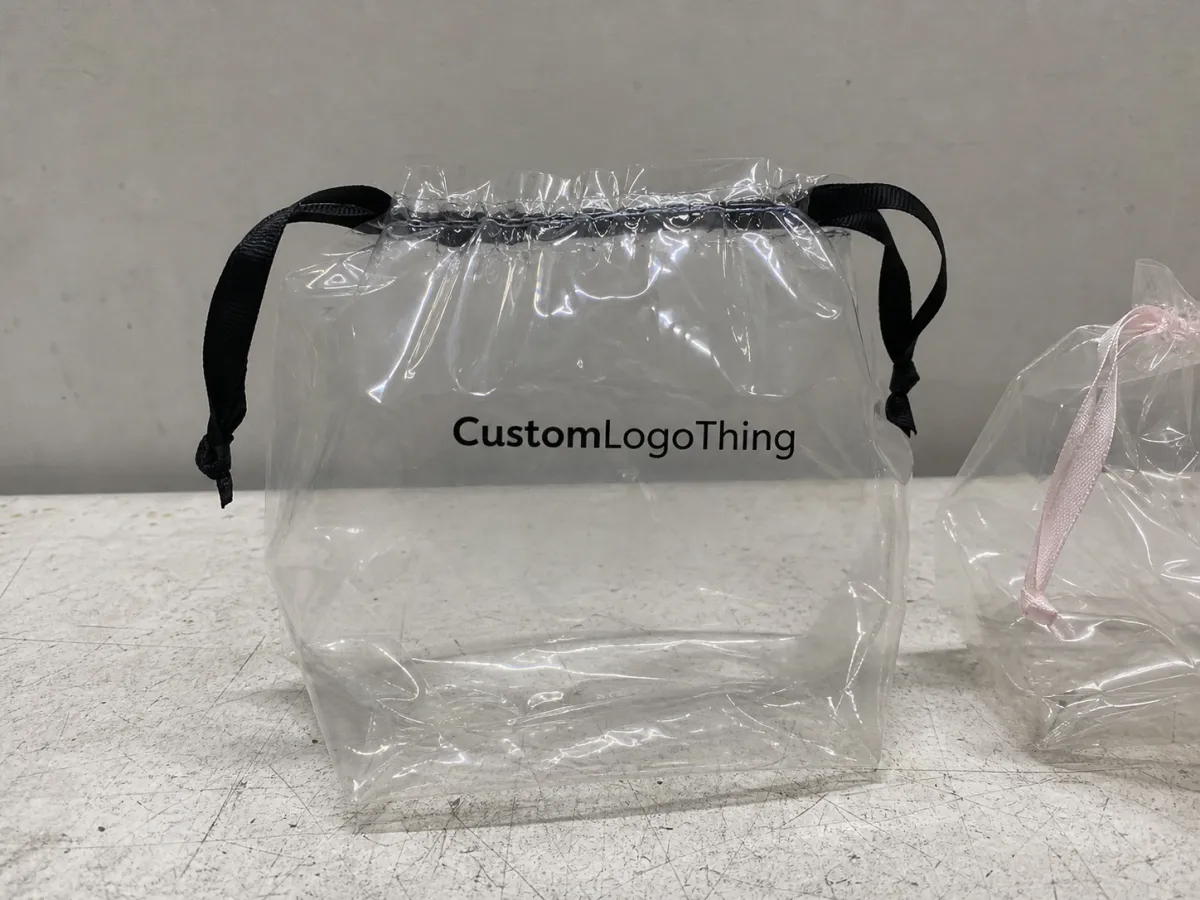
The practical meaning of Drawstring Plastic Bags packing requirements for cosmetics brand fulfillment is broader than size alone. The spec has to cover dimensions, resin type, film thickness, closure behavior, label placement, count accuracy, and how the bag performs during packing, staging, and shipping. A product sheet may list material and color, but it will not tell you whether the bag loads quickly, closes squarely, or keeps a compact kit looking tidy after handling.
Cosmetics programs are unusually sensitive to presentation because the packaging often carries part of the product value. Drawstring bags are used for sample kits, influencer mailers, travel sets, spa bundles, seasonal gift packs, and retail-ready promotions. In all of those cases, the bag does more than hold product. It supports visual branding and signals whether the order feels premium or improvised.
Fulfillment teams usually care about three things at once:
- protection during hand packing, bin movement, and carton transit,
- speed on the line, especially for repeated kits or recurring promotions,
- presentation that stays consistent from the first pack to the last.
That combination is why the bag should be fit to the actual product mix, not just to the largest item on paper. A single lipstick is easy. A lipstick, insert card, mini lotion, mirror, and tissue create a very different footprint. If the spec only fits the simplest version, the warehouse ends up making judgment calls at the line, and judgment calls are where inconsistencies creep in.
In many beauty programs, the drawstring bag becomes a repeatable operating tool. If it works with the same fill pattern every time, the packout is predictable and the reorder is easier to manage. If every SKU needs special handling, the line slows down and the customer sees variation that should have been engineered out earlier. Teams that want a benchmark often review Case Studies to compare how similar kits were structured before they finalize a new bag spec.
How the Packout Process and Timeline Stay on Schedule
The packout sequence is usually straightforward, but the schedule depends on discipline. First, the team confirms the SKU list and finished pack count. Then the bag size, film, and artwork are approved. After that comes sampling, production, receiving, and line-side staging. Delays usually start when one of those steps changes after the quote or proof has already been built.
Late artwork is one of the most common causes. So is a last-minute decision to turn a single-item bag into a mixed kit. Mixed kits change usable interior space and often require a different insertion order. Add a tissue sheet, card insert, or sample vial after approval and the fit needs to be checked again. Even a small change can alter the closure tension or force a different packing motion.
Lead time depends on the bag type. Stock clear bags can move quickly, often within 3-7 business days if inventory is on hand. Custom printed programs usually run longer, often 12-20 business days after proof approval, depending on quantity, coverage, and whether a sample round is needed. If the order includes special kitting, retail sorting, or a launch tied to a fixed date, buffer time is wise. Beauty calendars rarely forgive a late packout.
How the bags arrive matters too. Good receiving practice usually means cartons are counted, labeled, and staged by SKU or kit family so the warehouse can move without sorting on the fly. If one mixed case has to be opened and resegregated, the clock starts bleeding before the first customer order ships. That is why the packaging spec should reflect the actual warehouse flow, not just the artwork file.
Industry testing references such as ISTA and packaging.org can help teams think about transport performance. The inner bag is only one layer of protection. Fragile cosmetics still need an outer shipper that can handle vibration, compression, and drop stress, especially if the kit contains glass, liquids, or rigid compacts.
Bag Specs That Protect Product and Preserve Presentation
Size is the first decision, but not the simplest one. A bag should leave enough clearance for a clean pull on the drawstring and enough room for the product to sit without pressure marks. Too much slack and the contents slide around. Too little and the packer has to fight the closure or compress the set harder than is comfortable for the product. The best fit is based on the finished kit, not the flat dimensions of one component.
Material choice matters just as much. For cosmetics, buyers often choose clear or frosted LDPE, usually in the 1.5 to 3 mil range for lighter kits, with heavier gauges reserved for bulkier sets or sharper-edged cartons. Clear film works well for display-forward kits because customers can see the products immediately. Frosted film softens the visual noise and can feel more premium in giftable sets. Opaque or printed film helps brands hide clutter and control the look more tightly.
Closure quality is the piece that reveals problems fastest. A drawstring that pulls unevenly makes the whole bag look off-center. A channel that binds or a cord that frays will slow the line and create variation across the run. In a cosmetic bundle, that variation is visible. The customer may not know why the kit feels different from one unit to the next, but they can see it.
For that reason, a good spec does not just ask for a bag size. It asks for predictable behavior. Does the cord glide with one hand? Does the bag hold its shape when filled with a heavier item on one side? Can the closure close fully without a second tug? Those questions sound small until the line is packing hundreds of units per hour.
Typical planning ranges for cosmetics programs often look like this:
- Small kits often use bags around 4 x 6 inches to 5 x 7 inches.
- Medium kits commonly use bags around 6 x 9 inches to 8 x 10 inches.
- Larger bundles may need 9 x 12 inches or more, depending on fill height and closure style.
- Film thickness is often 1.5 to 2 mil for lightweight items and 2.5 to 3 mil for heavier or sharper kits.
That said, the right range depends on the exact contents, how the kit is staged, and whether the bag needs to stand up for display or just lie flat in a mailer. A quick fit test with real product is usually the most reliable way to confirm the spec before volume starts.
Labeling, Barcode, and Compliance Details Fulfillment Teams Check
The bag is part of the packout system, not the whole control system. Fulfillment still depends on readable labels, correct counts, and a layout that lets the team verify contents quickly. If the bag is retail-facing, it also has to avoid hiding product names, ingredient statements, caution language, or any other identifiers that should remain visible to the shopper or the receiving team.
Identification works best in layers. The outer shipper carries the transport label. The inner carton or bundle may carry the SKU and lot code. The drawstring bag may carry branding, but it should not be the only place where traceability lives. If a line needs rework, a return review, or an audit trail, separate identifiers make that process far easier.
Barcode placement deserves a quick pre-run check. Curved film, wrinkled corners, and folds near the scan area slow down scanning. If the code is partly hidden by the drawstring channel, the team has to stop and adjust units by hand. That creates friction that looks minor in planning and irritating in production.
Cosmetics buyers also need to think about document control. If one bag style supports several kits, the label hierarchy should be obvious enough that the warehouse does not confuse variants. A well-run QC pass usually confirms the following before volume starts:
- SKU and lot-code format,
- barcode placement and scan readability,
- insertion order and count accuracy,
- whether one bag style can support more than one kit without confusion.
Packaging compliance is not only about the bag itself. If the kit includes paperboard inserts, printed belly bands, or outer cartons, FSC-certified paper components may support sourcing goals, while the plastic bag still needs clear material specs and documented approval. For teams with retail customers, that paperwork matters almost as much as the finished look.
Cost and Pricing Drivers for Cosmetic Drawstring Bag Programs
Pricing usually becomes easier to manage once the spec is tightened. Bag size, film thickness, print coverage, and total quantity are the biggest drivers. Larger bags use more material. Thicker film raises resin cost. Multiple print colors or broad coverage add setup complexity. None of that is surprising, but it often becomes visible only when the first quote arrives and the comparison starts.
Order structure matters too. One stable bag style at volume is generally cheaper to run than several small variations, especially if each variation needs a different packing method or label path. Special sorting, multiple sample rounds, and rushed freight can move landed cost more than a small change in resin ever will. A clean spec sheet often saves more money than a last-minute negotiation.
| Program Type | Typical Use | Indicative Unit Cost | Lead Time | What Drives the Price |
|---|---|---|---|---|
| Stock clear drawstring bag | Samples, simple gift sets, internal packing | $0.08-$0.14 | 3-7 business days | Available inventory, size, carton count |
| Semi-custom bag with one-color print | Branded kits and repeat promotions | $0.12-$0.22 | 10-16 business days from proof approval | Print setup, gauge, quantity |
| Fully custom bag with multiple print areas | Retail-forward launches and seasonal bundles | $0.18-$0.35 | 15-25 business days from proof approval | Artwork complexity, sampling, sorting |
| Custom bag plus kitting service | Mixed assortments, influencer mailers, launch kits | $0.25-$0.55 | Project dependent | Labor, insertion order, QC, extra touches |
Those figures are planning ranges, not fixed quotes. They move with quantity, resin conditions, print coverage, and whether the order needs one setup or several. The point is less about exact dollars than about structure. At 10,000 units, a two-cent difference matters. At 100,000 units, it matters a lot more.
The cheapest option is not always the best value. A lower-cost bag that creates rework, slower packouts, or poor shelf presentation can cost more than a better spec that runs cleanly the first time. Beauty packaging is full of that kind of false economy. For a fuller view of how packaging choices affect production outcomes, some teams also compare Case Studies before they lock a new program.
Common Mistakes That Create Rework in Cosmetic Kit Packing
The most common mistake is treating the drawstring bag like a shipping container. It is not. It is a presentation and organization tool first. The outer carton still has to handle the actual transit stresses. If the shipper is weak or the insert design is loose, the inner bag cannot rescue the order.
Sizing errors come next. A bag that is too small forces overfilling and slows the packer. A bag that is too large makes the kit look thin, lets contents slide, and creates a sloppy first impression. Both problems are avoidable if the actual product samples are used in fit testing instead of relying only on drawings.
Another recurring issue is approving artwork before pack counts are finalized. That sounds harmless until the fulfillment team needs a different insertion order or different label placement after the proof is already locked. If the bag is already in production, those changes become expensive quickly.
The failures that create the most rework are usually the boring ones:
- closure tension changes from batch to batch,
- the kit is overfilled and the bag will not close cleanly,
- label placement conflicts with scan points or retail visibility,
- mixed lots create uneven presentation across the order.
That last point deserves attention. If some bags sit higher, close tighter, or show more slack than others, the whole run looks inconsistent even when the contents are correct. In cosmetics, that inconsistency is visible to the customer immediately.
A pretty bag is not enough. The bag has to behave the same way on unit one and unit ten thousand, or the line ends up correcting details that should have been built into the spec.
Expert Tips for Faster Reorders and Cleaner Packouts
The fastest reorders usually start with a simple, stable spec sheet. Keep the bag size, product count, closure method, approved artwork, barcode rules, and QC checkpoints in one place. That document becomes the source of truth when the next promotion lands and someone asks what changed since the last run.
A small bag library helps too. Two or three proven sizes will usually cover most cosmetics programs better than starting from scratch for each launch. That reduces decision time, protects brand consistency, and keeps seasonal kits from becoming custom projects every quarter.
Real samples beat mock fills every time. Bottles, compacts, tubes, and insert cards behave differently once they are inside the bag and moving down a line. A 3.5-inch compact and a 3.5-inch card insert do not create the same packing pressure. That difference matters more than most initial layouts suggest.
Change control also saves time. Once a program stabilizes, define a minimum stock level, a reorder trigger, and a rule for approving any change in dimensions or artwork. If those guardrails are in place, the next order can move from quote to receiving without a long round of clarification emails.
For teams managing multiple kits, it helps to keep one format for how the spec is documented. The cleaner the record, the less room there is for interpretation on the line. That is usually the hidden value behind strong drawstring plastic bags packing requirements for cosmetics brand fulfillment: fewer decisions at packout time, fewer mistakes, and less labor lost to correction.
Next Steps to Launch a Scalable Bag Program
Start with the essentials: finished dimensions, SKU list, target pack count, artwork files, and any warehouse or retail labeling rules. If the bag is part of a larger kit, include photos or samples of every item that will sit inside it. That one step removes a surprising amount of ambiguity before the first proof is built.
Ask for a sample or a short pilot run before full volume. A pilot lets the team check fit, closure feel, visual appearance, scan readability, and handling in real conditions. It also gives the fulfillment crew a chance to spot small issues before they become recurring ones.
Build the request around the actual business pattern, not just the launch date. Share expected volume, reorder cadence, seasonal spikes, and the date inventory needs to be on hand. If the program has a promo window, a retail reset, or a subscription deadline, say so directly. Lead time planning works much better when the schedule reflects reality.
Keep in mind that a good bag program should reduce labor, not add interpretation. The bag size should be right, the drawstring should close consistently, the label should be easy to read, and the finished kit should look polished without extra handling. That is the standard that keeps a cosmetic packout scalable.
Frequently Asked Questions
What size drawstring plastic bags work best for cosmetics fulfillment?
The best size is the one that fits the finished kit with a little clearance, not the bag that simply matches the largest item on paper. Real samples matter because bottles, compacts, inserts, and tissue create different fill behavior once they are together. A good fit leaves enough room for a clean drawstring pull and enough restraint that the contents do not drift during handling.
How do I pack fragile cosmetics in drawstring bags without damage?
Use the bag for organization and presentation, then rely on the right internal protection for the product itself. Glass bottles, palettes, and rigid compacts should sit where pressure points are minimized, usually centered and separated from hard edges. If the product is delicate, test the full ship path instead of only the packout bench so you can see how it behaves in cartons and transit.
What changes the cost of custom cosmetic drawstring bag orders most?
Bag size, film thickness, print coverage, and quantity are the biggest cost drivers because they affect material use and production setup. Labor also matters if the order includes kitting, special sorting, or multiple sample rounds. A small change in resin is often less important than a change in handling, which is why stable specs tend to produce better pricing.
How long is the lead time for a cosmetics drawstring bag program?
Stock bags can often ship within a few business days if inventory is available. Custom printed bags usually take longer, often 12-20 business days after proof approval, with extra time needed if sampling or special sorting is involved. Holiday launches and retail deadlines deserve added buffer because both approvals and freight tend to slow down near peak periods.
What should I send for a drawstring bag quote for cosmetic fulfillment?
Send finished bag dimensions, product photos or samples, target pack counts, and your expected order volume. Include artwork files, label needs, and any retail or warehouse rules so the quote reflects the real job rather than a rough estimate. If the bag is tied to a launch date or a recurring reorder cycle, include that timing too, because schedule affects both cost and production planning.
Do clear or frosted drawstring bags work better for cosmetics kits?
It depends on the goal. Clear bags usually work well when the products should be visible at a glance, while frosted bags often feel softer and more premium for gift sets or influencer kits. If the contents are visually busy, frosted film can hide some clutter, but clear film can be better when the presentation is part of the selling point.
Should the drawstring bag be the only packaging layer?
Usually not. The bag is typically one part of a larger packout system, and fragile or liquid cosmetics often need an outer shipper or additional cushioning. The drawstring bag helps organize and present the kit, but it does not replace transit protection or scan-friendly labeling on the outer package.
How can fulfillment teams reduce rework on repeat bag programs?
Keep the specification stable, store approved samples, and document the insertion order, barcode placement, and closure standard in one place. A short pilot on the first run can expose fit problems early, and a clear reorder trigger helps prevent version drift. That approach usually lowers labor and keeps the packout consistent from one cycle to the next.

