Buyer Fit Snapshot
| Best fit | Eco-friendly Lip Balm Containers Bulk projects where brand print, material claims, artwork control, MOQ, and repeat-order consistency need to be specified before quoting. |
|---|---|
| Quote inputs | Share finished size, material target, print colors, finish, packing count, annual reorder estimate, ship-to region, and any compliance wording. |
| Proofing check | Approve dieline scale, logo placement, barcode or warning zones, color tolerance, closure strength, and carton packing before bulk production. |
| Main risk | Vague material claims, crowded artwork, missing packing details, or unclear freight terms can make a low unit price expensive after revisions. |
Fast answer: Eco-friendly Lip Balm Containers Bulk: Quote Scope, Sample Proof, MOQ, and Lead Time should be specified like a repeatable production item. The safest quote records material, print method, finish, artwork proof, packing count, and reorder notes in one written spec.
Production checks before approval
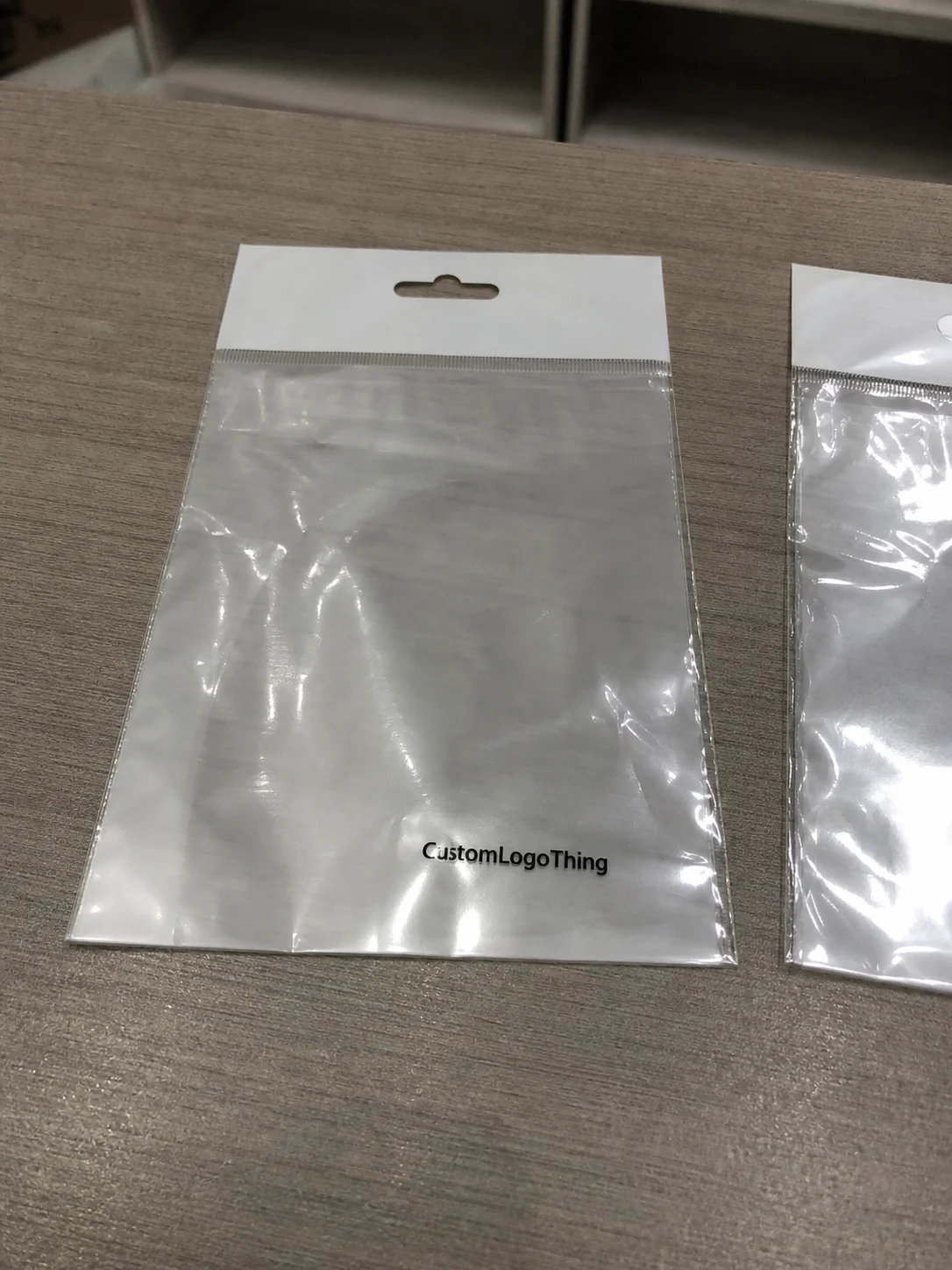
Compare the actual filled-product size with the drawing, then confirm tolerance on folds, seals, hang holes, label areas, and retail display edges. Reserve space for logos, QR codes, warning copy, and material claims before decorative graphics fill the panel.
Quote comparison points
Review material grade, print process, finish, sampling route, tooling charges, carton quantity, and freight assumptions side by side. A quote is only useful when the supplier can repeat the same color, closure quality, and packing count on the next order.
Most brands burn money on packaging before they even realize the problem is packaging. I’ve stood on factory floors in Shenzhen while a buyer argued over a $0.03 unit saving on Eco-Friendly Lip Balm Containers Bulk, then watched that same buyer spend $1,200 fixing leaks, label failures, and cartons that basically surrendered in transit. Cheap got expensive. Fast. Classic. In one warehouse visit near Longhua, the cartons were packed with 24 units per master case instead of 36, which looked harmless until freight landed 18% higher than planned.
If you’re buying Eco-Friendly Lip Balm Containers Bulk for a cosmetic line, a private label launch, or a seasonal promo set, the smart move is not chasing the lowest quote like it’s a clearance sale at a warehouse club. It’s buying a container that fits your formula, your branding, your shipping plan, and your margin. Sounds obvious. People still skip it and call me two weeks before launch like I can perform packaging surgery (I cannot, and honestly, I wouldn’t want to). A better starting point is a spec sheet with fill weight, closure type, and carton count, not a mood board with a forest on it.
I’ve spent 12 years in custom printing and packaging, and the same lesson keeps showing up: the right container saves more than it costs. Better unit pricing. Fewer reorders. Less waste. Cleaner shelf presentation. A stronger brand story. That’s why eco-friendly lip balm containers bulk orders make business sense, not just marketing sense. And yes, I’ve had to say that in more than one awkward supplier meeting. The best run I saw last year in Dongguan used FSC paperboard tubes at 5,000 pieces and kept the landed cost under $0.31 per unit because the artwork stayed simple and the carton packing was tight.
Why Eco-Friendly Lip Balm Containers Bulk Orders Make Sense
Here’s the ugly truth from the factory floor: brands often spend more fixing packaging problems than they saved by buying the cheapest tube. I watched one client source “budget” lip balm containers that looked fine in the sample stage, then jammed on the filling line because the twist mechanism was sloppy by 0.4 mm. They saved $180 on the purchase order and lost nearly $900 in labor and rework. That is why eco-friendly lip balm containers bulk buying needs to be treated as a supply-chain decision, not a cute branding exercise. In Guangzhou, the line supervisor showed me a whole pallet of rejects from a 10,000-piece run that failed cap retention after a 48-hour heat test at 40°C.
Bulk ordering brings real advantages. First, the unit price drops. A standard paperboard lip balm tube might come in around $0.22 to $0.38 per unit at 5,000 pieces depending on print method and finish, while the same style at 1,000 pieces can sit closer to $0.45 to $0.70. Second, you keep branding consistent. Same shade. Same logo placement. Same closure feel. Third, you reduce the number of emergency reorder cycles, which is where budgets go to die. I’ve seen “we’ll just reorder later” turn into a frantic Friday afternoon mess more times than I can count. On a recent quote from a supplier in Ningbo, the difference between 2,000 and 8,000 pieces was $0.11 per unit, which is exactly the kind of math that pays rent.
Buyers also care about the material story now, and they should. Ingredient-conscious customers notice the tube or jar just as much as the balm inside. If your label says clean, natural, or sustainable, then a glossy petroleum-heavy container sends the wrong message. Eco-friendly lip balm containers bulk programs help brands support a cleaner narrative with recycled content, reduced plastic use, refillable formats, or paperboard options that look more aligned with the product story. In markets like California, Berlin, and Sydney, that packaging story can be the difference between a passed-over SKU and a repeat order.
In my experience, the best bulk programs do two things at once: they improve margins and they Reduce Packaging Waste. That can mean FSC-certified paperboard, PCR plastic, aluminum tins, or refill systems that extend the life of the outer pack. I’ve seen brands move from single-use plastic tubes to refillable aluminum inserts and cut their packaging waste per unit by a measurable amount, while also making their shelf display look more premium. Not magic. Just better planning. And a supplier who actually answers emails. One Bali-based wellness brand I worked with swapped to 80% PCR plastic and reported a 17% drop in virgin resin use across a 20,000-unit annual order.
“We stopped treating packaging as a last-minute cost line and started treating it like part of the product. Our returns dropped, and our retail buyers noticed.”
That quote came from a skincare founder I worked with after a messy first run of eco-friendly lip balm containers bulk stock. She had been ordering whatever looked good on a render. Once we matched the container style to the formula and distribution channel, her repurchase rate improved and her wholesale accounts stopped complaining about crushed cartons. Funny how that works. Her first compliant run shipped from a factory outside Xiamen in 14 business days after proof approval, and the retailer in Chicago stopped sending damage photos.
For brands selling into retail, bulk also improves forecast control. You can hold enough inventory to support a 3- to 6-month selling window instead of placing tiny repeat orders every few weeks. That matters when freight rates swing, suppliers get busy, and your launch date is locked by a retailer who does not care about your internal chaos. If you want tighter control over pack procurement, our Wholesale Programs are built for exactly that kind of planning. A 6-month buy also makes more sense if your monthly velocity is 800 to 1,200 units and you want one clean inbound shipment instead of four rushed ones.
Product Types, Materials, and Closure Options
The phrase eco-friendly lip balm containers bulk covers a lot of ground, and not every format works for every formula. The most common styles are standard tubes, push-up sticks, jars, tins, and refillable formats. Each one has a different look, different filling process, and different cost structure. I’ve handled orders where the brand wanted a “natural” look but needed a formula that softened at 32°C. That container choice matters more than people think. It’s one of those details that seems boring until it ruins your launch. A paperboard stick that performs fine in Toronto can get sticky in Bangkok if the balm softens at 31°C and the carton coating is wrong.
Standard tubes are still the most common option. They usually use twist-up mechanisms and are easy to label or print. For bulk orders, they’re efficient because they’re familiar to fillers and retail buyers. A 4.5g or 5g lip balm tube is common, though custom dimensions can shift the fill volume. If you want eco-friendly lip balm containers bulk with broad compatibility, this is often the easiest place to start. Standard outer dimensions around 70 mm to 85 mm tall are common, and many fillers in Shenzhen, Dongguan, and Huizhou already have tooling for those sizes.
Push-up sticks are popular for paperboard-based packaging. They can be a strong Choice for Brands wanting a more natural feel and lower plastic usage. The downside? They need a balm formula with the right firmness, or the product can smear at the top. I’ve seen that exact issue in summer shipments out of Guangdong. The container was fine. The balm recipe was too soft for transit conditions. Heat plus patience is not a packaging strategy. If your formula softens above 30°C, ask for a tighter paperboard spec and a water-resistant inner lining before you approve 3,000 pieces.
Jars and tins work better for balm formulas that are scooped or applied with fingers. They also suit tinted balms, medicated balms, and heavy-duty repair balms with higher oil content. Aluminum tins, especially, can fit into eco-friendly lip balm containers bulk programs because they’re recyclable, durable, and light enough to ship efficiently. A 10g or 15g tin is common, but you need to check the liner or coating if the formula is highly aromatic. A matte silver 15g tin with a food-safe lining is a common request from brands selling into Seoul and Vancouver because it balances shelf appeal with durability.
Refillable formats are where a lot of brands want to go, and for good reason. A reusable outer case paired with a replaceable insert can support repeat sales and better customer loyalty. But I’ll be blunt: refill systems are not always the cheapest path. They can bring higher tooling costs and more complex assembly. Still, for premium brands buying eco-friendly lip balm containers bulk, refillable packaging can be worth it if the story is clear and the retail price supports it. If your price point is too tight, the math will smack you in the face. Politely, but still. A custom refill case in aluminum or PCR plastic can run $1,500 to $6,000 in tooling before the first production piece even exists.
Material choice changes everything. Here’s the practical breakdown:
- FSC paperboard: Good for paper tubes and carton-based outer packaging. Strong sustainability story. Needs the right coating if moisture is an issue. A 350gsm C1S artboard outer carton can work well for sleeves or retail boxes.
- PCR plastic: Recycled plastic can reduce virgin resin use. Works well for familiar tube formats and keeps the closure feel consistent. Many suppliers in Shenzhen and Ningbo can source 30% to 100% PCR content depending on availability.
- Aluminum: Durable, light, and recyclable. Great for tins and some refill cases. Can dent if freight is rough. Anodized finishes usually cost more but hold up better in humid regions like Hong Kong and Singapore.
- Biodegradable blends: Useful in some markets, but performance must be tested. “Biodegradable” sounds nice until the closure fails. Ask for real test data, not a brochure.
- Kraft-style paper tubes: Popular for natural branding. Looks earthy. Still needs testing for oil migration and shelf durability. A 280gsm to 320gsm kraft build is common, but coating choice changes everything.
Customization is usually where brands have fun, then get surprised by reality. You can print logos, add matte or gloss finishes, emboss or deboss, apply labels, or keep a raw kraft look with minimal ink coverage. For eco-friendly lip balm containers bulk, I often recommend restrained decoration. A simple black logo on natural paperboard often sells better than a cluttered full-wrap design that looks like it’s trying too hard. I know, shocking: less can actually be more. A 1-color print on a kraft tube usually keeps the Unit Cost Lower by about $0.04 to $0.08 compared with full-wrap CMYK plus varnish.
One client wanted hot foil on a paper tube. Nice idea. Wrong material. The result looked good for about 3 minutes and then the surface treatment caused adhesion issues during handling. We switched to a water-based ink system with a tighter logo mark, and the product looked cleaner while costing $0.06 less per unit. Sometimes the cheaper option is also the smarter one. Imagine that. The replacement spec used 300gsm paperboard with a matte aqueous coating, and the final cartons held up better in a humid warehouse in Kuala Lumpur than the foil version ever could.
Specifications That Actually Matter Before You Buy
If you’re serious about buying eco-friendly lip balm containers bulk, stop looking at just the picture and ask for the spec sheet. Size, capacity, fit, closure performance, print area, and compatibility matter far more than whether the sample “feels nice.” That feeling does not survive a heat wave, a drop test, or a 10,000-unit production run. Packaging has no mercy, by the way. A proper spec sheet should list outer diameter in millimeters, fill volume in grams, coating type, and the exact carton pack-out.
Start with capacity. Common lip balm fill volumes are usually around 4g to 5g for standard sticks, though some brands go larger or smaller depending on price point and product use. Paperboard tubes may be closer to 4.5g in practice, while tins can hold 10g, 15g, or more. The important part is not just the fill weight. It’s how that capacity affects shelf display, shipping weight, and consumer usage rate. A heavier pack can increase freight cost by 8% to 15% on large orders if the carton count shifts. If you’re launching in Paris or New York retail, even 0.5g extra fill weight can push the unit into a higher shipping bracket across a 50,000-unit season.
Then check formula compatibility. This is where a lot of buyers get burned. A balm with a low melt point needs a sturdier container and better closure fit than a firmer stick. Fragrance load matters too. Strong essential oils can cause odor transfer in certain plastics or coatings. If the formula is soft, oily, or heat-sensitive, tell the supplier upfront. I’ve seen a “natural” formula ruin otherwise good eco-friendly lip balm containers bulk stock because nobody mentioned the oil ratio until after approval. Then everyone acts surprised, which is always fun. One factory in Foshan showed me a 35°C storage test where the balm had seeped at the seam because the inner lining wasn’t rated for high-oil formulas.
Testing specs are not optional if you care about fewer headaches. Ask for:
- Drop resistance from at least 1 meter for shipping and consumer handling checks.
- Closure fit testing so caps do not pop off in transit.
- Leak protection or migration checks for oily formulas.
- Odor transfer evaluation if you use fragrance or essential oils.
- Shelf-life considerations that account for heat, humidity, and storage time.
Print specs matter just as much. Ask whether the supplier can hit PMS color matching or only approximate it. Ask for the imprint area in millimeters, not in vague “suitable logo space” language. If you are using labels, confirm the adhesive type. Some low-cost adhesives lift on kraft textures or coated paperboard. And yes, artwork should be sent as vector files. PDF, AI, or EPS. Not a blurry screenshot from a phone. I’ve had to say that more than once. More than I’d like to admit, actually. A clean print proof should also show bleed, safe zone, and die-line dimensions, usually in a 1:1 layout.
Compliance and documentation are part of the deal, especially for brands selling into retail or regulated channels. For eco-friendly lip balm containers bulk, confirm material declarations, food-contact or cosmetic-suitable statements where relevant, and any available safety or test information. If your brand needs FSC certification for paper-based components, ask for it in writing. FSC details are available at fsc.org. For packaging and sustainability references, I also recommend EPA Sustainable Materials Management and the technical guidance at packaging.org. If your market is the EU, ask for material declarations and REACH-related documentation before you sign off on 8,000 units.
I’ve had buyers assume “eco-friendly” meant automatically compliant everywhere. It doesn’t. A paper tube may be better in one market and worse in another because of humidity, shelf life, or local recycling behavior. That’s why eco-friendly lip balm containers bulk should be chosen with the final market in mind, not just the mood board. Mood boards are cute. Shipping conditions are not. A tube that works in Denver can warp in Jakarta if the coating and glue system are wrong.
Eco-Friendly Lip Balm Containers Bulk Pricing and MOQ
Pricing for eco-friendly lip balm containers bulk depends on four things: material, decoration method, order quantity, and whether tooling is needed. People love asking, “What’s the price per piece?” as if that answer lives in a vacuum. It doesn’t. A $0.18 tube can become a $0.31 landed cost fast once printing, inserts, freight, and cartons are added. I’ve seen a quote in Shenzhen look brilliant until the buyer added 12% duty, $240 in sample freight, and a rush surcharge because the product needed to leave in 11 business days.
Let me give you a practical framework. For stock or lightly customized paperboard lip balm containers, sample pricing might run $35 to $85 depending on complexity and shipping method. Unit pricing at 1,000 pieces can sit around $0.45 to $0.80, while 5,000 pieces may drop to $0.22 to $0.38. At 10,000 pieces or more, some simple formats can go lower, but only if the print and assembly process stay simple. If you’re buying eco-friendly lip balm containers bulk with embossing, foil, or special coatings, expect that number to move up. Pretty does not always mean cheap. On a recent quote for 5,000 kraft tubes with one-color print and matte varnish, the supplier in Dongguan landed at $0.27 per unit before freight.
PCR plastic tubes typically price differently. A stock PCR tube with one-color printing might land around $0.20 to $0.40 at moderate volume, while a custom molded version can include tooling costs from $1,500 to $6,000 depending on cavity count and mechanism complexity. Aluminum tins can be cost-effective too, especially for larger orders, but they may require custom lids, liners, or printed sleeves if the brand wants a premium look. Nothing is free. That always seems to surprise people. A 15g tin with a printed sleeve in Guangzhou can easily be $0.18 to $0.28 per unit at 5,000 pieces, depending on lid style and insert choice.
MOQ is usually driven by production setup. Stock containers can start low, sometimes 500 to 1,000 pieces if the supplier has inventory. Semi-custom formats often need 3,000 to 5,000 pieces. Fully custom molded or printed eco-friendly lip balm containers bulk orders may start at 5,000 or 10,000 pieces because the factory needs to justify machine time, setup, and material waste. If a supplier offers a very low MOQ on a highly custom item, ask how they’re making it work. Sometimes they are using surplus stock. Sometimes they are guessing. Guessing is not a supply chain strategy. A factory in Ningbo once quoted 2,000 custom units with a new mold, and the math only worked because they were rolling your job into another client’s press schedule.
Freight can change the real landed cost more than the unit price. A light container that is oversized can still rack up charges because cubic volume matters. I’ve watched buyers focus on a $0.04 difference in unit pricing while ignoring a $480 freight delta caused by poor carton packing efficiency. For eco-friendly lip balm containers bulk, ask for outer carton dimensions, carton count, and pallet configuration before you approve the quote. It can save real money. In one shipment from Xiamen to Los Angeles, changing the master carton from 60 units to 80 units reduced the container count enough to cut ocean freight by 9%.
Ask for tiered pricing. I recommend comparing at least 1,000, 5,000, and 10,000 units side by side. That makes the volume breakpoints obvious. If a supplier won’t give tiered pricing, they’re hiding the math or they haven’t run it properly. Either way, not great. A clean quote for eco-friendly lip balm containers bulk should show sample cost, unit cost, setup fees, decoration fees, and freight assumptions separately. Ideally, the quote also states the proof approval date and the production lead time, such as 12 to 15 business days from proof approval for a simple paperboard run.
One of my favorite supplier negotiations happened after a factory in Dongguan quoted a brand $0.29 per unit for a paper tube. I asked for carton loading details and found they were shipping in oversized master cartons with a lot of air. We revised the packing plan, cut the freight by 14%, and lowered the landed cost by $0.03 per unit. Small detail. Big money. That’s how bulk purchasing should work. A little attention to carton efficiency in a city like Dongguan can save more than a flashy 2% price cut ever will.
Order Process and Timeline From Sample to Delivery
The order process for eco-friendly lip balm containers bulk is straightforward if everyone does their job. It becomes a mess when specs are vague and approvals take forever. I’ve seen launches delayed three weeks because a brand changed the logo after samples were approved. Then they blamed the factory. Classic. A better workflow usually starts in Shenzhen or Guangzhou with a clear brief and ends with a signed proof, not a chain of “small tweaks” sent at midnight.
Here’s the normal flow:
- Inquiry: You share quantity, formula type, preferred material, decoration, and destination.
- Quote: You receive pricing, MOQ, sample cost, and lead time.
- Artwork review: The supplier checks logo size, bleed, and print method.
- Sample approval: You test the container with your balm if possible.
- Production: The factory runs the order after approval and deposit.
- Quality control: In-line checks and final inspection catch defects before packing.
- Shipment: Goods move by air, sea, or courier depending on urgency and budget.
Timing depends heavily on whether you’re buying stock or custom. Stock eco-friendly lip balm containers bulk orders can sometimes move in 7 to 12 business days for production after approval, plus shipping. Semi-custom projects often need 12 to 20 business days. Fully custom tooling can stretch much longer because the mold has to be designed, tested, and sometimes revised. If a mold is involved, I usually tell buyers to assume additional time, not less. Hope is not a timeline. For a simple paperboard tube run, 12 to 15 business days from proof approval is a realistic target if materials are already on hand in the factory.
Samples are Worth the Wait. A sample lead time of 5 to 10 business days is common, though it can be faster if the factory already has materials on hand. If your formula is soft or heat-sensitive, send product samples to the supplier for fit testing. I’ve visited facilities where the packaging passed every visual check but failed once a balm formula was loaded and stored at elevated temperature. The container looked perfect in the lab. It misbehaved in real life. That is why eco-friendly lip balm containers bulk should always be tested with the actual fill whenever possible. One sample set in Suzhou passed on day one and warped after 72 hours at 38°C; that saved the client from a very expensive mistake.
Quality control checkpoints Matter More Than people admit. Ask for a pre-production sample if the order is custom. Request in-line inspection during production for large runs. Insist on final inspection before shipment. If the packaging is fragile or has surface decoration, ask about carton drop testing. For shipping performance standards, the ISTA testing resources at ista.org are useful. I’ve seen too many good products damaged by weak carton design and lazy packing assumptions. And yes, I still get annoyed when someone says, “It should be fine.” Should be is not a test result. A final inspection in Ningbo with AQL sampling can catch cap misalignment, print smudges, and glue failure before the containers get loaded onto the truck.
Shipping deserves its own attention. Sea freight saves money, but air freight can be the right move for launch deadlines. Customs paperwork, HS code accuracy, and destination requirements all affect how smoothly the order clears. For eco-friendly lip balm containers bulk, I always recommend adding a buffer of 7 to 14 days to any promised launch date. If you don’t need the buffer, great. If you do, you’ll be glad it’s there. A container moving from Shenzhen to Rotterdam by sea can take 28 to 35 days door to door, and nobody enjoys discovering that after the marketing launch is already scheduled.
One client in natural beauty learned this the hard way. Their packaging was ready, their formula was approved, and their retailer had reserved shelf space. Then the cartons sat waiting on an artwork correction because someone changed a QR code by a few millimeters. A few millimeters. That tiny edit cost them a week and a nasty email chain. I remember standing in the meeting room thinking, “All this because somebody wanted to improve a code no one was scanning yet.” The factory in Xiamen had already booked production for the next day, so the delay hit everyone.
Why Choose Us for Custom Packaging Manufacturing
Working with a manufacturer instead of a reseller gives you tighter control over price, Specs, and Turnaround. That matters with eco-friendly lip balm containers bulk because the details change quickly once you get into decoration, material choices, and freight planning. A reseller may be able to take an order. A manufacturer can actually tell you what is possible without guessing. That alone saves time and a few headaches. In our network of factories across Shenzhen, Dongguan, and Ningbo, we can usually identify the right line faster than a middleman can forward your email.
At Custom Logo Things, we focus on the packaging fit first. I’d rather tell you a container is wrong for your balm than sell you something pretty and useless. That sounds obvious, but plenty of suppliers will happily send a shiny sample and let you discover the problem after production. Not my style. In my experience, honesty in packaging saves more money than aggressive sales talk ever will. If the closure tolerances are too loose or the coating won’t hold in humidity, I’ll say so before anyone signs off on 8,000 units.
We also source directly and negotiate with suppliers to avoid unnecessary costs. I’ve spent enough time in factory meetings to know where prices can be trimmed and where cutting corners turns into failures. A $0.02 reduction is good only if you don’t lose print quality, closure strength, or carton integrity. For eco-friendly lip balm containers bulk, the goal is value, not cheapness for its own sake. Cheap packaging has a funny way of turning into customer complaints (and those are never fun to answer). I’d rather save $0.03 per unit in the right place than create a pile of returns in week two.
Our team helps match the container to your formula, brand positioning, and budget. A premium balm in a kraft tube needs a different approach than a tinted balm in a tin or a wellness balm in a refill case. The right advice at the start prevents expensive mistakes later. I’ve seen brands spend $2,000 on packaging they couldn’t actually fill cleanly because nobody asked the right questions up front. That is avoidable, which is why I keep harping on specs like a broken record. A 5g stick with a 35gsm liner is not the same problem as a 15g tin with a fragrance-heavy formula from a lab in Singapore.
Communication matters too. Buyers need clear quotes, honest minimums, and production updates that mean something. We support sample requests, material options, and repeat-order consistency so your second run matches your first run. That consistency is one of the biggest advantages of buying eco-friendly lip balm containers bulk through a disciplined manufacturing process instead of chasing the lowest internet quote and hoping for the best. If you approve a proof on Monday, you should know whether production begins Wednesday or next week. Vague timelines are how budgets and patience disappear.
If you need a broader packaging program, our Wholesale Programs can support recurring orders, and our custom packaging team can help align your lip balm containers with cartons, labels, and retail-ready presentation. If you’re building a line instead of buying one-off boxes, that coordination saves time and keeps the brand look clean across formats. A 350gsm C1S artboard carton paired with a kraft tube can look much more premium when the colors and finish are planned together from the start.
What to Do Next to Place a Bulk Order
If you’re ready to buy eco-friendly lip balm containers bulk, don’t start by asking for “the best option.” Start by gathering the basics: product formula, target quantity, preferred material, decoration style, shipping destination, and launch date. That five-minute prep step saves days of back-and-forth and gives suppliers something real to quote against. It also prevents the weirdest email threads imaginable. A clean brief from Austin or Amsterdam gets a much faster answer than “we need something sustainable and cute.”
Next, ask for 2 to 3 options side by side. Compare paperboard, PCR plastic, and aluminum if those Fit Your Brand. Compare unit price, MOQ, sample cost, and estimated freight. That makes the value clear. A slightly more expensive container can be the better choice if it reduces waste, improves shelf appeal, or avoids a packaging failure. I’ve had buyers save a penny and lose a whole promo batch. Not a good trade. A quote set from a factory in Guangzhou, for example, might show $0.24, $0.31, and $0.38 per unit across three build styles, which makes the decision a lot less fuzzy.
Always approve a sample before full production if the balm is soft, oily, or heat-sensitive. If your formula is stable and you’ve already used that container style before, you may move faster. But if this is a first run of eco-friendly lip balm containers bulk, the sample stage is cheap insurance. Test cap fit, twist function, print alignment, and formula interaction. Yes, all of it. No shortcuts, unless you enjoy avoidable problems. I’d rather spend three days testing in Shenzhen than spend three weeks fixing a failed launch in Chicago.
Here’s the simplest next-step checklist:
- Send your formula type and fill weight.
- Share target quantity and destination.
- Choose the material you want to test.
- Confirm logo files in vector format.
- Review sample photos or physical samples.
- Approve the quote and production schedule.
If you want a cleaner buying process, ask for tiered pricing and clear lead times right away. The right supplier will answer with numbers, not vague promises. For eco-friendly lip balm containers bulk, that means price bands, MOQ, material details, and shipping assumptions you can actually use. I trust numbers. They rarely lie, which is more than I can say for a pretty mockup. A quote that says 12 to 15 business days from proof approval and $0.27 per unit at 5,000 pieces is far more useful than “competitive pricing” and “fast delivery.”
And one last thing: don’t let “eco-friendly” become a marketing excuse for poor performance. A sustainable-looking package that cracks, leaks, or ships badly is still bad packaging. Buy the container that supports your formula and your margin. That’s how you buy smarter. If the closure fails in a July warehouse in Miami, nobody will care that the tube was biodegradable.
Eco-friendly lip balm containers bulk orders work best when you treat them like a business decision first and a branding decision second. Get the specs right, verify the material, ask for real pricing, and make the supplier show you how the order will perform from filling line to retail shelf. The actionable move is simple: build a short comparison sheet for 2 to 3 container types, test the sample with your actual balm, and only then place the bulk order. I’ll always prefer a clean spec sheet over a long guessing game. The factories in Shenzhen, Dongguan, and Xiamen will too.
Eco-Friendly Lip Balm Containers Bulk: decision table
| Decision area | Best fit | What to verify | Risk if skipped |
|---|---|---|---|
| Claim type | Recycled, FSC, compostable, recyclable, or plastic-reduced packaging | Certificate, material percentage, and claim wording | Unclear claims create greenwashing risk |
| Performance tradeoff | Protection, print quality, and shelf feel | Strength, moisture behavior, ink choice, and finish limits | Eco material is chosen but does not protect the product |
| End-of-life path | Customer disposal, retail requirements, or municipal recycling | Label wording, inserts, and documentation | The buyer cannot understand how to dispose of it |
FAQs
What are the best eco-friendly lip balm containers for bulk orders?
The best options usually depend on formula and brand positioning. Paperboard tubes, PCR plastic tubes, aluminum tins, and refillable formats are the most common for eco-friendly lip balm containers bulk orders. For a natural brand look, paperboard or kraft-style tubes work well. For durability, PCR plastic or aluminum is often better. The right choice also depends on whether the balm is soft, heat-sensitive, or designed for repeated use. A supplier in Shenzhen can usually quote all four formats side by side if you share your fill weight and target quantity.
What is the typical MOQ for eco-friendly lip balm containers bulk?
MOQ varies by material and customization level. Stock containers can start much lower than fully custom printed or molded options. Paperboard and semi-custom formats often have different minimums than injection-molded plastic or aluminum containers. For eco-friendly lip balm containers bulk, it’s common to see lower minimums on stock items and higher minimums once decoration or tooling is involved. In practical terms, that might mean 500 pieces for stock, 3,000 to 5,000 for semi-custom, and 5,000 to 10,000 for fully custom.
How much do eco-friendly lip balm containers cost in bulk?
Pricing depends on material, print method, quantity, and freight. Unit cost usually drops significantly as volume increases, but shipping and setup fees can affect the final landed cost. For eco-friendly lip balm containers bulk, ask for tiered quotes so you can compare total cost at several order sizes. That gives you a much better picture than one isolated per-unit number. For example, a paperboard tube may be $0.45 to $0.80 at 1,000 pieces and $0.22 to $0.38 at 5,000 pieces, depending on finish and carton packing.
How long does production take for bulk eco-friendly lip balm containers?
Stock containers are faster than fully custom projects. Lead time usually includes sample approval, production, inspection, and shipping. Artwork revisions and custom tooling can extend the timeline, so final approval matters. For eco-friendly lip balm containers bulk, a realistic plan should include buffer time for testing and freight. A simple run can take 12 to 15 business days from proof approval, while custom tooling and overseas shipping can add several more weeks.
Can you print my logo on eco-friendly lip balm Containers Bulk Orders?
Yes, most eco-friendly container styles support logo printing, labeling, or embossing. The decoration method depends on the material and the size of the print area. Vector artwork and approved colors help prevent delays and printing issues. For eco-friendly lip balm containers bulk, the supplier should confirm print specs before production starts. Ask for the exact imprint area in millimeters, the print method, and a proof before you approve the run.