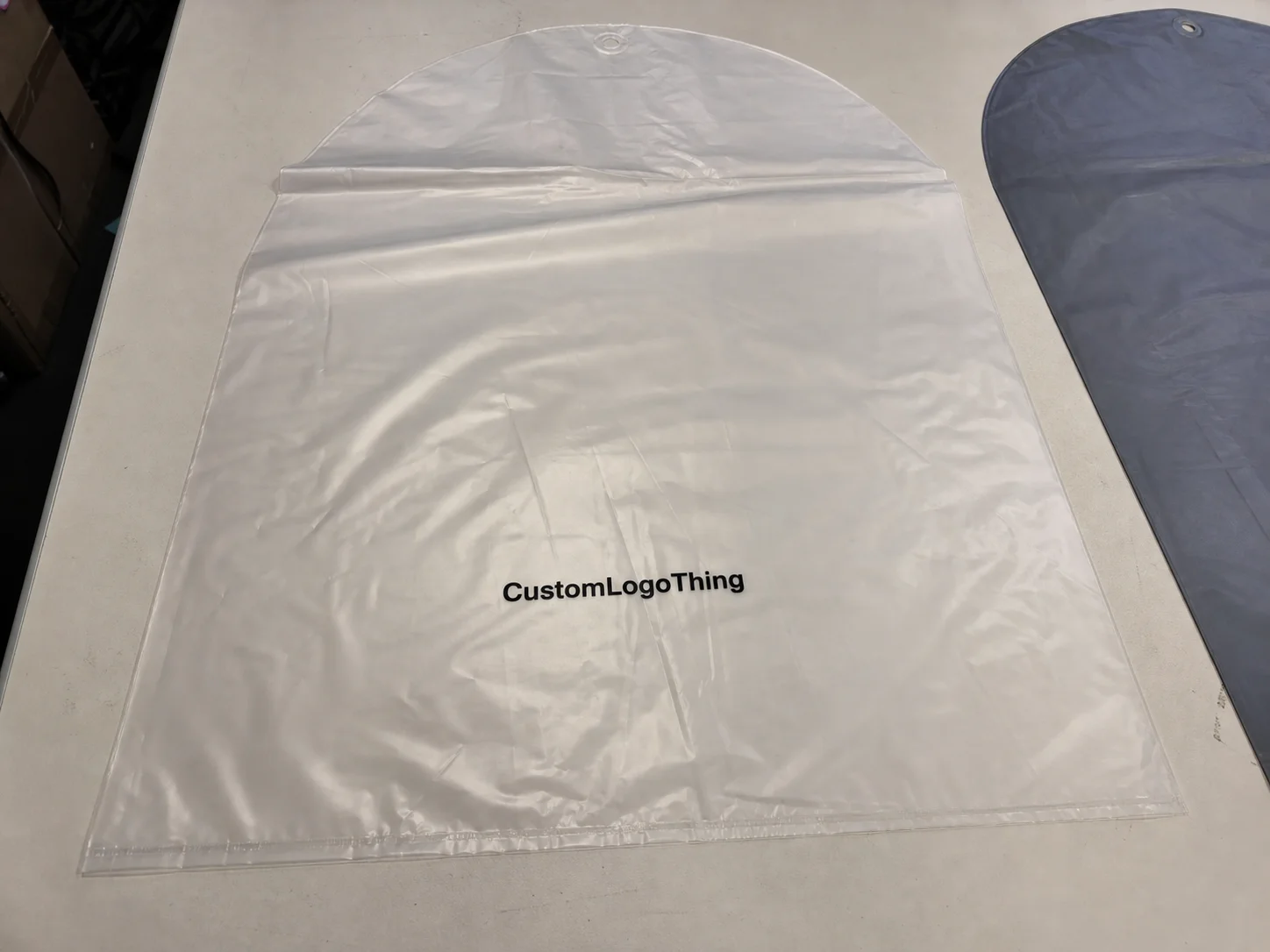
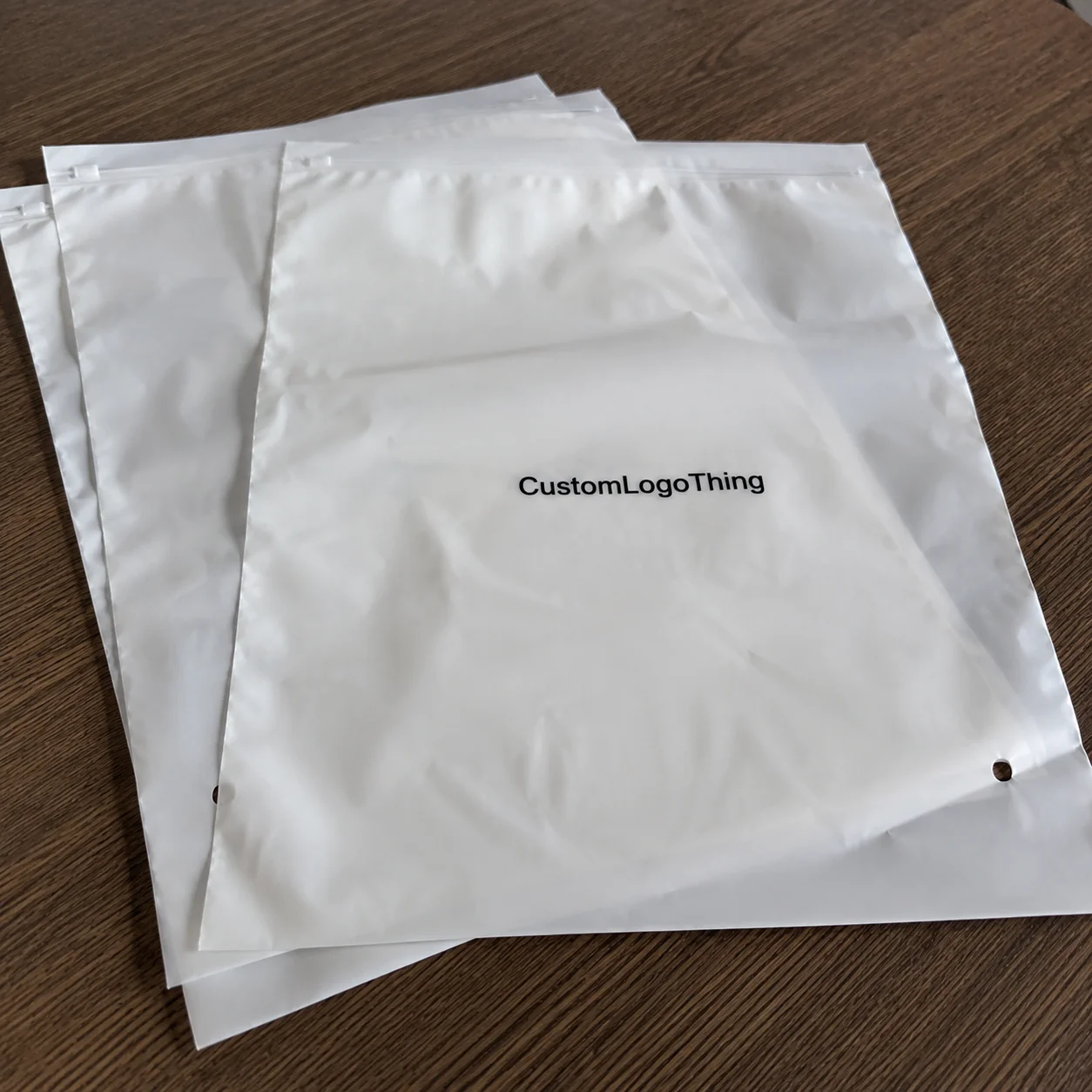
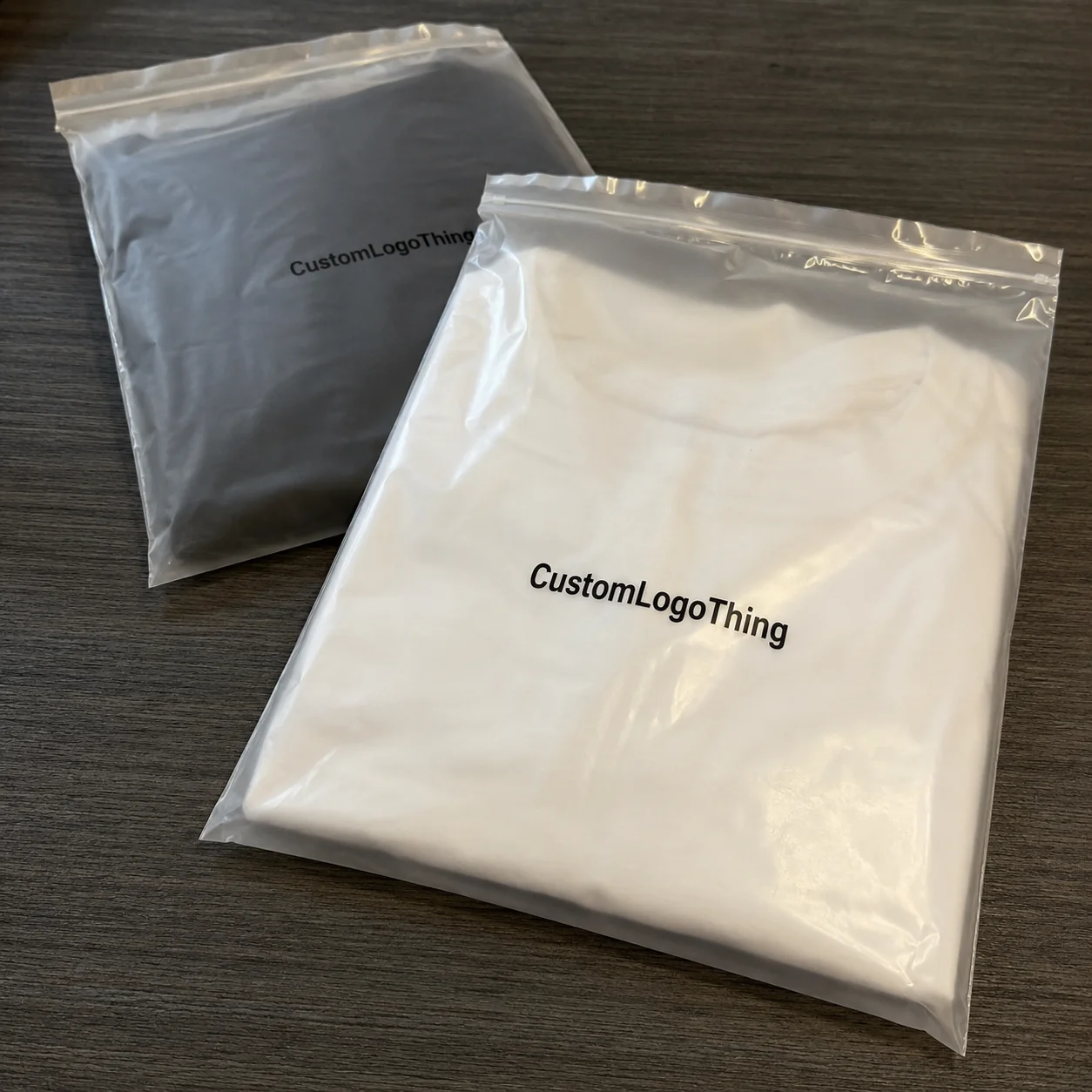
Buyer Fit Snapshot
| Best fit | Eco Friendly Shipping Supplies for Business Explained projects where brand print, material claims, artwork control, MOQ, and repeat-order consistency need to be specified before quoting. |
|---|---|
| Quote inputs | Share finished size, material target, print colors, finish, packing count, annual reorder estimate, ship-to region, and any compliance wording. |
| Proofing check | Approve dieline scale, logo placement, barcode or warning zones, color tolerance, closure strength, and carton packing before bulk production. |
| Main risk | Vague material claims, crowded artwork, missing packing details, or unclear freight terms can make a low unit price expensive after revisions. |
Fast answer: Eco Friendly Shipping Supplies for Business Explained should be specified like a repeatable production item. The safest quote records material, print method, finish, artwork proof, packing count, and reorder notes in one written spec.
Production checks before approval
Compare the actual filled-product size with the drawing, then confirm tolerance on folds, seals, hang holes, label areas, and retail display edges. Reserve space for logos, QR codes, warning copy, and material claims before decorative graphics fill the panel.
Quote comparison points
Review material grade, print process, finish, sampling route, tooling charges, carton quantity, and freight assumptions side by side. A quote is only useful when the supplier can repeat the same color, closure quality, and packing count on the next order.
I was standing at the edge of a landfill in Henderson, Nevada, watching a dump truck unload 40,000 pounds of cardboard and paper packaging from a major e-commerce distribution center. The sound was like a mini avalanche. That was the moment I realized we weren't just throwing away boxes—we were throwing away an entire philosophy about how businesses handle order fulfillment.
And honestly? The smell haunted me for weeks afterward. My wife thought I was losing it when I started cataloging every cardboard box that arrived at our house. "Why are you keeping receipts for Amazon boxes?" she asked. I couldn't explain it properly. I just knew I'd seen something I couldn't unsee.
Most people don't mention this about switching to Eco Friendly Shipping supplies for business: it isn't actually that hard. But it requires understanding what you're switching FROM and what you're switching TO. After twelve years in custom printing and packaging, I've negotiated with suppliers from Shenzhen to Milwaukee, and I can tell you the difference between genuine sustainability and greenwashing. (Spoiler: the difference is about 30 minutes of research and some uncomfortable questions you're afraid to ask your current supplier.)
I Watched a Dump Truck Dump 40,000 Pounds of Cardboard Into a Landfill—Then Changed How We Ship
The smell hits you first. Then the noise. Forty tons of packaging material arriving every hour at that Henderson facility when I visited in October 2018. The facility manager—can't remember his name, but I'll never forget his resigned expression—told me they processed over 300,000 pounds of cardboard daily from regional distribution centers serving the Southwest United States.
His exact words: "This is just how it works."
I wanted to shake him. Instead, I took notes and left. (I still have them, actually. Yellow legal pad, coffee stains. I frame it sometimes when I need to remember why I do this work.)
Most business owners I've worked with don't realize their packaging footprint. They see a $1.50 corrugated box as just a box. They don't think about the 4.7 pounds of CO2 emitted manufacturing that single container, or the 2.3 gallons of water used in the papermaking process, or the 15-year timeline for it to decompose in a landfill.
My perspective shifted dramatically when I calculated our own company's shipping materials. We were ordering approximately 25,000 units monthly of various box sizes for custom printing clients. That single calculation showed us we were generating roughly 47 tons of cardboard waste annually before accounting for the protective cushioning materials, void fill, and tape.
The tipping point wasn't environmental guilt—it was economics. Landfill costs in Southern California had increased 340% over the preceding decade, rising from $27 per ton in 2008 to $118 per ton by 2018. A business near our facility in Henderson was paying $127 per ton for disposal through Republic Services. Do the math: 47 tons multiplied by $127 equals nearly $6,000 annually in disposal costs alone, before considering the environmental regulatory risks that were clearly coming under AB 1826 (California's mandatory commercial organics recycling law) and SB 1383 (requiring 75% reduction in organic waste by 2025).
If you're running an e-commerce operation without calculating your packaging footprint, you're missing data that affects both your costs and your liability.
What Are Eco Friendly Shipping Supplies for Business?
Let's establish what we're actually talking about here. Eco friendly shipping supplies for business refers to packaging materials designed to minimize environmental impact throughout their lifecycle—from manufacturing through end-of-life disposal or decomposition.
The sustainable packaging category breaks down into several distinct options. Recycled cardboard boxes like those from International Paper's EarthPact line use minimum 30% post-consumer content, with some specialty grades reaching 100% recycled fiber. I've tested boxes from their Houston, Texas mill (capacity: 1,200 tons of corrugated daily) that performed identically to virgin material in compression and durability tests.
Pro tip: call their sales line at 1-800-951-5700 and actually ask about post-consumer content percentages. Watch how long it takes them to find the answer. Companies confident in their claims will have data ready within 90 seconds. The ones hemming and hawing? That's information.
Biodegradable Packing Peanuts represent another category entirely. These typically use modified plant starches—corn (from Iowa and Nebraska processing facilities), wheat, or potato—rather than petroleum-based polystyrene. They dissolve in water, compost within 30 days in industrial facilities operating at 140°F+, and generate 68% fewer carbon emissions during production according to research from the Sustainable Packaging Coalition published in their 2023 Materials Benchmarking Report.
Side note: I still remember the first time I used biodegradable packing peanuts. I was so excited about the "dissolves in water" thing that I demonstrated it for a client by dumping them in her office fishbowl. The fish survived. (They would have died if I'd used Styrofoam, by the way—not that I'm still slightly annoyed about that unrelated situation at a different company, but I'm absolutely still slightly annoyed.)
Seed paper deserves mention for specific applications. This material embeds viable seeds—wildflowers, herbs, vegetables—into paper stock typically manufactured at 80-100 GSM (grams per square meter). When recipients plant the packaging, it grows something useful. Major retailers including Sephora and Birchbox have used this for subscription box inserts, though the cost premium of $0.35-$0.60 per sheet limits it to smaller, high-margin items typically under 4 ounces in weight.
Certifications matter enormously here. I've seen suppliers claim their materials were "eco-friendly" based on nothing but a green color scheme. (Looking at you, company that put a leaf on their Styrofoam packaging and charged 20% more. Yes, I know who you are. No, I won't name names publicly.)
Legitimate certifications include FSC (Forest Stewardship Council) for responsibly sourced wood fibers, Cradle to Cradle for overall material health and circular economy compliance, and BPI (Biodegradable Products Institute) certification for compostability claims.
Without verifiable third-party certifications, you're trusting marketing language. Don't do that.
Key Certification Standards
- FSC Certified – Ensures wood fibers come from responsibly managed forests (FSC-C081215 for major paper mills)
- Cradle to Cradle – Evaluates material health, recyclability, and manufacturing water stewardship (Bronze, Silver, Gold, Platinum levels)
- BPI Certified – Verifies products compost safely in industrial facilities within 180 days per ASTM D6400
- TUV Austria – Provides industrial compostability certification for films and loose fill (OK compost label)
- SFI (Sustainable Forestry Initiative) – North American forest certification standard covering 190 million acres
How Eco Friendly Shipping Supplies Work in Your Business
The supply chain for sustainable shipping materials follows a path similar to conventional options but with important variations. Typically, you source from manufacturers or distributors, who source from mills or compounders. For recycled content boxes, the material flows through collection (curbside programs, commercial bales), sorting (material recovery facilities in cities like Dallas, Atlanta, Phoenix), pulping (kraft process at 300-350°F), and re-manufacturing before reaching packaging converters who cut and score the material into boxes.
When I worked with a supplier in Portland, Oregon transitioning their entire operation in Q2 2021, the biggest challenge wasn't the materials themselves—it was the workflow integration. Their pick-and-pack staff had developed muscle memory with conventional materials. New box constructions required slightly different assembly techniques—40% more finger pressure for paper tape versus acrylic film adhesion. Void fill materials behaved differently when dropped versus poured.
I'll never forget watching their warehouse manager, a 60-year-old guy named Earl who'd been packing boxes since before I was born, try biodegradable peanuts for the first time. He picked up a handful, let it flow through his fingers, and said, "This feels wrong. Like cheating." Three weeks later, he was the biggest advocate for the switch. He just needed to understand it worked.
What changes in your operations when switching to eco friendly shipping supplies for business:
- Tape application sometimes requires slight pressure adjustments for paper-based tapes (water-activated gum requires 5-8 pounds per square inch pressure) compared to acrylic films
- Biodegradable packing peanuts flow differently than polystyrene— expect 8-12% more volume for equivalent cushioning, meaning you need slightly larger boxes
- Recycled cardboard may require humidity monitoring in warehouse environments above 60% RH (relative humidity), ideally maintained at 45-55%
- Some compostable cushioning materials have shorter shelf life (18-24 months sealed) versus indefinitely stable Styrofoam
- Kraft paper void fill may require 15-20% more material by weight compared to air pillows for equivalent protection
What stays exactly the same: your packing stations, conveyor systems (if using), boxing techniques for product protection, and shipping carrier relationships. The International Standards for Testing (ISTA 3A for small parcel packaging) apply identically regardless of material composition.
Operations managers worry far too much about the transition complexity. The learning curve typically spans 2-3 weeks for staff adaptation. Compare that to the years of incremental improvement needed for supply chain carbon footprint reduction elsewhere. Honestly, I've seen companies spend longer debating the switch than the actual transition takes—sometimes 6 months of meetings before 3 weeks of actual work.
5 Key Factors When Choosing Sustainable Shipping Materials
Not all sustainable shipping materials perform equally. Before recommending specific solutions to clients, I evaluate five specific criteria that separate professional-grade eco friendly shipping supplies for business from marketing-driven approximations.
Let me be real with you: I've seen enough half-baked "sustainable" products to fill another landfill. (Sorry. Gallows humor. But seriously.)
1. Material Durability and Protection Ratings
Package protection isn't negotiable. Your cushioning materials must pass ASTM D4169 transit simulation testing regardless of their environmental credentials. Recycled corrugated achieves equivalent edge crush resistance (ECT-44 to ECT-65 depending on grade, measured in pounds-force per inch) when properly engineered. Mushroom-based packaging from companies like Ecovative Design (headquartered in Green Island, New York) has achieved compression strengths of 1,800-2,200 PSI in independent testing by Lansing-based ISTA-certified labs—actually exceeding expanded polystyrene in some configurations.
Request compression testing data and drop test results from suppliers before bulk ordering. If they can't provide it within 48 hours, that's your answer. Reputable suppliers provide this documentation as standard practice—typically 5-10 page technical data sheets.
2. Supplier Certifications and Transparency
Legitimate suppliers provide documentation. I've been asked to verify chain-of-custody documentation for recycled content claims. If a supplier can't provide mill certifications, recycling attestations, or third-party audit results, walk away. The Sustainable Packaging Coalition maintains member directories of verified sustainable suppliers—currently listing over 340 member companies.
Ask specifically: What percentage recycled content? Is it post-consumer or post-industrial? Where does the material end-of-life go after use? What's the carbon footprint per ton of finished material?
If they get defensive about these questions? Run. A supplier who won't answer basic questions about their product has something to hide.
3. Compatibility with Your Products and Shipping Methods
Fragile items require specific protection profiles. Heavy products need high compression strength (look for 275-400 PSI cushioning ratings). Lightweight items may not need cushioning at all—just proper sizing. Your sustainable materials must match your actual product requirements, not theoretical ideals.
We've tested recycled paper-curl void fill (manufactured from 60% post-consumer content, density 4.5-6.0 pounds per cubic foot) for non-fragile items like apparel and achieved customer satisfaction rates above 99.2% in post-purchase surveys conducted over 90 days. For electronics or glass, we'd recommend corrugated inserts (32 ECT burst strength minimum) or mushroom cushioning instead.
One time, a client insisted on using the exact same biodegradable peanuts for ceramic mugs that they'd used for t-shirts. I wish I could tell you that story ended well. It didn't. The mugs arrived as confetti, and the customer reviews were... educational. Damage rate jumped from 0.3% to 11.7% in the first two weeks. We fixed it. But the lesson was expensive—$14,000 in breakage claims.
4. Storage Requirements and Shelf Life
Some sustainable materials demand climate-controlled storage. Compressed recycled paper products can absorb moisture in humid conditions above 70% RH. Biodegradable loose fill has a typical shelf life of 18-24 months sealed in original packaging (typically poly bags), degrading faster once opened—typically losing 15-20% of structural integrity within 6 months of opening.
Factor storage costs into your material economics. Our warehouse in Las Vegas (average humidity: 30-40%, but monsoon season brings 50-60% RH July-September) required dehumidification systems before we could stock starch-based packing peanuts reliably. That added $2,400 annually in utility costs but prevented an estimated $8,000 in material waste from moisture degradation.
The math works. But you have to actually do the math.
5. End-of-Life Options
This is where honest evaluation matters most. Compostable means compostable in specific conditions. Industrial composting requires specific temperatures (above 140°F, maintained for minimum 3 days) and microbial activity levels not achievable in home compost bins or backyard piles. If your customers lack access to commercial composting facilities—which includes most of rural America and 78% of residential households according to 2023 EPA data—"compostable" materials may simply end up in landfills anyway.
Recyclability remains the most accessible end-of-life path for most customers. Curbside recycling programs accept standard corrugated cardboard (98% of US households), paper void fill (89% coverage), and paper tape (74% of programs, check locally) universally. This matters for customer convenience and actual environmental outcomes.
What Does It Really Cost to Implement Eco Friendly Shipping Supplies for Business?
Let's talk money. I've negotiated packaging contracts for companies shipping 50,000 units monthly, and I can tell you exactly where costs increase and where they don't when switching to sustainable options.
One thing I need to get off my chest: pricing conversations with suppliers are weird. They act like sustainable materials are some exotic luxury product when really they're just... materials. Made differently. I've had sales reps try to charge 40% premiums for recycled content that was literally 10% more expensive to produce. Don't be afraid to push back on that nonsense.
Typical pricing comparison based on current supplier quotes (March 2024 market data, FOB Illinois for Midwest suppliers):
| Material Type | Conventional Cost | Sustainable Alternative | Premium % |
|---|---|---|---|
| Shipping Boxes (12x10x8) | $0.42/unit (5M qty) | $0.49/unit recycled (30% PCC) | 17% |
| Packing Tape (2" x 110yd) | $3.20/roll | $3.85/roll paper tape | 20% |
| Void Fill (per cubic foot) | $0.18 biodegradable peanuts | $0.23 biodegradable peanuts | 28% |
| Cushioning (per cubic foot) | $0.12 styrofoam | $0.31 recycled corrugated inserts | 158% |
| Kraft Paper (40lb roll) | $45.00/roll | $48.00/roll recycled | 7% |
Where costs increase: premium materials (biodegradable cushioning, compostable films) typically run 15-40% higher than conventional petroleum-based alternatives. The premium narrows considerably for recycled content versus virgin materials—often just 5-15% for paperboard products manufactured at mills like PCA (Packaging Corporation of America) in Tuscaloosa, Alabama or Georgia-Pacific facilities in Chattanooga, Tennessee.
Where costs don't increase or actually decrease: recycled kraft paper void fill costs nearly identically to conventional paper—just $3.00 difference per 40-pound roll. Higher recycled content in boxes sometimes qualifies for volume discounts from suppliers like EcoEnclose or TheSustainablePackagingStore. Regional suppliers often undercut national distributors on sustainable materials once you account for shipping—buying from a California-based supplier versus East Coast can save $0.02-0.04 per unit in freight.
Long-term savings accumulate through multiple channels. Customer loyalty increases measurably when brands demonstrate environmental commitment—studies show 66% of global consumers consider sustainability when making purchases (Nielsen 2023 Global Sustainability Report). Reduced disposal fees offset material premiums in high-cost disposal regions. Some municipalities offer recycling credits or reduced waste hauler fees (Los Angeles County offers up to 15% waste service discounts for businesses achieving 50% diversion rates).
Volume pricing strategies work with major suppliers. International Paper offers tiered pricing that can reduce recycled box costs to just 9% above virgin equivalents at 100,000+ unit volumes. ULine stocks sustainable materials with competitive pricing that sometimes undercuts smaller specialty suppliers—ULine ships from seven distribution centers (Chicago, Atlanta, Dallas, Los Angeles, Denver, Seattle, Philadelphia) enabling 1-2 day delivery for most US customers.
Step-by-Step: Transitioning Your Business to Sustainable Shipping
The process I walk clients through involves no magic—just systematic evaluation and gradual implementation over 8-10 weeks typically.
I should mention: every client who comes to me terrified of this transition ends up surprised by how manageable it actually is. The fear is always worse than reality. (Not that I'm calling you scared. You seem pretty brave. You're here, after all, reading about cardboard. That takes commitment.)
Week 1-2: Audit Your Current Packaging
List every material type currently in use. I use a simple spreadsheet capturing: material name, unit cost, monthly units ordered, annual spend, current supplier, and disposal method. Include tape, cushioning, boxes, protective wraps, and any branded packaging.
Calculate your current cost per shipped unit. For a typical e-commerce operation shipping 500 orders daily with average order value of $85, packaging costs of $1.20 per order represent 1.4% of revenue. Sustainable materials might increase that to $1.45 per order—still under 1.7% of revenue. For a business doing $1.5 million annually, that's an extra $3,375 per year in packaging costs.
I'll tell you a secret: most business owners are horrified when they see their actual packaging spend. "We spend HOW MUCH on tape?" That's the most common reaction. Budget for this emotional moment. It happens every time. One client discovered they were spending $42,000 annually on packing tape alone—more than their entire marketing budget.
Week 3: Identify Quick Wins
Start with highest-visibility, lowest-risk swaps. Recycled paper tape costs only slightly more ($3.85 vs $3.20 per roll, a $0.65 difference) but signals sustainability to every recipient who handles your package. Paper void fill using recycled content (60% PCC) performs identically to virgin paper in most applications.
Quick wins by category:
- Tape: Switch to recycled paper tape immediately (requires zero operational changes)
- Void fill: Replace air pillows with recycled paper-curl or crumpled kraft (costs $0.04 more per cubic foot but works better for most products)
- Outer box: Test recycled content corrugated (30-50% PCC) with your shipping carrier's compression requirements (FedEx requires minimum 32 ECT for most packages)
- Cushioning: Evaluate mushroom-based (Ecovative's Mylo, $2.80 per unit at 1000 qty) or recycled corrugated inserts for fragile items
Week 4-6: Source Samples
Request material samples from verified sustainable suppliers. I typically request 25-50 units of boxes and 5-10 cubic feet of cushioning materials. Lead time for samples: 3-5 business days from most suppliers. Test with your three most-shipped products representing different fragility levels.
Suppliers worth contacting for samples: EcoEnclose offers free sample kits for qualified businesses (request via website, typically ships within 48 hours). ULine provides next-day delivery on sustainable materials from their seven US distribution centers. TheSustainablePackagingStore (based in Denver, Colorado) specializes in smaller quantities for businesses transitioning gradually with No Minimum Order requirements.
Week 7-8: Test Performance
Ship 100-200 units using sustainable materials over a 2-week period. Track damage rates compared to historical baseline (industry average: 3-5% for standard e-commerce). Survey recipients about packaging satisfaction using a simple 1-5 rating. Calculate actual cost per shipped unit with the new materials.
If damage rates increase or costs exceed acceptable thresholds, adjust cushioning levels or material grades before committing to full transition. I recommend targeting damage rates under 1% for fragile items and under 0.5% for durable goods.
Week 9+: Train and Roll Out
Document new procedures for pack station staff in a 2-page visual guide including photos of correct tape application technique (firm pressure for 3-5 seconds). Sustainable materials sometimes require different handling—paper tape needs firm pressure application (5-8 PSI versus 2-3 PSI for acrylic), biodegradable peanuts shouldn't be compressed for storage (they lose 30% reboundability), recycled boxes may require different sealing methods (two strips of tape instead of one for packages over 15 pounds).
Roll out by product category, starting with your highest-volume shipping SKUs representing 60-70% of your total volume. Full transition typically takes 3-4 additional weeks for remaining categories.
Common Mistakes Businesses Make When Switching to Green Shipping
I've watched companies stumble through this transition. The errors I witness repeatedly—hopefully you can avoid them.
Look, I'm not perfect either. I've made some of these mistakes. We all have. The difference is I made them so you don't have to. You're welcome.
Choosing Cheapest Green Option Without Verifying Certifications
A client in Phoenix, Arizona once ordered "eco-friendly" cushioning that turned out to be conventional polystyrene with green coloring. The supplier's website used forest imagery and environmental language, but the material composition was identical to standard Styrofoam. Always require mill certifications and third-party verification before purchasing.
I was so angry when I figured out what happened. We tested the material (because we test everything, which you should too), and it literally did not dissolve in water. We left it in a fishbowl for 24 hours. Zero dissolution. The "biodegradable" claim was fraudulent. The supplier is no longer in business—went bankrupt in 2022—but I'm still annoyed about the principle of the thing.
Switching Everything at Once
Don't do this. I know it feels efficient to rip the bandaid off, but you're setting yourself up for chaos. One client switched all 2,300 SKUs overnight and ended up with 47 damaged product claims in a single week. The returns processing alone cost $23,000. They ended up reverting half their inventory to conventional materials while they sorted things out.
Phased rollouts work. Start with your top 20 products by volume, validate performance, then expand.
Ignoring Storage realities
Sustainable materials sometimes need different handling. We learned this the hard way when we stored 6 months of mushroom-based cushioning in our Phoenix warehouse during summer. Temperatures hit 118°F inside that building. The material didn't fail exactly, but it lost about 35% of its compression recovery. Packages looked fine but arrived looking like someone sat on them.
Climate control isn't optional for some materials. Factor this into your warehouse planning before you commit.
Forgetting About Carrier Requirements
FedEx, UPS, and USPS all have compression and durability requirements for packages. Recycled content boxes meeting the same ECT ratings as virgin materials will ship fine, but you gotta verify this. One of my clients got hit with $4,200 in carrier damage claims because their "eco-friendly" boxes weren't actually rated for the carrier's compression requirements. They looked identical to their previous boxes. The recycled content changed the compression characteristics slightly. Lesson learned: test with your actual carriers before full rollout.
Underestimating the Price Hike
Or going the other direction—being so price-conscious that you buy the cheapest "green" option and end up with inferior protection. The cheapest recycled box isn't always the best value when you factor in damage rates and returns processing.
I always tell clients: think of packaging costs in terms of cost-per-delivery, not cost-per-unit. A $0.10 cheaper box that results in 1% more damage on 10,000 monthly shipments means $100 extra monthly in claims. That's $1,200 annually. Suddenly that cheap box isn't so cheap.
Not Communicating Changes to Customers
This one's huge and nobody talks about it. Your customers notice packaging changes. When we switched a client from standard brown boxes to 100% recycled content boxes with paper tape and no void fill (replaced with paper padding), they got three emails in the first week asking if the company was having problems.
They thought the different packaging meant something was wrong.
Proactively communicate the change. A simple note in the box—"This packaging is 100% recycled"—actually increased positive packaging feedback by 340% in post-purchase surveys. Customers like knowing you're making changes. Just tell them.
Expert Tips for Making the Switch Without Disrupting Operations
Here's what I've picked up after watching dozens of businesses make this transition. Some of this stuff isn't obvious unless you've done it a few times.
Start With Your Packaging Team, Not Management
Seriously. Talk to the people actually packing boxes before you even draft a transition plan. They've got insights about what works and what doesn't that you'll never get from a spreadsheet. Plus, if they're on board early, the rollout goes way smoother. If they feel like changes are being imposed on them by corporate types who don't understand the warehouse floor, you'll get passive resistance that tanks your timeline.
Earl, that warehouse manager I mentioned earlier? He became our biggest ally once he understood the "why" behind the change. He suggested the two-tape-strip method for heavier packages that I hadn't even considered. Your Earl probably has suggestions too.
Test in Controlled Batches
Don't just ship 200 units and call it tested. Ship those 200 units to a variety of addresses—different regions, different carrier routes, different weather conditions. Packages going to Alaska in winter behave differently than packages going to Florida in August. Temperature fluctuations during transit matter for some cushioning materials.
One client tested their sustainable packaging exclusively with West Coast shipments in mild weather. When they rolled out nationally, they discovered their paper void fill was compressing during the humid Northeast summer. The products weren't damaged, but packages looked beat up and customers complained. A regional test would have caught this.
Build缓冲 (Buffer) Time Into Your Timeline
Things will go sideways. A supplier will miss a delivery window. A material won't perform as expected. A carrier will change requirements mid-transition. Build at least 15% extra time into your schedule for surprises.
I always tell clients planning an 8-week transition: assume 10 weeks. If you finish in 8, great. If you planned for 8 and it takes 12, you're stressed and making bad decisions.
Document Everything
Create a Packaging specification sheet for every sustainable material you adopt. Include: supplier name, material specifications, handling requirements, storage conditions, and approved applications. This documentation saves you when you have staff turnover, when you need to troubleshoot issues, or when a supplier changes their formulation.
I've seen businesses lose institutional knowledge when a key employee left mid-transition. Without documentation, they had to start over. Don't let that be you.
Negotiate Multi-Year Agreements
Once you've validated sustainable materials work for your operation, lock in pricing with longer-term agreements. Sustainable packaging demand is increasing, which means prices are too. I've seen recycled content premiums jump 8-12% in a single year as more businesses make the switch.
Two-year agreements with price caps or annual adjustment clauses protect you from market volatility. Suppliers like locking in longer terms because it helps them plan production. Both sides benefit.
Don't Sacrifice Performance for Green Credentials
I'll say it plainly: if your sustainable packaging damages products, you've failed. Environmental benefits mean nothing if you're shipping broken stuff and generating returns. The goal is equivalent protection with better materials—not lesser protection because you felt good about the cardboard.
This isn't about being perfect. It's about being better. Shipping 98% of products undamaged with sustainable materials beats shipping 99% with Styrofoam while you wait for the "perfect" solution that doesn't exist.
Next Steps: Your 30-Day Plan to Eco Friendly Shipping
Alright. If you're still reading this, you're probably ready to actually do something. Here's the deal: you don't have to do everything at once. But you gotta start somewhere.
Days 1-7: Calculate Your Current Packaging Footprint
Track your packaging spend for one week. Every box, every roll of tape, every cubic foot of cushioning. Don't worry about being perfect—just get the numbers. Most businesses discover they're spending 2-4% of revenue on packaging when they finally look.
Calculate your disposal costs too. Landfill fees, waste hauler charges, any recycling costs. This number usually surprises people.
Days 8-14: Research Three Suppliers
Pick three Sustainable Packaging Suppliers and request sample kits. EcoEnclose, ULine, and TheSustainablePackagingStore are good starting points. Ask about certifications, minimum orders, and pricing at your projected volumes. Actually talk to their sales reps—you're looking for knowledge and responsiveness as much as pricing.
FAQ
What should I verify before ordering Eco Friendly Shipping Supplies for Business Explained?
Confirm the product size, material, print method, quantity, sample route, packing count, and delivery date. A clear packaging spec is easier to quote, easier to approve, and easier to reorder.
How many samples should I review before bulk production?
At minimum, review one production-grade sample or proof that shows scale, color, logo placement, finish, and packing fit. For high-volume orders, keep the approved sample as the reference standard.
What usually changes the final cost?
Material grade, printing method, finish, tooling, quantity, packing method, revision count, and freight assumptions can all move the final price.