Ecommerce embroidered beanies Unit Cost Review for Buyers
The useful way to review custom beanie pricing is to look past the blank hat and focus on what actually changes the landed number. On smaller runs, decoration setup, digitizing, stitch count, proofing, and freight often matter more than the beanie itself. That is why two quotes for similar-looking products can land far apart.
For ecommerce, the real question is not whether one line item is cheaper. It is whether the unit cost holds up after blank, embroidery, packing, and shipping are all included. A quote that looks low on screen can become expensive if the production path is complicated or the delivery date is tight.
Ecommerce Embroidered Beanies Unit Cost Review: Why Prices Move
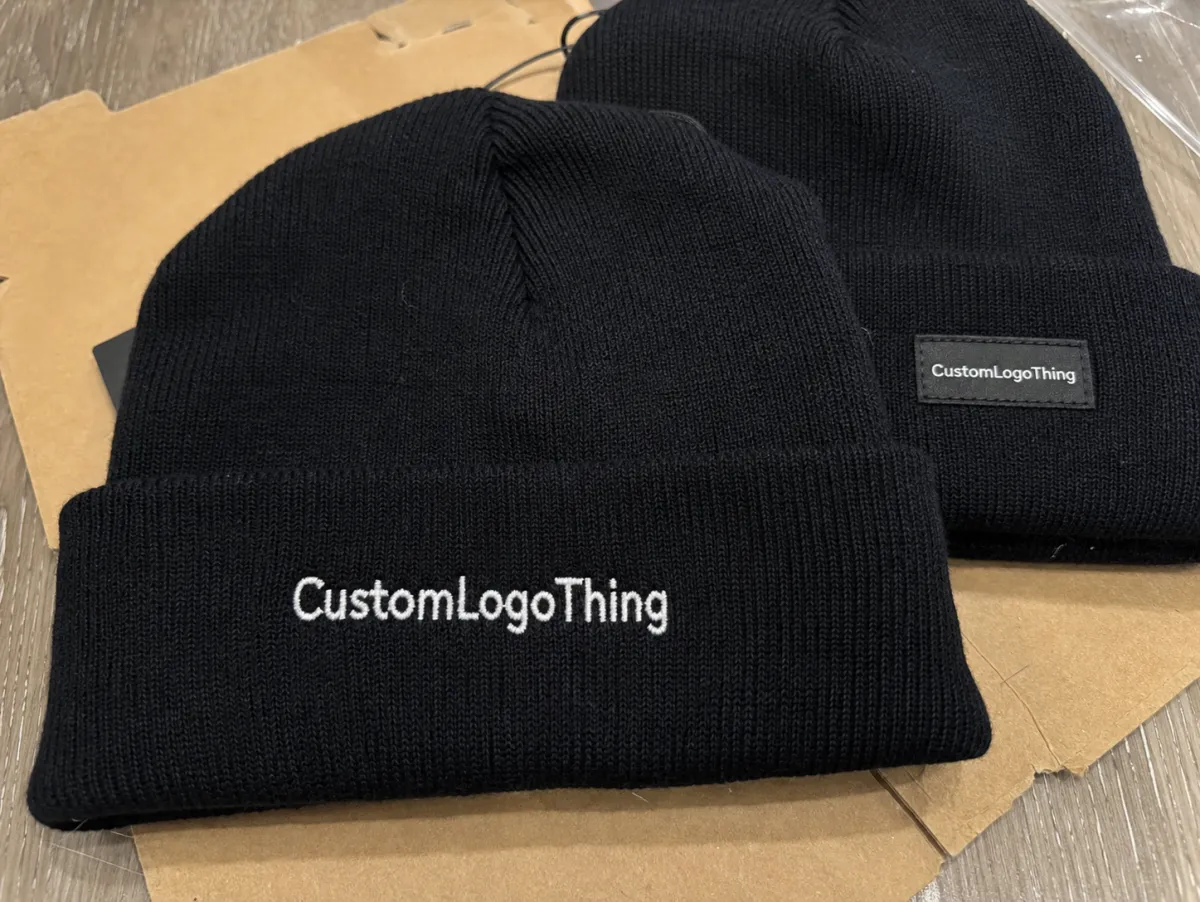
Most price swings come from fixed work. Digitizing turns artwork into stitches and usually runs about $25 to $75, depending on logo complexity and cleanup time. Setup charges for machine time, hooping, and test stitching may also be included. On a 50-piece order, those fees carry a lot of weight. On a 500-piece order, the same costs are spread across far more units.
Stitch count is the next major driver. A compact 2,500-stitch mark is faster and cheaper to run than a dense 9,000-stitch logo. More stitches mean more machine time, more thread use, and more chance of rework. Color count matters too. A one-color logo is easier than a four-color design with fine transitions or narrow outlines.
The blank also changes pricing. A standard acrylic cuffed beanie is usually the most economical starting point, while recycled yarn blends, heavier rib-knit styles, and double-layer winter knits may cost more. But the cheapest blank is not always the cheapest landed order. If the fabric distorts under hooping or the knit surface is too soft for clean embroidery, labor and scrap risk can rise.
Freight and packing can shift the final total as well. If a quote ignores carton labeling, warehouse prep, or split shipments, the apparent savings may disappear later. For ecommerce launches, compare landed cost, not just the embroidery line. A late shipment or a repack fee can erase any small savings on unit price.
The blank is only half the equation. Stitch count, setup, proofing, and freight often decide whether a quote is actually competitive.
Beanie Styles, Fabrics, and Decoration Options That Affect Fit
Buyers usually start by comparing acrylic knit, rib-knit, recycled yarn blends, and heavier cold-weather styles. Acrylic is common because it is consistent and price-friendly. Rib-knit options can stretch differently and sometimes hold embroidery better if the logo stays moderate in size. Recycled yarn blends support sustainability goals, but the hand feel and stitch behavior should be confirmed before the full run. Heavier styles are good for winter merch, though the fuller surface can soften the look of fine detail.
Silhouette matters just as much. A cuffed beanie usually gives the cleanest front panel and the most predictable embroidery area. An uncuffed style can look sleek in product photography, but the branding area is less defined once the hat is worn. Slouch beanies create a relaxed retail look, but they often work better with a smaller logo or a patch because the drape can hide detail.
Decoration method changes both price and appearance. Direct embroidery is usually the most durable and the best fit for a clean front logo. A woven patch is a safer choice for small text, sharp edges, or artwork that is too detailed for stitches. A woven label or side tab can work when the brand wants quieter placement. Each option trades off cost, texture, and how clearly the logo reads from a distance.
Packaging details also affect the buyer decision. A folded beanie can photograph well for ecommerce, but the fold must be repeatable if the listing images need to match production. Hangtags can add value if they are simple and cleanly attached. If the tag program includes recycled paper stock, asking for FSC documentation is worthwhile; the FSC label helps confirm the paper chain is documented.
The right blank is the one that fits the selling channel. A cuffed beanie with direct embroidery may be best for a retail-style product page. A looser knit with a patch may be better for repeated wear or bundled merch. The key is to match the decoration to how the item will be photographed, packed, and used.
Spec Sheet: Stitch Count, Artwork Limits, and Placement Rules
A clear spec sheet saves money and avoids revision cycles. Before asking for pricing, confirm the logo dimensions, estimated stitch count range, minimum text height, and thread color count. For most beanie work, a front logo around 2.25 to 3 inches wide is common. Tiny serif text is risky. Lettering below about 0.15 inch tall often loses clarity once the knit stretches.
Simple artwork usually stitches better than intricate art. Thick lines, open counters, and simplified shapes hold up well on knit fabric. Fine gradients do not translate cleanly to embroidery, and dense detail can turn a sharp logo into a fuzzy patch. If the design is too small or too complex, a woven patch often makes more sense than forcing stitches to do work they cannot do well.
Placement that holds up on a knit surface
Front-center placement is the standard because it is easy to see and easy to repeat. Side placement works for low-profile branding, especially if the front panel needs to stay quiet. Low placement near the cuff edge gives a modern look, but it can be harder to stitch cleanly on softer blanks because the fabric has less support. If the knit is soft and the logo must stay sharp, a patch is usually safer.
Artwork prep should be specific. Send vector files when possible, plus Pantone references if color matching matters. A clean approval path helps as much as the artwork itself: first the digitized proof, then the sew-out sample if needed, then production sign-off. That sequence reduces rework and keeps the schedule intact. One extra revision can add several days, and late changes after digitizing usually raise cost.
Ask the supplier to flag any limits before the order is booked. If the logo needs more than four thread colors, if the smallest text is too tight, or if the knit is likely to distort under stitching, those issues should be clear early. That is how the review stays based on production reality instead of a catalog assumption.
Beanie Cost, MOQ, and Unit Pricing
A useful quote breaks out the parts of the order so the buyer can compare suppliers on the same basis. Ask for the blank price, digitizing or tooling fees, embroidery setup charges, sample charges, carton or master-pack fees, and any fulfillment or split-shipment costs. Bundled quotes can still be fair, but they make comparison harder if the assumptions are not spelled out.
MOQ has a major effect on bulk pricing. A 48-piece order might land around $6.50 to $9.50 per unit, depending on blank quality, logo size, and setup. At 250 pieces, the same style can often move into the $4.50 to $6.50 range. At 500 pieces or more, a simple one-color logo on a standard cuffed beanie may come in lower, sometimes around $3.50 to $5.50. Those ranges are directional, but they show how much fixed cost drives the number.
| Order Tier | Typical Quote Structure | Approximate Unit Cost | Best Fit |
|---|---|---|---|
| 48 to 99 pieces | Higher setup share, lighter discounts | $6.50 to $9.50 | Testing demand, small launches, team giveaways |
| 100 to 249 pieces | Setup begins to spread out | $5.00 to $7.50 | Seasonal ecommerce drops, limited collections |
| 250 to 499 pieces | Better blank pricing and labor efficiency | $4.50 to $6.50 | Core merch programs, bundled retail offers |
| 500+ pieces | Stronger blank and decoration breaks | $3.50 to $5.50 | Established SKU with planned replenishment |
Hidden costs are where buyers often get surprised. Extra thread colors can add time. Custom labels, woven tabs, or retail packaging raise the total. Split shipments can look minor on paper and still add meaningful freight. Rush production is another common trigger because the schedule has to be pulled forward. For a landed comparison, those add-ons belong in the real unit cost.
If you are comparing quotes, use the same assumptions for blank style, logo size, thread colors, packaging, and delivery method. Mismatched inputs make the lowest price look better than it really is.
Embroidery Process, Proofing, and Turnaround
The process usually moves in a fixed order: quote request, artwork review, digitizing, proof approval, sample or sew-out if needed, production stitching, packing, and shipment. The cleaner the front end is, the less likely the schedule is to slip. Simple jobs can move quickly when the logo file is ready and approvals are fast. Complex jobs slow down when artwork changes after digitizing.
Lead time should be discussed in business days. For straightforward beanie embroidery, 12 to 15 business days after proof approval is a reasonable planning range at many shops. Special packaging, peak-season volume, or a requested sample can extend that timeline. If the product supports a seasonal launch, build in time for proofing and freight rather than assuming the first production date is the final delivery date.
Most delays come from the same few places: missing vector art, slow approval on the sew-out, a late thread-color change, or a rush request after production planning has started. It is usually not the machine that creates the delay. It is the handoff between people. One clear point of contact and one approved file matter more than many buyers expect.
Shipping needs the same attention. Ask how cartons are packed and labeled, especially if the order will move through parcel networks or into a fulfillment center with receiving rules. If the program needs extra transit protection, ask whether the packaging approach lines up with ISTA testing expectations for distribution. Not every beanie order needs formal lab testing, but the supplier should still think beyond stitching and into shipment durability.
Proofing protects both quality and budget. A sew-out sample can confirm scale, thread color, and placement before the full run begins. If the first sample is off, the design can still be adjusted. If the problem appears after hundreds of pieces are finished, correction is much more expensive. For that reason, proofing belongs in any serious review of unit cost.
What Buyers Should Look for in a Reliable Beanie Supplier
Consistency is the first test. The sample should match production closely on logo placement, thread tension, and color tone. Headwear is unforgiving in that way; even a small shift can make the whole run look off. A reliable supplier controls that through clear artwork notes, repeatable setup, and batch tracking that makes reorder production easier months later.
Communication matters just as much as the machine room. Buyers should expect plain-language proof notes, clear answers on MOQ, and a record of what was approved previously. If a supplier cannot tell you how a prior order was packed, what blank was used, or which stitch file was run, replenishment becomes harder than it needs to be. Seasonal ecommerce programs depend on repeatability.
Packaging and fulfillment readiness is another useful signal. Some orders need bulk packing only. Others need carton labels, inner polybags, or drop-shipment compatibility. If your team sells through retail, wholesale, and direct-to-consumer channels at the same time, the supplier should know which packing method fits each path. That detail helps prevent repacking and receiving issues later.
On sustainability, ask practical questions rather than broad claims. Recycled yarn blends, FSC-certified hangtags, and simple carton packing can support a cleaner story if they are documented properly. The goal is not a marketing phrase. It is evidence that can be used on a product page or in a retail spec sheet without guesswork.
The best partner explains tradeoffs before the order is placed. Maybe the cleaner logo needs to be slightly larger. Maybe the lower MOQ comes with higher setup charges. Maybe the faster delivery quote assumes no sample stage. Honest answers keep the numbers usable and the schedule realistic.
Next Steps to Lock in a Fast, Accurate Quote
To get a clean price, send five things first: the logo file, the beanie style you want, the target quantity, preferred colors, and the delivery date. That gives the supplier enough information to price the blank, estimate stitch count, and spot production issues before they become changes. If you can include the intended use, such as retail sale, bundle add-on, or giveaway, even better. The use case often changes the best decoration method.
Ask for tiered pricing at two or three quantities. That shows the break between small-run pricing and stronger bulk pricing. It also helps decide whether the MOQ is worth meeting or whether a lower quantity makes more sense for the launch. Many buyers find that a modest jump in order size lowers the cost per piece enough to justify the extra inventory, but only if sell-through is realistic.
Confirm artwork placement and proof timing before approving anything. A simple front-center logo can move quickly. A side placement, woven patch, or custom label may need an extra approval step. If that is clear in advance, the timeline can be worked backward with far less stress. That is the difference between a smooth seasonal buy and a scramble that ends in air freight.
In practical terms, a strong ecommerce embroidered Beanies Unit Cost Review should show how the order will be made, what drives the setup charges, where the MOQ sits, and how fast the product can move from proof to carton. For a winter drop, asking for a quote with those details up front is the smarter first step. Send the art, quantities, and delivery window, then compare the landed total, not just the decoration line.
What drives ecommerce embroidered beanies unit cost the most?
Order quantity usually has the biggest impact because setup costs get spread across more pieces. Stitch count, logo size, and thread color count also raise the price even when the blank beanie looks similar, and rush timing or split shipping can push the landed total higher.
What MOQ should I expect for custom embroidered beanies?
MOQ depends on the blank style, decoration method, and how much setup the artwork needs. Lower minimums are possible, but unit cost usually rises on very small runs, so ask for tiered pricing to see where the break point sits.
How long does the embroidery process usually take for beanies?
Most timelines include artwork setup, proof approval, stitching, packing, and shipment. Simple jobs move faster when the art is ready and approvals are quick, while peak season, sample revisions, and freight requirements can extend the schedule.
Can I review a sample before placing a larger beanie order?
Yes, a sample or sew-out is the best way to confirm placement, thread color, and logo scale. It can prevent costly rework on larger ecommerce orders, so ask whether the sample charge is credited back on production.
How can I lower the unit cost without hurting the branding?
Use a cleaner logo with fewer stitch-heavy details and fewer thread colors. Choose a placement and beanie style that allow efficient embroidery, and increase quantity where possible because that usually lowers the per-piece price most effectively.

