When a suit or coat leaves the packing line looking crisp, the last thing you want is a garment bag that splits at the seam, clouds over in transit, or arrives with a crushed shoulder fold. That is why an ecommerce heavy duty garment bags material guide matters: the bag material affects strength, clarity, cost, and how well the package survives the rougher parts of shipping.
From a packaging buyer’s point of view, this is not a question of “thicker plastic equals better.” It is about matching film structure, seal quality, and closure style to the way apparel moves through corrugated cartons, warehouse handling, parcel networks, and sometimes return loops. The wrong bag can look fine on a hanger and still fail once it sits under carton compression or rubs against a rough interior edge.
What Makes a Garment Bag “Heavy Duty” in Ecommerce?
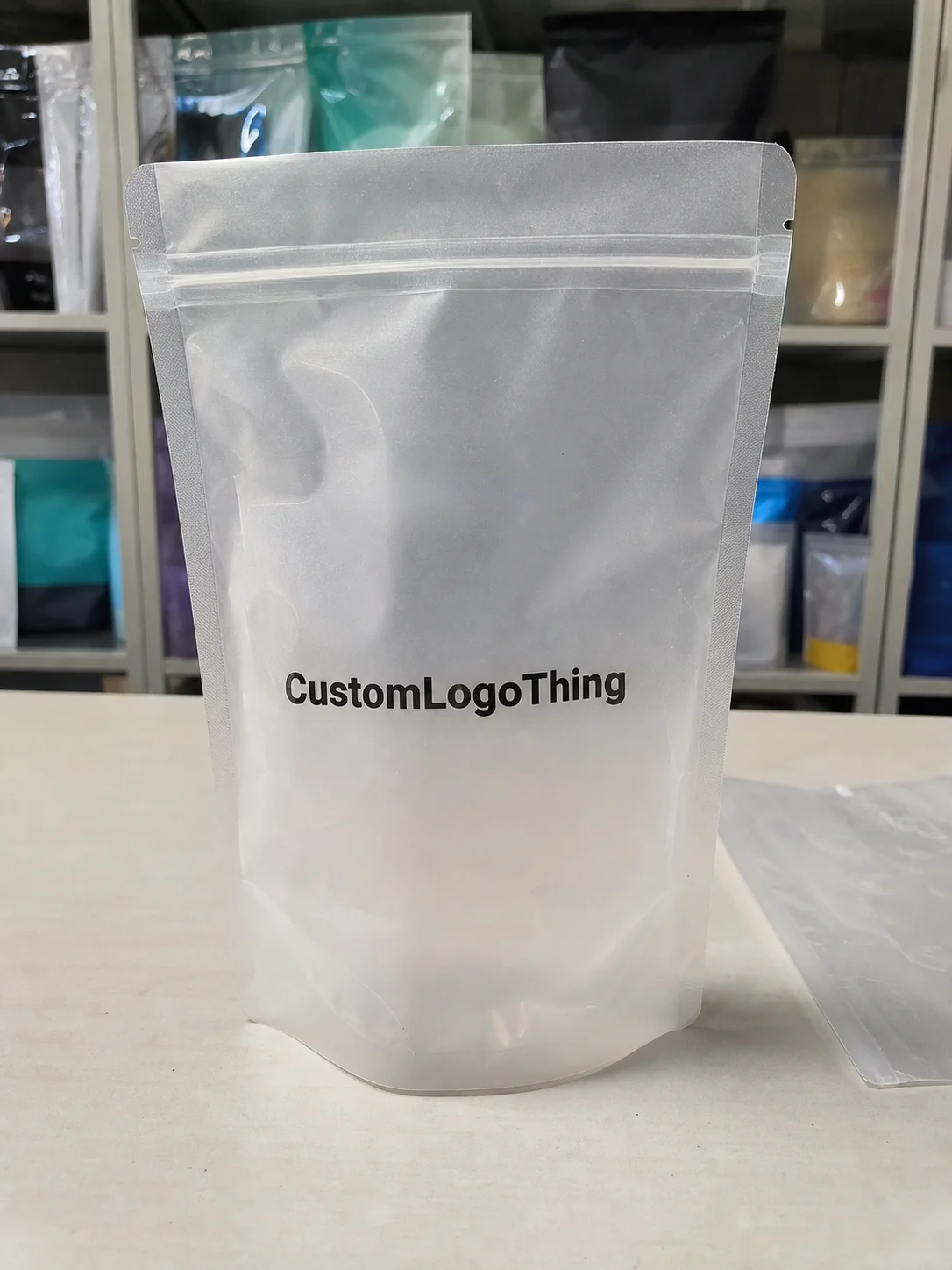
A standard retail garment bag is often built for display, dust control, or short-term storage. An ecommerce version has a tougher job. It needs to hold up inside corrugated cardboard shipping boxes, survive conveyor friction, and resist puncture from hanger hooks, coat buttons, zippers, and folded garment corners.
The biggest difference is usually not one feature. It is the combination of film gauge, seal strength, and material chemistry. In practice, a heavier bag might be 2–4 mil thicker than a light retail sleeve, but gauge alone does not tell the full story. A well-made 2.5 mil LDPE bag with clean seals can outperform a cheaper 4 mil bag that has weak seal geometry or inconsistent extrusion.
Common film families for heavy-duty garment bags include LDPE, LLDPE blends, and heavier-gauge poly constructions. LDPE tends to feel softer and more flexible, which helps when the bag must fold around garments without fighting the packer. LLDPE brings better stretch recovery and puncture resistance, which matters when boxes get stacked, shifted, or reopened for inspection.
The buyer is balancing four things at once: protection, presentation, cost, and shipping efficiency. Go too light and you risk damage. Go too heavy and the bag becomes bulky, increases carton fill, and may raise freight cost even if the film price itself looks reasonable.
“The most expensive bag is usually the one that fails after you’ve already packed and shipped the order.”
How Bag Material Affects Protection, Presentation, and Shipping
Material choice controls how a bag behaves under stress. A film with better tear resistance will resist small punctures and stop a nick from turning into a full split. A film with better stretch recovery will flex when a box is compressed, then rebound instead of staying wrinkled or distorted. That matters in ecommerce because packages are not gently placed on a shelf; they are sorted, stacked, flipped, and sometimes squeezed for miles.
Presentation matters too. If a customer or warehouse team needs to see the garment clearly, clarity and gloss become important. A cloudy or hazy bag can make colors look dull, and a wrinkled surface can give the impression of poor quality even when the product inside is perfectly fine. For high-end apparel, that visual impression has real value.
There is also a practical moisture side. Heavy-duty poly bags are not a substitute for full waterproof packaging, but they do provide a useful barrier against humidity, light splashes, and dust. If garments are packed with tissue, kraft paper, or internal inserts, the bag helps keep those presentation elements intact during transit.
Soft films are easier to fold and insert into cartons, but stiffer films can hold shape better and feel more premium. The tradeoff is bulk. A stiffer bag may protect better against scuffing, yet if it forces you to use a larger carton, you may lose some of the shipping efficiency you were trying to gain.
Seals, gussets, and fold lines matter just as much as the resin. A bag with a clean bottom seal and consistent side seams spreads stress more evenly. Gussets can help the garment sit better, especially for jackets, uniforms, or items with broad shoulders. Poorly placed folds, on the other hand, create crease lines that become weak points after repeated handling.
Static and scuffing deserve attention too. Some films build static charge and cling to fabrics, which slows packing and can make the unboxing look messy. Trapped moisture is another real issue: if a warm garment is sealed too quickly, condensation can appear inside the bag. That is why workflow timing matters, not just the material spec.
Key Material Factors to Compare Before You Buy
The first spec most buyers look at is thickness, usually shown in mil or micron. Thickness helps, but thicker is not automatically better. If the bag gets too bulky, it can interfere with carton counts, increase shipping weight, and slow down the packing line because it takes more effort to fold and position. A lighter gauge that passes handling tests is often the smarter commercial choice.
Next comes film structure. Virgin resin usually gives the best consistency in clarity and seal behavior, while recycled materials can lower cost and support sustainability goals. That said, recycled content can vary in finish and odor, especially if the supplier is using post-consumer waste. If your brand is pushing a cleaner presentation, ask for a sample lot and inspect the haze, gloss, and seal uniformity before approving production.
For sustainability messaging, some buyers ask for FSC certified paper inserts, Branded Hang Tags, or outer packaging made from recycled materials. The bag film itself is usually a poly product, so it will not be FSC certified in the same way paper is. Still, you can build a more responsible pack-out by pairing the bag with recycled inserts or reducing unnecessary secondary packaging.
Opacity and clarity should be chosen with a real use case in mind. A fully clear bag works well for QC, warehouse scanning, or retail-style presentation. A semi-opaque or frosted film can hide minor wrinkles and reduce visual noise, which some brands prefer. If you plan heavy print coverage, that can change both opacity and the film surface needed for clean ink adhesion.
Closure type also shapes the film decision. A zipper bag needs enough stiffness to stay aligned without tearing at the track. A resealable flap or adhesive strip puts more pressure on the mouth area, so seal strength and top-edge rigidity matter more. Hang-tab styles require enough structural support near the top so the weight of the garment does not stretch the opening during hanging.
Before You Buy, ask for performance data instead of only a quote. Useful specs include:
- Tensile strength for stretch and tear resistance
- Dart impact for puncture behavior under load
- Seal strength for seam reliability
- Load or handling test results from real carton movement
| Material / Build | Typical Strength Profile | Best Use Case | Typical Buyer Tradeoff |
|---|---|---|---|
| LDPE, standard heavy gauge | Flexible, good clarity, moderate puncture resistance | Most folded apparel, moderate shipping stress | Can feel softer and less rigid |
| LLDPE blend | Better stretch recovery, improved puncture resistance | Coats, uniforms, higher handling risk | Slightly different hand feel, sometimes higher cost |
| Recycled-content poly blend | Variable clarity, often solid functional protection | Budget-conscious programs with sustainability goals | Finish and consistency can vary by lot |
| Heavier-gauge custom construction | Strong overall protection, more body | Premium garments and rough shipping routes | More bulk, higher carton fill and freight impact |
If your packing operation is trying to reduce waste, compare the garment bag against the rest of the shipper system. A lighter bag plus a well-sized carton may outperform an oversized bag inside a larger box. That is where packaging engineering beats guesswork.
Ecommerce Heavy Duty Garment Bags Material Guide: Process and Lead Time
The production flow usually starts with material selection, then moves through extrusion, converting, sealing, printing, packing, and final quality control. If the bag is stock, some of that work is already done. If it is custom, each step can introduce time, especially if you need a nonstandard gauge, a special blend, or a branded print layout with tight registration.
Material selection is the first approval gate. Buyers should expect a spec sheet, a sample swatch or film sample, and sometimes a few bag variations to compare clarity, thickness, and seal behavior. If your team is new to this category, ask for pre-production samples before you commit to a full order. A flat drawing can hide practical issues like zipper stiffness or a top opening that is too narrow for your hanger style.
Custom print adds another checkpoint. Even simple one-color branding can require proofing, and full-coverage graphics may need extra attention to ink coverage and surface treatment. That does not mean printed bags are difficult, but it does mean the schedule stretches if the artwork is not ready or the color approval takes a second round.
Lead time depends heavily on resin availability, tooling requirements, and order size. A straightforward production run with available materials may move in 12–15 business days after proof approval, while a custom gauge or specialty closure can push that further out. Larger quantities can sometimes run more efficiently once the line is set, but they also need more planning for packing and freight booking.
Plan backward from your launch date, then add a buffer for packaging approval, transit to your facility, and any rework if the sample does not match your packaging standard. Peak shipping periods are not forgiving. If your replenishment cycle is tight, a two-week delay on bags can ripple into missed order cutoffs on the apparel side.
For buyers who need better documentation, it is reasonable to ask whether the supplier can support standards-based testing such as ISTA transit simulation for packed cartons or ASTM methods for film properties. Those references do not replace real-world use testing, but they give you a common language for comparing suppliers. You can review general packaging resources through the Institute of Packaging Professionals and shipping test guidance from ISTA.
Cost, Pricing, and MOQ: What Actually Drives Unit Price
Unit price is driven by a handful of clear inputs: resin type, gauge, bag size, print coverage, closure hardware, and order quantity. The heavier the film, the more resin cost sits inside each bag. The more complex the closure, the more labor and component cost show up in the quote. Add multiple print colors or oversized dimensions, and the number moves quickly.
A common range for simple custom heavy-duty poly garment bags might land around $0.18–$0.45 per unit at mid-volume quantities, depending on size, material, print, and closure type. That is not a universal number. A small run with heavy print coverage and specialty features can cost more, while a larger, simpler production run can come in lower.
MOQ matters because setup costs need to be spread across the order. If you buy only a small quantity, the setup for extrusion, cutting, printing, and packing is borne by fewer units. If you buy more, the unit price drops, but you need storage space and cash flow to support the inventory. For many ecommerce teams, that is the real decision point, not just the bag itself.
There is also a freight effect. Heavier materials increase carton weight and can raise outbound shipping cost, especially if the bag is shipped with inserts or packed in dense bundles. In some cases, a slightly lighter film that still passes handling tests will save more money across the full program than a cheaper-per-unit but heavier construction.
If you are comparing quotes, ask vendors to price three options side by side: stock, branded print, and reinforced construction. That structure usually reveals where the true cost jump lives. It also helps you avoid paying premium pricing for a feature set you may not need on every SKU.
For buyers exploring more responsible material choices, EPA guidance on waste reduction and recycling can be useful context, especially if your packaging program includes recycled materials or post-consumer waste content. The relevant reference is EPA recycling resources. If you are pairing the garment bag with paper inserts or hang tags, FSC certified paper can be a sensible add-on for a more complete sustainability story.
Step-by-Step: Choosing the Right Film and Construction
Step 1: Define the garment type and shipping stress. A suit jacket, winter coat, and folded basic tee do not need the same bag. Heavy wool coats and structured uniforms usually justify stronger film and better seal design because they create sharper edges and more internal pressure inside the carton.
Step 2: Match the material to the protection need. If puncture is the concern, move toward a tougher blend or thicker gauge. If the main issue is presentation, prioritize clarity, gloss, and scuff resistance. If your operation has frequent returns, choose a film that tolerates rehandling better, because the bag may be opened and resealed more than once.
Step 3: Decide on appearance requirements. Do you need full transparency for warehouse scanning? Do you want a lightly frosted finish? Should the branding be subtle or prominent? These visual questions change the film finish and sometimes the print method. They also affect how the bag reads in customer unboxing photos, which is very real in ecommerce apparel.
Step 4: Check closure and hanging needs. A zipper is convenient, but it must be aligned well. An adhesive flap is fast, but it can fail if dust or lint gets into the sealing area. Hang-tab bags need enough structure near the top to keep the item stable without stretching the mouth. If your warehouse uses a specific hanger type, test with that exact hardware rather than assuming compatibility.
Step 5: Request samples and test them in real packing conditions. Put actual garments inside. Use the same fold pattern, hanger, carton, and insert you use in production. Then test for seam splits, scuff marks, cloudy spots, static cling, and whether the bag still looks presentable after being boxed and unboxed. Sample testing is where the right choice usually becomes obvious.
A simple comparison helps buyers narrow options fast:
- Is the garment heavy or sharp-edged?
- Will the package be compressed in transit?
- Does the brand care more about clarity or concealment?
- Will the bag be reopened for returns or inspection?
- Do you need a plain sleeve or a branded presentation piece?
Those five questions eliminate a lot of weak options quickly.
Common Mistakes in Heavy Duty Garment Bag Spec Sheets
The most common mistake is over-specifying thickness without thinking about the rest of the pack-out. A thick bag that does not fit efficiently in the carton can create more problems than it solves. You may end up with a bigger outer box, higher freight, and more labor at the packing table.
Another frequent miss is choosing a crystal-clear bag that looks great in a sample photo but scuffs too easily in live handling. A bag can arrive with wrinkles, rub marks, or haze from carton friction, and that hurts the customer impression even if the garment itself is undamaged.
Seal geometry gets overlooked a lot. A strong film with a weak seal can still split at the seam, especially at corners or folds where stress concentrates. That is why the seal line should be part of the buying conversation, not just the resin and gauge.
Buyers also forget to test with the actual garment, hanger, and fold. A flat sheet sample is not enough. A men’s suit on a metal hanger behaves differently than a folded knit top or a heavy winter coat with shoulder structure. The bag needs to work with the real product, not the abstract drawing.
Finally, replenishment planning gets neglected. If a bag line is approved but the reorder point is too low, you can get stuck paying for emergency freight or accepting a substitute that does not match the original run. That creates inconsistency, which is bad for both operations and brand presentation.
My honest advice: treat the bag like part of the shipping system, not a standalone accessory. The best ecommerce heavy duty garment bags material guide decisions come from testing the film, carton, garment, and closure together, because that is how the customer receives it in the real world.
What material is best for ecommerce heavy duty garment bags material guide comparisons?
LDPE and LLDPE blends are common because they balance flexibility, clarity, and tear resistance. The best choice depends on garment weight, shipping stress, and whether presentation or durability matters more.
How thick should a heavy duty garment bag be for ecommerce shipping?
There is no single perfect gauge, but thicker film helps with puncture resistance and handling. The right thickness should be chosen based on garment weight, packaging style, and carton compression risk.
Do printed garment bags need a different material than plain bags?
Often yes, because print coverage can affect opacity, surface feel, and ink adhesion requirements. A supplier may recommend a specific film finish or blend for sharper branding and cleaner registration.
How can I lower cost without sacrificing bag strength?
Reduce unnecessary size, simplify print coverage, and choose the lightest gauge that still passes handling tests. Ordering at a higher MOQ can also lower unit cost if you have storage space and predictable demand.
What should I test before approving a garment bag for ecommerce use?
Test seal strength, puncture resistance, handling wear, and how the bag performs with your actual garment type. Also check whether the bag holds up during folding, boxing, shipping, and customer unboxing.


