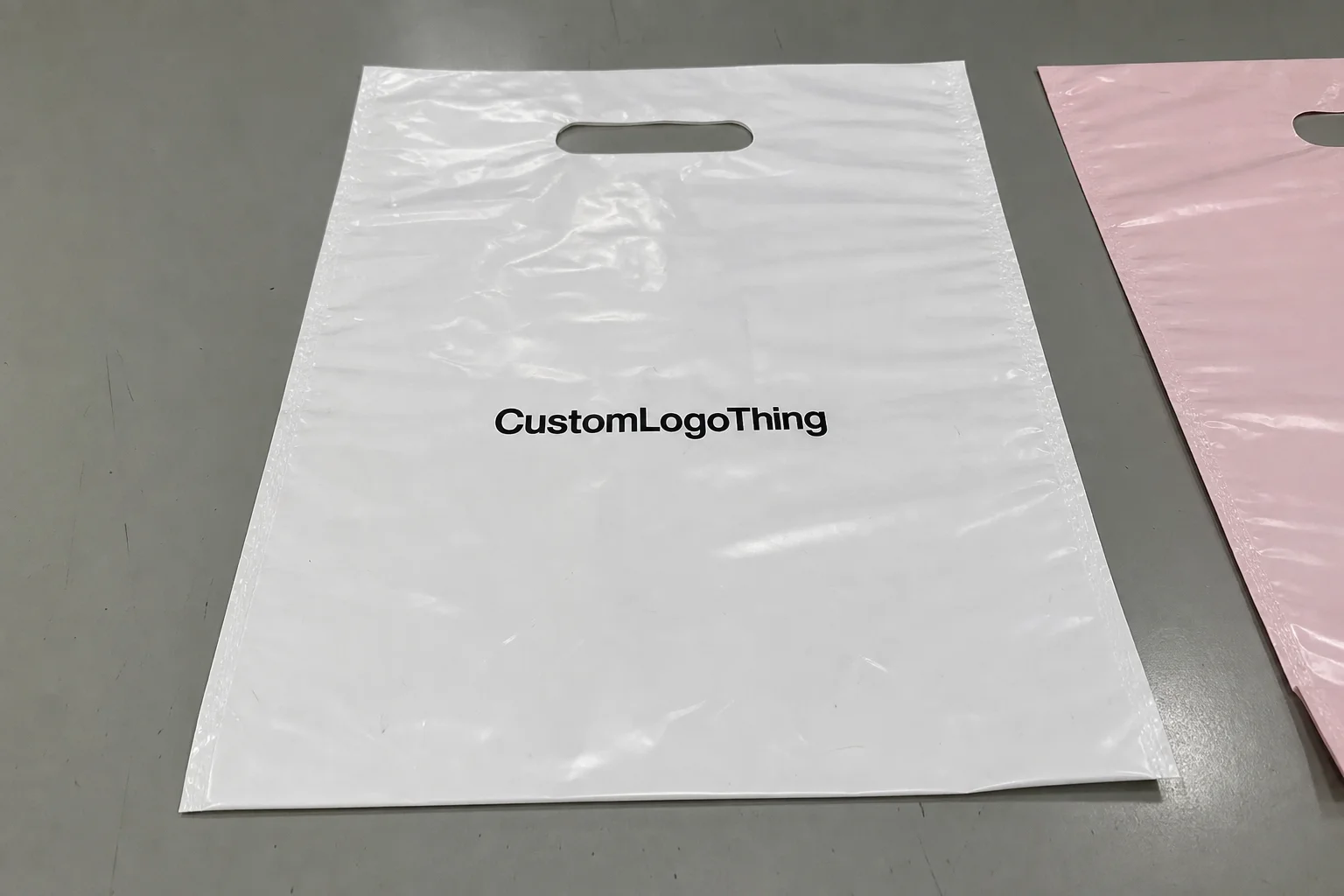
The electronics Printed Poly Mailers physical sample checklist is where a packaging idea proves itself. A render can look clean and still fail once a charger, cable, insert card, or accessory set is inside the bag. The sample has to answer the questions that matter to a buyer: does it fit, close, protect, and hold up under real handling?
Use the checklist to catch size drift, weak seals, film issues, print defects, and handling damage before production starts. A sample that only looks good on a desk is not enough. A sample that survives the packing line and a basic transit-style check is what supports a buying decision.
What the electronics printed poly mailers physical sample checklist reveals
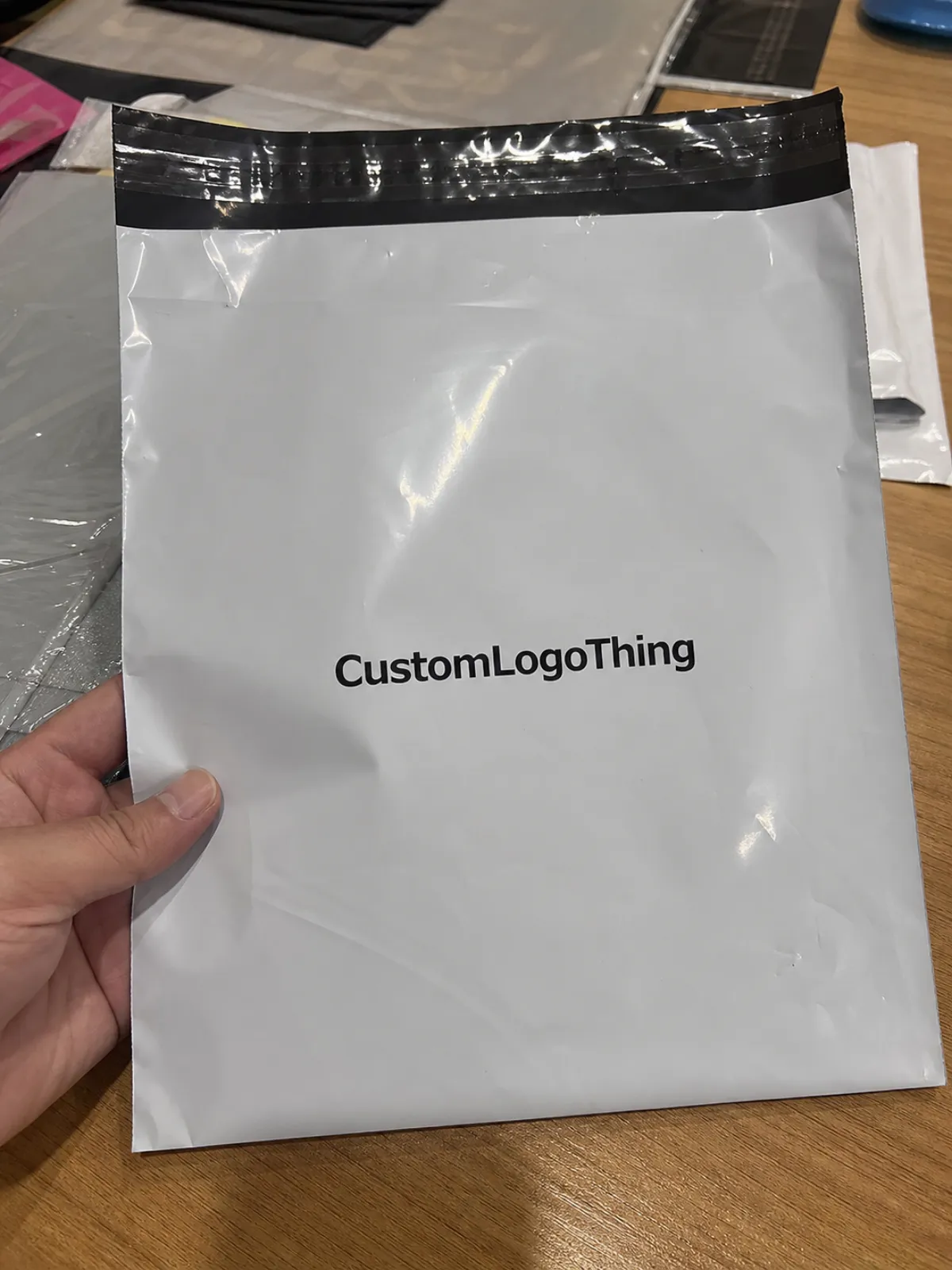
A physical sample tells you more than artwork ever can. Electronics are less forgiving than soft goods because a scuffed casing, bent corner, or failed seal becomes a service issue, not just a packaging issue. The checklist should confirm outside dimensions, closure style, print clarity, opacity, puncture resistance, and whether the bag still feels secure after repeated handling.
Fit is only part of the test. Restraint matters just as much. A loose bag can rattle in transit, while a tight one can slow the line and stress the corners. The sample should show whether the product slides too much, whether the top seal closes cleanly, and whether the print rubs against corrugated shippers or a packing table.
For electronics, the review should reflect the real use case. If the product ships with a cable, manual, foam sleeve, or warranty card, those items need to be inside the sample. If the pack line uses gloves, include them. If the seal is applied on a fast line, test at that pace. A sample approved under ideal conditions can still fail in production.
- Size: the product should load without forcing, but should not rattle.
- Closure: adhesive, peel-and-seal, or tamper-evident strips should hold after movement.
- Film strength: seams, corners, and edges should resist puncture and tearing.
- Print: logos and fine text should stay crisp without streaking or banding.
- Surface behavior: gloss, matte, or soft-touch finishes should not smear or scuff during normal handling.
A useful frame is transit performance, not presentation. The distribution mindset behind ISTA is more relevant here than shelf appeal. A bag that passes a visual check but opens under stress is still a failed pack.
How the sample review process works from art file to bench test
The best sample reviews start before the bag is made. Final artwork, packed product dimensions, accessory count, and packing method should be locked first. If the team sends a rough size guess or an unfinished logo, the sample becomes a guess too.
Review the sample under conditions that resemble the warehouse. Use the same sealing tools, similar lighting, and the same insertion method. If the operation uses a folded insert or protective sleeve, include it. A sample that looks fine in silence can fail once it meets a full queue and a faster pace.
A simple bench test is enough to reveal most issues: load the real product, close the mailer, then check movement, edge pressure, seal strength, and rub marks. If the item is heavy or has sharp accessories, shake the sample gently and press the corners. That usually exposes weak tack, static, or corner stress quickly.
Document what was tested and what was not. A sample may pass with one device but fail with the full kit, or pass with a light insert but fail when the manual and accessory bundle are included. That matters because electronics packaging rarely ships as a single object.
"A sample is approved because it survives the packing line, not because it looks nice under office lights."
Use one review owner to collect feedback and decide whether the result is keep, revise, or approve. Too many separate comments can push the spec in conflicting directions and slow the project down. If the mailer needs to change, it is usually faster to revise the structure first and the artwork second.
For teams comparing options, the product line at Custom Poly Mailers is a useful starting point, and the wider Custom Packaging Products catalog helps if the project needs inserts, labels, or a different outer structure.
Material, print, and protection factors that change the quote
Price changes are often tied to structure, not just artwork. Film gauge is one of the biggest levers. A thinner bag lowers cost, but a charger, cable bundle, or compact device with hard edges may require a heavier film. In many cases, moving from 2.5 mil to 3 mil LDPE is the difference between a bag that looks acceptable and one that actually resists puncture. Some loads justify 4 mil; others do not.
Recycled content also affects pricing and performance. It can support sustainability targets, but the blend still needs to be checked for puncture resistance, seal behavior, and print consistency. Post-consumer content can vary more than buyers expect, especially with darker print runs or large solid areas.
Protection is not only about thickness. Opacity and finish matter too. If the product should not be visible through the bag, the film must provide enough barrier performance. A glossy surface can make ink look richer, but may show scratches more easily. A matte finish can hide scuffs better while changing how the print reads under bright light.
Print coverage has a direct effect on cost and approval risk. More colors, larger solid blocks, and special effects increase setup demands and can create drying or rub-resistance problems. A black background with white text is useful because it exposes weak print behavior quickly. If the design includes heavy coverage, test it before locking the order.
Dimensional tolerance also affects both cost and pack efficiency. A few millimeters can change insert speed, headspace, seal compression, and shipping volume. If the sample shows too much slack or too much squeeze, the answer is usually a structure change rather than a cosmetic one.
For transit-style performance, the ISTA approach is more useful than judging by appearance. For sustainability claims, recycled-content language should match current guidance, not a competitor's copy. If the project includes paper-based inserts or components, FSC chain-of-custody may also matter. Claims need evidence.
What tends to move the quote fastest
- Gauge changes: heavier film usually increases cost, but can reduce damage risk.
- Print complexity: more colors and larger ink coverage raise setup and consistency demands.
- Dimensional changes: even small size updates can affect tooling and packing efficiency.
- Protection upgrades: opacity, scratch resistance, and stronger seals add value and cost.
- Material substitutions: recycled blends and specialty films can change lead time and performance.
Process and timeline: step-by-step approval path
The cleanest approvals follow the same sequence every time. First, submit final specs. Second, review the drawing or proof. Third, receive the physical sample. Fourth, test it with the real load. Fifth, request edits if something is off. Sixth, approve only after the revised sample meets the standard.
Three clocks usually run at once: artwork changes, sample production, and shipping. A project can look fast on paper and still lose time because one revision waits on a logo file while another waits on a measurement. Splitting the timeline into those parts makes the bottleneck easier to see.
Build in an internal review window. Purchasing wants cost clarity, operations wants pack speed, and brand wants visual accuracy. If all three teams are asked to sign off in the same afternoon, someone will rush. A few business days for review is easier to defend than a hurried approval that creates a warehouse problem later.
- Confirm dimensions, closure style, and artwork files.
- Request the sample using the final product load, not a substitute.
- Test the bag in the same packing environment used for production.
- Document the result as keep, revise, or approve.
- Release the final spec only after the sample matches the packing reality.
Keep the checklist consistent across revisions. If the team changes the test each time, it becomes hard to compare results or defend the approval. The more stable the process, the more predictable the lead time.
It also helps to label the type of delay. A design delay is not the same as a production delay. A size revision is not the same as a color correction. Clear labels help estimate whether the next sample round is a few days, a week, or longer if tooling changes.
Cost, MOQ, and unit price: what moves the number
One-off samples cost more per unit than production runs because setup time, proof work, and machine changeover are spread across very few pieces. The real question is whether that added cost removes enough risk to justify it. For electronics mailers, the answer is often yes if the sample prevents damage, repacking, or returns.
MOQ is a flexibility decision, not just a supplier term. A lower MOQ reduces inventory risk but may raise unit price. A higher MOQ can improve pricing, but only if the design is stable and the product mix is not changing soon. The wrong MOQ is expensive in a different way than the wrong film gauge.
| Option | Typical sample cost | Best for | Common tradeoff |
|---|---|---|---|
| Basic unprinted fit sample | $35-$75 | Quick size and closure validation | Limited insight into print, opacity, and branding |
| Printed pre-production sample | $80-$180 | Most buyer approvals for branded mailers | Higher setup cost, but far better risk visibility |
| Revision sample with spec changes | $100-$220 | Projects with film, size, or artwork changes | Extra time for another round of review and shipping |
These figures move with print complexity, bag size, special materials, and shipping distance. A simple logo may stay near the lower end. A custom build with heavy coverage, opacity requirements, and a revision loop will land higher. The cheapest first quote is not always the cheapest project.
Hidden costs matter too. Extra revisions create freight charges. Delayed approvals keep inventory decisions open. A sample approved too quickly can be the most expensive option if it leads to damaged electronics, repacking labor, or returns. A slightly higher sample cost can be a bargain if it prevents even a small failure rate.
For electronics packaging, the savings from a thinner or simpler spec are only real if the pack still protects the product. Once replacement rates, customer service time, and rework are included, a low initial quote can become the most expensive outcome.
Common mistakes that slow approval and create waste
Approving from a screen image alone is the fastest way to create a problem. Color, gloss, and seal behavior all change once the bag exists physically. A file can make a logo look sharp while the actual print lands too dark, too glossy, or too soft at the edges.
Another common miss is forgetting the full product load. If the electronics ship with a cable, charger, folded instruction card, or protective sleeve, those items have to be inside the sample during testing. Without them, the fit test is misleading.
Too many reviewers can slow everything down. Brand, procurement, and operations can all contribute, but their comments need to be consolidated before they go back to the supplier. Otherwise the revision note turns into a contradiction: one person wants a tighter bag, another wants a larger one.
Waste also comes from vague tolerances. If no acceptable range is written down, every sample becomes a new argument. A written acceptance standard avoids that.
- Pass: fit is correct, print is acceptable, closure holds, and handling leaves no visible damage.
- Revise: one issue is minor and fixable without changing the packing method.
- Fail: the bag cannot protect the product, or the spec needs structural changes.
That standard turns the electronics Printed Poly Mailers Physical Sample checklist into a control document instead of a loose conversation. It also cuts waste from vague feedback, which is often more expensive than the sample itself.
Expert tips for faster sign-off and cleaner next orders
Assign one owner to collect comments and issue the final decision. That keeps the process from fragmenting into three parallel approval paths while still allowing input from purchasing, operations, and brand.
Photograph the approved sample next to the product, a ruler, and the closure detail. That image becomes a practical reference for the next reorder. Measurements, film gauge, seal width, and print finish should be stored with the art files so future teams do not guess.
Keep the final spec sheet in one shared place. Include exact dimensions, artwork version, adhesive notes, tolerance limits, and handling warnings from the test. If the sample showed a corner rub issue or a better packing sequence, note it. Reorders go faster when the lesson is written down.
Review transit damage after the first shipment, not just before first approval. A sample can pass on the bench and still reveal a weak point after parcel handling. That feedback loop improves the next order because it is based on actual shipping results.
Before the next run, revisit the checklist and update it with any issue that showed up in transit, storage, or the packing line. Keep the list short and specific. A concise checklist that is used every time is better than a perfect one that sits unused.
What should be on an electronics printed poly mailers sample checklist?
Confirm dimensions, closure type, print placement, and opacity against the packed product. Check seal strength, puncture resistance, and surface rub after a short handling test. Write pass or fail criteria before approval so the next order is consistent.
How long does a printed poly mailer physical sample usually take?
Timing depends on artwork changes, tooling needs, and shipping distance. Simple revisions can move faster than fully custom builds with special print or sizing. Plan extra review time if multiple teams need to sign off, because delays are often internal.
How do MOQ and unit cost change when I request samples?
One-off samples usually carry higher setup cost because the build is not spread across volume. Higher order quantities typically reduce unit cost after setup is absorbed. Each revision can add cost through extra production, shipping, and review time.
Can the sample prove my electronics fit safely?
Yes, if you test with the real product, inserts, and any accessories that ship together. Check for internal movement, pressure points, and edge contact after the bag is closed. Use the actual packing method the warehouse will follow in production.
What if the sample color or finish is off?
Compare it against a target reference, not memory or a screen image. Request a revised proof or ink adjustment if the match is outside your tolerance. Do not approve until the visual finish meets the standard you set upfront.
Is a thicker film always better for electronics mailers?
No. Heavier film can improve puncture resistance, but it also adds cost and may slow insertion if the product already fits tightly. The right choice is the lightest structure that still protects the device, accessories, and seal area during handling.