A candle Printed Poly Mailers material sample guide matters because a bag that looks sharp on a screen proof can still disappoint once it is filled, folded, rubbed, stacked, and shipped. In practice, that gap between artwork approval and real handling is where most packaging mistakes show up, especially for candle brands shipping glass jars, tins, wax melts, and boxed gift sets.
From a buyer’s point of view, the sample is not just about color. It is a practical check on film gauge, surface finish, opacity, adhesive behavior, seal strength, and how the print sits on the film after a few rounds of handling. If the mailer needs to protect a heavy product without feeling overbuilt, this is the step that tells you whether the structure is right before you place a larger order for Custom Poly Mailers or broader Custom Packaging Products.
Candle brands care more than many other retailers because the product load is rarely forgiving. A jar corner, a metal lid, or a boxed candle set can create sharp pressure points that expose weak seams fast. So the goal is simple: does the mailer protect the product, support the brand presentation, and survive shipping without adding unnecessary material cost?
Candle Printed Poly Mailers Material Sample Guide: What It Proves
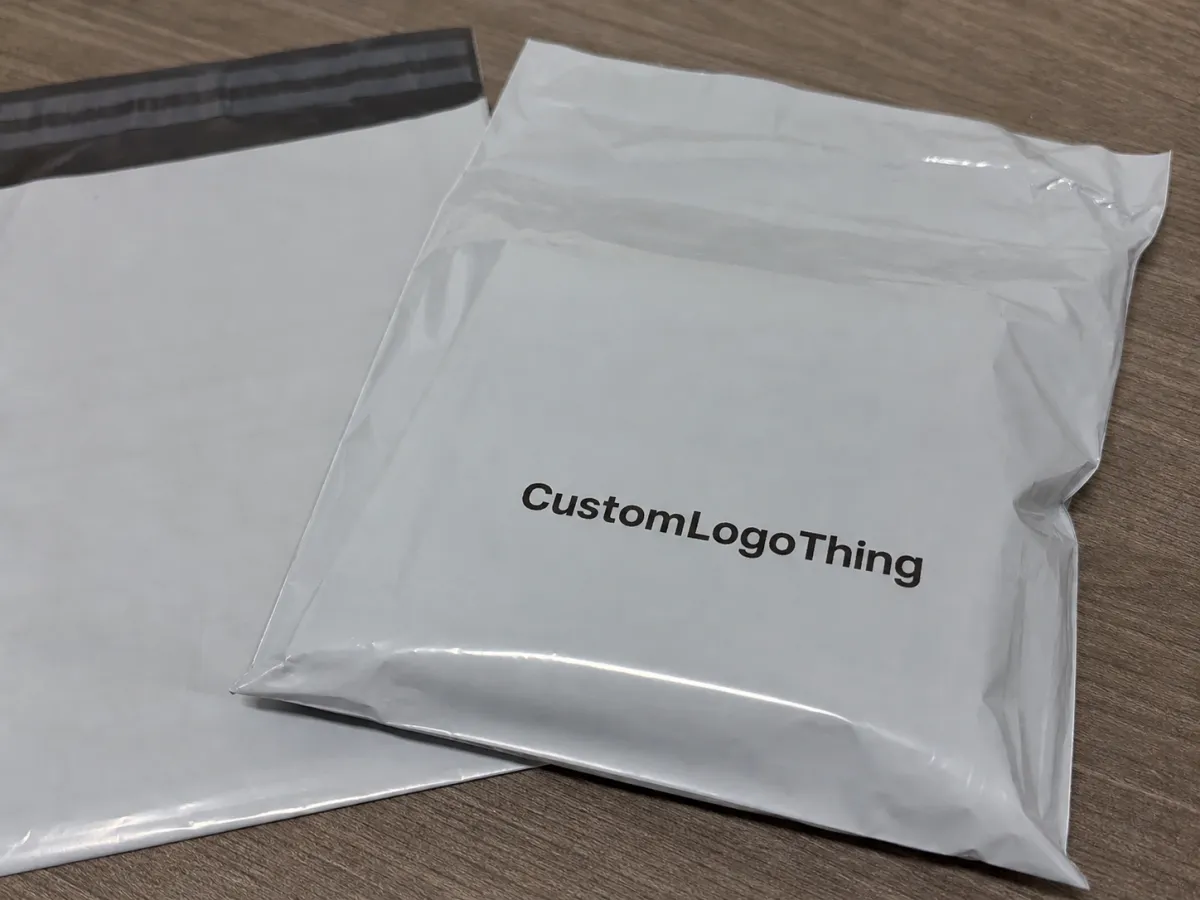
This candle Printed Poly Mailers material sample guide starts with the real question buyers need answered: will the bag work in the hand, not just in a mockup? A sample proves whether the film stretches too easily, whether the surface scuffs under normal handling, and whether the seal line behaves the way the supplier promised. That is a very different test from approving a PDF.
Material samples also reveal the package feel. A 2.5 mil bag made from a standard coextruded LDPE blend can feel softer than a 3 mil bag with more stiffness in the outer layer, even before you account for print coverage. That matters when the product inside is heavy or oddly shaped. Candle jars and gift boxes can make a bag flex in ways a flat swatch never shows.
For candle sellers, the sample has one job: answer whether the mailer is strong enough without going into overkill. Too thin, and the seam or flap can fail in transit. Too heavy, and you spend more than needed while making the package harder to pack and more expensive to ship.
Practical rule: if the sample only looks good in the office but fails when packed with the actual candle product, it is not an approval sample yet; it is just a pretty proof.
That is why a material sample should be judged like a shipping tool, not a marketing mockup. It has to perform, present well, and fit the operational side of the job too.
What a Material Sample Actually Includes
A true sample package can take a few forms. Sometimes it is a film swatch that shows the substrate, finish, and print. Other times it is a printed blank or a short prototype run with the planned dimensions, flap style, and closure method. For buyers comparing suppliers, the best sample is the one closest to the final production spec, not the cheapest piece of material available.
Here is what usually deserves attention first:
- Film construction: single-layer or multi-layer coextruded film, recycled-content blends, or a heavier gauge with more body.
- Surface finish: glossy, matte, or opaque, each of which changes print appearance and handling feel.
- Closure behavior: adhesive flap grab, peel performance, and whether the seal stays clean after repeated openings.
- Print quality: registration, ink density, white underprint coverage, and whether the logo stays sharp after flexing.
- Load response: how the bag holds a candle jar, boxed candle, or wax melt set when fully packed.
Another detail that gets missed often is resin consistency. A sample made from a different resin blend, or even a different recycled-content ratio, can give a false sense of confidence. That is especially true if the buyer is trying to match the look and feel of a previous order.
From a sustainability angle, many buyers also ask about recycled materials, post-consumer waste content, or whether the supply chain supports FSC certified paper for the outer carton or insert components. Poly mailers themselves are still plastic-based, so it helps to think carefully about the full package system rather than assuming one eco claim solves everything. If a shipper needs corrugated cardboard reinforcement, kraft paper padding, or a secondary box, that should be tested alongside the mailer decision, not after the order ships.
That is also where the sample connects to the rest of the packaging stack. A candle brand may use a poly mailer for smaller orders, but switch to corrugated cardboard or kraft paper outer packaging for heavier sets. The sample helps the buyer see where that line sits instead of guessing based on an online quote.
How the Sampling Process Works
The sampling process should begin with a clean spec sheet. Size, print coverage, bag style, gauge target, seal type, and shipping requirements need to be clear before anyone starts producing a sample. If those basics are fuzzy, the revision cycle usually gets longer and more expensive than it should.
Artwork handoff matters too. Some suppliers want vector files with spot colors called out plainly. Others need raster proofs, seam-safe notes, or a reminder that the print cannot run too close to the flap edge. Those details are not red tape; they prevent a logo from landing on a weld line or getting cut off by the bag edge.
The review loop is usually straightforward: the supplier sends the sample, the buyer tests fit and finish, and then the buyer decides whether to approve, revise, or request another build. If the sample misses the target on gauge, feel, or print behavior, the buyer should flag that directly. Ambiguous comments like “make it nicer” are not helpful in production.
Lead time depends on the type of sample. A digital mockup can be turned around quickly, but it only answers layout questions. A physical prototype often takes longer because the supplier may need the exact film, adhesive, or print setup. Artwork changes, specialty film sourcing, and approval delays are the usual reasons the clock stretches.
For most buyers, the best approach is to keep the first sample focused. If you change the dimensions, the finish, and the logo coverage all in one round, you will not know which adjustment actually helped. That is why a disciplined candle Printed Poly Mailers material sample guide is useful: it keeps the test narrow enough to learn from.
Packaging professionals often compare this stage to other material approvals in the supply chain. The idea is the same whether you are selecting a mailer, a carton, or a label stock: the sample should match the production path as closely as possible. If the finished package must meet transit expectations, ask whether the sample can be checked against basic shipping standards such as ISTA testing practices rather than relying on a desk-only inspection.
Film Gauge, Print Coverage, and Seal Performance
Gauge is one of the easiest numbers to talk about and one of the easiest to misunderstand. The same nominal thickness can feel different depending on the resin blend, layer count, and how much the film stretches under load. A 3 mil mailer in a softer blend may behave differently from a 3 mil mailer with a firmer outer skin and more stiffness at the seam.
Print coverage changes more than buyers expect. Heavy ink areas can create beautiful color depth, but they may also shift the hand-feel, reduce flexibility slightly, and show scuffing differently than a lighter design. A dark full-bleed print may hide fingerprints better, while a lighter design can reveal scratches sooner. Both can be correct; the right answer depends on the brand look and the shipper’s handling conditions.
Seal performance should be treated as a shipping issue, not a cosmetic one. The flap adhesive, side seams, and bottom weld all need to hold together when a parcel is dropped, dragged across a conveyor, or stacked in a bin. If the seal opens too easily, the brand may save pennies on the bag and lose dollars on a return.
Surface finish also affects legibility. Glossy film can make colors appear richer and more reflective, but matte film often reduces glare and hides handling marks better. For candle packaging, where the logo usually sits next to a product photo or a cleaner luxury-style mark, that choice can change the whole read of the brand.
| Sample Type | Best For | Typical Cost Range | What It Tells You |
|---|---|---|---|
| Film swatch | Basic material feel and finish | $25-$60 | Gauge feel, opacity, and surface texture |
| Printed blank | Artwork, color, and handling checks | $40-$90 | Print clarity, scuff resistance, and general fit |
| Physical prototype | Final approval before production | $75-$150+ | Real-world closure, load, and transit behavior |
If the sample passes handling but still feels too heavy for the product, that is useful information too. It may mean the candle needs a secondary carton, or that the brand should use a lighter mailer for some SKUs and a different format for gift sets. Good sampling is as much about ruling out the wrong choices as confirming the right one.
Sample Pricing, MOQ, and Quote Variables
Sample pricing is not random, even if it looks that way at first glance. The biggest cost drivers are bag size, film gauge, print complexity, number of colors, material type, and whether the sample is a standard build or a custom structural spec. A simple one-color prototype is naturally cheaper than a full-bleed, multi-color design with a specialty finish.
MOQ matters because setup time and material waste get spread over fewer or more units. A higher minimum order quantity usually lowers the per-unit cost, while a small run can look more expensive per piece even if the total spend is manageable. Buyers should separate the sample fee from the production economics so they do not judge the entire project by one line item.
Here is where quote comparisons get messy. One supplier may include freight, plate work, and a revision cycle in the first number. Another may leave those items off until later. Those quotes are not equal, even if the headline price seems close.
A clean comparison should include:
- Sample fee: what the prototype or swatch actually costs.
- Production unit cost: the per-bag rate at the target quantity.
- Freight estimate: ground, air, or international shipping if applicable.
- Rush or revision charges: anything tied to speed or rework.
- Setup items: plates, tooling, or artwork preparation if they apply.
For a practical buyer, that breakdown is often more useful than the cheapest quote. If a lower number hides extra fees, the order can become more expensive after approval. This is where careful sourcing pays off, especially for brands comparing a mailer order against other packaging formats like kraft paper wraps, corrugated cardboard shippers, or mixed-material gift packaging.
If the brand also wants sustainability language, ask how the supplier handles recycled materials and whether the broader packaging program can support FSC certified components where paper is involved. That does not make the plastic mailer itself compostable, and it should not be treated as if it does. Honest claims build more trust than vague green language.
Step-by-Step Sample Review Checklist
The best sample review uses the actual product, not a placeholder. Pack the candle, close the mailer, and see whether the load sits naturally. If the bag balloons, twists, or pushes stress into the seams, the design needs another pass.
- Check fit first. The product should sit centered without fighting the bag.
- Inspect the closure. Press the flap, let it sit, and verify the adhesive grabs cleanly.
- Look at the print under handling. Fold the mailer, rub the surface, and watch for cracking or dull patches.
- Test a simple transit scenario. Shake it, drop it from a short height, and inspect the seal and corners.
- Document everything. Photos, notes, and measured dimensions beat memory every time.
That last step matters more than people think. A buyer can feel certain in the moment, then lose the details a day later when another sample arrives. Notes keep the evaluation honest and make it much easier to compare revisions. They also help if the supplier asks what changed between versions.
A quick field test: if the mailer survives a desk check but fails once packed with the full candle set, the sample has done its job by revealing the weakness early. That is far cheaper than discovering it after a launch.
If the sample is close but not perfect, choose a clear response: approve as-is, request one controlled revision, or ask for a second prototype. I would avoid changing the film, the artwork, and the dimensions all at once. Small controlled changes produce cleaner answers.
Common Sampling Mistakes to Avoid
The biggest mistake is judging the bag by color alone. A visually accurate print can still fail on seal strength, scratch resistance, or fit. I have seen buyers get excited about a bright logo and overlook a flap that does not hold up under load. That is a costly trade.
Another common error is testing an empty mailer. The real load changes everything. A candle jar or boxed set creates pressure points that can pull the bag in different directions, especially near the seams and adhesive flap. If the product is heavier than expected, the sample needs to be checked with the exact packing configuration.
Warehouse conditions matter too. Humidity, temperature swings, and long storage can affect adhesive behavior and the way the film feels in hand. A sample that tests fine in a controlled office may behave differently after sitting in a warm storage area or moving through a busy pack line.
It is also risky to approve before reviewing shipping realities. A package that survives a desk test may still fail on a conveyor or during parcel handling. That is why transit checks are so valuable, especially for brands that ship direct-to-consumer and cannot predict every route the box will take.
Finally, avoid changing too many variables at once. If you resize the mailer, switch film types, and adjust the artwork in the same round, you will not know which change caused the improvement or the failure. Sampling works best when each revision has a clear purpose.
Expert Tips and Next Steps Before Production
Before you approve production, lock a written spec sheet that includes dimensions, gauge, finish, print coverage, closure type, and pack weight. That simple document reduces misunderstandings later, especially if multiple people review the order. It also gives the supplier one clean source of truth.
Ask for one controlled revision at a time. If the film feels too soft, change the film. If the logo is muddy, adjust the file or print setup. If the bag is too large, resize the structure. One change, one result. That is the cleanest way to learn.
Once the sample passes fit, handling, and transit checks, a small pilot run is the next smart step. It is a practical way to validate the final decision without committing to a full production lot too early. For candle brands, that pilot often reveals packing speed issues or corner stress that were not obvious in the prototype.
Also confirm the production slot, freight method, and approval deadline right away. A great sample can still lose time if the handoff stalls. That is especially true for seasonal candle launches, where a late package can create a sell-through problem even if the design itself is strong.
If you keep the process disciplined, the candle Printed Poly Mailers Material sample guide becomes more than a checklist. It becomes a way to protect margin, avoid rework, and ship a package that feels deliberate from the first touch to the final delivery.
FAQ
What should I check in a candle printed poly mailers material sample?
Inspect fit, seal strength, surface feel, and whether the artwork still looks clean after folding and handling. Test the bag with the actual candle product, not an empty insert or a lighter substitute. Compare the sample against the approved spec sheet so small changes do not get missed.
How thick should a candle mailer sample be for safe shipping?
Use the thickness that matches the product weight and the amount of stretch the bag will see in transit. Heavier candle jars usually need a firmer feel than lightweight accessory packs, even if the printed look is similar. Ask for the gauge in writing so the sample and production order use the same material basis.
How long does printed poly mailer sample turnaround usually take?
Simple sample builds are often faster than full production because they skip large-scale setup and long press runs. Artwork revisions, specialty film sourcing, and approval delays are the most common reasons the timeline stretches. Get a clear lead-time estimate before you start so your launch schedule has room for one revision cycle.
What drives the price of a poly mailer sample the most?
Size, gauge, print coverage, color count, and material type usually have the biggest impact on sample pricing. Rush timing, freight, and revision work can add more than buyers expect if they are not itemized up front. Ask for a breakdown so the sample quote and the production quote can be compared fairly.
Can I approve a candle printed poly mailer sample if the color is slightly off?
Only if the supplier confirms the difference is within the agreed tolerance and the print method explains the variation. Check whether the issue is color, finish, or ink density, because those problems affect different parts of the order. If the shift is noticeable under normal light, request a corrected sample before releasing production.


