Buyer Fit Snapshot
| Best fit | Embossed Logo Carton Sleeves Wholesale projects where brand print, material claims, artwork control, MOQ, and repeat-order consistency need to be specified before quoting. |
|---|---|
| Quote inputs | Share finished size, material target, print colors, finish, packing count, annual reorder estimate, ship-to region, and any compliance wording. |
| Proofing check | Approve dieline scale, logo placement, barcode or warning zones, color tolerance, closure strength, and carton packing before bulk production. |
| Main risk | Vague material claims, crowded artwork, missing packing details, or unclear freight terms can make a low unit price expensive after revisions. |
Fast answer: Embossed Logo Carton Sleeves Wholesale: Specs & Pricing should be specified like a repeatable production item. The safest quote records material, print method, finish, artwork proof, packing count, and reorder notes in one written spec.
Production checks before approval
Compare the actual filled-product size with the drawing, then confirm tolerance on folds, seals, hang holes, label areas, and retail display edges. Reserve space for logos, QR codes, warning copy, and material claims before decorative graphics fill the panel.
Quote comparison points
Review material grade, print process, finish, sampling route, tooling charges, carton quantity, and freight assumptions side by side. A quote is only useful when the supplier can repeat the same color, closure quality, and packing count on the next order.
Plain cartons can disappear on shelf. A sleeve with real texture does the opposite. That is why embossed logo Carton Sleeves Wholesale orders keep showing up in launch plans, gift sets, seasonal programs, and subscription packaging. The sleeve adds structure to the brand story without forcing a complete box redesign, which is often the more sensible move when timing, budget, and inventory are all already spoken for.
From a packaging buyer's perspective, the appeal is practical. The base carton stays in place, the brand gets a stronger retail signal, and the team can refresh an existing SKU without starting from scratch. That matters when artwork is approved, tooling budgets are fixed, and the launch window leaves little room for structural experimentation. For broader sourcing support, see our Wholesale Programs.
Embossing works because the hand notices the detail before the eye finishes reading the copy. A raised logo, monogram, or pattern gives the customer a tactile cue in the first few seconds. In crowded categories, those seconds can separate a product that looks ordinary from one that feels considered. That is not hype. It is how shelf decisions actually happen.
Why Embossed Sleeves Change Shelf Perception Fast
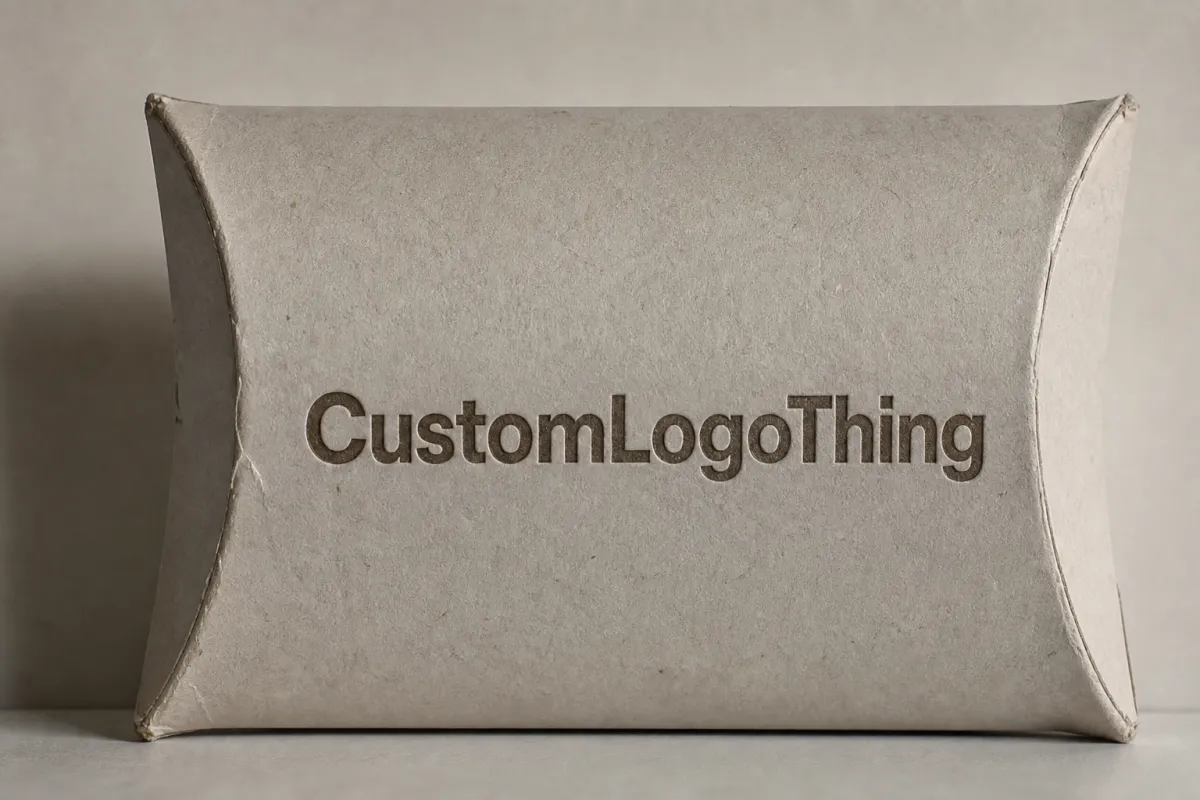
A sleeve can make a plain carton look premium without touching the box structure itself. That is the commercial advantage. Instead of retooling the primary pack, teams add a visible layer that carries the logo, a seasonal message, or a limited-edition design. For many brands, that is a lower-risk route to stronger shelf presence and a better first impression.
The effect is not just visual. Textured finishes and raised artwork create contrast that a flat printed carton rarely matches at the same budget level. The eye sees the print. The hand confirms the upgrade. That dual signal matters in cosmetics, wellness, confectionery, premium food, and other categories where shoppers compare several products at once and move quickly.
There is also a cost-control angle. A sleeve can extend the life of an existing carton design, which helps teams keep the primary pack stable while updating the outer branding. That matters for seasonal programs, launch waves, and short-run promotions where a full box change would create excess inventory or slow procurement. In practice, sleeves also help protect the box surface from scuffs during handling, stacking, and shelf movement.
Typical use cases tend to cluster around a few commercial situations:
- New product launches that need a stronger shelf signal without a full structural pack rebuild
- Seasonal editions and holiday sets that need a fast visual change
- Subscription boxes that benefit from repeatable branding on a stable carton format
- Gift sets where tactile detail supports a higher price point
- Line extensions that need a premium cue while the base carton stays unchanged
One useful way to think about sleeves is as branding infrastructure. They are not only decoration. They are a controlled, repeatable, and measurable way to change perception while keeping the carton format familiar to the operations team. That is why many buyers keep sleeve specs in their sourcing playbook alongside their main carton specs.
A sleeve should feel intentional, not added as an afterthought. If the dimensions are right and the emboss is clean, the package looks designed. If either is off, the pack looks improvised.
If you are comparing options across product lines, our packaging wholesale programs can be structured around repeat sizes, pilot runs, and branded refreshes so the buying process does not restart with every SKU.
Product Details: What Embossed Carton Sleeves Actually Include
A carton sleeve is an outer layer that wraps around an existing box. It may be fully enclosed, open-ended, partially wrapped, or formed as a belly band depending on the product, the carton geometry, and the brand effect you want. In most cases, the sleeve is built to create a branded surface while leaving the primary carton intact underneath. That separation is useful. It keeps the structural box stable and gives the brand a flexible surface to work with.
The embossed portion is the raised image or text. That raised area can be used for a logo, a crest, a monogram, a pattern, or a focal product name. Embossing works well because it creates depth without depending only on ink coverage. In a clean layout, the relief becomes the message. In a crowded layout, it becomes the point of focus.
Common sleeve constructions include:
- Open-ended sleeves - the sleeve slides over the carton and leaves one or both ends open for insertion and removal
- Wrap sleeves - the panel wraps around the box and meets at a seam, often with a tighter visual finish
- Belly bands - narrower bands that cross the middle or a key face of the carton
- Partial coverage sleeves - selective panels that cover only the front, top, or visible retail side
Each format has a different cost and production profile. A full wrap uses more material but creates more room for branding and regulatory text. A belly band uses less board and can be faster to assemble, but it offers less surface area. A partial sleeve can be efficient for promotional runs, though it requires accurate placement so the printed face lands where the customer expects it.
Design flexibility is one reason sleeves show up so often in premium packaging. Buyers can combine full-coverage print with selective embossing, debossing, foil accents, matte or gloss varnish, and spot UV. That lets the brand decide which detail gets the tactile treatment and which area stays visually quiet. The result is layered texture rather than plain decoration pretending to be premium.
Compatibility matters more than many first-time buyers expect. The sleeve must match the carton width, depth, and closure style, or it will sit loose, twist during insertion, or interfere with the box flap. If a carton has a tuck-end closure, hidden tab, or unusual fold pattern, the sleeve design needs to account for that before production starts. A good fit is not cosmetic. It is what keeps the pack aligned during shipping and display.
For teams managing multiple SKUs, the key question is not whether a sleeve looks attractive on screen. It is whether the sleeve can be built to the same visible standard across a series of carton sizes without causing assembly trouble downstream. That is where dieline discipline and sample checks matter more than marketing language.
Specifications: Materials, Finish Options, and Artwork Rules
Material choice is where sleeve performance is usually won or lost. A premium design can fail if the board crushes, curls, or prints inconsistently. A lower-cost design can still look strong if the board is selected carefully and the finishing is kept disciplined. The right substrate depends on the brand position, the product weight, and how the sleeve will be handled in transit and on shelf.
Most buyers compare these stock types:
- Coated paperboard - good print fidelity, solid surface smoothness, and predictable emboss response
- Kraft board - more natural appearance, strong for eco-positioned brands, but color reproduction is usually less polished than on coated stocks
- SBS - clean, bright surface that supports sharp graphics and crisp embossing
- CCNB - a practical option when budget matters and the print design is not too demanding
- Textured premium stocks - useful for luxury positioning, though they can reduce print sharpness if the artwork is too detailed
The spec sheet should not stop at paper type. Board thickness, emboss depth, finish type, and color target all affect the result. In many sleeve programs, board thickness falls somewhere around 14pt to 24pt depending on size, with heavier formats used for larger cartons and more demanding retail handling. Emboss depth is usually modest, because too much relief can distort nearby print or weaken the board around the raised area.
Artwork rules deserve more attention than they usually get. A clean emboss needs a vector-based logo, an accurate dieline, clear safe zones, and a defined bleed. Fine serif type, delicate lines, and very small reversed text are risky because the relief can close up during pressing. As a practical rule, keep critical text larger than you would for standard offset print, and avoid stacking too many effects in the same small area.
Useful prepress checkpoints include:
- Vector logo files in AI, EPS, or PDF format
- Accurate carton measurements with fold and closure notes
- Dieline confirmation before layout work begins
- Safe zone and bleed review for all visible faces
- Emboss placement approval before tooling is cut
- Color matching discussion using the relevant Pantone or CMYK target
Finishing choices can change both the look and the budget. Matte lamination tends to reduce glare and supports a softer premium look. Gloss can make color feel more vivid. Spot UV creates contrast by highlighting selected details. Foil can add a high-value cue, but it also increases setup complexity and should be used only where it supports the brand story rather than crowding the layout. If the goal is restraint, a blind emboss on a good board can outperform a more elaborate finish package.
For packaging teams with shipping concerns, it is smart to align the sleeve spec with transport testing. The International Safe Transit Association publishes methods used to evaluate package performance under handling and distribution stress; see ISTA for test method references. If the sleeve is part of a premium carton that also needs responsible sourcing documentation, board options may be available with FSC-certified fiber. That is worth checking at the spec stage, not after the quote is issued; see FSC for certification context.
One overlooked detail is print-to-relief registration. A design can be correct on paper and still look off if the emboss sits too close to a color block or foil panel. Keep the layout disciplined. Leave breathing room around the raised element, especially if the sleeve will be viewed under retail lighting where shadows can exaggerate small alignment issues.
Embossed Logo Carton Sleeves Wholesale Pricing & MOQ
Pricing for embossed logo Carton Sleeves Wholesale programs is shaped by a small number of variables, but those variables hit hard. The main cost drivers are board grade, sleeve size, emboss complexity, number of print colors, finishing steps, tooling, and total quantity. The more intricate the relief and the more layers the design includes, the more setup and press time you will usually need.
MOQ works differently from pricing. A supplier can sometimes quote a low pilot run, but the first units are usually the most expensive because the die, plate, and press setup costs must be spread across fewer pieces. Once a design is proven, unit cost often improves noticeably as quantities rise. That is why buyers who focus only on unit price can miss the real picture. The better measure is landed cost against approved spec.
For reference, the table below shows typical behavior in the market. These are indicative ranges, not fixed quotes, and they can move with board choice, artwork coverage, and shipping destination.
| Sleeve Type | Best Use | Typical Material / Finish | Indicative MOQ | Typical Unit Price | Buying Notes |
|---|---|---|---|---|---|
| Open-ended embossed sleeve | Retail cartons, starter kits, repeat SKUs | 16pt-18pt SBS, single-color print, one emboss | 3,000-5,000 units | $0.14-$0.32 | Efficient for simple branding and low material usage |
| Wrap sleeve with foil accent | Gift sets and premium launches | 18pt-24pt artboard, emboss plus foil, matte lamination | 5,000-10,000 units | $0.28-$0.62 | Higher setup cost, stronger shelf signal |
| Kraft belly band | Eco-led positioning, limited editions | 14pt-18pt kraft board, blind emboss or minimal print | 2,000-5,000 units | $0.12-$0.29 | Lower ink coverage, natural look, less gloss control |
| Premium textured sleeve | Luxury skincare, fragrance, collectibles | 16pt-20pt textured stock, emboss with spot UV or foil | 5,000+ units | $0.24-$0.58 | Strong tactile feel, but text and fine art need careful review |
A quote should reflect the real production path, not a generic square-foot estimate. Ask for an itemized breakdown that separates board, print, emboss tooling, finishing, packing, freight, and any special handling. That makes supplier comparison far more accurate because one quote may look cheaper until it is padded with rush fees, die charges, or higher shipping cost.
Here is what should be on every pricing request:
- Exact carton dimensions, including any flap or tuck clearance
- Artwork coverage details, including whether all four sides are printed
- Emboss location and size, plus whether the relief is blind, registered, or combined with foil
- Order quantity for the first run and expected reorder volume
- Delivery destination, since freight can change the landed number materially
A buyer comparing three quotes should look past the headline unit cost and ask where the differences come from. Is one supplier using lighter board? Is another charging a separate die fee? Is the third including proofing and a sample run? Those details explain most pricing gaps. A slightly higher unit price can still win if it reduces rework, fit issues, or delay risk.
There is also a commercial reason to request tiered pricing. A first order might be 5,000 units, but the more useful number for forecasting is the price at 10,000 or 25,000 if the SKU performs well. That lets finance and procurement model the follow-on run instead of treating every purchase as a one-off event.
Production Process and Timeline
Most sleeve projects move through the same sequence: brief, dieline review, artwork setup, proofing, tooling, printing, embossing, finishing, cutting, packing, and dispatch. The order may vary slightly by supplier, but the gates are usually the same. If one of those gates is missed or rushed, the project tends to show it later as a fit issue, a color mismatch, or a relief detail that does not hold cleanly.
Delays usually start with incomplete input. A supplier cannot quote accurately if the carton size is approximate or if the logo file is a low-resolution image pulled from a website. They also cannot finalize the emboss position if the brand has not approved where the visual center should land. Many slowdowns are avoidable with better front-end information.
The other common delay is proof revision. A digital proof can confirm layout and copy, but it cannot show the tactile effect. That is why many buyers request either a hard proof or a sample run for the first order. The proof step matters because embossing reacts differently depending on board density, finish, and how much detail is packed into the panel.
Lead time is best understood by project type rather than by a single universal promise. Repeat orders are faster because the tooling already exists and the carton spec is known. First-time custom sleeves often take longer because the supplier has to build the dieline, approve the artwork, and create emboss tooling. If the design is simple and the volume is modest, the timetable is shorter; if the run is large, there is more press time, more inspection, and more packing coordination.
Typical milestones look like this:
- Day 1-3: brief submission, measurement review, and initial quote
- Day 3-6: dieline setup and artwork placement
- Day 6-10: digital proof or sample approval
- Day 10-15: tooling and press preparation
- Day 15-25: production, embossing, finishing, and packing
- Final stage: freight booking and dispatch
Those ranges are not fixed, and they can stretch if the artwork is revised after approval, if the finish requires extra curing time, or if the order includes multiple SKU versions. Still, they give buyers a more realistic planning window than a vague "fast turnaround" promise. The more custom the sleeve, the more the approval stage controls the calendar.
A simple way to reduce risk is to lock milestones in writing. Ask for proof approval deadlines, production start date, packing completion date, and shipping handoff date. That matters because launch calendars are rarely flexible. Marketing, sales, and distribution teams all need the same date logic, and packaging delays can ripple through the rest of the plan.
For products that travel through parcel networks or mixed freight, it can also help to confirm the sleeve spec against the carton’s transit profile. A sleeve that looks perfect in a studio can still scuff if the underlying box shifts under vibration or compression. If the order is likely to experience retail returns, e-commerce handling, or long distribution lanes, that should be discussed before the first sample is approved.
Why Choose Us for Wholesale Sleeve Programs
Buyers do not keep a supplier because of a dramatic pitch. They keep them because the work is repeatable. Consistent embossing, stable color, accurate sizing, and predictable reorders matter far more than flashy claims. A sleeve program only works if the next batch matches the first one closely enough that the brand team does not have to reopen the spec every time.
That is where practical packaging support matters. A good partner reviews the carton dimensions, checks the fold behavior, and questions design choices that may look fine on screen but fail in production. For example, if the emboss is too close to a seam, or if the sleeve needs to slide over a box with tight clearance, the supplier should flag it before tooling is cut. That kind of review saves money because it reduces reprint risk and avoids hold-ups at receiving.
Operationally, wholesale sleeve programs work best when the supplier can handle both pilot and repeat volumes. A first run may be small while the client validates sell-through. If the SKU performs, the order may expand quickly. A supplier that can keep the same embossed spec across multiple runs helps the buyer avoid inconsistency, and that is especially valuable for brands with several carton sizes that need a shared visual language.
There is also a cost argument. A supplier with packaging discipline can often do more with fewer corrections. That means fewer rounds of proofing, fewer fit adjustments, and lower risk that a finished sleeve arrives too loose or too tight. On a wholesale program, those savings can matter as much as the quoted unit price.
For buyers who want to compare scope and support, our Wholesale Programs are designed to handle recurring orders, sample evaluation, and repeat specifications without starting over each time. That is useful when you need one supplier to support more than one carton size or product line.
What should a buyer expect from a practical packaging partner?
- Clear feedback on board choice and emboss feasibility
- Accurate dieline setup from real carton measurements
- Sample support before bulk release
- Consistent reorders tied to approved artwork and spec notes
- Reasonable lead times that reflect tooling and finishing reality
Those outcomes are not glamorous, but they are what keep a wholesale sleeve program from turning into a production headache. If the supplier understands carton tolerances, shipping conditions, and shelf display requirements, the buying process becomes simpler rather than more complicated. That matters on a launch calendar where one missed delivery can affect merchandising, retail placement, and revenue timing.
How to Order: Samples, Approvals, and Next Steps
The cleanest ordering process begins with the carton, not the artwork. Share exact dimensions, closure style, and any inserts or irregular folds first. Then send the logo files, target quantity, preferred finish, and whether the sleeve must be suitable for retail hanging, tamper evidence, or shipping durability. That gives the supplier enough information to quote the structure accurately instead of guessing at the fit.
The key decision points are straightforward. Confirm the board choice. Decide where the emboss should sit. Choose the color system. Then determine whether the sleeve needs extra finishing such as foil, spot UV, or lamination. If the goal is a restrained premium look, a single-color print with blind emboss may be enough. If the goal is a launch statement, additional finish layers may be worth the added cost.
A practical approval sequence looks like this:
- Submit carton dimensions and artwork files
- Review the first quote and dieline recommendation
- Approve the digital proof or request a sample
- Check physical fit, texture, and readability
- Sign off on the final spec sheet
- Release the wholesale order for production
Do not skip the sample if the sleeve is tied to a premium launch or if the carton has tight tolerances. A sample adds time, but it also confirms whether the emboss reads clearly, whether the sleeve slides cleanly, and whether the finish feels aligned with the brand position. That is a better tradeoff than discovering a fit issue after the bulk run is complete.
Once the design is approved, keep the approved artwork, measurements, and finish notes on file. Reorders move faster when the supplier can pull a previous spec rather than rebuilding it from scratch. That also improves consistency across batches, which is especially useful if different teams place orders over time.
One more buying rule: compare the sample against your current carton, not against a render. A digital image can make a sleeve look richer or tighter than it really is. The actual board, relief, and closure fit tell the truth. If the sample passes that test, the production run is much less likely to surprise you.
For brands managing launch risk, that is the deciding factor. The best next move is to evaluate one or two samples against the carton you already use, compare the tactile effect and fit, and place embossed logo carton sleeves wholesale orders only after the measurements, artwork, and finish are confirmed in hand.
What is the minimum order for embossed logo carton sleeves wholesale?
MOQ depends on sleeve size, board choice, and whether new emboss tooling is required. Smaller sleeves and simpler constructions may quote lower pilot quantities, but the per-unit price usually improves once the order moves into true wholesale volume. Ask for tiered pricing so you can compare a test run with a larger production order.
How much do embossed logo carton sleeves wholesale typically cost?
Cost is driven by material grade, sleeve dimensions, emboss complexity, print coverage, and finishing details. Higher quantities usually lower the unit cost, while custom tooling can add to the initial setup price. The most accurate quote comes from artwork, exact dimensions, quantity, and delivery location.
What files do I need to order embossed logo carton sleeves wholesale?
Provide vector artwork for the logo, plus a dieline or exact carton measurements. Include bleed, safe zones, and any emboss notes so prepress can check feasibility. If you do not have a dieline, the supplier should build one from your carton specs before production moves forward.
How long is the turnaround for embossed logo carton sleeves wholesale orders?
Turnaround depends on proof approval, tooling needs, order volume, and finishing steps. Repeat orders usually move faster than first-time custom projects because the tooling and specs are already approved. Plan for extra time if you need samples, revised artwork, or a new emboss die.
Can embossed logo carton sleeves wholesale match my existing carton exactly?
Yes, but the sleeve must be built to the exact outer dimensions of the carton. The supplier should check board thickness, wrap tolerance, and closure clearance before production. Request a sample or test fit if your carton has unusual folds, inserts, or tight shipping tolerances.
For a clean first run, send exact carton measurements, a vector logo, and the finish level you can actually support on budget. Then compare the sample against the carton in hand, not the mockup on screen. That is the quickest way to decide whether the embossed sleeve is ready for wholesale production or needs another round of refinement.


