Event Merch Bucket Hats Material Guide for Smart Buyers
The Event Merch Bucket Hats material guide matters because bucket hats are judged in motion. People wear them for hours, fold them into bags, photograph them from odd angles, and notice quickly whether the fabric feels comfortable, looks intentional, and holds its shape. A logo can only do so much if the hat feels hot, flimsy, or overly shiny.
Event Merch Bucket Hats Material Guide Basics
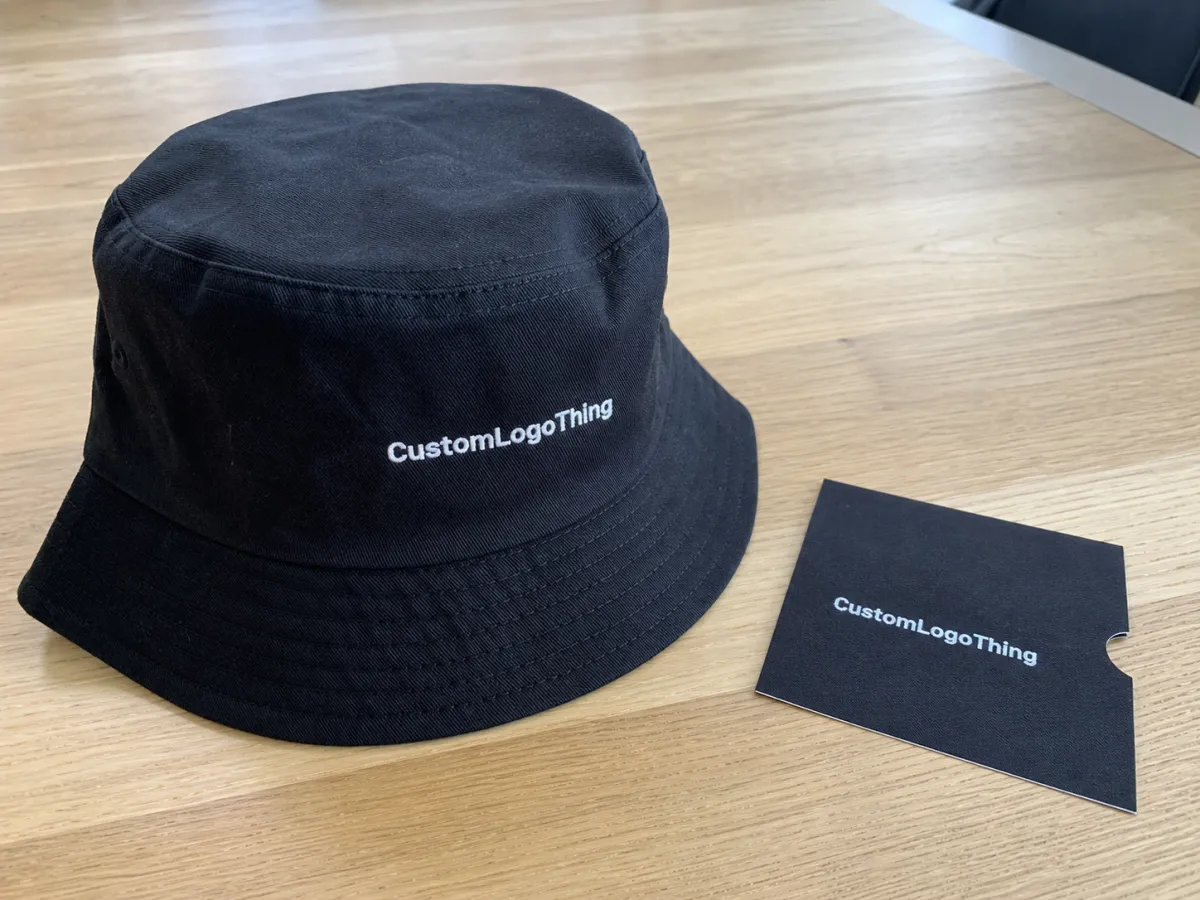
Bucket hats sit at the intersection of apparel, packaging, and display goods, so material choice affects comfort, perceived value, and whether the hat gets worn again after the event. A dense fabric can make a simple design look deliberate. A weak one can make even good artwork feel disposable.
Start with use case, not color. A festival crowd, a conference floor, a sports activation, and a retail-style launch all ask different things from the same hat. Heat, sweat, transit, and repeated handling expose weak construction fast, which is why the fabric has to support the promise the artwork is making.
A bucket hat works when it keeps its shape, breathes well enough for real wear, and still looks intentional after a long day outside.
Before approving a sample, ask three practical questions: how does the fabric feel on skin, how well does it hold the brim and crown, and how forgiving is it for the chosen decoration method? Those answers usually determine whether the piece reads premium or cheap.
For event merch, the best material is rarely the fanciest one on paper. It is the one that fits climate, audience, packout method, and budget without creating production problems. That is what turns the event merch bucket hats material guide into a buying tool instead of a style opinion.
How Fabrics Perform in Real Event Conditions
Cotton twill is the safest baseline for many programs. At roughly 220-300gsm, it gives enough body for the brim to sit flat and enough structure for the crown to avoid collapsing after a few wears. It is breathable, familiar to buyers, and photographs well because the surface is matte rather than glossy.
Washed cotton feels softer from the start and reads more relaxed, which works for lifestyle brands, music events, and casual activations. The tradeoff is consistency. The texture can soften small embroidery, so thin text and delicate lines need a closer look.
Polyester is the performance option. It is lighter, dries faster, and handles sweaty outdoor environments better than most natural fabrics. That makes it useful for summer activations, sports promotions, and crowded environments where hats are worn, removed, and stuffed away repeatedly. The caution is visual: low-grade polyester can look slick or stiff in bright light or flash photography.
Poly-cotton blends usually sit in the middle for a reason. They balance comfort, shape retention, and price more predictably than many single-fiber options. For large event runs, that balance often matters more than a small improvement in handfeel.
| Material | Feel and Structure | Best For | Decoration Notes | Typical Unit Impact at 500 pcs |
|---|---|---|---|---|
| Cotton twill | Structured, familiar, holds shape well | Premium giveaways, retail-style drops | Strong for embroidery and woven labels | $1.20-$2.20 before decoration |
| Washed cotton | Soft, relaxed, less rigid | Festival merch, casual brand activations | Use larger logos; tiny text can soften | $1.35-$2.35 before decoration |
| Polyester | Light, quick-drying, can feel technical | Hot outdoor events, sports promotions | Works well with print and heat transfer | $0.95-$1.70 before decoration |
| Poly-cotton blend | Balanced comfort and shape | Large runs, mixed indoor-outdoor use | Usually the easiest middle ground for branding | $1.05-$1.95 before decoration |
Structure matters as much as fiber content. A firmer brim and moderately structured crown can make a lower-cost hat look polished because it sits correctly on the head and holds its silhouette in photos. A softer build feels more relaxed and packs easily, which is useful for travel-heavy events or attendee shipouts.
Small spec changes also alter comfort. Crown depth around 8.5-10 cm usually fits more heads cleanly than a shallow, fashion-only shape. A brim in the 5.5-6.5 cm range is common because it offers shade without tipping into costume territory. Stitch density, seam placement, and sweatband choice all matter too.
Cost, Pricing, MOQ, and Unit Cost Tradeoffs
Fabric drives price, but it never acts alone. Final cost moves with dye method, weight, stitching complexity, lining, trim, and decoration method. Two hats that look similar in a mockup can land in very different price bands once one includes contrast underbrim stitching, custom labels, or a denser embroidery file.
MOQ affects the math quickly. At around 500 pieces, a plain polyester bucket hat may land near $0.95-$1.70 before decoration, while cotton twill often sits closer to $1.20-$2.20. If the order drops to 100 or 200 units, the per-piece price can rise 20%-60% because cutting waste, setup, and decoration prep are spread across fewer hats.
Decoration should be chosen with the fabric, not against it. Embroidery gives a hat a finished feel, but it needs enough structure to avoid puckering. Woven labels look sharp on textured fabrics and help when logos are small or detailed. Patches can rescue visibility on rougher surfaces. Direct print can work, but only if the material can take the ink or transfer cleanly.
Packaging influences cost in quieter ways. Hats packed flat in corrugated cardboard cartons with kraft paper tissue usually arrive with fewer crush marks than loosely bagged stock. For direct-to-attendee mailings, some buyers ask for recycled materials, FSC certified inserts, or mailers with post-consumer waste content. If transit risk is high, the ISTA framework is a sensible reference for compression and drop considerations.
Biodegradable packaging can be a good fit, but it still needs to match shelf life and storage conditions. A mailer that degrades too quickly is a poor choice if stock will sit in a warehouse or move through several fulfillment points before event day. The hat spec and the packing spec need to support the same distribution path.
Process and Timeline From Sample to Shipment
The production path is straightforward on paper: brief, fabric selection, sample development, approval, bulk run, inspection, packout, shipment. Delays usually happen in the middle. The first friction point is fabric sourcing, especially if the color is custom or the finish is unusual. The second is decoration approval, because logo placement and size often look different on a physical hat than they do in a flat artwork file.
For standard materials, many suppliers can move from sample approval to bulk production in about 12-15 business days, then add time for inspection and transit. More complex builds take longer. Custom-dyed fabric, heavy washing, layered patches, or mixed trim details can stretch the schedule because each extra step needs a separate check.
Lead time also depends on the quality bar. If the team wants a close PMS match instead of a near match, color approval can take longer. If the crown needs to sit symmetrically on the head, the sample may need one more revision. If the hat must arrive flat-packed and uncrushed, the carton spec becomes part of the timeline.
Shipping is worth planning separately because bucket hats are easier to deform than they look. Wide brims and soft crowns can flatten under pressure. Ask how the hats will be nested, whether they will be packed flat, and how cartons are reinforced for transit. A few extra millimeters of protection can preserve the shape of the entire order.
The most useful timeline question is not how fast the hats can be made. It is which material, decoration method, and packout approach can still meet the event date without cutting corners. That question usually exposes the real tradeoff in one conversation.
Step-by-Step Fabric Selection for Your Event
Start with the environment. An outdoor festival in summer needs more breathability than a conference hall. A sports activation needs faster drying and better sweat tolerance. A premium client gift can support a denser cotton twill and more refined finishing because the goal is longer product life, not just a single photo opportunity.
Then define how long the hat will be worn. A brief handout item can tolerate simpler fabric. A hat expected to stay on for six hours or more needs a smoother inner feel, better ventilation, and less heat retention.
- Define the environment. Sun, humidity, indoor wear, and mixed-use events all point to different fabric choices.
- Match wear time to comfort. Longer wear means breathability and skin feel matter more than novelty finishes.
- Choose the structure. A firmer brim improves shape; a softer brim improves packability.
- Lock the logo method. Embroidery, woven labels, patches, and print each behave differently on textured surfaces.
- Write the spec sheet. Include material, crown depth, brim width, stitch style, logo size, color targets, and packing method.
A detailed spec sheet saves time because it removes guesswork. “Black bucket hat with logo” leaves too much room for interpretation. A useful brief names the fabric, fit, stitch line, placement, and packaging. For example: cotton twill or poly-cotton blend, structured crown, 6 cm brim, contrast topstitching, 55 mm embroidered front logo, and flat-packed cartons. Once those details are fixed, sample revisions usually become much smaller and the bulk quote becomes more reliable.
If the order needs several audience versions, compare them side by side. One version can use a lighter fabric for mass giveaway use, while another can step up to heavier twill for VIP kits or retail bundles. That split often works better than forcing one spec to do every job. The guide works best as a filter, not a rulebook: it helps match the hat to the actual purpose.
Common Material Mistakes That Make Merch Look Cheap
The quickest way to cheapen a bucket hat is to pick a material that fights the design. Fabrics that trap heat wear poorly within minutes. Materials that wrinkle badly look exhausted before the event starts. Anything that shrinks after a light wash creates a trust problem, because merch is supposed to feel easy to keep using.
Texture can create trouble for decoration. Washed, brushed, or uneven fabrics can distort embroidery and make small text unreadable. If the logo depends on sharp edges or thin lines, the base material needs a smooth enough surface to support that detail. In some cases, a woven label or patch will outperform a print or dense embroidery simply because it survives the surface better.
Color quality is another place where buyers get surprised. Light shades show sweat marks sooner, and weak dye can make a hat look tired long before the event ends. Even a well-made silhouette can read low quality if the color fades under stage lighting or direct sun. Darker, more stable shades often look more premium in live settings for exactly that reason.
A hat that no one wants to wear is expensive, even if the unit price looked great on paper.
Fit is the final trap. A bucket hat that sits too shallow, pinches at the temples, or collapses at the brim gets abandoned quickly. Buyers usually notice this too late because the mockup looked fine. Physical samples matter here. One sample worn by a few different head shapes can reveal more than a dozen digital revisions.
Packaging mistakes can also undermine the finish. A well-made hat can arrive creased if it is packed too tightly or shipped in undersized cartons. A thin polybag may be fine for short transit, but it will not protect a softer brim under stacked freight. Material quality and packout quality have to match.
Expert Tips and Next Steps for a Production-Ready Order
Ask for swatches and review them in daylight, indoor light, and flash. Texture shifts with lighting, and bucket hats are highly visible in photos. A fabric that looks rich on a desk can flatten under event lights. Testing in more than one setting catches avoidable disappointment early.
Quote at least two fabric options side by side. The difference often looks small on paper and obvious in hand. A modest rise in fabric cost can buy better drape, cleaner embroidery, and fewer complaints later. On the other hand, if the audience is broad and the hats are being handed out by the thousand, a simpler material can be the smarter spend.
Approve a physical sample before bulk production. Fit, crown depth, brim shape, and logo placement are much easier to correct once than after hundreds of units are already sewn. If the order also needs cartons, tissue, inserts, or display-ready folding, lock the packing method at the same time.
Quality control should cover the details that create the real customer experience: seam symmetry, stitch tension, logo placement tolerance, color consistency across the batch, and carton compression resistance. A sample can look perfect while bulk units drift slightly if the inspection checklist is vague. Good buyers ask what gets checked, how many units are sampled, and what happens if the first dozen hats show variation.
For a practical purchase decision, the event merch bucket hats material guide should end with three checks: does the fabric fit the event environment, does the decoration suit the surface, and does the packaging protect the final shape? If those answers are yes, the order is ready to quote with far less risk of surprises later.
What is the best material for event merch bucket hats?
Cotton twill is a strong default when comfort and a clean, premium look matter most. Polyester works better when durability, quick drying, and weather resistance are higher priorities. A poly-cotton blend can balance softness, structure, and budget for large event runs, which is why it shows up often in practical merch orders.
Are polyester event merch bucket hats better for outdoor activations?
Usually yes, especially when the event is hot, active, or likely to involve sweat and fast turnaround. The finish still matters. Low-grade polyester can look shiny or feel stiff in photos. If the hat will be worn all day, test breathability and comfort before approving the bulk order.
How does fabric choice affect printing on bucket hats?
Softer or heavily washed fabrics can distort logos, so the decoration method should match the texture. Embroidery usually needs enough structure to avoid puckering. Patches and woven labels can solve visibility problems when the base fabric is too textured for clean print detail.
What should I budget for custom event merch bucket hats by material?
Expect unit cost to move with fabric weight, trim detail, decoration method, and order quantity. Higher MOQ can lower price per piece, but a premium fabric or custom finish can still raise the quote. Ask suppliers to show two or three material scenarios so you can compare real cost, not just headline pricing.
How do I choose a premium-looking material for event merch bucket hats?
Choose a fabric with enough weight and structure to hold shape without feeling bulky. Use muted or deep colors, clean stitching, and a decoration method that suits the surface texture. Approve samples in real light so the hat looks sharp in photos, not just on a spec sheet.


