The event merch Frosted Zipper Bags packaging insert checklist is really a control document. It keeps the bag spec, insert copy, quantity, decoration, and pack-out plan aligned before anyone approves a quote or sends files to production. If one detail drifts, the kit can still print, but it may not fit, close, or communicate the way the buyer intended.
That matters because these kits are judged fast. At registration, in an HR drop, or in a press package, the attendee decides in seconds whether the presentation feels deliberate. A Frosted Zipper Bag helps the contents look cleaner than a loose handout, but the insert is what explains the kit and gives it structure.
For buyers, the real question is not whether the bag looks good on screen. It is whether the specs support the event use case, the budget, the MOQ, and the ship date. The sections below focus on the details that affect those decisions.
What the event merch frosted zipper bags packaging insert checklist covers
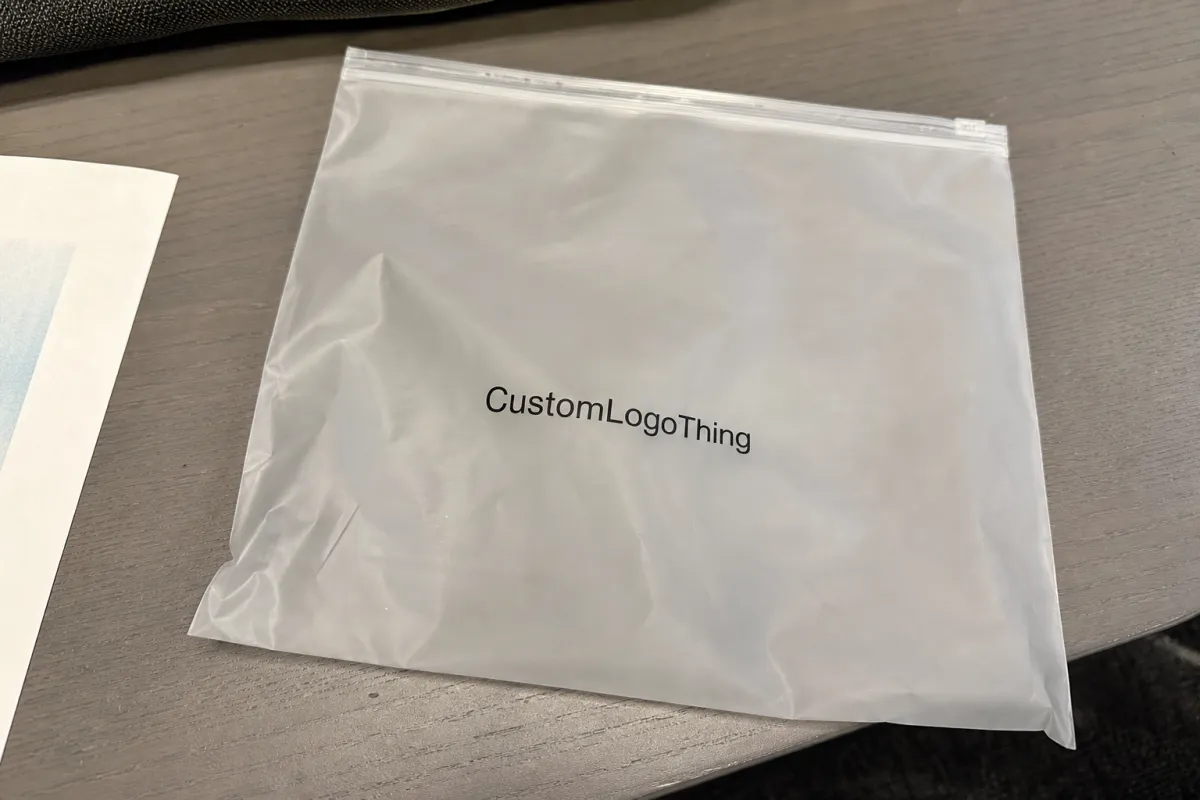
A useful checklist starts with the basics: final bag dimensions, zipper style, film thickness, insert format, artwork version, quantity tiers, and pack-out notes. Those items drive the quote and determine whether the finished kit will hold the intended contents without bulging or misaligning.
The insert usually carries the functional message. It may show a QR code, agenda, room map, onboarding note, sponsor callout, or quick-start instructions. If the copy changes after proofing, the project should be rechecked as a whole, not treated as a minor edit. The bag and insert have to work as one system.
Buyers also need to assign one approval owner. Copy changes, logo updates, and sponsor swaps create delays when multiple teams have equal say and no one is accountable for the final sign-off. A single approver keeps the schedule moving and reduces reprint risk.
If the job includes mailed kits, add transit expectations to the checklist. Ask whether the package needs stronger film, thicker insert stock, or packaging tested for shipping abuse. For some event programs, a simple handout kit is fine. For others, the shipment has to survive sorting, stacking, and a longer last-mile journey.
A good kit answers three questions quickly: what is this, what do I do with it, and where should I look next?
That is the real purpose of the checklist: not paperwork, but a shared spec that prevents the bag, insert, and fulfillment team from solving different problems.
How frosted zipper bags and inserts work together at events
The frosted bag is the visibility layer. It softens the look of the contents and makes the package feel curated instead of exposed. The zipper is the handling layer. It keeps the kit closed during transport and makes it easier for attendees to reopen after the first use.
The insert is the organization layer. It tells people what each item is, in what order to use it, and where to go next. That is especially important at events, where the kit is usually opened under time pressure rather than in a calm setting. A clear insert reduces questions at the desk and helps the contents feel purposeful.
When the bag size, insert layout, and contents are balanced, the whole kit can feel more premium than the component costs suggest. When they are not, even a nicely printed pouch can look crowded or improvised. The effect comes from proportion, hierarchy, and restraint, not from adding more copy or more items.
Buyers sometimes focus on the visible bag and treat the insert as secondary. In practice, the insert often carries the message load while the bag carries the handling load. If either piece is overworked, the presentation starts to look assembled at the last minute.
Sizing, materials, and artwork factors that change the spec
Most quoting problems start with measurements. Suppliers need more than the outer bag size: they need usable width and height, any gusset depth, zipper placement, the folded size of the insert, and the actual item list going inside. A bag that works for a card may fail once a notebook, cable, or sample pack is added.
Material choice affects both the look and the function. Film thickness changes stiffness, seal strength, and how much of the contents show through the frosted surface. On the insert, paper stock changes the feel, the print result, and whether the piece holds its shape inside the bag. A text sheet and a cover stock card are not interchangeable.
Decoration setup needs to be confirmed separately for the bag and the insert. The bag may allow only limited print coverage or a single color, while the insert may need full-color bleed, fine text, and tighter safe areas. File format, bleed, and color profile should be locked before design approval to avoid preventable revisions.
Item load is another hidden variable. A kit with a T-shirt and postcard is very different from one with a notebook, folded schedule, and accessory sample. The number of pieces changes thickness, closure behavior, and how the insert sits. Mock the kit on paper before final approval so the bag size matches the actual build.
- Bag size: confirm usable dimensions, not only outside dimensions.
- Insert format: single sheet, folded sheet, card, or multi-page piece.
- Material thickness: decide whether stiffness or flexibility matters more.
- Artwork setup: verify bleed, safe area, color space, and file type.
- Pack-out load: list every item that must fit inside the zipper bag.
Quality inspection should include a few physical checks: measure the bag flat and filled, confirm the zipper closes without bowing, and make sure the insert stays readable once the contents are packed. If the artwork relies on light colors or white ink, ask for a proof that reflects the frosted film. On translucent material, contrast can change more than expected.
Production timeline: proofs, samples, and handoff checkpoints
A typical timeline runs through spec confirmation, artwork intake, proofing, sample review if needed, production, quality check, and shipping. The schedule is straightforward until approvals split across teams. When the bag is approved on one day and the insert is still changing on another, the project slows and the risk of mismatch rises.
Lead time depends on more than print time. Manual assembly, multiple insert versions, special folds, and split shipping all add calendar days. A simple printed pouch may move quickly, but a kitted set with collated pieces needs more time for review and fulfillment.
Freight should be planned as part of the production calendar, not added at the end. If the order has to arrive before event setup, leave room for transit, receiving, and internal distribution. A thin buffer is risky because a shipment delay can erase the whole schedule.
Sample review is most valuable when the bag and insert are seen together. A standalone proof can miss a height issue, a crowded logo, or a weak visual balance once the contents are inside. That is the stage where small changes are still inexpensive.
A practical checkpoint list usually includes final dimensions before quoting, artwork approval with the correct print areas and bleed, combined proof review, carton count and labeling verification, and freight confirmation before release. Those steps sound basic, but they prevent the most common late-stage errors.
Cost and pricing drivers for frosted zipper bag kits
The biggest cost drivers are bag size, film thickness, print coverage, insert page count, fold complexity, and whether assembly is manual or automated. Two quotes can look similar while hiding different assumptions, so buyers should compare line by line rather than judging by the unit price alone.
MOQ and tiered pricing matter. Small runs usually carry a higher per-unit cost because setup is spread across fewer pieces. As quantity rises, the unit price generally falls. That does not mean the cheapest run is always the best value; it only means buyers should check where the price breaks are and whether the order is near one.
Add-ons move the total quickly. Custom folding, multiple insert versions, manual insertion of samples or cards, rush production, split shipping, and special carton labeling all add labor or handling. A quote that includes those items may look higher at first, but it is often more accurate.
Decoration detail matters too. A simple one-color imprint on frosted film is one thing; a small white logo, tight registration, or fine-line artwork on translucent material is another. More difficult decoration usually means more proofing and more quality control, and that should be reflected in the pricing.
| Kit type | Typical build | Typical unit range | Best for |
|---|---|---|---|
| Basic event pouch | 6 mil frosted zipper bag, no bag print, single insert card | $0.42-$0.65 at 5,000 units | Lean welcome kits, simple conference handouts |
| Printed branded kit | Frosted zipper bag with one-color print, two-sided insert | $0.78-$1.15 at 5,000 units | Mid-tier event merch, onboarding materials, sponsor kits |
| Premium kitted set | Larger bag, full-color print, folded insert, manual assembly | $1.55-$2.40 at 5,000 units | VIP drops, press kits, high-visibility launches |
Those ranges shift with quantity, freight, and labor assumptions, but they are a better starting point than a vague estimate. If one quote lands far outside the range, ask what is different before approving it. The answer is usually a specification change, not a mystery.
Cost comparisons are also easier when the same inputs are used across vendors: same dimensions, same print method, same insert format, same quantity, and same delivery location. If kitting, labeling, or freight is excluded from one quote, the lower price is not actually comparable.
Common mistakes that create reprints or late deliveries
The biggest mistake is treating the bag and insert as separate jobs. Once those approvals split, sizing conflicts and layout mismatches become much more likely. The bag may be built for one item load while the insert is still being revised for another, which is how reprints start.
Color is another common risk. What looks clean on a monitor can shift on frosted film or coated stock. White ink, light brand colors, and fine lines are especially sensitive. If exact matching matters, ask for a production proof or sample before committing to the full run.
Overstuffing creates both presentation and production problems. Too many items can bulge the zipper bag, flatten the insert, and make the kit look cramped. The fix is usually to reduce the contents or increase the bag size, not to assume the zipper will manage the excess.
Small data mistakes also create expensive delays. A wrong ship-to label, a missing suite number, or a QR code that points to the wrong destination can make the whole package less useful even if the print itself is correct. These are simple errors, but they often have the biggest operational impact.
Schedule compression is the last major failure point. Late content changes, skipped approvals, and unclear receiving instructions can turn a manageable order into a rush job with little room for correction. If the event date is fixed, freeze the brief earlier than feels comfortable.
One practical safeguard is to review the bag, insert, and final pack-out sequence together before production starts. That combined view exposes issues a single-piece proof will miss and makes it easier to spot whether the insert belongs on top of the contents, behind them, or under them.
A final common problem is approving a kit that looks good but is inefficient to assemble. If labor takes too long, unit cost rises and consistency drops. A package that cannot be packed at volume is not really production-ready.
Next steps: lock the brief, proof, and shipping plan
Start with a one-page brief that covers final dimensions, quantity tiers, merch list, insert copy, ship-to address, deadline, and the one person who can approve artwork. If the team cannot answer those items quickly, the order is not ready for release.
Then request a combined proof that shows the bag, insert, and pack-out order together. That single view catches sizing issues, copy gaps, and visual balance problems that separate proofs miss. It also gives non-design stakeholders a more accurate picture of what they are approving.
Before the purchase order goes out, confirm artwork approval, quantity, freight method, carton labels, and receiving window. If anything is still open, close it before production starts. The farther along the job gets, the more expensive uncertainty becomes.
For buyers comparing vendors, the main discipline is simple: do not approve the order until the brief, the quote, and the proof all describe the same kit. That is the point where the spec becomes real and the project becomes predictable.
What should an event merch frosted zipper bags checklist include?
It should list the exact bag dimensions, zipper style, film thickness, insert format, quantity tiers, and approval owner before pricing starts. Add artwork specs, ship-to location, deadline, and any pack-out notes so production does not have to guess. If the kit will be mailed, include transit expectations and any stronger material requirements.
Do frosted zipper bags make event merch look more premium?
Usually, yes. The frosted finish softens the view of the contents and creates a cleaner first impression, while the zipper adds utility and reclosability. The insert helps define the kit so it feels deliberate rather than like a loose giveaway.
What drives the cost of frosted zipper bags with inserts?
Bag size, film thickness, print coverage, order quantity, insert page count, and assembly method usually have the biggest impact. Costs also rise when the job includes multiple insert versions, custom folding, manual kitting, rush timing, split shipping, or special carton labeling.
How much lead time should I plan for a custom event merch bag order?
Plan extra time for proofing and approval if the bag and insert are being reviewed together for the first time. Straightforward runs move faster than kits with multiple components, special folds, or manual assembly. Always leave a buffer for freight and event receiving.
What files do I need before I request a quote?
Have dimensioned specs for both the bag and the insert, plus the final quantity and any tiered run sizes. Prepare vector artwork, copy, logo files, and color references so the vendor can quote accurately. Include the delivery date, ship-to address, and any special pack-out instructions.


