Why Running Caps Beat Generic Giveaways on Event Day
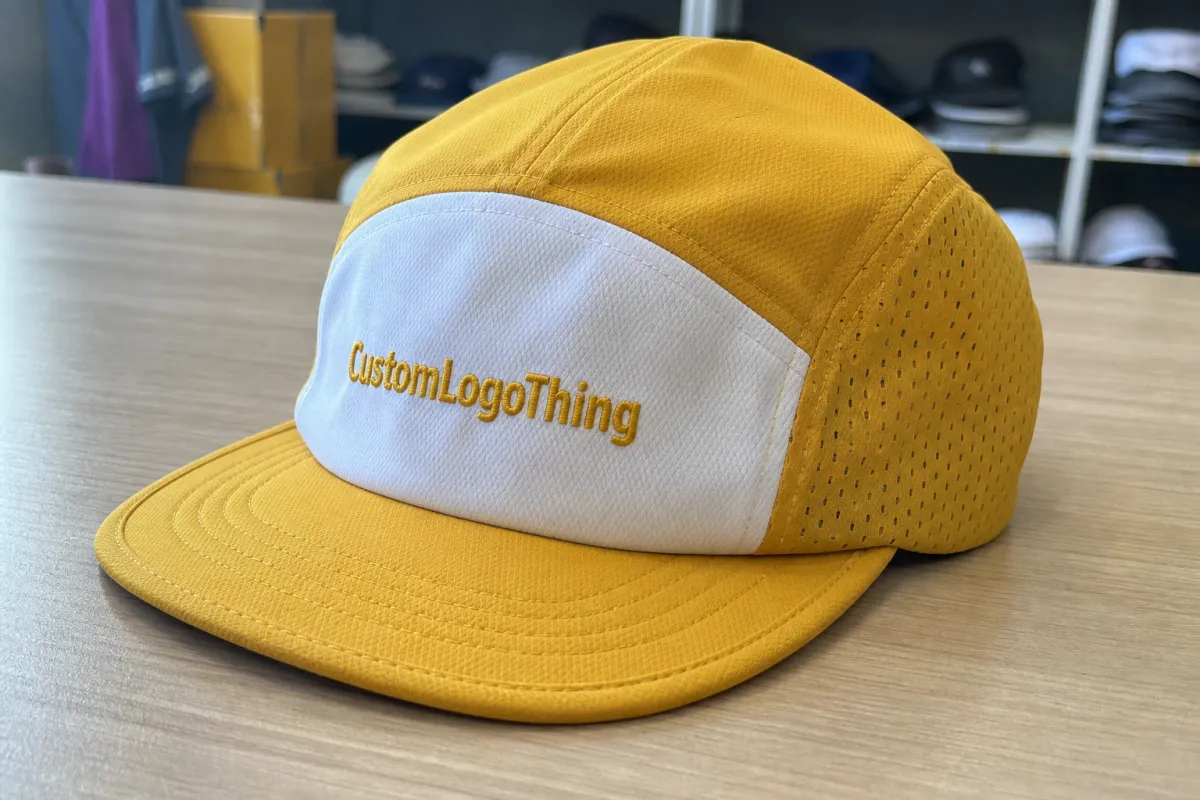
On race morning, a cap is doing three jobs at once. It controls sweat, carries a logo, and shows up in photos whether the organizer planned for that or not. That combination is why an Event merch running caps supplier is not the same as a general promo vendor with a headwear catalog. The difference lives in the details: crown shape, brim stiffness, panel breathability, and whether the cap survives an hour of movement without irritating the wearer.
Generic giveaways usually fail because they are built for handing out, not for wearing. A cotton twill cap can look fine on a sample sheet and still feel hot by kilometer three. By contrast, lightweight polyester, mesh inserts, laser-cut vents, and a soft sweatband create a cap that people forget they are wearing. That is the goal. If the cap disappears on the head, it stays in circulation.
The economics follow the comfort. A flyer gets one glance. A good running cap can appear in dozens of photos, then keep working on training runs, weekend errands, and post-event wear. For charity races, sponsor activations, team relays, and outdoor launches, that repeated use matters more than a low initial unit price. A cap that keeps moving extends the life of the brand impression long after the finish line banner comes down.
There is also a practical production truth that buyers learn quickly: the hardest part is rarely printing the logo. It is choosing a cap that fits climate, audience, and distribution plan without creating friction. A humid 10K, a corporate wellness walk, and a winter fun run all point to different fabric weights and construction. A good event merch running caps supplier will ask about those conditions before quoting decoration.
Practical takeaway: the cap should behave like event equipment, not leftover swag. If it wears well, it earns its place in the kit.
Production Process and Lead Time for Custom Running Caps
The production path is usually simple on paper and messy in practice. A standard order moves through brief, spec review, artwork proofing, sample or pre-production approval, bulk production, and packing. Delays usually start early, not late. A buyer who has not locked artwork, closure style, or fabric color will slow the whole order before the first stitch is sewn.
Good briefs save time because they reduce assumption. Better briefs save money because they reduce rework. If the logo is only available as a screenshot, if the team has not settled on structured versus unstructured, or if the color reference is vague, the supplier has to stop and ask for clarification. That can add days, sometimes more than buyers expect. An experienced event merch running caps supplier will guide the process, but they cannot guess their way around missing inputs.
Decoration method changes the schedule too. Embroidery usually requires digitizing, which adds a setup step, but it is dependable for larger runs and holds up well under repeated wear. Heat transfer can handle finer detail and often works better on lighter technical fabrics. Woven patches and printed badges sit between those two options, depending on logo complexity and placement. Fine text, gradients, and thin lines need extra caution; what looks crisp on screen can vanish once it is wrapped around a curved panel.
Lead time should always be defined from a specific milestone. Some quotes start the clock at artwork approval, others at sample approval, and others from purchase order date. Those are not interchangeable. A buyer comparing two suppliers can easily think one is faster when the delivery window is merely being counted from a different point.
“The fastest order is usually the one with clear specs, final artwork, and one person authorized to approve changes.”
For events with hard deadlines, build buffer into the calendar. If the caps are going into race bags, the real deadline is before packing day, not the event itself. Freight, consolidation, and customs can add friction even when production runs on time. That buffer matters more when the order includes multiple colorways, custom folding, or direct-to-venue delivery.
Testing and packaging standards also deserve attention. If the caps will travel across regions or be bundled with other goods, transport durability becomes part of the decision. The ISTA framework is useful for buyers who want to reduce shipping damage and carton failure. For packaging materials and inserts, FSC guidance can help align cartons and paper components with sustainability claims without overpromising.
Materials, Fit, and Decoration Choices That Hold Up in Motion
Material choice shapes the wear experience more than most buyers realize. Polyester is the common starting point because it is light, durable, and easier to decorate consistently. Mesh back panels improve airflow, which matters on warm course routes and outdoor brand activations. Cotton blends feel softer at first touch, but they tend to hold moisture longer and are less forgiving in heat. Moisture-wicking technical fabrics sit at the premium end and make the most sense for athletic events or sponsor kits that need a more serious performance look.
Fit matters just as much. A cap that slides during movement becomes a nuisance within minutes. Low-profile crowns, soft sweatbands, and adjustable closures help the cap stay put without feeling rigid. Structured caps keep their shape and photograph neatly. Unstructured caps pack flatter and feel more relaxed. Neither is automatically better. The decision should follow the event setting, not a trend board.
Decoration is where good plans often go sideways. A large front logo can distort across a curved panel. A side-panel mark may disappear in crowd shots. Fine embroidery can close up on tight text, especially if the stitching density is not matched to the fabric weight. Darker fabrics need stronger contrast than buyers usually expect. The mockup may look balanced; the sewn cap may tell a different story.
For active wear, simple branding often outperforms dense artwork. A clean mark with enough breathing room usually reads better at speed than a highly detailed composition. That is one reason many buyers end up with a smaller logo than they first imagined. It is not a compromise if the cap gets worn more often. Visible, wearable, and repeatable beats oversized and awkward.
The best event merch running caps supplier will push for that balance rather than automatically maximizing print area. A functional cap is a moving object, not a flat poster.
Buyer checklist for cap specs
- Climate: hot, humid, windy, or cool conditions change the right fabric and venting.
- Audience: runners, volunteers, sponsors, and staff may need different fit and finish.
- Decoration: embroidery, print, or heat transfer should match logo detail and fabric weight.
- Wear time: a one-hour walkathon has different comfort needs than a half marathon.
- Reuse: choose styles people will keep for training, errands, or casual wear after the event.
If the caps are meant for repeated use, ask about pilling resistance, color stability, and sweat staining. Some fabrics look excellent on day one and age poorly after a handful of wears. Others are plain in the sample room and hold up better through washing and travel. That gap matters because long-term visibility is usually worth more than one strong event photo.
Cost, MOQ, and Quote Factors That Change Unit Price
Pricing gets easier to read once the components are separated. Quantity, material grade, decoration complexity, number of logo locations, and packing format are the main variables. For a bulk order of 500 pieces, a simple performance cap might land around $1.80-$3.50 per unit before freight. Higher-end builds with structured panels, custom closures, or multiple decoration locations can move well above that range. Smaller runs usually price less efficiently because setup costs are spread across fewer units.
MOQ changes the picture quickly. A 100-piece trial run can be useful for a local event or a first-time sponsor program, but the per-unit cost will usually be noticeably higher than a 500- or 1,000-piece order. That is not a flaw in the quote. It is simply how setup work behaves. Embroidery digitizing, color matching, screen prep, sample creation, and fixture changes do not shrink just because the order is small.
There are also costs that buyers miss on the first read. Freight, carton labeling, pre-production samples, rush fees, revised artwork, special folding, and direct-to-venue delivery can all affect the total. Some suppliers fold those items into one number; others break them apart. That makes side-by-side comparison tricky unless the buyer asks for the same cost structure from every vendor.
| Quote Element | What It Covers | Typical Buyer Impact |
|---|---|---|
| Unit price | Cap body, decoration, standard packing | Useful, but not enough on its own |
| Setup fees | Digitizing, screens, plates, artwork prep | Hits small orders hardest |
| Sampling | Pre-production or physical sample | Helps confirm fit, finish, and color |
| Freight | Domestic shipping, air, ocean, customs | Can change the total by a wide margin |
| Packing format | Bulk packed, polybagged, boxed, labeled | Affects fulfillment speed and event readiness |
The better comparison is landed cost: product, decoration, packing, and delivery together. A slightly higher quote can still be the better buy if it avoids rework, reduces shipping risk, or lands early enough for kit assembly. That matters for registration packs, sponsor bundles, and premium event tiers where the cap is part of the perceived value.
There is also a hidden return on quality. If the cap is comfortable enough to become a training regular, the brand keeps appearing long after the event. Cheap headwear may save a few cents and lose months of visibility. That tradeoff is easy to miss when the decision is made only from a spreadsheet.
How to Order Event Running Caps Without Delays
The cleanest orders begin with a one-page brief. Keep it tight but specific: quantity, event date, audience, logo files, color references, cap style, and packing needs. If the cap will be used for race staff, runners, or sponsors, say so. Those groups often need different fit and branding decisions. A solid brief helps an event merch running caps supplier quote accurately and cuts out a lot of avoidable back-and-forth.
What belongs in the brief
- Quantity by size or color: if variation matters, say so up front.
- Artwork format: vector files are easier to work with than low-res images.
- Deadline: include the date the caps must be on site, not just shipped.
- Decoration choice: if you prefer embroidery or print, state it clearly.
- Packing and labeling: bulk cartons, individual bags, or event-day sorting.
The approval stage deserves close attention. Check logo placement, thread color, panel alignment, crown curve, and closure type. A mockup can hide issues that appear once the cap is on a head. Small text deserves special scrutiny. If the design must be read from a few meters away, ask for a close-up proof and a second view on the actual cap color, not only on a white background.
Lock the final count early. Last-minute increases can trigger a second setup window or push the order behind existing production. That is not a supplier excuse; it is how manufacturing queues behave. If marketing, procurement, and the event team all need sign-off, give one person the authority to collect approvals and stop the round-robin. Otherwise the order sits idle while everyone waits for everyone else.
Ask the supplier to break the timeline into stages. For example: proof approval in two business days, sample in five to seven, production in ten to fifteen, freight after that. If the quote does not show stages, compare it cautiously. A vague timeline is hard to manage when the event date is fixed.
Common Mistakes Buyers Make With Promotional Running Caps
The first mistake is choosing a style that looks good in a catalog but feels wrong in motion. A stiff cap can hold its shape in a photo and still trap heat or sit awkwardly during a run. That mismatch shows up quickly on event day. People may take the cap, but they will not keep wearing it if it becomes uncomfortable after the first mile.
Another mistake is approving artwork without accounting for the surface it will land on. Curved panels change logo proportions. Dark fabrics need stronger contrast. Thin lines can close up in embroidery. A design that works on a hoodie may fail on a running cap because the cap is smaller, more curved, and seen from farther away. Decoration should be chosen around the cap, not added after the design is finalized.
Timing errors are common as well. A race date feels generous until proofing, revisions, freight, and internal approvals start eating the calendar. If caps need to be packed into race bags, the true deadline is earlier than the event itself. That buffer often decides whether the order feels smooth or stressful.
Packaging and fulfillment get overlooked more often than they should. Some events need cartons labeled by team, size, or registration batch. Others need polybags removed so volunteers can move faster on site. If those instructions are not discussed before production, they can add labor or delay dispatch. A seasoned event merch running caps supplier usually asks, but buyers should not wait to be prompted.
Sample photos can also mislead. Clean lighting hides stitching quirks, fabric hand, and closure quality. A real sample gives a much better read on structure and comfort. If the order matters to the event brand, that extra check is cheap insurance.
In practical terms: the least expensive quote can become the most expensive decision if it arrives late, fits badly, or gets left in the bag.
Actionable Next Steps Before You Request Quotes
Before sending inquiries, build a concise buying brief. Include quantity, event date, audience, preferred cap style, logo files, color references, budget range, and any packing or labeling requirements. A single page is enough if it is specific. That document does more than speed up quoting. It also prevents the supplier from filling in gaps with assumptions.
Ask every vendor for the same comparison points: MOQ, sample policy, decoration options, production timeline, and shipping method. If one quote includes freight and another does not, note that immediately. If one supplier can produce a sample and another can only send a mockup, keep that difference visible. A fair comparison is not just about unit price. It is about how much certainty each supplier can provide before the deadline hits.
If time allows, request one visual proof and one physical reference. A photo proof helps with layout, but it does not tell the full story. A swatch or finished sample reveals fabric hand, seam quality, and how the closure behaves under tension. For large campaigns, that extra step is usually worth the brief delay.
A simple scorecard keeps the decision grounded. Rank suppliers on unit cost, communication speed, proof accuracy, and ability to hit the deadline. Add a fifth line for repeat-order potential if the event is annual or part of a series. The best partner is not only the one who gets this shipment right. It is the one who can make the next round easier, faster, and more consistent.
For recurring programs, supplier consistency matters as much as price. Color continuity, repeatable decoration, and dependable packing standards are what keep a series looking intentional instead of patched together. That is especially true for running events that grow from local to regional and need the same merchandise logic across multiple seasons.
Choose the supplier that balances fit, speed, and reliability rather than the one with the lowest sticker price. For branded headwear that has to survive event day, wash cycles, and future wear, that balance is usually what separates a forgettable giveaway from useful long-term visibility.
What should I ask an event merch running caps supplier before placing an order?
Ask for MOQ, Lead Time, decoration method options, and whether sample approval is available before bulk production. Confirm what is included in the quote so you can compare product cost, setup fees, and shipping on equal terms.
How long does custom running cap production usually take?
Timelines depend on proof approval, decoration complexity, quantity, and freight method. The fastest orders start with final artwork ready, and even then it is smart to leave buffer time for revisions and delivery delays.
What is the most practical decoration method for event running caps?
Embroidery is durable and looks premium, while heat transfer or print can work better for detailed logos or lightweight fabrics. The best choice depends on the cap construction, logo detail, and how the cap will be worn during active use.
What MOQ is normal for promotional running caps?
MOQ varies by supplier, cap style, and decoration method. Small test runs usually carry a higher unit price than larger event quantities, especially if the order includes multiple sizes, colors, or logo placements.
What should go into a quote request for event merch running caps?
Include quantity, deadline, logo files, cap style, colors, decoration location, and packaging requirements. The clearer the brief, the easier it is to get a usable quote with fewer revisions and less delay.


