Buying event caps looks straightforward until the first sample arrives and the Event Merch Running Caps sample checklist starts separating theory from reality. A cap can look crisp on a proof and still sit too high, feel too rigid, or shift awkwardly once it is worn by runners, volunteers, or staff moving through a busy event site. That gap between artwork and actual wear is where most avoidable mistakes live.
The sample is not a trophy piece. It is a working test of shape, comfort, decoration quality, and production discipline. If you use it that way, you can catch issues before they become expensive in bulk: a logo that is too small on a curved crown, a closure that rubs, a fabric that traps heat, or a brim that bends differently from the approved reference.
For event programs, the stakes are practical. Caps are often worn outdoors, sometimes for hours, often by people who are moving fast and paying attention to everything except the cap itself. That means fit, weight, and ventilation matter as much as the graphic on the front.
Why a sample can expose the real event fit
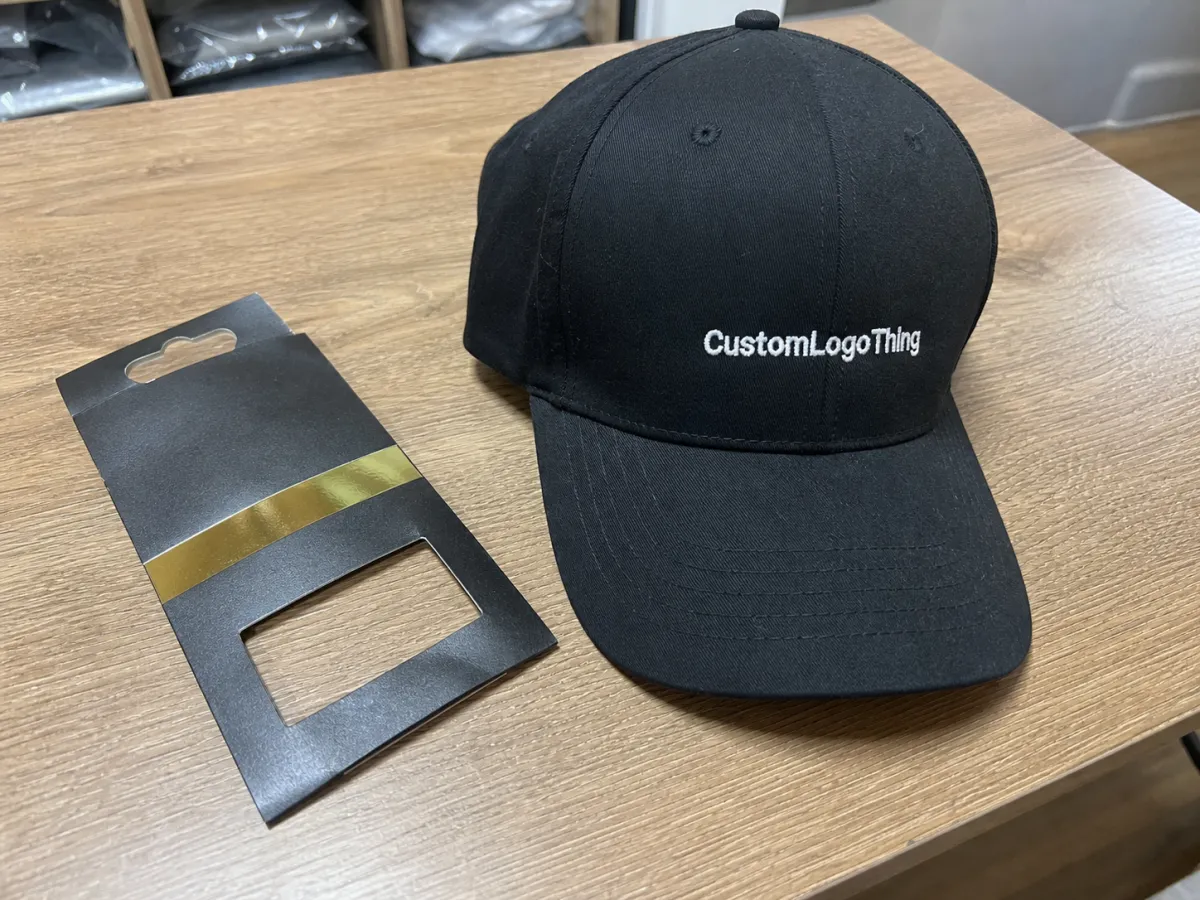
Running caps are unforgiving in a way flat merchandise is not. A few millimeters of crown depth can change how the cap sits. A slight shift in front panel structure can make the difference between athletic and promotional. The event merch Running Caps Sample Checklist should start with fit because fit is what people notice first and what they complain about last.
Mockups rarely reveal the full story. They do not show how a front panel stands up after stitching, how the brim curve interacts with the wearer’s face, or how the closure feels after a half-hour of movement. A sample does.
Use the sample to answer a few very specific questions:
- Front panel structure: Does it hold shape without feeling board-stiff?
- Crown height: Does the cap sit low enough to feel secure and high enough to avoid pressure?
- Brim curve: Does it shade the eyes without looking overbuilt?
- Sweatband feel: Is the inner edge smooth against skin, or scratchy after a short wear test?
- Closure performance: Does it stay put while moving, bending, or turning the head?
One overlooked test is how the cap reads from a distance. Event staff and runners are rarely inspected up close. They are seen from across a course, at a registration tent, or in crowd photos. A logo that looks balanced on a desk can disappear when the cap is worn at speed. Conversely, a logo that is too large can crowd the front panel and make the cap feel heavy.
The sample is most useful when it changes the order before production begins, not after cartons are packed.
That sounds simple, but it is where budget and schedule get protected. A corrected sample costs time. A corrected bulk order costs much more.
How the sample process works from artwork to approval
The cleanest sample process starts with a brief that leaves little room for interpretation. Send the artwork, cap style, decoration method, quantity, target delivery date, and any event-specific use notes. If the cap is for race staff, participant giveaways, or sponsor merchandise, say so. Those use cases push different decisions on structure, comfort, and packaging.
When the brief is vague, the sample usually reflects that vagueness. A supplier may still produce something attractive, but attractive is not the same as production-ready. The goal is to align the sample with the order before any large commitment is made.
There are usually three sample types:
- Blank sample: Useful for fit, fabric handfeel, crown depth, and closure testing.
- Decorated prototype: Best when artwork is final and the buyer needs to check placement, color, or stitch behavior.
- Pre-production sample: Closest to the bulk run, especially when packaging, labeling, and construction details matter.
Approval should be specific enough to survive handoff between teams. A note like "logo too low" is not enough. "Move front logo up 6 mm and reduce width by 3 mm" is usable. So is "swap to matte black thread" or "leave cap unbagged for event distribution." The more measurable the note, the safer the production run.
That written record matters because sample approval often passes through more than one person. Procurement may care about cost, marketing may care about appearance, and the event team may care about how the cap behaves in weather. If only one of those groups signs off, the others can still create delays later. One page with style, color, decoration, tolerance, and packaging notes usually prevents that problem better than a long email thread.
If packaging is part of the brief, include it before production begins. A cap that ships flat in a carton behaves differently from one packed in a polybag or held with a paper band. For event kits, that difference can matter when cartons are opened on site and caps need to be distributed quickly. Transit protection standards from groups like ISTA are a useful reference when packaging must survive shipping, not just look neat on approval.
Fabric, closure, and decoration choices that change the cap
Fabric does more than determine appearance. It changes heat retention, weight, drape, and how the cap takes decoration. Polyester is common for event merch because it is light, widely available, and compatible with embroidery and print. Cotton twill feels softer, but it holds moisture longer and can become less comfortable in hot weather. Mesh panels improve airflow. Performance blends can help when the cap will be worn during long outdoor sessions or by runners who want less buildup under the crown.
Closure style matters just as much. Snapbacks are easy to size and simple to explain in bulk distribution. Hook-and-loop closures adjust quickly, though the tape quality needs scrutiny or the finish feels cheap. Strapback styles look cleaner and often read more premium, but they can be slower to adjust. Stretch-fit and shaped athletic caps offer the most tailored feel, but they also narrow the usable size range, which is fine for a defined wearer group and risky for mixed audiences.
Decoration changes the structure of the cap. Dense embroidery can stiffen the front panel or pull lightly woven fabric. Patches often preserve shape better and can make small details easier to read. Print can work well for larger graphics or sponsor marks, but print quality depends on substrate, ink system, and the sharpness of the original art. Heat-applied graphics are efficient, yet the edge durability needs checking after flexing and handling.
A good sample tells you not only whether the decoration looks right, but whether it survives normal use. Run a finger across the embroidery backing. Flip the brim. Stretch the closure. Fold and refold the cap the way someone packing for an event would. If the sample feels fragile in your hands, it will feel fragile after a day in service.
Comfort checks are easy to skip and costly to ignore. A rough seam can turn into a complaint after twenty minutes. A closure that snags hair becomes a nuisance in a hurry. A sweatband that looks fine in a photo may start to feel hot if the event is outdoors. Those are not decorative defects; they are usability defects.
| Option | Typical buyer use | Approx. sample impact | Approx. bulk unit impact |
|---|---|---|---|
| Polyester with embroidery | Standard event giveaways | Clear stitch review, moderate setup | $0.90-$1.70 depending on stitch count and body quality |
| Cotton twill with patch | Volunteer or staff caps | Good for edge, texture, and placement review | $1.30-$2.60 depending on patch size and finish |
| Mesh performance cap | Warm-weather running events | Useful for ventilation and fit testing | $1.00-$2.10 depending on panel count and decoration |
| Flexible athletic cap | Runner-focused merchandise | Critical for comfort and stretch behavior | $1.20-$2.40 depending on fabric blend and logo method |
Those ranges are directional. Fabric grade, labor market, decoration size, and minimum order quantity can move the price quickly. The important point is to compare the finished cap as a system, not as a body blank plus a logo.
Sample timeline and turnaround: what buyers should expect
Sample timing is rarely limited by stitching alone. Artwork review, body availability, and shipping often consume more calendar time than the actual sample build. A clean file can move quickly. A file that needs placement corrections or color cleanup can sit for days before production even starts.
Most buyers do best when they assume at least one feedback loop. If the first sample reveals an issue with logo scale, closure feel, or color balance, a revision may be necessary. That revision does not have to become a crisis, but it does need time.
A realistic planning window often looks like this:
- Art review: 1-3 business days if the file is usable, longer if changes are needed
- Sample production: 3-7 business days for standard builds, depending on body availability and decoration type
- Shipping: 2-5 business days domestically, longer for international routes
- Internal review: 1-3 days if one person is deciding, longer if multiple teams need input
- Revision cycle: another 3-7 business days if material, color, or construction changes are requested
For event merchandise, that timeline should be tied to the event date, not to the supplier’s first promised ship date. A race kit, festival, or seasonal campaign has a hard deadline. Miss the date and the product becomes inventory instead of event support.
There is also a practical reason to avoid rush timing. Rushed approvals tend to produce shallow reviews. People glance at the sample, say it looks fine, and miss the seam issue or the awkward fit. A slightly longer lead time usually lowers the risk of expensive surprises later.
If the order needs more formal packaging or shipment testing, broader packaging resources such as packaging.org can help frame the conversation. The point is not to over-engineer a cap order. It is to avoid treating shipping as an afterthought.
Cost and pricing factors for event merch running caps
Pricing for decorated caps follows familiar logic, but the details can shift the quote faster than buyers expect. The cap body, decoration method, stitch count, packaging, and order quantity all matter. Rush service matters too. A simple cap with one-color embroidery sits in a very different cost band from a custom performance cap with a patch, inside labeling, and event-ready packaging.
The biggest cost drivers are often the least glamorous. Panel count changes labor. Fabric choice affects availability. A large logo requires more machine time. Multiple thread colors increase setup complexity. Special closure hardware can alter both material and assembly cost. Even the choice between bulk packing and individual bagging can change the landed number enough to matter across thousands of units.
Sample fees deserve direct questions. Some suppliers credit the sample against the final order. Some do not. A blank sample, a decorated sample, and a pre-production sample may all be priced differently. If you are comparing two caps or two decoration methods, ask for those costs separately so the budget does not blur into a single line.
Minimum order quantity affects unit cost as much as decoration does. A small run with three colors and multiple size variables usually costs more per cap than a single-color, single-style order. That does not mean the job is not worth doing. It means the buyer needs to decide where flexibility actually helps the event and where it simply adds spend.
| Cost factor | What changes the price | Buyer action |
|---|---|---|
| Cap body | Fabric, panel count, and structure | Choose one base style before quoting |
| Decoration | Embroidery area, patch type, print coverage | Finalize artwork and placement early |
| Sample fees | Blank, decorated, or pre-production sample type | Confirm whether fees are credited |
| Packaging | Polybags, tags, inserts, cartons, labels | Approve only what supports the event use |
| Rush timing | Shorter lead time and priority handling | Protect the calendar before it becomes urgent |
Quote comparison works only when the same variables are being compared. One supplier may include packaging or domestic freight, while another leaves those out. One may quote a smaller embroidery area. Another may use a heavier cap body. The per-unit figure means little unless the scope matches.
Common mistakes that derail sample approval
The first mistake is approving color from a screen. Monitors distort fabric tone, and even printed proofs do not show the full effect of light on cloth. Navy, charcoal, white, and bright sponsor colors often shift more than people expect under outdoor light. A sample should be checked in daylight if the event is outdoors, then viewed again in shade.
The second mistake is trusting the flat art file too much. Logos that look balanced on a rectangle can look crowded on a curved cap. A tall crown can swallow a small mark. A low-profile cap can make the same logo feel oversized. This is where the event merch Running Caps Sample Checklist earns its place. It forces buyers to judge the logo at event distance, not just at desk distance.
Comfort problems are also easy to overlook. A closure can pinch. A sweatband can feel rough. A cap can sit too high on certain head shapes and look odd from the side. None of that shows up in a mockup. It shows up when someone wears the sample for more than a few minutes.
Do not skip movement testing. Put the cap on, walk around, bend down, turn the head, and wear it long enough to get a sense of heat. If runners or race staff will use it, let a few different people test the fit. Head shape varies more than buyers like to admit, and one sample rarely tells the whole story.
Approvals that work best are the plain ones:
- Inspect the sample in real light.
- Check the logo at arm’s length and from event distance.
- Feel the inside seams, sweatband, and closure.
- Wear the cap during movement, not just at rest.
- Record every change before production begins.
Skipping documentation creates a second problem. People remember the sample differently after a meeting ends. Written approval keeps the production team and the buyer aligned when details are small but costly to fix later.
Expert checks and next steps before bulk production
The strongest pre-production review is usually the least dramatic one. It has measurements, color references, packaging notes, and a clear tolerance range. It does not rely on "close enough." It says what is acceptable and what is not.
I would keep one approval sheet that covers the cap style, body color, logo placement, decoration method, closure type, packaging instructions, and quantity split if multiple colors are involved. If the sample differs from the original brief, write down the variance and the fix. That paper trail protects both sides.
It also helps to test the sample in conditions that resemble the event rather than in office lighting. Heat, movement, sweat, and glare all change how a cap behaves. A cap that looks polished on a table can feel too warm on a race course or read too dark under bright sun.
Before bulk production, make sure these items are locked:
- Approved artwork file
- Final cap style and color
- Decoration method and placement
- Quantity by size or color, if relevant
- Packaging and labeling instructions
- Signed approval record
That is the handoff point. Once the sample is approved, the job changes from exploration to execution. Clear records reduce the odds of a wrong logo position, a color mismatch, or a packaging surprise when the bulk order arrives.
Used well, the event merch running Caps Sample Checklist is not paperwork for its own sake. It is the shortest route from concept to a cap that people will actually wear, which is the standard that matters.
What should be on an event merch running caps sample checklist?
Include fit, crown height, brim shape, logo placement, thread color, sweatband comfort, and closure performance. Check the cap in the same lighting and wear conditions the event will have, because color and shape can read differently in real use.
How many samples do I need before ordering running caps for an event?
One production-like sample is often enough if the artwork, fabric, and decoration method are already final. Order a second sample if you are comparing colors, changing closures, or testing a different decoration method.
What should I look for on embroidered event running cap samples?
Check stitch density, edge cleanup, thread coverage, and whether the embroidery distorts the front panel. Inspect the inside backing and seam feel so the logo looks good without making the cap uncomfortable during longer wear.
How long does the sample and approval process usually take?
Timing depends on blank cap availability, decoration setup, shipping distance, and how fast the buyer responds. Build in extra time for revisions, because even a small change to placement or color can add several days.
What affects the unit cost of event merch running caps?
Unit cost changes with cap material, decoration complexity, stitch count, number of colors, packaging, minimum order quantity, and rush fees. Freight and revision cycles can also change the real total, so buyers should review landed cost before approving production.


