Event Supplier Carton QA Checklist for mesh trucker hats
Why Carton QA Matters for Event Supplier Hat Orders
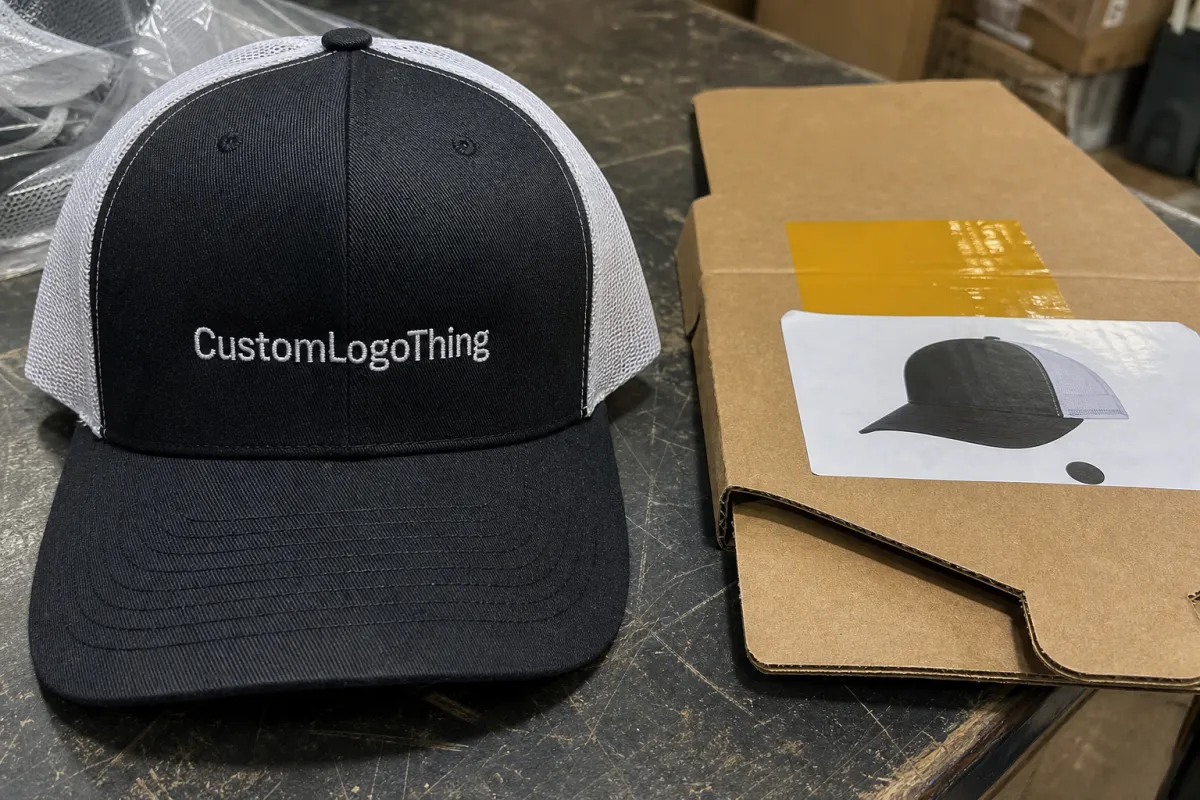
Picture 600 branded caps landing at a conference dock with 90 minutes before doors open. The top cartons are crushed, two boxes say only “promo,” the size stickers are missing, and the activation lead is trying to sort sponsor staff uniforms beside a pallet jack. That is exactly the kind of mess a mesh trucker hats Carton Packing Checklist for event suppliers is meant to prevent.
Hats are light. That fools people. Operationally, they are expensive to mishandle because one missing carton can break a uniform plan, delay a VIP gift build, leave a sponsor table half-stocked, or make a retail merch display look picked over before the first attendee arrives.
A useful checklist covers more than “put caps in boxes.” It checks carton strength, cap orientation, inner packing, quantity control, labeling, pallet rules, freight handoff, receiving steps, and event-site repacking. It also answers the question tired crews ask first: which carton do we open now?
Mesh trucker hats behave differently from flat goods. Foam fronts dent. Curved visors warp. Mesh backs snag on rough corrugated edges. Snapback closures can leave pressure marks if caps are packed too tightly. A hoodie can tolerate a little compression. A structured foam-front trucker cap may not.
A carton plan is not warehouse bureaucracy. For event suppliers, it is risk control: fewer dock-side surprises, faster booth setup, and a better-looking brand handoff.
From a packaging buyer’s point of view, the best packing audit protects three things: time certainty, brand presentation, and count accuracy. That is why a mesh trucker hats Carton Packing Checklist for event suppliers should be approved before the shipment leaves, not reconstructed from memory after cartons hit the venue floor.
How Carton Packing Works for Mesh Trucker Hats
The basic flow is predictable. Decorated hats leave production, pass a finished-goods inspection, get counted, then move into polybagging or bundling. After that, warehouse staff load cartons, seal them, apply master labels, build pallets if needed, and hand the shipment to a carrier.
Simple? Not always.
Common packing formats include loose nested rows, individual polybags, dozen packs, color-separated cartons, size-separated cartons, and event-kit builds where caps are packed with badges, apparel, or printed inserts. Each format changes labor time, carton count, and receiving speed.
Carton dimensions matter because a hat has memory. Too much empty space lets caps tumble and scuff during parcel handling. Too little space compresses crowns, flattens foam panels, and bends brims. A carton that saves 3 inches in height can create 3 hours of reshaping work at a venue if every cap needs to be steamed, hand-shaped, or hidden behind better-looking stock.
Orientation is the quiet variable. Alternating crown direction may increase the count per carton, but nested stacks still need visor support and space around raised decoration. Puff embroidery, woven patches, and heat-transfer graphics should not grind against carton walls.
Think in two layers. Primary protection protects the hat: tissue, light paper, polybags, inner bundles, or dividers. Transit protection protects the shipment: corrugated cartons, pallet wrap, corner boards, labels, and carrier handling instructions. The two jobs overlap, but they are not the same job.
The receiving side deserves equal attention. The best carton plan is readable by a tired event crew holding a box cutter, working from a hand truck, and racing against a load-in window. Large type, carton sequence numbers, and open-first labels beat beautiful paperwork buried inside carton three.
Key Specs to Confirm Before Hats Go Into Cartons
Before cartons are packed, confirm the product variables that change the packing method. Structured crowns need more space than unstructured caps. Foam fronts need more dent protection than cotton twill fronts. Flat bills behave differently from curved bills. Snapbacks, fitted sizes, raised patches, side-panel embroidery, and tall front logos all affect how the hats should be nested.
Decoration method is not cosmetic from a packing standpoint. Puff embroidery creates a raised surface that can pick up pressure marks. Leather patches can curl if pressed unevenly. Woven labels can snag. Heat-transfer graphics can scuff if rubbed against another cap or a rough carton edge.
Quantity controls should be written down. Confirm the purchase order quantity, overage or shortage allowance, color splits, size splits, sponsor splits, and sample retention. For bulk custom hats, a 2% mismatch may sound small, but on a 1,000-piece order it means 20 caps. That can be an entire staff group.
Carton specifications matter too. Ask about corrugated board strength, maximum gross weight, internal dimensions, and whether the shipment will move by parcel, LTL, or full palletized freight. For heavier or longer transit lanes, packaging teams often look at edge crush and burst resistance. The International Safe Transit Association publishes testing protocols that are useful references for transit performance, especially when shipments face multiple handling points.
Define carton count logic before production ends. Typical bulk cartons may hold 48, 72, or 96 hats, depending on crown structure and decoration sensitivity. Foam-front styles or custom embroidered trucker hats with raised logos often need the lower end of that range. Plain, low-profile caps may tolerate higher counts.
Event labels need more than a SKU. Include event name, booth number, recipient contact, carton sequence, hat style, color, quantity, and open-first priority. If there are sponsor kits, staff uniforms, and public giveaways in the same shipment, label them as separate jobs even if the cap style is similar.
Honestly, most packing mistakes start as assumptions. Warehouse teams pack to instructions. They do not pack to the buyer’s mental picture.
Cost, Pricing, and Unit Cost Traps in Hat Packing
Carton packing can change total landed cost even when the hat price looks fixed. Freight dimensional weight, carton count, pallet footprint, sorting labor, and repacking time all sit outside the clean per-hat quote. That is where event merchandise budgets often leak.
Likely cost variables include individual polybags, inner cartons, printed carton labels, reinforced corrugate, palletization, shrink wrap, corner boards, sorting by sponsor, split shipments, and rush handling. Some suppliers include basic bulk packing. Special carton logic usually costs more because it adds labor and slows the line.
| Packing Option | Typical Added Cost Range | Best Use | Main Risk |
|---|---|---|---|
| Bulk nested cartons | $0.00-$0.08 per hat | Simple giveaways with one style and one destination | More sorting at the venue |
| Individual polybags | $0.06-$0.18 per hat | VIP gifts, attendee kits, dusty storage areas | Slower distribution and more plastic waste |
| Dozen packs or inner bundles | $0.04-$0.14 per hat | Staff handout stations and controlled inventory | Extra material and bundle labeling |
| Event-day or booth sorting | $0.10-$0.35 per hat | Multi-team activations, sponsor kits, retail tables | Requires accurate instructions before packing |
| Palletization with corner boards | $18-$45 per pallet, often more for rush | Larger orders moving to venues or advance warehouses | Dock rules and appointment timing still apply |
There is a real tradeoff between lowest carton count and safest presentation. Fewer cartons can reduce freight lines and handling fees. But over-compressed hats may arrive with dented foam fronts, flattened crowns, or brims that do not sit cleanly on a display table.
MOQ also complicates event orders. If one program has six sponsor designs at 150 pieces each, separate cartons may be cleaner operationally than mixed cartons. The unit price may rise because each design needs counting, labeling, and possibly its own packing list. That is not waste. It is control.
Ask for a quote that separates hat production, decoration, packing materials, special labeling, freight, and rush handling. Then ask one blunt question: what is the cost difference between bulk-packed cartons and cartons sorted by event day, booth, team, or giveaway tier?
A cheap hat that arrives unorganized is not cheap at the loading dock.
Process and Timeline: From Artwork Approval to Event Dock
The process usually runs in this order: artwork approval, sample or proof review, blank cap allocation, decoration, quality control, packing instruction confirmation, carton labeling, freight booking, shipment, and event receiving. Packing decisions should sit near the middle of that sequence, not at the end.
Why so early? Because finished hats stacked in a warehouse are already costing time. If the buyer then asks for sponsor sorting, open-first cartons, or size-by-booth grouping, the supplier may need to reopen cartons, recount inventory, print new labels, and rebuild pallets.
Lead time depends on decoration complexity, number of SKUs, color splits, custom patches, polybagging, carton label requirements, palletization, and freight lane reliability. A simple embroidered trucker cap order may move quickly after proof approval. A multi-design patch program with individual bags and venue-specific labels often needs more room in the schedule.
For planning purposes, many custom cap orders need 10-20 business days after proof approval, with rush options depending on blank availability and decoration capacity. Custom patches, specialty trims, or large split shipments can extend that. Freight can add 1-7 business days domestically, depending on service level and distance. Not always the case, but useful for pressure-testing an event calendar.
Events add their own traps: convention center dock appointments, marshaling yards, weekend delivery restrictions, hotel receiving fees, union handling rules, and advance warehouse deadlines. A carton can be packed perfectly and still fail the job if it arrives after the receiving window.
Use a countdown. Lock artwork first. Then lock the packing map. Then verify the delivery address, receiving rules, dock contact, and deadline. Finally, approve carton labels and tracking expectations. Build in inspection time after delivery because even a well-packed order may need sorting before staff distribution or attendee giveaway setup.
Speed helps only if cartons arrive organized enough for the event team to use immediately.
Mesh Trucker Hats Carton Packing Checklist for Event Suppliers
Use this mesh trucker Hats Carton Packing checklist for event suppliers as a practical audit before release. It works for custom logo trucker hats, sponsor giveaways, staff uniforms, and retail merchandise programs.
- Verify the order basics. Confirm approved artwork, hat style, decoration placement, color counts, size counts, quantity tolerance, purchase order number, and any sponsor or department allocation.
- Inspect finished hats before boxing. Check embroidery threads, patch adhesion, print alignment, crown shape, visor curve, snapback function, stains, loose labels, and mesh snags.
- Match protection to the hat. Prepare tissue, light paper fill, polybags, inner bundles, dividers, or carton liners based on foam front sensitivity, decoration height, and final distribution method.
- Pack by orientation and count. Keep brims supported, avoid crushing foam fronts, keep decorated surfaces away from abrasive carton edges, and maintain a consistent carton quantity such as 48, 72, or 96.
- Control carton documentation. Mark carton number, total carton count, style name, color, quantity, purchase order, event name, delivery contact, and open-first priority where needed.
- Seal cartons correctly. Use an H-tape pattern on top and bottom seams for parcel shipments, or equivalent reinforcement based on carton weight and handling conditions.
- Palletize with the venue in mind. Keep heavier cartons low, avoid pallet overhang, shrink wrap securely, use corner boards if cartons are soft, and place labels on visible sides.
- Record the handoff. Save the packing list, packed-carton photos, pallet photos, carrier tracking, bill of lading if applicable, and delivery appointment confirmation.
For sustainability requirements, ask whether cartons use certified fiber or recycled content. The Forest Stewardship Council is a common reference point for fiber sourcing claims, though certification details depend on the specific carton supplier and chain-of-custody documentation.
A good mesh trucker hats carton packing checklist for event suppliers is short enough for a warehouse lead to use and detailed enough for a buyer to audit. That balance matters.
Common Packing Mistakes That Damage Hats or Delay Events
Overpacking is the quiet failure mode. Hats may leave the warehouse looking acceptable, then arrive with dented foam fronts, flattened crowns, or warped visors after vibration, stacking pressure, and carrier handling. The damage looks like a product defect. Often, it is a packing defect.
Underfilling causes the opposite problem. Empty space lets caps shift, collapse, and rub against carton walls. Parcel networks are especially unforgiving because boxes may be tipped, dropped, belt-sorted, and stacked under unrelated freight.
Vague labels are another repeat offender. “Hats” or “promo items” is not enough for an event crew sorting multiple vendors, sponsor deliveries, and booth materials. Use carton-level clarity: style, color, quantity, sequence, and destination group.
Mixed-SKU confusion can create false shortages. If navy staff hats, black VIP hats, and red sponsor hats share cartons without a visible packing map, the receiving team may think inventory is missing. Then people start opening every carton. Setup slows. Stress rises.
Freight mismatch deserves attention too. Parcel shipping may be fine for 72 hats going to an office. A 900-piece event order usually benefits from pallet controls because cartons stay together and face fewer individual handling events. Palletized freight is not perfect, but it can reduce carton loss and crush damage when packed correctly.
Box-cutter damage is painfully common. If hats sit tight against the top seam, a fast receiving cut can slice crowns, visors, or polybags. Leave a protective top layer, use carton liners, or add a bright “open carefully” mark near the seam.
Documentation gaps complete the list: no carton photos, no packing list, no carton sequence, no delivery contact, no partial-shipment plan. A mesh trucker hats carton packing checklist for event suppliers will not fix every freight problem, but it makes problems easier to prove, trace, and correct.
Final Approval Steps Before the Hat Shipment Leaves
Before release, confirm the final hat count, decide carton grouping, approve carton labels, request packed-carton photos, and verify the delivery address against the event receiving rules. Small errors at this stage become big errors at the dock.
For higher-risk orders, ask for one sample carton configuration. That is especially useful for foam-front trucker hats, puff embroidery, raised patches, or premium caps going into attendee kits. The sample carton does not need to travel across the country to teach you something. Even a photo set can show over-compression, poor orientation, or confusing labels.
Give the event team a receiving script. Count cartons before signing. Photograph visible damage. Compare labels against the packing list. Separate open-first cartons. Report shortages or crushed cartons immediately. If there are 20 cartons on the packing list and 19 at the dock, that needs to be caught before the driver leaves whenever possible.
Build a buffer plan. Extra hats cover staff changes, VIP additions, lost cartons, sample pulls, and last-minute sponsor requests. For many event programs, a 3%-5% overage is more practical than trying to reorder decorated caps under pressure.
Send the packaging manufacturer or supplier the full instruction set: artwork approvals, SKU breakdown, event date, dock address, delivery deadline, carton labeling format, sorting rules, pallet requirements, and receiving contact. Do not rely on scattered email threads if a single packing sheet can remove ambiguity.
The final lesson is simple. A mesh trucker hats carton packing checklist for event suppliers turns a promotional product order into a controlled event logistics plan.
FAQ
What should be on a mesh trucker hat packing checklist for event suppliers?
Include hat style, decoration type, color and size counts, carton quantity, packing orientation, protective materials, carton labels, pallet rules, delivery address, event contact, and receiving deadline. Add documentation requirements such as a packing list, carton photos, tracking numbers, and instructions for open-first or VIP cartons.
How many mesh trucker hats usually fit in one carton?
The right count depends on crown structure, brim shape, decoration height, and carton dimensions. Common bulk cartons may hold several dozen hats, often in the 48-96 range, but the safest count is the one that protects shape in transit. Foam-front hats, puff embroidery, and raised patches usually need more space than plain low-profile caps.
Should event suppliers request individual polybags for mesh trucker hats?
Use individual polybags when hats will be handed out as premium merchandise, packed into attendee kits, shipped to multiple teams, or stored at a dusty venue. Skip or reduce polybags when speed of distribution, sustainability goals, or budget matter more, but replace them with smart carton protection such as clean dividers, tissue, or controlled inner bundles.
How can I reduce carton damage before hats arrive at an event venue?
Choose cartons strong enough for the shipping method, avoid pallet overhang, keep gross weight manageable, add corner protection when needed, and request photos before pickup. Use clear labels on multiple carton sides so handlers do not rotate, search, or restack boxes more than necessary during receiving.
When should packing instructions be sent for custom mesh trucker hats?
Send packing instructions before final production is complete, ideally when artwork, quantities, and SKU splits are approved. Late instructions can trigger repacking fees, delay shipment, or force the warehouse to use a default bulk-pack method that may not fit the event plan.
Is pallet shipping better than parcel shipping for event hat orders?
Pallet shipping is often better for larger orders because it reduces individual carton handling and can keep carton sequences together. Parcel shipping may work for smaller or split-destination orders, but cartons need stronger labeling, better void fill, and more careful tracking.