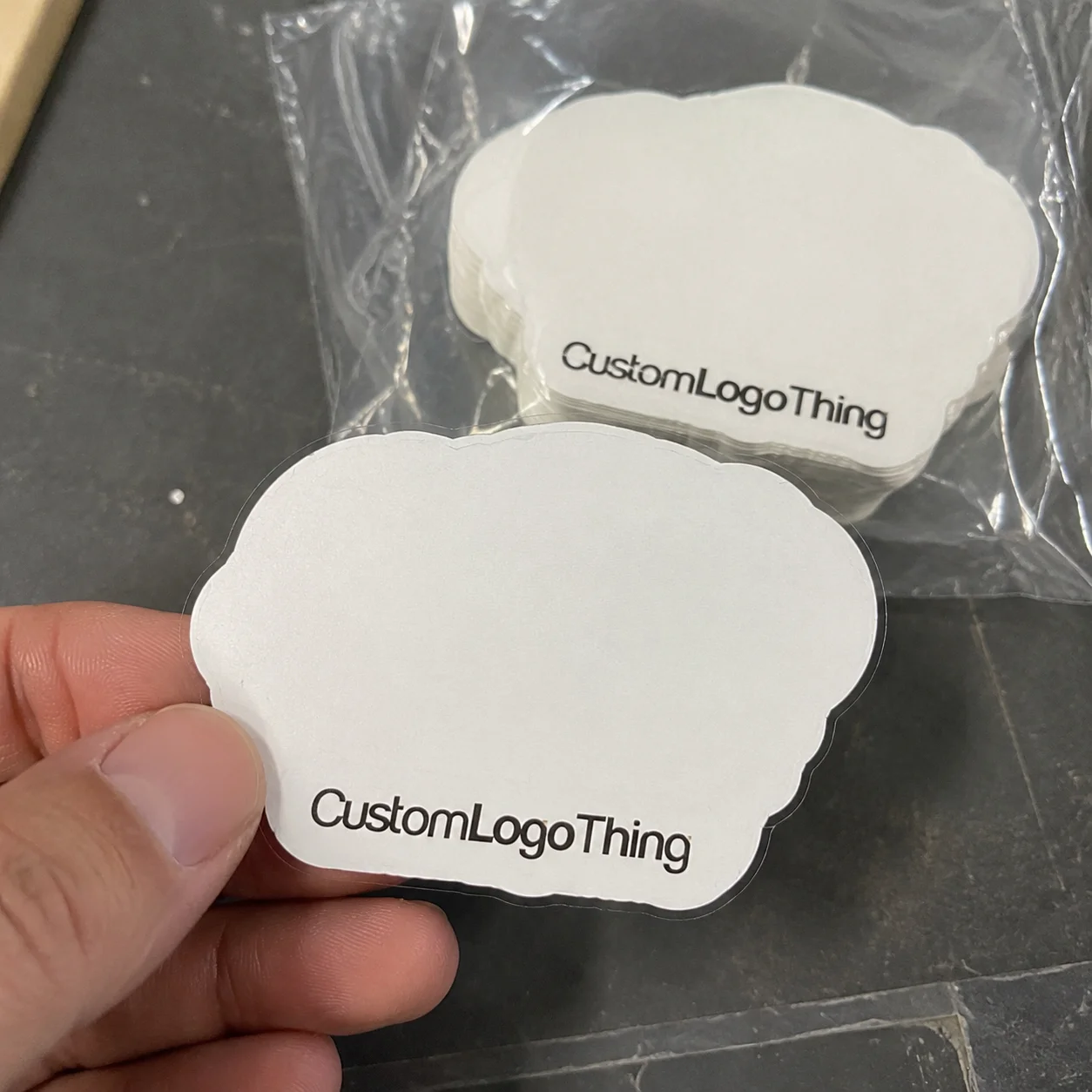
Fast custom labels matter when the launch calendar is fixed and packaging decisions are already in motion. In practice, speed depends less on urgency and more on whether the order can move through quoting, proofing, production, and shipping without avoidable back-and-forth. The orders that finish on time usually start with clear specs and a standard construction, not last-minute improvisation.
Fast is not one thing. Rush sampling, expedited production, and quicker shipping are different levers, and mixing them up is how brands waste time and money.
What fast custom labels really means for clothing brands
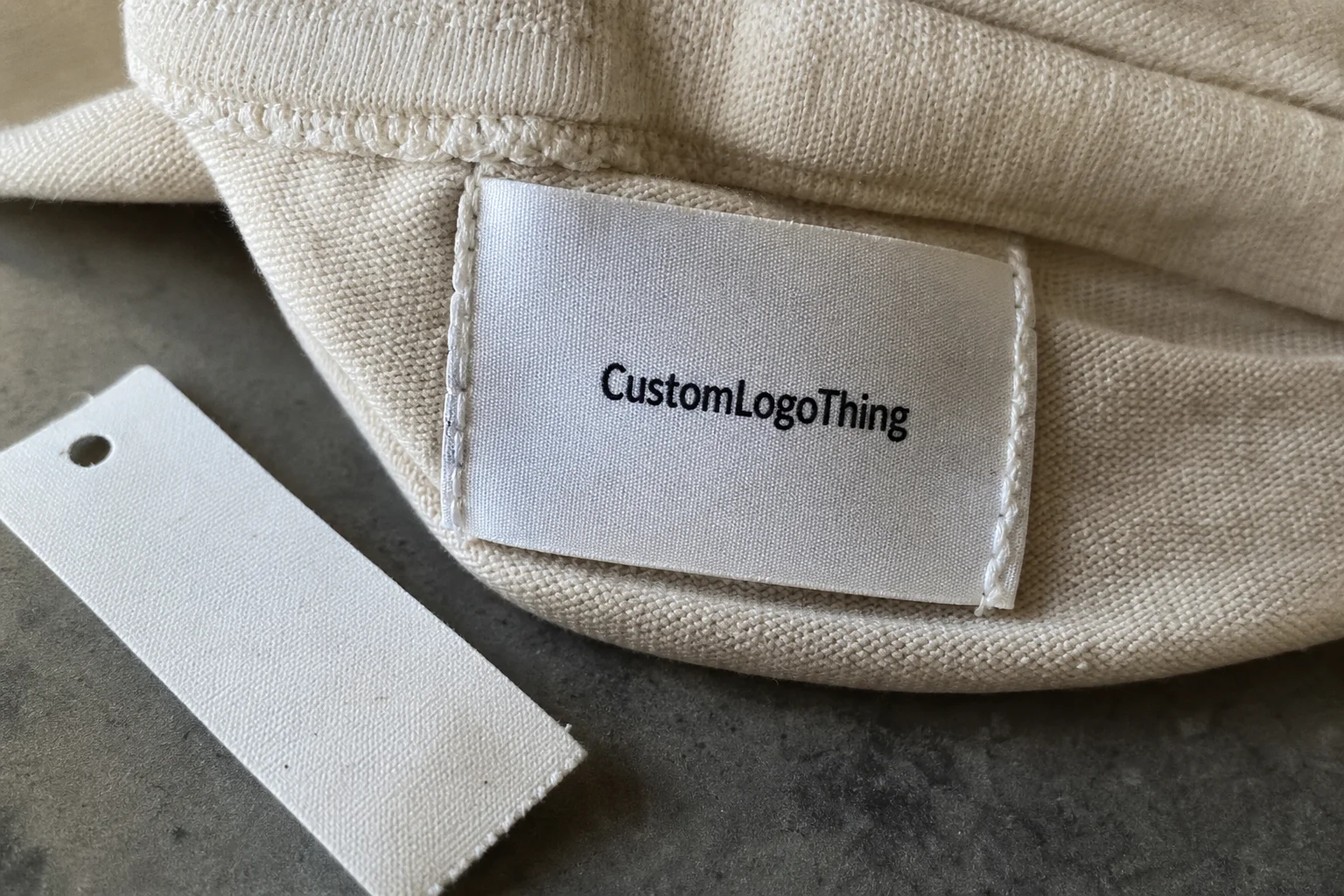
For clothing brands, fast custom labels usually means one of three situations: a rush first run for a launch, a reorder that has to land before stock runs out, or a correction to a label spec that is already holding up packaging. The word fast is often used loosely, but the practical meaning is simple: the supplier can move your file through proofing, production, finishing, and shipping without waiting several days in a queue.
The use cases are straightforward. A pop-up drop needs Woven Neck Labels and care labels before the garments arrive. A DTC brand discovers the original size is wrong and needs the spec corrected before the next batch of branded packaging goes out. A retail buyer changes a compliance requirement and suddenly the hang tags, sewn-in labels, and outer cartons all need updates. If the label sits inside a broader package branding system, it also needs to stay consistent with your Custom Labels & Tags and the rest of your Custom Packaging Products.
Speed has a ceiling. The quickest orders are usually standard sizes with simple artwork, one or two colors, and a common construction such as a woven neck label, printed satin label, or basic hang tag. Fully bespoke specs, metallic thread, special inks, unusual folds, and multi-step finishing slow the job down. That is not a vendor excuse; it is how production scheduling works.
The other thing that slows an order is incomplete input. Missing dimensions, low-resolution logos, vague color references, and proof revisions that should have been settled before quote stage all create delays. A buyer who already knows the fold type, attachment point, final size, and ink requirements usually gets a faster answer because the supplier can quote and schedule without guessing.
How the ordering process and timeline work
The normal path is simple, and fast orders follow the same path with less waiting between steps. First you Request a Quote with size, quantity, material, finish, and artwork files. Next the supplier confirms specs and sends a proof. After approval, production starts. Then finishing, packing, and shipping happen in that order. The schedule is usually lost in one of those handoffs, not in the manufacturing itself.
The biggest delays happen in three places. The first is the quote stage, where incomplete specs force another round of questions. The second is proofing, where a low-resolution logo or unclear color request creates revisions. The third is customer approval, because nobody wants to sign off on the wrong spelling, wrong fold, or wrong size. Production lead time starts after proof approval, not after the first message.
Typical timing looks like this:
- Standard order: 5 to 10 business days after proof approval, plus shipping.
- Rush order: 2 to 4 business days after proof approval if the spec is simple and materials are in stock.
- Reprint of approved art: often the fastest path because the file, size, and construction are already locked.
These ranges assume the artwork is usable and the material is part of the supplier’s normal workflow. If the order needs a new weave pattern, a special cut, or unusually tight color matching, the calendar expands quickly. Even small changes can add back-and-forth, especially when more than one department reviews the proof. A launch schedule should leave room for approval, production, packing, and transit without treating every hour as an emergency.
If the label is part of a larger retail packaging program, the timeline needs to cover the rest of the stack too. A label delay can push back carton packing, folding instructions, SKU prep, and launch photography. For shipping-sensitive programs, it helps to compare your assumptions with the packaging standards side of the industry at ISTA and the wider packaging community at packaging.org.
Cost, pricing, and MOQ factors that change the quote
Price for fast custom labels is driven by material, size, print method, finish, quantity, and whether the shape or construction is standard. Low quantity is expensive per piece because setup costs are spread over fewer units. That is simple math, not a pricing trick. If you order 200 labels, the unit cost is usually much higher than at 2,000 pieces, even when the art is basic.
Minimum order quantity, or MOQ, is the smallest run a supplier can accept at a sensible price. Lower MOQ usually means higher unit pricing because setup, cutting, inspection, and packing still happen. Rush jobs add another layer. Priority scheduling, overtime, split runs, and expedited freight all push the quote up. Most brands can choose speed or the lowest possible rate, and sometimes both are possible, but neither is automatic.
A simple comparison makes the tradeoff clearer:
| Option | Typical timeline | Typical use | Cost behavior | Best fit |
|---|---|---|---|---|
| Standard production | 5 to 10 business days after proof approval | Most seasonal launches and planned reorders | Lowest unit cost | Brands with buffer time |
| Rush production | 2 to 4 business days after proof approval | Deadline-driven launches and emergency replacements | Usually 10% to 30% higher | Orders with a hard ship date |
| Reprint of approved file | Often 2 to 5 business days if materials are ready | Restocks and replacement runs | Can be cheaper than a fresh setup | Repeat buyers with locked specs |
The quote should also be read in the context of the rest of the packaging budget. Labels often sit alongside hang tags, inserts, polybags, and custom printed boxes. Compare like with like. A cheaper quote that excludes setup, proofing, or shipping is not actually cheaper; it is just better at hiding numbers.
For sustainability-led programs, material choice may also matter. If you want a paper-based system that aligns with FSC expectations, check sourcing requirements at FSC. That will not make a rush job faster, but it can reduce delays later if procurement asks for documentation.
One practical caution: buyers sometimes focus on unit price and ignore the cost of delay. If a slower option misses a retail window, the lost selling time can outweigh the cents saved per label. For seasonal launches, the real expense is often timing across the packaging and fulfillment chain.
Artwork, materials, and finishing choices that speed production
The fastest orders start with artwork that is already clean. A vector logo in AI, EPS, or SVG format is far easier to proof than a flattened screenshot. If the logo has thin strokes, tiny text, or hairline detail, expect trouble at small sizes. On woven labels, text below about 5 pt often turns muddy, especially on dense fabric.
Material choice matters too. Woven damask labels are durable and look premium, but they can take longer than a simple printed satin label. Heat transfer labels are good for soft, tagless applications, but they need the right garment fabric and placement. Cotton labels can support a natural look, while satin is smoother and often better for a soft hand feel. If the job is urgent, choose the construction that already fits the supplier’s standard workflow.
Finishing adds time. End folds, center folds, Manhattan folds, cut-and-sew construction, specialty inks, metallic thread, soft-touch lamination, and precise die cuts all add steps. None of those are bad. They just take longer than a standard run. A common size, like 1 inch by 2.5 inches for a neck label or a standard hang tag shape, usually moves through production faster than an odd size with no existing tooling.
There is a difference between a label that looks custom and a label that is custom in a way the factory can produce efficiently. The first is easier on the schedule. The second usually sounds impressive in a quote request and painful in a production calendar. If speed matters, keep one variable at a time: either a special material or a special finish, not both.
Step-by-step checklist for ordering fast custom labels
If you need fast custom labels, treat the order like a production task, not a casual email thread. A clean handoff saves more time than any rush fee. This is the workflow that avoids most of the common delays.
- Define the purpose. Decide whether this is a neck label, care label, size marker, side seam label, or packaging insert. Each one has different specs.
- Collect the files. Gather the logo, exact dimensions, Pantone or CMYK references, and any fold or placement notes before asking for a quote.
- Choose the construction early. Pick woven, printed satin, heat transfer, or hang-tag-style application before proofing starts.
- Review the proof the same day. Check spelling, size, fold direction, and placement. Fixing errors after approval costs time.
- Assign one approver. Too many decision makers slow the job down. One person should own sign-off.
- Confirm shipping separately. Production speed and transit speed are different. A label can finish on time and still miss the launch if freight is weak.
- Save the approved spec. The next reorder should be faster, cheaper, and less prone to error.
Most delays are self-inflicted. Brands wait until inventory is low, then push every decision through five people. The result is predictable: proof revisions, late approval, and a higher invoice. If you want the next run to move faster, document the approved size, material, fold, and artwork version now instead of searching old email threads for a file named “final_final2.”
It also helps to confirm the basics in writing before production begins. Ask whether the quote assumes one color or multiple colors, whether inspection is included, and whether packing is bulk or individually bundled. Those details affect both the schedule and the invoice. Fast orders are easier to manage when there is less room for interpretation.
Common mistakes that slow down clothing label orders
The biggest mistake with fast custom labels is assuming the supplier can fix bad input with enthusiasm. They cannot. Uploading a raster logo and expecting crisp output on a tiny woven label is how you get fuzzy edges and regret. The same problem shows up with missing dimensions, vague colors, and artwork that was never meant for print.
Another slowdown is changing the artwork after proof approval. That resets the production event. The same applies to silent changes in garment type. A label that works inside a heavyweight sweatshirt may not behave the same way in a thin knit or baby garment. Compliance, comfort, and attachment method all matter.
Ordering too close to launch is a classic mistake. Build in buffer for proofing, production, shipping, and one round of fixes if needed. If the labels support retail packaging, allow more room because the rest of the package branding stack can pull the deadline backward.
One more issue is assuming the quote includes everything. Some quotes cover setup, proofing, and basic shipping. Others do not. Some include reprint support if the factory makes an error. Others bury that detail in the fine print. If the job is urgent, confirm those terms before money moves.
Underestimating finishing time is also common. A plain printed label may move quickly, but a folded woven label with strict color matching and edge finishing is a different job. If the buyer assumes both should land on the same schedule, the project turns into a chain of apologies. The timeline is usually more honest when the spec is honest first.
Expert tips to get faster turnaround without sacrificing quality
The cleanest way to speed production is to reduce choices. Use one master file, lock version control, and keep brand colors in a place the team can find. If the design is final, do not keep reopening it because someone wants to “see one more option.” A one-day approval can easily become a three-day detour.
Choose standard materials and standard sizes whenever speed matters more than novelty. A common woven label size, a simple printed satin label, or a standard hang tag format usually moves faster than an unusual shape or specialty finish. If you need a premium look, build the schedule around that decision instead of forcing premium detail into a rush order.
Ask for a proof template up front, then review it the same day it arrives. That single habit does more for turnaround than most buyers realize. It also helps with downstream jobs like retail packaging, where consistency between labels, inserts, and carton markings reduces mistakes. If your label is part of a larger rollout, keep package branding consistent across the full set of materials.
Plan reorders before inventory gets tight. Rushing from zero is always more expensive than reordering at a sensible point. If you manage multiple SKUs, bundle them into one production plan where possible. Fewer scheduling gaps mean fewer opportunities for a queue to stall.
Keep an internal label spec sheet. Once a style has been approved, save the exact material, size, fold, artwork version, and placement notes in a shared place. Reorders become much faster when the information no longer lives in scattered messages or one person’s memory.
How fast can custom clothing labels be produced?
Timing depends on material, quantity, proof approval speed, and shipping method. Simple standard labels can move faster than specialty finishes or complex constructions. The quickest jobs usually start with clean artwork, a clear spec sheet, and one person who can approve the proof without waiting on a committee.
What affects the cost of fast custom labels most?
Quantity, material, label type, and finishing choices drive most of the price difference. Rush production and expedited shipping can raise the total, and lower quantities almost always cost more per label. If you want a sharper quote, give the supplier exact dimensions and artwork files instead of a vague request.
Can I get fast custom labels with a low MOQ?
Yes, but low quantities usually cost more per piece. Some suppliers can still handle small runs quickly if the design is simple and the materials are standard. The tradeoff is usually speed versus unit price, so decide which one matters more before you send the order.
What files do I need to avoid delays on my label order?
A vector logo or high-resolution artwork is the safest starting point. Include exact dimensions, color references, and folding or placement instructions. Clear files reduce proof revisions, which is one of the fastest ways to keep a label job from stalling.
How do I make sure my label order ships on time?
Approve proofs quickly and keep one person responsible for final sign-off. Choose standard specs when possible and confirm shipping deadlines early. Build buffer into the schedule for production and transit, especially before a launch or retail receiving date.