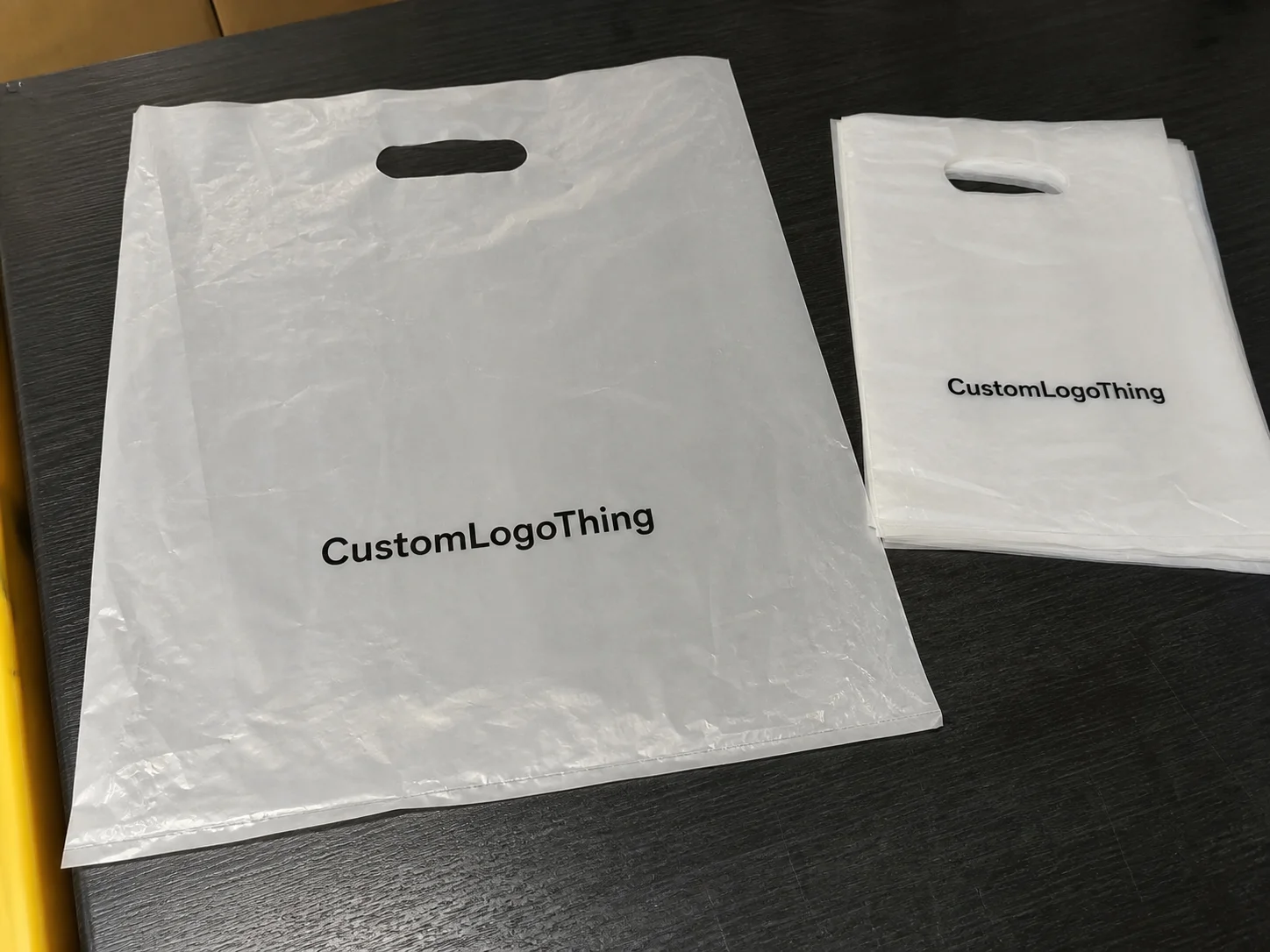
The fitness Brands Matte Poly Mailers warning label guide starts with a practical production issue: the mailer looks clean in the mockup, then the suffocation warning is too small, too light, or partly covered once the proof is reviewed at actual size. Matte poly mailers are useful for leggings, tees, socks, compression gear, bands, and lightweight accessories, but warning copy is not decoration. It affects artwork layout, shipping-label placement, barcode clearance, print contrast, fulfillment speed, and customer perception.
Requirements can vary by bag size, opening size, film thickness, destination, sales channel, and retailer prep rules. A direct-to-consumer apparel brand may use one printed warning setup, while wholesale or marketplace shipments may need alternate language, barcode handling, or label placement. Treat the warning as a spec item from the start, along with gauge, adhesive type, size, and finish.
“A matte mailer can look premium and still fail the job if the warning is buried under artwork or printed too lightly. Good packaging is the part you do not have to explain twice.”
Fitness Brands Matte Poly Mailers Warning Label Guide
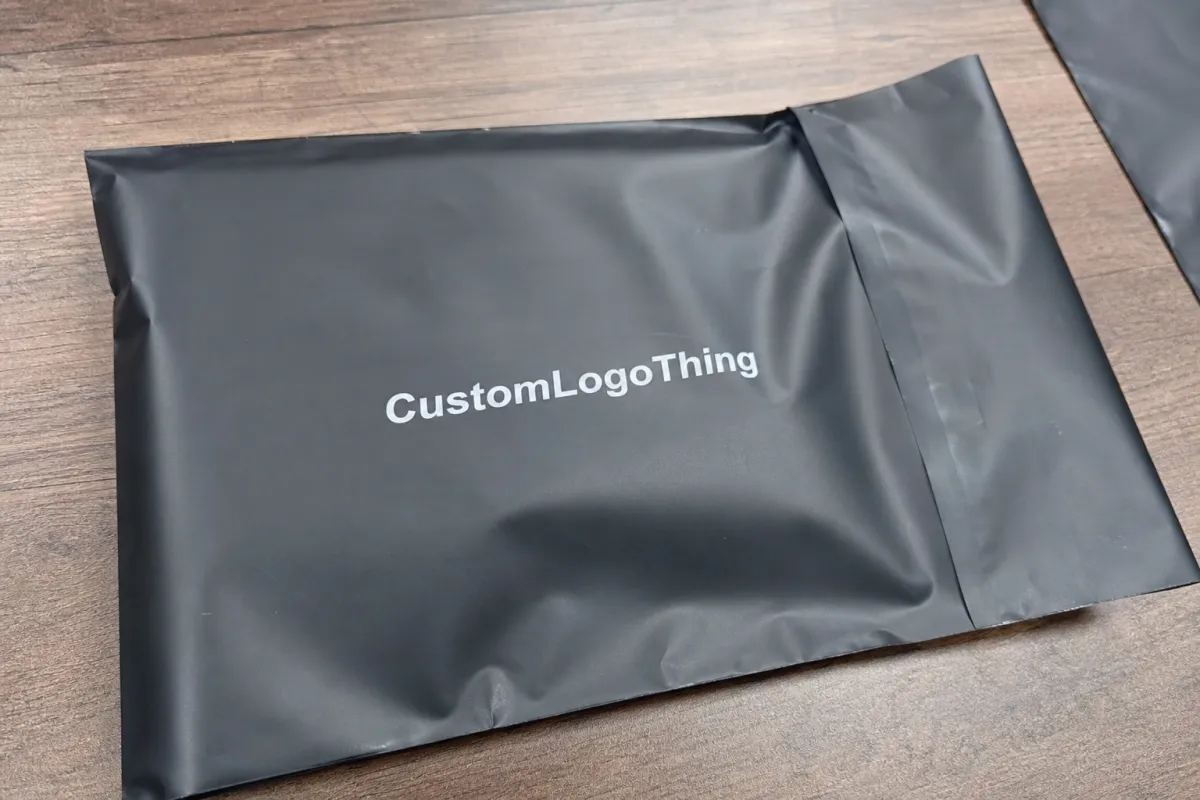
Matte Poly Mailers are typically made from co-extruded polyethylene film with an opaque body layer, matte exterior, permanent adhesive strip, and sometimes a return strip. For activewear packaging, the warning should be designed into the visual system instead of squeezed into leftover space. A sharp logo, muted ink, matte texture, and readable safety copy can coexist if the layout gives the warning a defined quiet zone.
The basic warning set often includes suffocation language. Choking hazard language may also be relevant when shipments include small accessories, detachable parts, sample packs, or bundled items. Resin identification marks, recycling marks, and sustainability statements should be verified rather than copied from a previous bag. If the brand is making recycling or material claims, compare the wording against resources such as the EPA recycling guidance and any state, retailer, or marketplace rules that apply.
The goal is not to make the warning visually dominant. The goal is to make it legible, stable, and hard to cover during packing, sealing, labeling, and shipment.
How Warning Labels Work on Matte Poly Mailers
There are two common ways to handle warning copy: direct print or an applied sticker. Direct print works best when the warning language is final, the same mailer serves the same channel, and volume supports custom production. Stickers work best when the brand is testing size, language, region, or fulfillment rules.
Direct printing gives the most finished look. The warning can be aligned with the logo, barcode area, return instructions, and shipping-label zone on one dieline. It also avoids skewed stickers, visible label edges, and extra handwork. On larger runs, the reduction in packing labor can matter as much as the visual improvement.
Sticker labels are useful for regional language changes, urgent corrections, short test runs, and programs where one base mailer supports several product lines. The tradeoff is consistency. Sticker size, adhesive strength, label material, and application position need to be specified so the finished mailer does not look patched together.
Matte surfaces require contrast testing. A glossy white warning sticker on a soft black mailer may look too harsh; a matte paper label may look better but can scuff or lift if the adhesive is not matched to the film. Clear labels can work only when the warning has enough contrast against the mailer color beneath it. For dark films, black-on-clear is usually not readable enough.
For teams sourcing Custom Poly Mailers, decide during the brief whether each SKU will use printed warnings, labels, or a hybrid system. If there are marketplace, wholesale, and DTC versions, name them clearly in the artwork file and purchase order. Ambiguous file names are a common source of packaging errors.
Key Specs Fitness Brands Should Confirm Before Artwork
Before artwork starts, lock the physical packaging spec: finished mailer size, usable internal space, film thickness, film color, opacity, seal style, and return-strip needs. A single tank top or sock order can often use a lighter mailer. Leggings, hoodies, sweat sets, and multi-item kits usually benefit from heavier film and better puncture resistance.
Film thickness may be quoted in mils or microns. Match the gauge to product weight, shape, packing pressure, and puncture risk. The cheapest film can wrinkle, split, or show contents; the heaviest film can increase cost and storage burden without adding useful value.
Opacity and contrast matter. Light mailers should be tested with dark garments inside. Dark matte films should be tested with the actual warning ink, barcode, and support text. Tone-on-tone artwork can look refined in a rendering but fail when someone needs to read the warning quickly on a filled bag.
Return features should be decided early. A dual-adhesive returnable mailer is helpful for apparel programs with frequent size exchanges, but it changes the flap area and affects where warnings, instructions, and shipping labels belong. Test the second adhesive and perforation with the actual packing flow.
Keep the warning away from seams, gusset folds, perforations, flap glue, tear strips, QR codes, dense patterns, and the carrier label zone. Review the mailer at actual size after it is filled and sealed, not only as a flat front-facing render.
- Mailer size: choose from packed dimensions, not flat garment dimensions.
- Film thickness: match the gauge to weight, shape, and puncture risk.
- Opacity: test show-through with real garments and normal lighting.
- Warning placement: keep it away from flap glue, seams, folds, and label zones.
- Print count: confirm how many ink colors are included in the quote.
- Finish: matte, soft-touch, and custom color films affect contrast and scuffing.
A one-page spec sheet prevents avoidable revisions. Include size, gauge, material color, ink colors, warning text, warning placement, barcode zone, shipping-label zone, sales channels, destination markets, and marketplace rules. Keep it with the approved dieline for reorders.
Process, Timeline, and Production Steps From Proof to Delivery
The production path starts with a brief: dimensions, material, print method, warning language, sales channel, quantity, and target delivery date. The supplier then issues a dieline or template, the brand places artwork, and proofing begins. Check scale, fold lines, flap direction, seam positions, barcode clearance, shipping-label clearance, and warning placement.
Warning copy should be final before proof approval. Even a small text change can affect type size, layout, or print plates. Digital print may be easier to revise, but it still needs version control. Plate-based printing can add cost and lead time if copy changes late.
Sampling usually falls into three categories. A stock sample confirms material feel and approximate finish. A blank size sample confirms fit, closure, and packing behavior. A printed proof confirms color, scale, artwork, and warning readability. Premium activewear programs usually benefit from at least a physical size sample and a print check, especially with dark matte films or small type.
Lead time depends on the full spec. Standard sizes with one or two print colors usually move faster. Custom film color, heavy ink coverage, return strips, multiple SKUs, special adhesive, separate warning labels, and freight method can add time. Ask suppliers to separate proofing time, production time, and transit time so the launch schedule is realistic.
Simple custom printed poly mailers may take a few weeks after final proof approval. More complex matte programs can take longer once sampling, revisions, production, packing, and freight are included. A low unit price can lose value if late compliance approval forces emergency shipping.
Before production, confirm the approved file name, warning text, version, quantity, ship-to address, packing format, and inspection standard. Those details are less visible than artwork but often decide whether the order ships cleanly.
Cost, MOQ, and Quote Factors for Custom Matte Mailers
Pricing is driven by finished size, film thickness, material color, print method, ink coverage, color count, adhesive features, order quantity, packing format, and freight. The warning itself is rarely the largest cost item if it is built into the print file from the start. It becomes more expensive when it requires a separate sticker, second handling step, reproof, or reprint.
Minimum order quantity is tied to production efficiency. Low quantities are often better served by stock matte mailers plus labels, especially while the brand is testing product mix or fulfillment rules. Larger volumes tend to justify direct print because the mailer looks cleaner, packing is faster, and warning placement is controlled in the artwork.
The ranges below are directional only. Real pricing will move with resin cost, volume, region, freight, currency, print process, and supplier capacity.
| Option | Typical Use | Indicative Unit Cost | Strengths | Tradeoffs |
|---|---|---|---|---|
| Stock matte mailer with sticker warning | Small runs, urgent changes, test launches | $0.18-$0.28 at 5,000 pieces | Fast to start, flexible language | More hand labor, less polished finish |
| Custom printed matte mailer | Core DTC shipping, repeat SKUs | $0.22-$0.38 at 5,000 pieces | Cleaner presentation, lower touch time | Requires final artwork and proof approval |
| Custom mailer with return strip and full coverage print | Premium activewear, exchange-heavy programs | $0.30-$0.52 at 5,000 pieces | Better customer experience, stronger brand feel | Higher MOQ pressure and longer setup |
Ask for tiered quotes at a test quantity, normal replenishment quantity, and larger scale-up quantity. This shows the cost curve and reveals whether the supplier included labels, application labor, freight, or special packing requirements.
Watch hidden costs: artwork revisions, reproofs, sticker application, emergency freight, storage, obsolete inventory, and reprints caused by missed warning requirements. If the warning is corrected after production starts, the real cost includes missed ship dates and extra labor.
For broader planning, compare mailers, shipping labels, inserts, hang tags, and other packaging components together rather than quoting each item in isolation. The Custom Packaging Products catalog can help teams see where the mailer fits inside the full packaging system.
Common Warning Label Mistakes That Hurt Compliance and Brand Feel
The most common mistake is treating the warning like a footnote. It gets tucked under the flap, placed across a fold, printed too lightly, or covered by the carrier label. A warning that looks acceptable on a flat proof may fail once the bag is filled and sealed.
Copying warning language from another project is risky. The bag size, destination, product type, or sales channel may be different. A warning used on an inner polybag is not automatically correct for an outer shipping mailer. A marketplace-compliant bag may not satisfy a retailer routing guide. Confirm the current use case before approving artwork.
Sticker programs need their own inspection rules. Define acceptable placement, orientation, adhesion, wrinkle limits, and label material. A crooked sticker may still be readable, but repeated inconsistency makes a premium package feel rushed. If packers apply labels during peak volume, include the added seconds per order in labor planning.
Fitness brands also tend to crowd the mailer. Logos, campaign lines, QR codes, social handles, return instructions, recycling marks, and barcode labels all compete for space. The warning needs enough room to remain readable after the bag is filled, folded, sealed, and labeled.
Marketplace prep rules deserve a separate check. Some channels specify bag warnings, barcode placement, product visibility, label position, or polybag thickness. If one mailer serves several channels, the artwork and label plan should identify which version goes where.
A master spec keeps reorders controlled. Store the current warning text, approved dieline, print file, material spec, label placement rules, and alternate channel versions in one place. For print-heavy systems, Custom Labels & Tags may be part of the same version-control plan.
Actionable Next Steps Before You Order Matte Poly Mailers
Start with the product, not the bag. Measure the packed dimensions of the actual activewear set, kit, or accessory bundle, including tissue, inserts, hangers, or inner pouches. Soft garments compress, but overstuffed mailers stress seals and make labels wrinkle. Oversized mailers look sloppy and let contents slide.
Decide how the mailer should function. One-way sealing is simple and efficient. A tear strip improves opening. A return strip can reduce friction for size exchanges, but it adds cost and changes the layout. Confirm returns are common enough to justify the feature before building it into the spec.
Build a real-size mockup before print approval. Place the logo, warning, carrier label, barcode, QR code, recycling mark, and return instructions on the same layout. Fold and seal the mockup as the warehouse will use it. Check what gets covered.
Sample the material if finish matters. Matte texture, opacity, ink density, scuff behavior, and label adhesion are difficult to judge on screen. For dark mailers, test the warning on the actual film color. For light mailers, pack a dark garment inside and check show-through.
Ask for quotes at two or three quantities and keep upgrades separate. Price the base mailer, then add return strips, alternate colors, added ink colors, sticker labels, and special packing as line items. This lets finance, operations, and brand compare value instead of only chasing the lowest unit cost.
Send one clean production brief: size, gauge, color, finish, print colors, warning language, placement preference, quantity, ship-to location, target in-hands date, packing requirements, and any marketplace or retailer rules. A tight brief reduces proof cycles and helps the supplier inspect the finished mailers against the right standard.
FAQ
Do matte poly mailers for fitness brands need warning labels?
Many apparel mailers require or are expected to carry suffocation warning language, especially when the bag size and opening create a risk. Requirements can vary by jurisdiction, marketplace, retailer, product type, and bag dimensions. Confirm the rule set before artwork is finalized.
Where should the warning label go on custom matte poly mailers?
Place it in a flat, readable area away from the adhesive flap, seams, tear strip, shipping-label zone, barcode, and heavy artwork. The back panel or a lower side panel often works if the text remains visible after packing and sealing. Review it at actual printed size.
Is direct printing or a sticker better for poly mailer warning labels?
Direct printing usually looks cleaner and reduces fulfillment labor on larger orders. Stickers work for small runs, urgent fixes, regional language changes, or test programs. For premium fitness packaging, direct print is usually better once language is final and volume supports it.
How much do matte poly mailers with warning labels cost?
Cost depends on size, film thickness, material color, print method, ink count, quantity, adhesive features, packing format, and freight. Adding warning copy into the print file may have little impact, while manual sticker application adds labor and time. Ask for tiered pricing to compare unit cost, MOQ, and inventory risk.
What should designers receive before creating matte poly mailer artwork?
Give designers the approved warning text, mailer dimensions, dieline, readability requirements, preferred warning placement, print colors, shipping-label zone, barcode location, and marketplace requirements. Include an actual-size mockup so they can avoid seams, folds, adhesive areas, and label conflicts.