A fitness bulk knit Beanies Factory Quote only helps if every line is priced against the same build. Compare a bare unit rate without cuff depth, stitch density, logo method, or freight terms, and the numbers stop being useful. They become guesses with better formatting.
The cheapest quote is often the one that forgot to mention what is actually being built.
What a fitness bulk knit beanies factory quote really buys
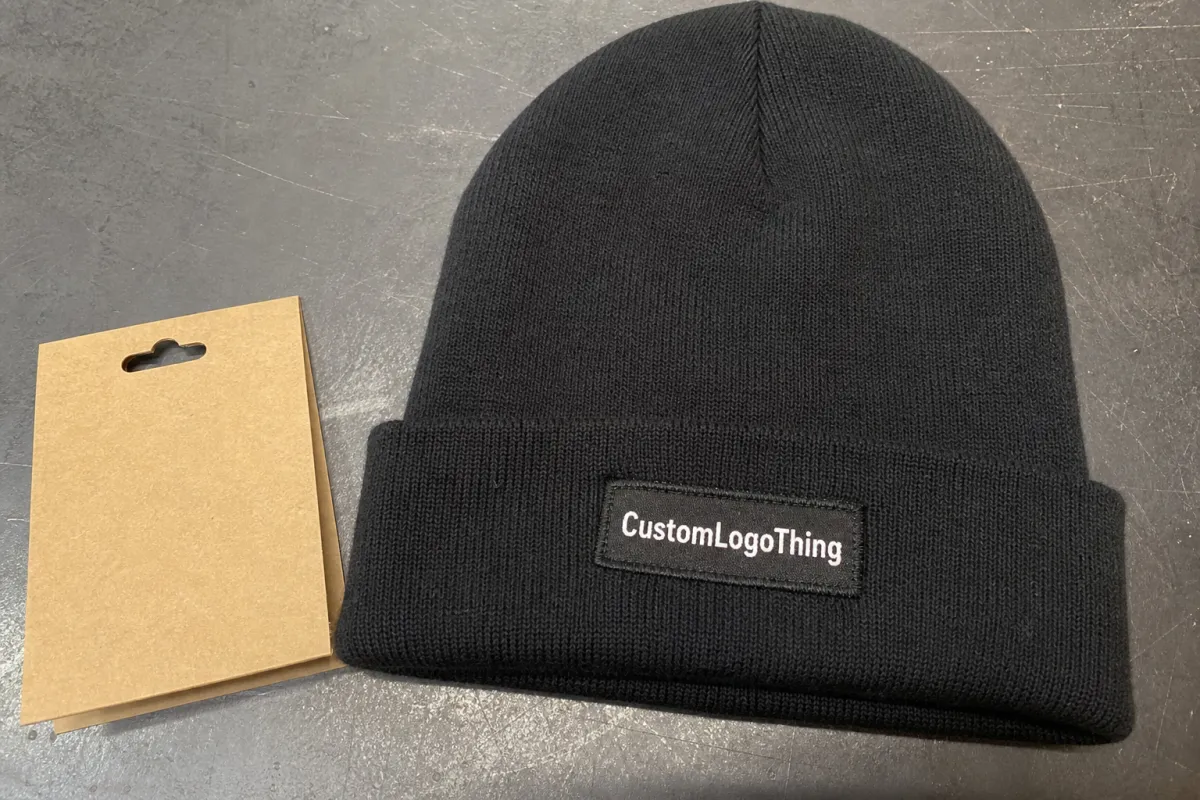
Buyers often treat a beanie quote like a simple commodity number. That works for a plain stock item. It falls apart fast once the order includes a logo, custom yarn, a specific fit, or retail packing. A proper quote is not just a price per piece. It is a description of the product, the approval path, and the assumptions behind the price.
That distinction matters because knit headwear is sensitive to small changes. A looser stitch can make the hat feel softer but also less structured. A shorter cuff may save material, yet it reduces branding space and can make the cap look unfinished. Even a 5 mm change in body length can change how the beanie sits on the head.
Two quotes can look similar and still describe different goods. One may include a 7-gauge acrylic body, a 7 cm cuff, one-color embroidery, and individual polybags. The other may price a looser knit, shorter cuff, woven label only, and bulk carton packing. The lower number is not automatically the better deal. It may just be a different product.
A clean quote should spell out the working details in plain language:
- Yarn type - acrylic, cotton blend, recycled polyester, wool blend, or a mixed construction.
- Knit structure - gauge, stitch density, cuff height, crown shape, and whether the style is cuffed, slouchy, or lined.
- Decoration method - embroidery, woven label, jacquard knit logo, sewn patch, or badge.
- Packing format - bulk pack, individual polybag, hangtag, size sticker, or retail insert card.
- Sample cost - samples may be charged separately, and that should not be buried in the unit price.
- Shipping basis - EXW, FOB, or DDP, plus whether duties and destination charges are included.
The shipping line is where many buying mistakes start. EXW can look low until export handling, inland trucking, freight, and destination charges show up. DDP can look expensive until the buyer realizes the quote already includes the costly parts. If the terms are not the same across suppliers, the comparison is noise.
There is also a hidden benefit to a precise quote: it shortens approval time. Less back-and-forth on the basics means fewer art revisions, fewer sample disputes, and fewer surprises once production starts. A buyer does not want to discover late in the process that the factory priced a lighter cuff or a smaller logo area than the brand actually needs.
Bulk knit beanie styles that fit retail, promo, and team use
Not every knit beanie suits every program. A fitness brand launching a winter collection usually needs a different silhouette than a gym handing out giveaway merch. Team use, retail drops, and event promos all put pressure on different parts of the product. Style choice should follow the use case first, then the price point.
Cuffed beanies are the safest all-around option. They give a stable branding zone, hold shape better, and make sizing less risky. For gyms, supplement brands, community races, and wellness events, the cuffed style is usually the easiest to approve because embroidery sits cleanly on the fold and the hat keeps a familiar profile after repeated wear.
Slouch beanies feel looser and more fashion-led. They can work for premium athletic labels or streetwear-influenced fitness brands, but they need tighter sample control. The drape changes from yarn to yarn and from stitch tension to stitch tension, so a sample that looks right on a tabletop can wear differently on a head.
Fleece-lined beanies solve a different problem: warmth. They are useful for colder markets, outdoor training, and winter campaigns. The lining adds comfort, but it also adds labor, sewing steps, and cost. It can slightly reduce stretch, which means the fit needs to be checked on more than one head size before approval.
Pom beanies are best for seasonal energy. They read playful and high-visibility, which helps at winter events and holiday promotions. The tradeoff is obvious. The pom competes with the logo. That is fine if the goal is a festive look. It is less ideal if the brand wants the logo to carry the entire message.
Low-profile gym merch beanies are often overlooked. A shorter crown and a less bulky silhouette can feel more modern than the standard ski-hat look. For fitness brands, that usually works better than a heavy, oversized cap that feels more like snow gear than training apparel.
Decoration choice should match the brand objective, not the decorator's favorite method:
- Embroidery for simple logos, a clean premium feel, and smaller runs.
- Woven labels for subtle branding and lower setup complexity.
- Jacquard knit logos for integrated branding and better consistency across repeat orders.
- Sewn patches for a more retail-driven look with visible texture.
Repeat-order programs benefit from stable decoration systems. Jacquard and woven labels usually hold up better across reorders because the logo is built into the construction or attached in a controlled way. Embroidery is flexible, but thread density, placement, and backing all need to be checked so the same artwork does not drift from one batch to the next.
Specs that change warmth, stretch, and logo quality
Specs are where the quote turns into something tangible. Color and style sound simple. The real product is built from yarn content, gauge, tension, and measurements. Miss one of those, and the approved sample can still behave differently in production.
Yarn content is the first major decision. Acrylic usually stays cost-controlled, feels soft enough for retail, and holds shape reasonably well. Cotton blends can feel more natural, but they are not always as warm and can lose structure faster if the knit is too open. Recycled polyester suits brands with a sustainability story, although handfeel depends heavily on the yarn finish and the knit density. Wool blends add warmth and a more premium touch, but they raise the price and can feel scratchy if the blend and twist are not balanced.
Gauge affects both appearance and performance. Tighter gauge knits usually feel denser and warmer. Looser gauge knits can stretch more and look more casual, but they also expose logo detail differently. For branded fitness headwear, the common range is roughly 5-gauge to 9-gauge, depending on whether the target is warmth, structure, or a softer drape.
Cuff height and body length shape the silhouette. A cuff around 6 to 8 cm is a practical range for logo visibility. Adult unisex body length often lands around 20 to 22 cm, though the exact size should be checked against a physical sample rather than assumed from a spec sheet. A hat that looks balanced in a rendering can feel shallow once it is actually worn.
Color is another place where problems hide. Solid-dyed yarn is easier to control than a heather effect, and Pantone matching is usually more predictable when the yarn base is plain. Heather yarn blends visual tones, so the apparent color can shift under different light. That is not a defect. It is the nature of the material, and buyers should price that into the expectation.
Fit should be chosen by audience, not habit:
- Adult unisex - the most flexible option and usually the least risky for bulk orders.
- Youth - smaller crown and reduced body length; never scale down adult measurements mechanically.
- Oversized - better for slouch looks, though the extra material affects warmth and unit cost.
Packing deserves the same level of attention as the knit itself. Bulk carton packing is the cheapest route and is often enough for internal distribution. Retail-facing programs may need individual polybags, insert cards, hangtags, or barcode labels. If the order requires special paper stock, request FSC-certified material before the first proof. If cartons need to survive long transit, ask for the packing method to be tested against practical transport conditions rather than guessed by eye. Organizations such as ISTA are a useful reference point for that kind of thinking.
Pricing, MOQ, and unit cost drivers buyers should check
Knit beanie pricing is usually straightforward once the real drivers are exposed. Materials, labor, decoration complexity, packing, and quantity all push the number. If a supplier gives a price without explaining those levers, the quote is incomplete.
The main cost drivers are easy to isolate:
- Yarn selection - acrylic is usually the most controlled on price, while wool blends and specialty recycled yarns cost more.
- Stitch complexity - jacquard colorwork, denser knits, and shaped crowns require more labor and more checks.
- Logo method - embroidery, woven labels, patches, and badges each carry different setup and attachment costs.
- Color count - more yarn colors mean more setup and more chances for mismatch.
- Packaging - individual bagging, inserts, hangtags, and barcode stickers all add time.
MOQ usually falls into two rough lanes. Basic stock-yarn styles may start around 100 to 200 pieces. Fully custom builds, especially those with colorwork, special shaping, or lined construction, often start at 300 to 500+ pieces. That is normal. Very low MOQs on highly customized knitwear usually mean something else is being simplified, often the yarn choice, the decoration method, or the packing standard.
Good comparison work means asking for quote breaks at several volumes. I prefer to see 300, 500, and 1,000 units. Those three points reveal whether the unit price actually improves at scale or whether the supposed discount is being erased by setup fees and packaging charges. A five-cent drop that comes with higher tooling or more expensive labels is not really a win.
The table below is best read as a planning range, not a promise. Yarn, decoration, and destination all move the number.
| Style | Typical MOQ | Common Unit Range | Best Use | Main Watch-Out |
|---|---|---|---|---|
| Cuffed acrylic beanie with embroidery | 100-200 pcs | $2.40-$4.20 | Promos, gyms, team giveaways | Logo space shrinks fast if the cuff is too shallow |
| Jacquard knit logo beanie | 300-500 pcs | $2.70-$4.60 | Retail drops, branded merch, repeat orders | Color control and artwork approval take longer |
| Fleece-lined or pom style | 300+ pcs | $3.80-$6.80 | Winter campaigns, outdoor training, seasonal events | More parts, more sewing, more sample checks |
| Premium wool blend with patch | 500+ pcs | $4.90-$8.50 | Higher-end retail, capsule drops | Price rises quickly if both the yarn and patch are premium |
Shipping terms change the economics more than many first-time buyers expect. A true FOB quote is not the same thing as EXW, and neither one matches DDP. If one supplier is quoting packed goods at the port while another is quoting from the factory floor, the lowest number is not comparable. Ask for sample cost, packing cost, and freight assumption to be shown separately so landed cost can be compared honestly.
That kind of quote clarity also helps a buyer spot inflated extras. If the unit price seems low but the sample cost is high, or the packing line is vague, the missing cost will usually reappear later. It is better to see the full structure early.
Process, sample approval, and production lead time
Knitted headwear has enough moving parts that the process matters. Artwork, yarn matching, stitch tension, decoration, packing, and final carton counts all create chances for delay. If the brief is vague or the buyer keeps revising details after sample approval, the schedule slips quickly.
The standard workflow usually runs like this:
- Brief and artwork review - the factory checks the logo, measurements, color references, and intended use.
- Digital mockup - placement, scale, and construction notes are shown before physical sampling starts.
- Yarn matching - stock yarn is confirmed or a custom shade is discussed.
- Sample build - the first sample shows fit, stitch quality, and decoration.
- Approval - once the sample is signed off, production begins on the full run.
- Packing and final inspection - carton counts, labels, and shipping marks are checked before dispatch.
Timelines are usually manageable if the buyer answers quickly. Sampling often takes 5 to 10 days after artwork and color references are confirmed. Production commonly takes 15 to 25 days after sample approval. Peak season, special yarn sourcing, or late revisions can push both windows longer.
The biggest delays are usually avoidable:
- Artwork arrives in the wrong file format.
- Pantone references are approved late.
- The buyer changes logo placement after the sample has already been approved.
- Packing details are still undecided after production has started.
Expediting is possible, but it carries tradeoffs. Faster work may raise labor cost, limit decoration options, or reduce the time available for a full sample check. If the deadline is fixed, say so early. A factory can plan around urgency. It cannot rescue a late decision cycle.
Why repeat-order buyers stick with one factory partner
Repeat buyers usually care less about chasing the absolute lowest quote and more about keeping the spec stable. That is rational. Knit headwear is sensitive to tiny differences, and tiny differences are easy to spot once a brand has already approved a look.
A cuff that is a little taller, a logo that sits a bit lower, or a knit that feels looser by a small margin can make a reorder look off even if the price is attractive. The product may still function, but it will not feel identical. For branded merchandise, that can be enough to hurt confidence.
Long-term factory relationships also improve quality control. On Bulk Knit Beanies, the checks that matter most are practical ones:
- Stitch count checks to keep density and shape consistent.
- Label placement checks so the logo sits where the approval showed it.
- Wash or wear testing for yarn mixes that may relax, pill, or distort.
- Carton count verification before shipment closes.
Communication is part of the value too. Fewer handoffs mean fewer translations, fewer misunderstandings, and fewer chances for the spec to drift between departments. A long chain of middlemen can make a simple knit order feel more complicated than it needs to be.
For seasonal programs, retail replenishment, or team drops that need consistency, the stable supplier often beats the new bargain. Prices move. Specs should not.
What to send for an accurate quote and next steps
If the goal is a useful quote, the brief has to describe the real product. Vague requests produce vague pricing. The cleaner the input, the cleaner the answer.
Send these details first:
- Target quantity - even a rough break at 300, 500, or 1,000 helps.
- Target price - a budget range is better than silence.
- Logo file - vector artwork is best.
- Pantone references - useful for yarn and trim color control.
- Material preference - acrylic, cotton blend, recycled polyester, wool blend, or open to options.
- Packaging style - bulk pack, polybag, hangtag, barcode sticker, or retail-ready format.
- Delivery country - shipping math changes quickly by destination.
- Target in-hand date - this keeps the schedule realistic.
If the spec is still open, ask for three versions of the same product: budget, mid-tier, and premium. That makes the tradeoffs visible without forcing the buyer to restart the conversation three times. It also shows where the cost jump actually comes from, which is usually more helpful than a single polished number.
Before approving anything, request line-item pricing and a sample photo. A rounded total can hide the cost of packing, sample work, or freight assumptions. Those details are not minor. They are usually where the surprise comes from.
What should a fitness bulk knit beanies factory quote include?
It should separate unit price, MOQ, and sample cost. It should also name the yarn, decoration method, packing style, lead time, and shipping basis. Freight and duties matter, so check whether they are included or excluded.
What MOQ is normal for bulk knit beanies with custom branding?
Simple stock-yarn styles often start around 100-200 pieces. Fully custom colorwork or jacquard builds usually need 300-500+ pieces. If the order matters, ask for pricing at several quantity breaks so the unit cost curve is visible.
How do I keep the unit cost low on fitness beanies?
Use one or two logo colors, keep the knit structure simple, and choose standard yarns where possible. Skip premium packaging unless the retail presentation truly needs it. The quickest way to inflate the price is to add detail that nobody will notice on a crowded shelf.
How long does sampling and production usually take?
Sampling often takes 5-10 days after artwork and colors are confirmed. Production is commonly 15-25 days after sample approval. Peak season, revisions, or complex decoration can extend both timelines, so leave a small cushion if the deadline is fixed.
What files do you need to get an accurate fitness bulk knit beanies factory quote?
Send a vector logo, Pantone references, target quantity, and preferred beanie style. Include packaging needs, ship-to country, and the target in-hand date. If a spec sheet already exists, send that too. It removes guesswork and keeps the quote grounded in the actual build.
A clean quote is easiest to approve when the spec is tight, the materials are named, and the shipping basis is clear. That is what separates a number a buyer can use from one that needs to be untangled later.


