event merch Bulk Knit Beanies lead time is usually manageable, but only if the order is treated like a production plan instead of a last-minute merch idea. Beanies are popular because they fit most adults, ship flat, and do not require size charts. The catch is that small changes in yarn, knit density, decoration, or packaging can alter both cost and delivery.
The fastest orders are the ones with a clear spec from the start: one logo, one placement, one packaging format, and a realistic shipping window. If artwork keeps changing after proofing begins, the calendar moves with it.
What buyers really need is a clean way to judge whether the style, price, MOQ, and finish make sense for the event. That is the focus here.
Why knit beanies stay useful long after the event ends
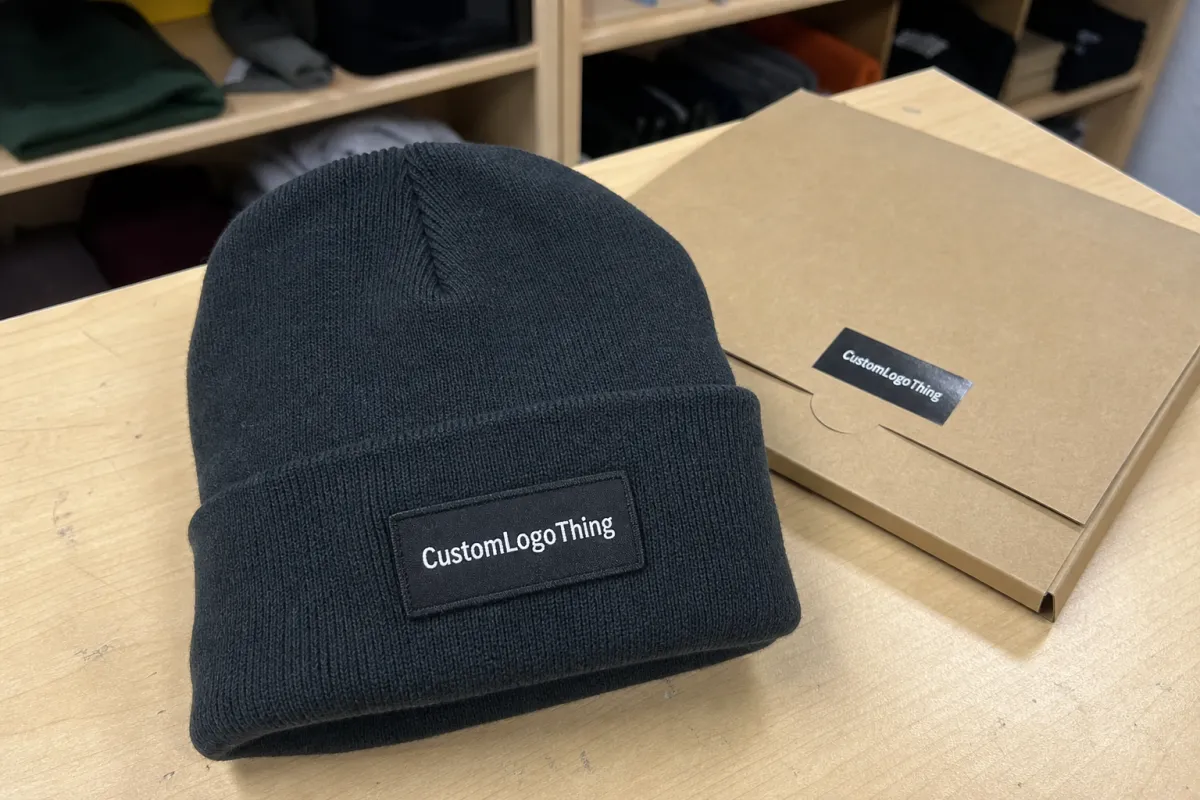
Knit beanies work because they solve a real problem. They are warm, easy to hand out, and simple to carry home. A practical item gets worn more often, which gives the brand more visibility after the event is over.
For winter conferences, campus programs, outdoor staff kits, and sponsor bundles, one style can usually cover the whole audience. That reduces sizing complexity and makes bulk ordering easier to manage. It also keeps inventory cleaner when the order needs to serve volunteers, attendees, and VIPs at the same time.
This is why lead time matters so much on beanie programs. Buyers often decide late, then try to compress proofing and production into a short window. That can work, but only when the design is simple and approvals are fast.
Yarn, knit structure, and decoration choices that affect the final look
Acrylic is still the most common yarn for Bulk Knit Beanies because it is cost-effective, comfortable enough for everyday wear, and easy to color match. Recycled acrylic blends can improve the materials story without pushing the order into a premium price band. Wool blends feel warmer and more traditional, but they usually raise cost and may need more careful handling.
The knit structure affects both appearance and readability. Rib knit is the common default because it stretches well and holds shape. A tighter gauge can sharpen logo edges, while a looser knit may feel softer but can blur fine detail. That is why small text and thin lines often fail in knit construction.
Decoration method is the main decision point. A jacquard knit-in logo gives the most integrated look and works best for bold shapes and simple art. A woven label is usually better for small logos or text-heavy marks. Embroidery patches and sewn badges add texture and give buyers a cleaner approval path when the artwork is too detailed for direct knitting.
In practice, the simplest design usually performs best. Reducing the color count, enlarging the key mark, or moving detail to a label often improves both the look and the schedule. That is not a compromise; it is how knit production stays legible.
- Jacquard knit-in works best for bold logos, repeated patterns, and a built-in retail feel.
- Woven label works best for small logos, fine text, and crisp edges.
- Embroidery patch works best when the buyer wants texture and a more premium finish.
- Sewn badge works best when the goal is visible branding with a straightforward approval path.
Bulk beanie specifications buyers should confirm before requesting a quote
The best quote starts with a complete spec sheet. Before requesting pricing, confirm the cuff style, fit profile, yarn weight, finished dimensions, logo placement, label type, and packaging format. Those details determine whether the order is a simple branded run or a more custom knit program with more setup.
Fit deserves attention because it affects wearability. Adult-only campaigns can usually use one standard shape, but youth programs, retail resale, and mixed-age events need more care. A deeper crown and good stretch tend to work across more head sizes, while a shallow fashion fit can look better in photos than it feels in use.
Artwork readiness also affects how quickly a job moves. Clean vector files, clear PMS targets, and simple linework help the proofing stage move faster. Gradients, tiny copy, and thin outlines are more likely to flatten in the knit. Buyers who send usable art early are also more likely to get a realistic answer on event merch bulk Knit Beanies Lead time.
Use case should be stated clearly. Staff issue, retail, sponsor kit, fan merch, and outdoor event handout all point to different packaging and presentation needs. If the beanies are going into retail channels, you may need hangtags, barcodes, or a more polished finish. If they are for internal distribution, a simpler spec usually saves time and money.
- Audience: adult, youth, or mixed to confirm fit and crown depth.
- Logo placement: cuff, body, patch, or label.
- Packaging format: loose packed, individual polybag, retail-ready insert, or bundled kit.
- Artwork format: vector preferred, with PMS targets if color matching matters.
- Use case: staff issue, retail, sponsor kit, outdoor event, or fan merch.
Pricing, MOQ, and unit cost drivers for custom knit beanies
Price is driven first by quantity and then by complexity. Yarn choice, decoration method, packaging, and whether the beanie is stock-based or fully custom all affect the number. A standard cuffed style with one logo placement will usually cost less than a multi-color knit with a woven label, hangtag, and individual bagging.
MOQ rises when setup becomes heavier. Simple branded styles can sometimes start around 100 to 300 units, while fully custom knit designs often need 300 to 500 or more. Larger quantities usually improve unit cost because the setup is spread across more pieces.
Buyers comparing options should look at the whole landed cost, not just the headline unit price. Freight, sampling, inserts, customs handling, and final delivery can move the total materially, especially on smaller runs. Ask whether sample charges are credited back and whether shipping is included or billed separately. For larger runs, our Wholesale Programs page is a practical starting point.
| Beanie option | Typical MOQ | Typical unit price | Common lead time | Best fit |
|---|---|---|---|---|
| Stock-inspired cuffed beanie with patch or woven label | 100-300 units | $3.20-$5.50 | 12-18 business days after approval | Fast-turn event merch, simple branding, smaller campaigns |
| Semi-custom jacquard knit with limited color count | 300-500 units | $4.50-$7.50 | 18-25 business days after approval | Conference kits, staff gear, winter promotions |
| Fully custom knit with higher detail or pom-pom styling | 500-1,000 units | $5.80-$9.80 | 25-35 business days after approval | Retail resale, fan drops, premium sponsor bundles |
If budget is tight, simplify the pattern before redesigning the whole order. Fewer colors, one decoration method, and a standard cuff often reduce cost faster than switching to a different build. That also helps keep production moving.
Event merch bulk knit beanies lead time and the production steps that shape delivery
event merch Bulk Knit Beanies lead time usually follows a predictable sequence: intake, artwork review, yarn selection, proofing, production approval, knitting, finishing, quality checks, packing, and shipping. The order can move quickly once those steps are locked, but the schedule depends on the buyer answering questions promptly.
Late artwork changes cause most delays, followed by unclear shipping instructions and extra proof rounds. A simple stock-style beanie can move faster than a fully custom knit pattern because it needs less setup. Add retail packaging, sponsor inserts, or split shipping, and the calendar tightens quickly.
For programs that care about carton labeling and presentation, it helps to think like a packaging buyer too. If the product will travel in kits or mailers, ISTA test methods are a useful reference point for transit planning: ISTA.
- Lock the art first: send vector files, PMS targets, and one approved logo placement.
- Choose the knit style: cuffed, cuffless, pom-pom, or patch-based.
- Confirm the packing plan: bulk packed, individual bagged, or retail ready.
- Add cushion time: leave room for a second proof, rework, or freight delays.
The safest timeline is the one with the fewest surprises. Stable artwork, a simple decoration plan, and shipping details finalized before production begins do more to protect the date than chasing a lower quote after the fact.
The cleanest schedules usually come from fewer surprises: stable artwork, a simple decoration plan, and shipping details finalized before production begins.
If the project includes hangtags or printed inserts, ask about FSC-certified paper for those components. The beanie itself is yarn-based, but the presentation materials can still support a more responsible sourcing story. For paper and board sourcing, FSC is a useful reference point.
Why buyers choose a packaging-focused partner for branded beanies
A packaging-focused partner looks at the whole finished order, not just the knit. That matters when the beanies are going into kits, retail, or sponsor bundles, because the folded insert, polybag, barcode label, and carton layout all affect how the product lands and how smoothly it ships.
Good production support should make tradeoffs clear before the order is placed. That means honest guidance on what can be made cleanly at scale, what artwork needs simplification, and whether the logo will still read well from a distance. Yarn color matching is not the same as print matching, so buyers should expect a close yarn match rather than a perfect ink-style one.
That early guidance prevents the most common failure mode: a product that technically meets spec but does not look right in hand. Strong vendors call out those issues before production starts, not after.
For larger programs, a partner already set up for Wholesale Programs usually moves faster on repeat specs because the team understands scale, carton planning, and distribution constraints. Clear quantities and artwork in the first message sharpen the response immediately.
What to send next to lock a clean quote and production plan
The best quote comes from one complete message. Send the event date, target quantity, logo artwork, preferred beanie style, desired colors, and ship-to location together. That gives the production team enough information to price the job without making assumptions.
List any must-have details up front: Pantone targets, label preferences, retail packaging, sponsor co-branding, or individual packaging for distribution. If the beanies are going into press kits, fulfillment kits, or VIP boxes, say so early because packing and carton logic may change before proofing even starts.
If you are comparing options, ask for a costed set of alternatives. A cuffed beanie, a higher-end knit, and a faster-turn stock style with the same logo can show where the real tradeoffs sit. That gives you numbers instead of guesses and makes it easier to compare value against presentation, not just unit price.
Keep the approval chain short. The event planner, brand manager, and operations lead should know who has final signoff before the first proof arrives. That single step can protect event merch Bulk Knit Beanies lead time more than almost anything else.
If the goal is a fast, usable quote, send the event date and artwork together through the contact page, then keep the design locked once the proof is approved. That is the simplest way to keep pricing honest and the finished beanies ready for the people who will actually wear them.
How long is the typical lead time for bulk knit beanies for an event?
Simple branded styles can often move in about 12-18 business days after approval, while more custom knit patterns usually need 18-35 business days. Artwork approval, yarn availability, finishing, and shipping distance all affect the schedule, so it is smart to build in extra time for proofs or freight delays.
What MOQ should I expect for event merch bulk knit beanies?
MOQ depends on construction, decoration method, and color count. A simpler cuffed beanie with a woven label or patch can start around 100 to 300 units, while a fully custom knit pattern usually needs a larger run. Higher quantities usually lower unit cost because setup is spread across more pieces.
Can bulk knit beanies match our brand colors closely?
Yes, but knit color matching depends on yarn availability and the limits of the stitch structure. The best approach is to share PMS targets early and approve a physical sample or proof before production starts. That keeps expectations realistic and reduces surprises on the finished lot.
What artwork works best for knitted logo beanies?
Clean vector art with bold shapes and limited detail usually translates best. Tiny text, gradients, and thin lines can disappear in the stitch pattern, especially on a folded cuff. If the logo is complex, a woven label or patch usually gives a better result than forcing detail into the knit itself.
How can I shorten the lead time on a custom beanie order?
Approve one logo placement, keep the color count simple, and choose a standard cuffed style if timing is tight. Send complete artwork, quantity, deadline, and ship-to details in the first message so the quote can move straight into proofing. Fast responses on proofs and color questions matter as much as production speed.


