Fitness Foam Trucker Hats Factory Quote for Bulk Orders
Bulk Foam Trucker Hats are popular because they are easy to brand, relatively simple to produce, and cost-effective at volume. Buyers usually want three things at once: a clean-looking cap, a price that fits the budget, and a timeline that does not drag. That makes the quote process less about style theory and more about the build details that affect cost, appearance, and delivery.
The category works well for gyms, fitness events, supplement brands, team merch, and giveaways because the front panel gives the logo room to read clearly. The mesh back keeps the cap light and familiar, while the foam front creates a bold surface that is easier to decorate than many other custom cap styles.
A low unit price only matters if the final cap still looks right after production and packing. If the front panel warps, the decoration shifts, or the color misses the target, the savings are quickly lost.
Why foam trucker hats are the easiest low-risk bulk cap order
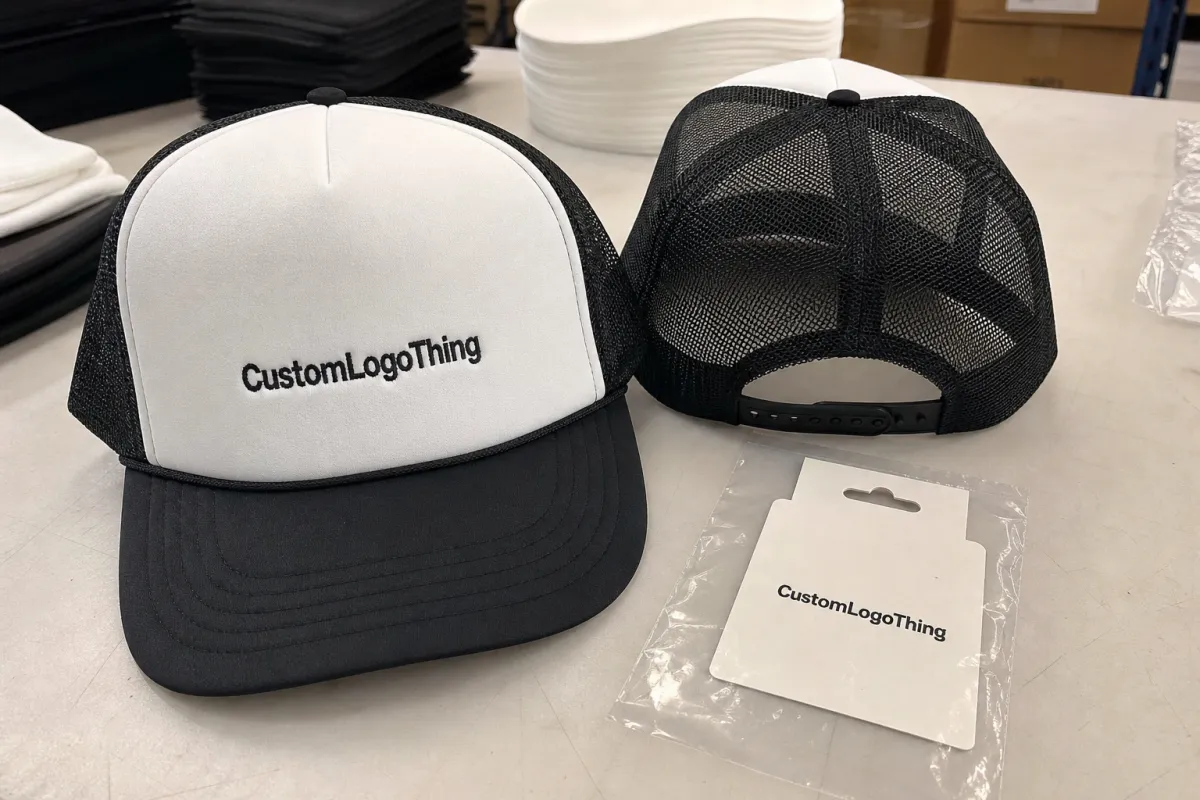
Most buyers start here because the style is familiar and forgiving. The front panel is flat enough for clear branding, the silhouette is easy to understand, and the production path is simpler than many structured fashion caps. That reduces both setup complexity and the chance of expensive revisions.
Compared with a soft unstructured cap, the foam front gives the logo a stronger frame. Compared with a premium custom cap, the build usually needs fewer specialized steps. That does not make the order automatic, but it does make it easier to quote and easier to repeat if the first run performs well.
For a first order, that lower risk matters. A buyer can test the design, confirm demand, and avoid locking into a highly customized build before the market is proven. If the cap sells through, the same spec can often be repeated with minor adjustments.
- Best fit for: gyms, fitness events, supplement brands, team merch, and giveaways
- Main advantage: strong logo visibility with controlled cost
- Production risk: lower than more complex structured caps
Foam front build, mesh back, and decoration options that actually work
The standard build usually includes foam front panels, polyester mesh back panels, a curved or flat brim, and a snapback closure. Those choices drive the feel of the cap and also affect price. A stock closure and standard mesh keep the order simple; custom trim or upgraded finishes add cost.
Foam thickness is one of the first things to confirm. Thinner foam is lighter and often cheaper. Thicker foam gives the front more presence, but it can feel stiff if the rest of the cap is not balanced. The front should hold shape without looking overbuilt.
Mesh selection also matters. Lighter mesh improves airflow and usually helps keep the quote lower. Denser mesh can improve the look and feel, but it can raise cost slightly. The sweatband is another small detail that affects comfort and final quality; a basic band works for promo use, while an upgraded band is better if the cap will be worn often.
Decoration should be matched to the artwork, not forced onto the cap because it is familiar. Screen print works well for bold, flat graphics. Embroidery adds texture and a more finished look, but foam fronts do not handle highly detailed stitching well. Patches are useful when the logo has small elements or needs a layered finish. Woven labels can work for smaller placements, but they are not the default answer for every design.
Color choice also affects cost and lead time. Stock black, white, navy, and red are usually easier to source. Custom Pantone matching is possible, but it can raise the MOQ and stretch the schedule. If color accuracy matters, say so early; if speed matters more, stock components are usually the better trade.
One common mistake is sizing the logo for a flat mockup instead of the foam panel. Fine lines, stacked text, and tiny copy often look weaker once they are placed on a curved crown. The design should be checked in the context of the actual panel, not only on screen.
Key specs to confirm before you request a sample
If you want a clean quote, send more than the logo. The factory needs the construction details that control cost and fit: crown height, panel depth, brim shape, closure type, size range, decoration method, and packaging preferences. A missing spec usually turns into a follow-up question, which slows the quote and increases the chance of a wrong assumption.
Fit deserves a real decision. A taller crown gives a stronger, more streetwear look. A lower crown feels more athletic and less bulky. Curved brims are generally safer for broad use. Flat brims can look sharper in some branded settings, but they narrow the audience. Those are not just style choices; they change how the cap wears.
Material questions should be specific. Ask about foam thickness, mesh density, sweatband style, and inside tape. If the cap is meant to be worn repeatedly, comfort matters more than the render suggests. Small upgrades can help, but they will show up in the quote.
Artwork should be ready before sampling starts. Send the correct file format, confirm the placement, and specify the imprint size. If the design includes gradients, thin lines, or layered text, that should be stated early so the factory can recommend screen print, embroidery, or a patch build before the sample is made.
Packaging is part of the spec, not a final note. Ask whether the hats will ship in polybags, with stickers, or as plain carton pack-out. For freight orders, carton strength and pack count matter because a weak pack-out can crush the front panel in transit. Many buyers also review transport-testing guidance from Packaging Alliance resources and ISTA standards when they need a more controlled shipment.
- Confirm first: crown height, brim curve, closure, and fit range
- Then confirm: foam thickness, mesh type, and sweatband style
- Finally confirm: artwork format, placement, and packaging method
Pricing, MOQ, and what drives your fitness foam trucker hats factory quote
A useful quote should break out the pieces that affect the total: unit price, sample charge, setup cost if any, packaging, and shipping. If everything is merged into one line, it is hard to tell what is flexible and what is fixed.
Quantity is the biggest pricing lever. After that comes decoration method, then material choices, then packaging. Stock components keep the price lower and make production faster. Custom colors, special closures, woven labels, and upgraded packaging all add cost because they require more setup or more labor.
MOQ depends on how many custom elements are in the order. For stock-component foam truckers with a simple logo, some factories can work around 300 to 500 pieces. If the order includes custom colors or more complex decoration, 1,000 pieces or more is more realistic. Smaller runs are possible, but the unit price usually rises because setup is spread across fewer hats.
A quick reference table helps compare common quote patterns:
| Option | Typical MOQ | Typical Unit Price Range | Best For |
|---|---|---|---|
| Stock foam front, 1-color screen print | 300-500 pcs | $1.60-$3.10 | Fast promos, events, simple brand marks |
| Stock foam front, embroidery or patch | 500-1,000 pcs | $1.95-$3.80 | Retail-style branding, cleaner finish |
| Custom color panels or custom trim | 1,000+ pcs | $2.30-$4.60 | Brand launches, tighter color matching |
| High-detail multi-location decoration | 1,000+ pcs | $2.80-$5.00 | Premium merch, detailed identity systems |
The ranges above are practical, not fixed. Material availability changes, labor changes, and order size affects efficiency. Still, they give a useful check: a simple logo on stock components should price below a cap with custom color matching, layered decoration, or premium finishing.
It helps to ask for two numbers: the minimum quantity and the next volume break. Sometimes the larger run is worth it because the per-unit drop is meaningful. Sometimes it is not. Either way, the comparison is clearer than relying on one quote and hoping the numbers improve later.
Production steps, lead time, and approval checkpoints
The process is usually straightforward: artwork review, quote confirmation, sample approval, bulk production, final inspection, and shipment booking. Delays most often come from revision cycles, not from sewing itself.
Quote response often takes 24 to 48 hours when the spec pack is complete. Sample development commonly takes about 5 to 10 days, depending on artwork changes and material availability. Bulk production after approval is often another 15 to 25 days for a standard run. Shipping is separate, so the full timeline should always be discussed on its own.
The sample is the key checkpoint. Use it to verify crown shape, logo size, color match, closure feel, and overall structure before the order moves into mass production. If there is a problem, fix it here. Making corrections after production starts is slower and more expensive.
- Changing artwork after sample approval
- Revising dimensions after the quote is locked
- Adding decoration after production starts
- Delaying Pantone confirmation until materials are already ordered
Packing should also be checked before shipment. If the hats are going by freight, the cartons need to protect the front panel without driving freight cost too high. A cap that is packed too tightly can warp; a cap packed too loosely is more likely to shift or crush in transit. Good packing is part of quality control, not an afterthought.
How we keep bulk cap orders consistent from sample to shipment
Consistency is the real test in bulk caps. A good sample means little if the final cartons drift away from it. Buyers usually want the first cap and the last cap to match closely, and that requires process control.
The sample should lock the front panel shape, decoration size, material match, and closure style. After that, in-line inspection catches issues before they spread through the run. Final inspection should confirm carton count, visible defects, logo placement, and color consistency. If the buyer wants a tighter standard, an AQL-style inspection is useful because it checks the order in a structured way rather than relying on a quick glance.
Common problems are usually practical, not mysterious: mixed mesh tension, shifted print placement, uneven foam cutting, and poor packing. None of those issues looks severe by itself, but together they create a shipment that takes time to sort out after receipt.
Factory-direct communication helps because fewer layers mean fewer chances for instructions to get distorted. If the color is off or the panel shape needs adjustment, the people making the hats can act on it faster when the feedback reaches them directly.
Packaging quality matters for the same reason. Cartons should match the weight of the order, pack counts should make sense for the cap structure, and the interior pack should protect the brim and front panel. The goal is simple: keep the sample and the shipment aligned.
What to send for a fast quote and the next action to take
The fastest way to get a usable number is to send the logo file, target quantity, color choices, decoration method, and deadline together. If the factory receives only a logo and a request for pricing, the missing details will come back as questions.
A reference photo helps a lot. If there is a preferred fit, brim curve, or panel profile, an image removes uncertainty quickly. If there is already a sample cap the buyer wants to match, photos of the front, side, and interior are more useful than a general description.
Ask for two breakpoints if possible: the minimum order and the next meaningful volume tier. That shows where the price softens and whether a larger run is worth the added spend.
- Confirm specs and decoration method
- Review the sample and correct issues early
- Lock the production slot
- Issue the purchase order and keep the timeline stable
The best quote is not just the cheapest one. It is the one that explains what is included, what changes cost more, and how long each step takes. That makes supplier comparison easier and reduces surprises once production starts.
FAQ
What do I need to send for a fitness foam trucker hats factory quote?
Send the logo artwork, desired quantity, color choices, decoration method, and target delivery date. Add packaging needs such as polybags or retail stickers, since those affect the total. If you want a closer match to an existing cap, include photos or a sample reference.
What is the usual MOQ for custom foam trucker hats?
MOQ depends on whether the order uses stock or custom components and which decoration method you choose. Simple stock builds can start around 300 to 500 pieces in some cases. Once custom colors or more complex decoration are involved, 1,000 pieces or more is more realistic.
Which decoration method works best on foam front trucker hats?
Bold logos usually work best with screen print, embroidery, or patches. Screen print is efficient for flat graphics. Embroidery gives a more textured finish but can struggle with very fine detail. Patches are often the safest option for more complex artwork.
How long does production usually take after sample approval?
Sampling often takes about 5 to 10 days, depending on artwork changes and material availability. Bulk production commonly takes another 15 to 25 days after approval for standard runs. Shipping time is separate, so the full timeline should be checked before the order is placed.
Can I get a sample before placing a bulk order?
Yes, and it is the right way to check fit, logo size, and color accuracy. Use the sample to confirm the hat shape, closure, and decoration placement before mass production starts. Ask whether the sample fee is credited back after the full order, because that policy varies by supplier.

