The fitness Private Label Beanies material guide matters because two beanies can look nearly identical on a product page and behave very differently on a head. One traps too much heat during warmups, another stretches out after a few wears, and a third pills so quickly that the logo starts looking more premium than the product beneath it. That is where returns, customer complaints, and awkward reorder decisions begin.
In fitness merch, fabric usually gets judged before branding does. Handfeel, stretch recovery, odor retention, and wash behavior show up fast. A buyer who treats the beanie as a blank canvas usually ends up with a product that looks fine in a mockup and performs poorly in the real world. The better approach is practical: define the job first, then choose the fiber blend, knit structure, and decoration method that can survive that job.
This guide focuses on the tradeoffs that affect comfort, cost, and production risk. Not trend language. Not generic style advice. Just the details that tend to decide whether a private label beanie becomes a repeat item or a one-season regret.
Why the wrong fabric makes fitness beanies return-heavy
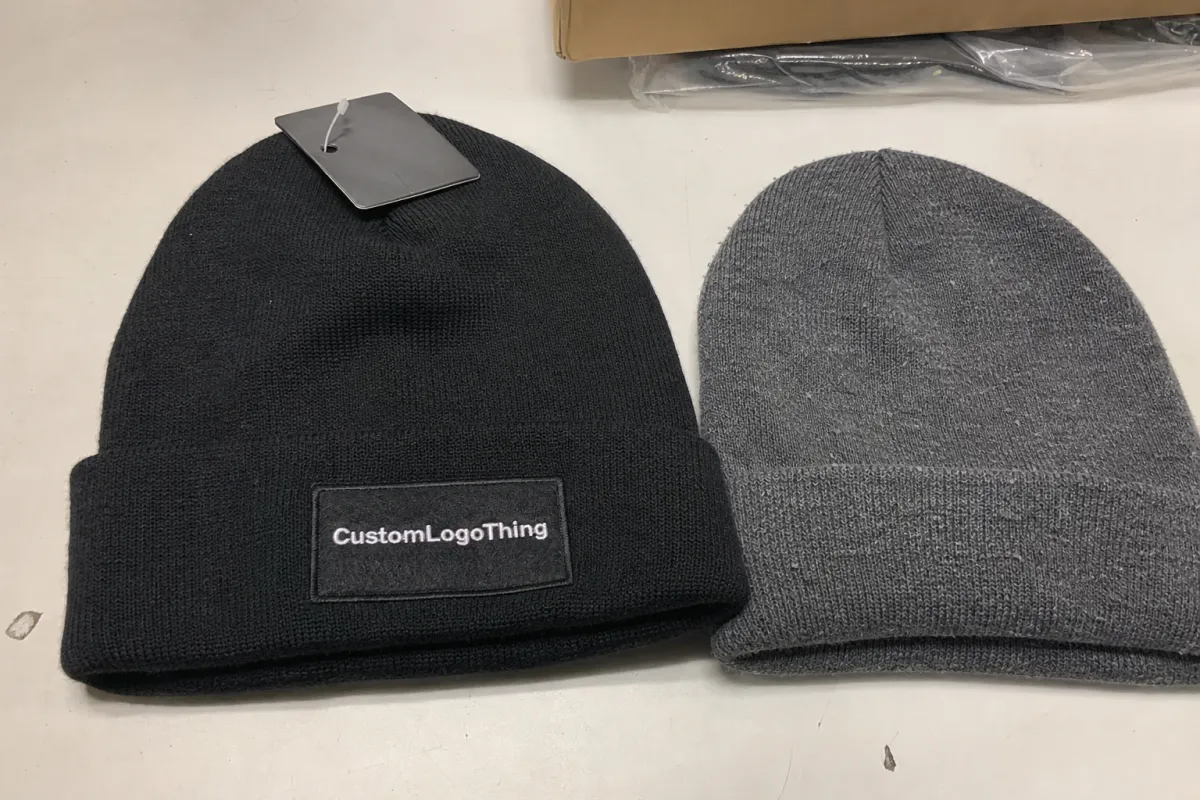
A beanie that feels acceptable in a sample box can fail quickly once it sees sweat, friction, and repeated wear. That is why a serious material guide starts with use behavior. Buyers often assume design drives the purchase, but the fabric drives the first impression. If the knit feels scratchy, overheats during a jog, or sags at the crown after one workout, the customer notices immediately.
Three issues show up again and again. First, heat retention: a thick acrylic knit may be ideal for winter drops but too warm for indoor training or shoulder-season runs. Second, wash drift: a fabric that twists, shrinks, or loses shape after laundering looks cheap even if the logo is clean. Third, handfeel mismatch: athletes usually expect softness with enough structure to stay put, while a stiff or coarse knit reads more like giveaway merch than branded gear.
There is also the simple matter of skin contact. Fitness buyers are less forgiving of rough yarns than fashion buyers are because the beanie is often worn during movement. A product can look expensive and still fail if the inner surface rubs at the forehead or ears. That is why edge finishing, seam bulk, and label placement matter almost as much as the fiber itself.
Buyer note: if a supplier cannot explain how the beanie performs after washing, pilling, and stretch testing, the quote is incomplete no matter how attractive the unit price looks.
Good buying decisions come from tying the fabric to a specific use case. A gym chain may want light warmth and clean branding. A cold-weather running label may care more about insulation, moisture handling, and recovery after repeated stretching. A line built for commuter wear may need a softer touch and a lower-profile silhouette. Same category, very different fabric targets.
How private label beanie production turns fabric specs into a finished product
Private label changes the sourcing process because the buyer is not just selecting a blank hat. You are controlling fiber blend, knit density, fit, branding, and often packaging presentation too. The factory owns the execution, but your spec sheet determines what that factory has to make.
The typical sequence is straightforward: yarn selection, knitting, washing or finishing, decoration, and packing. Each stage changes the final feel. Yarn choice sets the base softness and durability. Knit construction affects stretch, thickness, and airflow. Finishing can soften the hand, but it can also alter shrink behavior. Decoration has to work with the fabric, not fight it. Packing should protect the shape and preserve the first impression.
Buyers usually control more than they expect, but less than they imagine. Fiber blend, weight, color, label type, and packaging are often negotiable. Gauge can be constrained by the factory's equipment. Some yarns are easy to source in standard colors and difficult to match in custom shades. Trim options may be limited if the supplier relies on a fixed label library or a narrow patch vendor list. A factory can say yes to a request and still have to adjust the construction to make it work at scale.
That is why samples matter. A spec sheet tells you the nominal weight and blend. A sample tells you whether the beanie stretches cleanly, whether the logo sits flat, and whether the knit feels dense or airy in the hand. For buyers using Custom Labels & Tags, the sample also shows whether the label edge feels soft enough for skin contact and whether the placement interferes with wearability. Those details are small only until the first customer complaint arrives.
Material factors that shape comfort, odor control, and durability
Material selection is a balancing act. Acrylic is common because it is cost-effective, easy to dye, and available in a broad color range. It can deliver a soft, warm handfeel at a reasonable price, which is why it appears so often in branded winter beanies. The weakness is pilling, especially when the yarn is lower grade or the knit is loose.
Cotton brings a natural feel and good next-to-skin comfort, but it does not hold heat as efficiently and can stay damp longer. That makes it better for lifestyle merch or mild weather than for wet, high-output training. Polyester adds quicker dry performance and strong color retention. It is often used in blends where wash durability matters. Wool, especially merino blends, offers better warmth-to-weight performance and stronger temperature regulation, but it usually raises the unit cost and asks for more careful handling. Recycled blends can support sustainability claims, but they still need testing. A recycled yarn is only useful if it keeps its stretch recovery, color consistency, and abrasion resistance.
Construction details matter just as much as the fiber. Yarn thickness affects drape. Gauge affects breathability. A tighter rib knit gives better wind resistance and shape retention, while a looser knit feels lighter and can breathe a little easier. For fitness merch, that distinction matters because the same beanie may be worn before sunrise, during a warmup, and again on the walk home.
Buyers should ask for a few basic performance checks: pilling, stretch recovery, wash retention, and colorfastness. Standard textile labs often use ASTM-based methods for pilling and dimensional stability. Shipping and packing should be evaluated too, especially if the product is sold retail-ready or via e-commerce. Corrugated cardboard, kraft paper, recycled inserts, and FSC certified components can support a cleaner presentation, but only if the product still arrives in shape.
For reference, a useful spec sheet for a fitness beanie often includes fabric weight in GSM, blend percentages, cuff depth, crown height, seam type, and acceptable tolerances. Without those numbers, people start describing different products as though they are comparing the same one. They are not.
| Spec item | Common range | Why it matters |
|---|---|---|
| Fabric weight | 120-240 GSM | Controls warmth, bulk, and drape |
| Stretch recovery | Strong after repeated wear | Prevents bagging at the crown and cuff |
| Pilling resistance | Target based on use case | Affects how new the product looks after washing |
| Care behavior | Machine wash friendly when possible | Reduces customer friction and returns |
Fitness private label beanies material guide: matching fabric to use case
If the job is warmup wear, a midweight acrylic or acrylic-poly blend usually makes sense. It gives enough insulation for a cold gym entrance or an early-morning walk without feeling overly heavy once the wearer starts moving. For outdoor running, a lighter knit with polyester or another performance blend can work better because sweat control and quicker dry behavior matter more than maximum warmth. For winter training, a wool blend or denser rib knit usually earns its place, especially in colder markets where ear coverage and heat retention drive satisfaction.
For lifestyle merch, the bar shifts again. A softer cotton blend or brushed acrylic can create a cleaner retail feel, especially if the product sits inside a broader apparel line rather than a purely technical one. The value of a material guide is that it stops the buyer from choosing a fabric that fits the concept but not the actual use.
| Use case | Common material | Typical strengths | Watch-outs |
|---|---|---|---|
| Gym warm-up | Acrylic or acrylic-poly blend | Low cost, warm, broad color range | Can pill if the knit is too loose |
| Outdoor running | Polyester blend | Quicker dry, lighter feel, good wash durability | May feel less plush than wool |
| Winter training | Wool blend | High warmth, better temperature regulation | Higher cost and more care sensitivity |
| Lifestyle merch | Cotton or brushed acrylic | Soft handfeel, retail appeal | Less technical performance |
A simple decision matrix helps. If the wearer is likely to sweat moderately in cold weather, prioritize warmth and recovery. If the weather is mild but movement is high, choose lighter weight and faster dry. If the target price point is tight, keep the construction simple and invest in cleaner branding rather than chasing expensive yarns. Decoration should follow fabric choice, not the other way around. Dense embroidery on a thin, stretchy knit can distort the crown. A woven patch or a lower-profile label may serve the product better.
One practical distinction gets missed often: the same material can behave differently depending on stitch density. A 1x1 rib and a looser jersey knit may share fiber content but not the same customer experience. That is why asking only for "acrylic" or "polyester blend" is too vague. Blend plus construction is the real specification.
Cost, pricing, and MOQ: where material choices change unit cost
Material choice affects price in more ways than many buyers expect. Fiber type is the obvious variable. Acrylic usually sits below merino wool on the cost ladder. Polyester blends often stay competitive when the supplier can source standard yarns in volume. Recycled content can add cost if the yarn source is limited or if the factory needs tighter consistency controls. Dye method, knit complexity, finishing, and decoration all stack on top of that base.
For quote comparisons, ask for separate lines: sample cost, tooling or setup, bulk unit price, freight, and landed cost. Without those pieces, the numbers are noisy. Two suppliers can look close on unit price while one hides a higher sample charge or a longer freight route. That is especially true when custom colors are involved. Low-volume dye lots can push MOQ higher because the mill or knitting line has to dedicate more material to the run.
Decoration also changes economics. Embroidery is durable and familiar, but dense stitch counts add labor and may require a heavier knit for support. Woven labels are efficient for small logos and sharper type. Patches can create a more premium impression, though they add another component and another approval step. Direct knit-in branding looks clean and lasts well, but it depends on machine capability and usually limits fine detail.
For packaging-minded buyers, the outer presentation should be costed too. A beanie packed in kraft paper sleeves and corrugated cardboard mailers may cost more than a simple polybag, but the retail presentation is often stronger, especially if recycled materials or FSC certified paperboard are part of the promise. If the customer-facing copy mentions post-consumer waste or biodegradable packaging, confirm that the claim matches the actual components. Sustainability language without documentation creates more risk than value.
A practical pricing band, for planning purposes: simple acrylic private label beanies can often sit in the low single digits ex-factory at higher MOQs, while wool blends, specialty finishing, and premium decoration can move the number noticeably higher. Small runs usually cost more per unit, sometimes much more, because setup and sampling are spread across fewer pieces. The real comparison is landed price at the quantity you can actually sell, not the theoretical price of a large production run you may never place.
MOQ itself is not just a number on a quote. It is often tied to yarn sourcing, color matching, and packaging constraints. If the factory needs to buy dye lots or print labels in minimum quantities, that minimum can shape your purchase more than the beanie body does. Ask early whether the MOQ changes with custom color, custom trim, or retail packaging.
Process and turnaround: from sample approval to bulk production
The cleanest projects usually follow the same sequence: brief, fabric recommendation, sample, revisions, pre-production approval, bulk knitting, inspection, and ship. That sounds tidy on paper. In practice, the delays sit inside the details. A custom color match may add days. A revised logo placement can trigger a new sample. Wash testing takes time because the sample has to go through actual handling before anyone can trust the result.
Freeze the important decisions before bulk starts. That means the fiber blend, knit gauge, color references, decoration method, care label, and packing spec. Once production begins, changes usually cost more than they would at sample stage. That is not a trick. It is the reality of knitting and finishing runs where one alteration can affect the entire line.
For timing, build the calendar around the launch date, not around a hopeful factory promise. Sampling tends to take longest when artwork or color changes are still moving. Bulk production then depends on yarn availability and open machine time. Peak season can stretch every step, especially for winter accessories. A buyer planning a September launch should usually start earlier than feels comfortable.
Ask suppliers how they handle inspection and packing. A decent factory should explain how it checks size consistency, trim quality, and logo placement before cartons are sealed. If the shipment needs retail-ready presentation, the packing spec should be written clearly: individual polybag, kraft paper sleeve, hangtag, carton count, and any barcode requirements. Those details are mundane only until the first rework charge arrives.
For a realistic schedule, many private label beanie projects need two to four weeks for sampling, then three to six weeks for bulk production after approval, with longer lead times when custom yarns or complicated packaging are involved. That range is not a promise; it is a planning frame. Busy seasons, port delays, and late artwork revisions can stretch it further. Buffer belongs in the schedule from the beginning.
Common mistakes and next steps for a cleaner buyer brief
The biggest mistake is choosing the cheapest fabric before testing how it behaves. A low unit cost can hide higher return risk if the beanie pills, stretches out, or feels wrong on the skin. The second mistake is a decoration mismatch. Dense embroidery on a knit that needs movement can warp the fabric. A patch that looks sharp in a mockup may sit awkwardly on a ribbed crown. Fabric and decoration should be designed together.
Vague specs cause trouble too. If the buyer does not define weight, fit, care expectations, and intended use, then the quote will not be comparable. You may get three prices that look different but are actually quoting three different products. That is why a one-page brief beats a long, unfocused email thread. Keep it tight, then ask every supplier to answer the same questions.
Here is a cleaner buyer checklist:
- State the use case, target retail price, fit, decoration method, and care expectations on one page.
- Request at least two material samples so you can compare handfeel, stretch recovery, and warmth side by side.
- Ask for landed pricing with sample cost, freight, packaging, and tooling separated.
- Confirm MOQ and whether custom colors, trims, or packaging change it.
- Verify the production timeline before sample approval, not after.
If sustainability matters to your brand, ask for evidence rather than slogans. Recycled materials can be a real advantage, but only if the blend performs. The same goes for FSC certified paper packaging, kraft paper wraps, or corrugated cardboard cartons. Those details should support the product, not distract from it.
Used well, the fitness private Label Beanies Material guide is less about choosing a fabric and more about reducing surprises. Match the fiber to the wear pattern, test the sample like a customer would, and confirm the numbers before production starts. That discipline saves money in places that are easy to miss on the first quote and hard to recover from later.
Frequently Asked Questions
What is the best fabric blend for fitness private label beanies?
For sweat-heavy or high-turn use, polyester or acrylic blends are usually the safest starting point because they balance cost, warmth, and durability. Add wool when warmth matters more than quick dry performance. Whatever the blend, test stretch recovery before you approve bulk.
How do I compare fitness beanie material options by cost?
Compare yarn cost, knit complexity, finishing, decoration, and packaging separately. Sample pricing is often different from bulk pricing, so do not assume the first quote tells the full story. Ask for landed price so you can compare suppliers on the same basis.
What is a realistic turnaround for private label beanie sampling and production?
Sampling often takes longer when color matching or artwork changes are still being refined. Bulk production should begin only after the sample and specs are approved. Peak seasons, custom trims, and retail-ready packing can extend lead time.
Can recycled fibers work for fitness private label beanies?
Yes, if the blend passes pilling, recovery, and wash testing. Ask for performance data, not only sustainability claims. Blended yarns often give the best balance of feel, durability, and cost.
What should I ask before ordering custom fitness beanies?
Confirm fiber content, knit gauge, decoration method, MOQ, care label, and sample timeline. Ask what can change cost or delay the order. Request one spec sheet per option so quotes are easy to compare.


