Fitness Private Label Caps factory quote requests usually go wrong for a familiar reason: buyers ask for a price before the build is defined. Two caps can look nearly identical in a mockup and still land in different cost brackets once you specify a snapback instead of a strapback, a structured crown instead of an unstructured one, or embroidery instead of a TPU patch. The factory is not being coy. It is pricing the missing details.
That matters because caps sit in an awkward middle ground. They are simple enough to feel commodity-like, yet small changes in patterning, trims, and branding can move the cost more than many buyers expect. A plain 5-panel cap may look like a low-risk item, but add custom seam tape, a woven label under the brim, and retail packaging, and the quote starts to behave like a much more engineered product.
The best sourcing decisions come from a complete spec, not from a hopeful email asking for “best price.” That is the difference between a number you can budget against and a placeholder that falls apart after sampling. Speed helps, but accuracy protects margin.
Fitness private label caps factory quote: what moves cost first
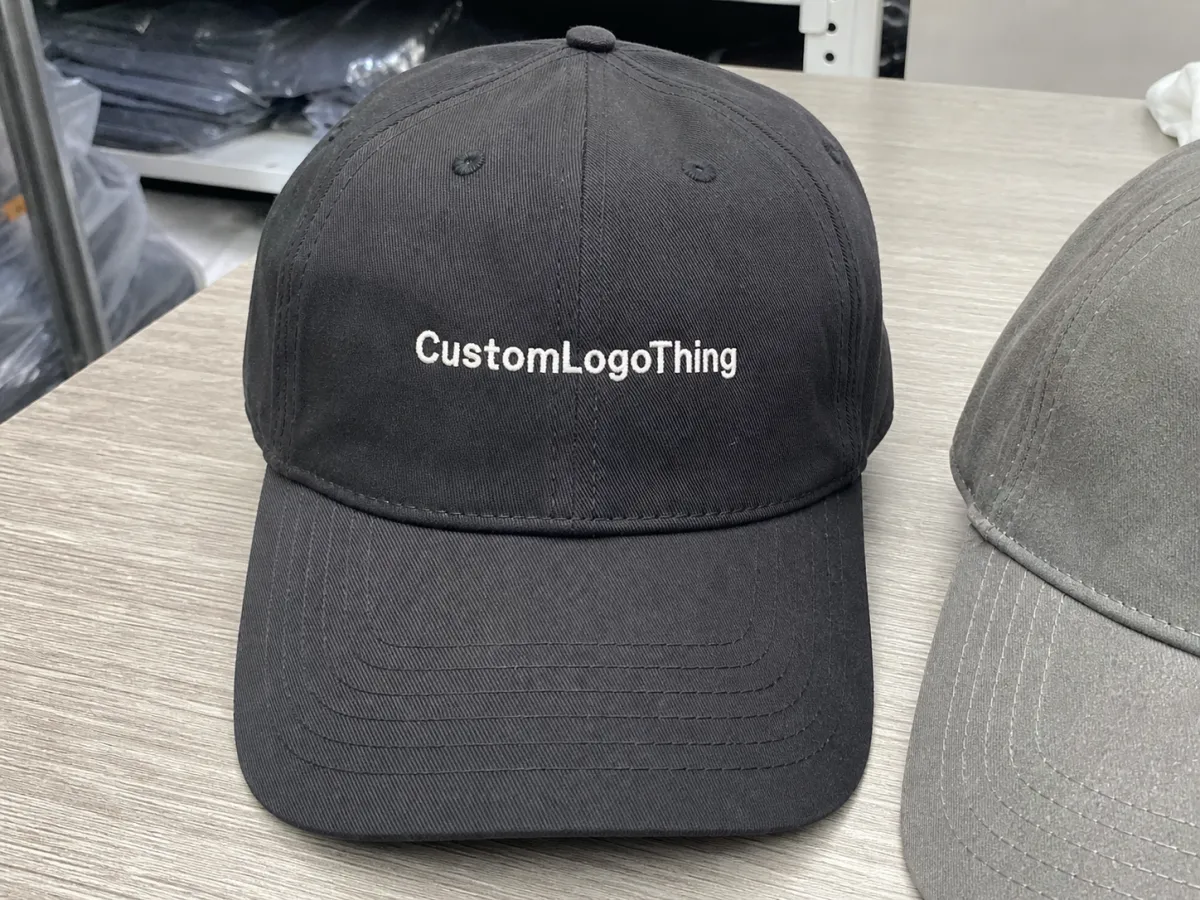
The first cost driver is usually construction complexity. A basic 5-panel cap with a low-profile crown, one logo position, and a standard snap closure is easier to price than a 6-panel performance cap with ventilation, a shaped visor, and a moisture-wicking sweatband. They may look similar on a product sheet. On the sewing line, they are not the same order.
Factories price labor steps, material usage, and reject risk. That is why a quote can jump by 10% to 30% once the buyer confirms a curved brim insert, multiple thread colors, or custom inside taping. If the logo is raised embroidery, stitch count matters. If it is a patch, the patch size, border finish, and attachment method matter. Every extra decision lands somewhere on the invoice.
General RFQs produce weak numbers because they leave too much open to interpretation. “Custom gym cap” is not a specification. A useful brief includes crown profile, panel count, fabric, closure, decoration method, quantity, delivery target, and packing requirements. Without those items, the supplier quotes a placeholder and waits for the details later.
Buyer rule: if the request can be written in one sentence, it is probably under-specified. A serious fitness Private Label Caps factory quote should survive sample revision, QC review, and reorder pricing without changing shape every time the artwork changes.
Quoted speed depends on how complete the brief is. A buyer who sends a clean spec pack can often get a usable quote in 24 to 72 hours, depending on artwork readiness and material availability. If the supplier has to chase five missing points, the clock slows immediately.
For simple run sizes, a basic embroidered cap at 500 to 1,000 pieces often falls into a broad ex-factory range of roughly $2.20 to $4.50 per unit. Add performance fabric, custom patches, complex packaging, or smaller MOQs, and the same style can move well above that. The number is not fixed; it is a function of the build.
Cap styles and construction details that change pricing
Cap style is the first fork in the road. A 5-panel cap usually has fewer pattern pieces and a cleaner front panel for graphics. A 6-panel cap tends to fit more naturally around the head, but it can require more stitching and tighter panel control. Structured crowns use internal support to keep the front panel upright. Unstructured crowns feel softer and can be cheaper to build, but they also change the way the logo area presents under wear.
Brim shape changes the quote as well. A curved brim may use standard shaping, while a flat brim can require a different insert and a firmer finish. Pre-formed brims are convenient for repeat orders, yet they can add cost if the factory sources them as a separate component. Small differences here affect labor time and reject rate, which is why a buyer should define the visor rather than assume the supplier will choose the obvious option.
Closure systems are another price lever. Snapback is common and easy to scale. Strapback can add comfort and a more premium feel, but the adjustment hardware often costs more. Velcro is quick to use, though some brands avoid it because it reads less premium. Fitted caps eliminate the closure entirely, but they force size runs and usually raise inventory risk. The closure is not a small detail. It is a business decision disguised as hardware.
Fitness-specific construction often adds functional value. Mesh panels improve airflow. Laser perforation can reduce heat buildup without changing the silhouette too much. Low-profile fits sit closer to the head and often sell better in training and running channels. Sweatbands made from terry cloth, polyester mesh, or moisture-wicking blends can improve comfort, but they also affect sewing steps and, in some cases, the return rate if the fit feels too tight.
There is also a practical tradeoff between appearance and tolerance. A cap with a rigid front panel and heavy embroidery may photograph better, while a lighter performance cap may wear better but show more variation from one piece to the next. Buyers should decide which problem matters more before production starts.
| Cap style | Typical buyer use | Quote impact | Practical note |
|---|---|---|---|
| 5-panel snapback | Streetwear and gym merch | Lower to mid | Simple pattern, good for bold front graphics |
| 6-panel structured cap | Retail private label | Mid | More stitching, cleaner shape, stronger shelf appeal |
| Performance mesh cap | Training and outdoor fitness | Mid to higher | Extra materials and ventilation steps can raise cost |
| Fitted cap | Premium or size-specific programs | Higher | Size runs add complexity and inventory risk |
Materials, trims, and branding specs to lock before sampling
Material choice influences both perceived quality and unit cost. Cotton twill is common because it is familiar, easy to source, and dependable for embroidery. Polyester performs well for athletic use, especially if the brand wants a lighter hand feel and faster drying behavior. Nylon can deliver a slicker surface and a more technical look. Recycled blends are increasingly used by brands that want a lower-impact story, though availability and shade consistency may vary from color to color. Performance mesh is useful where airflow matters more than a thick, structured finish.
The decoration method matters just as much. Embroidery remains the standard for durable logo identity on caps. Woven patches suit fine detail and can improve legibility for small marks. TPU patches and silicone patches create a more athletic, tactile look. Print can work on flatter surfaces and lower-profile caps, but it depends heavily on the artwork and the final fabric texture. Mixed techniques are common too: embroidered front, printed side mark, woven inside label. That combination usually raises the quote, but it can make sense if the brand wants the cap to feel more finished.
Small items add up faster than many first-time buyers expect. Inside labels, seam tape, hangtags, size stickers, and custom polybags all increase cost and lead time. A private label cap that ships in plain bulk packaging is not the same product as one folded, barcoded, and retail-ready. If the product is going to a chain store or an online launch, those details should be priced upfront.
Useful specs to lock before sampling:
- Cap style, panel count, and crown profile
- Fabric type, color reference, and finish
- Logo file, placement, size, and decoration method
- Closure type and any size range
- Packaging requirements and label details
- Delivery terms and target date
A clean spec sheet reduces back-and-forth and anchors the quote to the same file set the buyer used internally. If the buyer later asks for a more detailed packaging setup, that can be scoped separately instead of being left as an assumption. The more exact the brief, the less the supplier has to interpret.
File format affects speed too. Vector artwork, Pantone references, and clear placement diagrams help the factory quote faster and sample more accurately. A blurred JPEG on a cap front panel is a request for interpretation, not production. That might be acceptable for an early mockup; it is not enough for a reliable order.
There is a reason apparel buyers spend time arguing over finish, not just color. A brushed cotton twill with dense embroidery can read premium at retail, while a light polyester cap with a flat print might need stronger packaging to justify the same shelf price. Fabric, trim, and branding all shape the final perception, and perception is part of the cost structure whether teams admit it or not.
Cost, MOQ, and quote line items buyers should compare
A reliable fitness Private Label Caps factory quote should break out the real cost drivers. The headline unit price is only one piece. Setup or tooling fees, sampling charges, decoration fees, carton packing, and freight terms can each change the landed cost. If a supplier bundles everything into a single number, the quote is harder to audit and harder to compare.
MOQ changes the economics quickly. A lower MOQ is useful for a first launch or a test colorway, but the unit price usually rises because setup costs are spread across fewer pieces. Higher quantities often unlock better tier pricing on fabric, decoration, and packing, although not always on freight. A factory that prices 300 pieces the same way it prices 3,000 pieces is either missing a detail or giving up margin somewhere else.
For simple cap programs, many factories prefer MOQs around 300 to 500 pieces per color or style. Performance builds, special patches, and custom packaging can push that higher. Buyers Should Ask whether the MOQ applies per color, per logo, or per SKU. That distinction changes cash flow more than the number printed in the quote.
Here is the comparison buyers should ask for before deciding:
| Quote element | Why it matters | Buyer check |
|---|---|---|
| Unit price | Core product cost | Confirm fabric, decoration, and closure are identical across suppliers |
| Sampling fee | Shows the real cost of development | Ask whether it is refundable against bulk |
| Setup or tooling | Applies to patches, molds, or print screens | Clarify if one-time or per SKU |
| Packing cost | Affects retail readiness | Separate plain pack from custom pack |
| Freight terms | Changes landed cost materially | Compare EXW, FOB, and DDP carefully |
Approximate decoration add-ons are useful for sanity checks. Embroidery on a small front logo may add only a few tens of cents per piece. A woven patch often sits higher, and TPU or silicone patches can cost more again once tooling is included. The exact delta depends on size, stitch density, and whether the factory is making the patch in-house or outsourcing it.
The safest way to compare suppliers is to force the same assumptions. Ask every factory to quote the same fabric, the same logo method, the same quantity, and the same delivery terms. If one supplier quotes 1,000 pieces with packaging and another quotes 500 pieces without packaging, the numbers are not comparable. That sounds obvious, yet it is one of the most common mistakes in private label sourcing.
For shipping and transit, buyers should also ask whether cartons are tested against recognized transit standards such as ISTA protocols. That matters if the caps are packed with hangtags, inserts, or retail cartons that need to arrive in saleable condition. If the brand uses recycled paper hangtags or custom cartons, FSC-certified paper is worth requesting early rather than after the proof is approved.
Production steps and timeline from sample to shipment
The production path is straightforward, but delays usually happen where buyers assume nothing can go wrong. It starts with the brief, then moves to quote confirmation, digital proof, sample development, revisions, bulk production, inspection, and shipment. Every step has a decision point. Miss one, and the schedule slips.
Sampling is where most first-time buyers lose time. Artwork may need resizing, stitch density may need adjustment, and color matching can reveal that the original Pantone reference looks different under production lighting. One revision is normal. Two or three are not rare if the buyer is still deciding between a patch and embroidery or between a soft hand feel and a structured crown.
There is a timing difference that gets underestimated. A sample can move quickly because one technician is building one piece by hand. Bulk production is less forgiving because the factory has to source materials, schedule the line, and keep every piece within an acceptable tolerance. A sample that looks right does not guarantee a smooth 5,000-piece run.
Practical timing: sample development often takes 7 to 14 business days once the artwork is settled. Bulk production may take another 15 to 25 business days depending on quantity, decoration complexity, and whether materials are already in stock. Air freight can compress delivery, but it does not erase production time.
That is why buyers should separate sampling time from mass production time. They are not interchangeable. A quick sample does not guarantee a quick bulk run, especially if the approved sample uses a special patch, a specific closure, or a custom-dyed fabric that must be reserved in advance.
- Send the spec pack and confirm quantity.
- Review the quote and approve the build.
- Request a digital proof with exact logo placement.
- Approve the sample or submit one round of revisions.
- Lock bulk materials and production scheduling.
- Inspect the finished goods before shipment.
Delays also come from weak artwork files. If the logo has too many tiny details, embroidery may need simplification. If the buyer wants a gradient print on a textured fabric, the result may need testing before bulk approval. Honest factories will say this early. Less careful ones will promise everything and solve the problem after the order is already locked.
Quality control should not be treated as an afterthought. A practical cap inspection checks panel symmetry, crown height tolerance, seam alignment, logo placement, stitch count, color consistency, and the stiffness of the brim. If the order includes multiple colors, the factory should confirm whether shade variation is acceptable within the same run or whether each color needs separate approval. That detail matters more than the marketing copy surrounding the product.
What a reliable factory quote should include beyond unit price
A serious quote should read like a working production document. At minimum, it should include a specification summary, fabric list, decoration method, MOQ, sample policy, lead time, and shipping terms. If those elements are missing, the buyer is left comparing incomplete numbers instead of planning a real order.
Quality control details matter too. A dependable factory will note color tolerance, stitch consistency, logo placement checks, carton counts, and inspection steps. If the order includes multiple colors, the quote should clarify whether each color is treated as one style or pooled into a single MOQ. That distinction affects both cash flow and inventory exposure.
Red flags are easy to spot once you know them. One-line quotes, vague “all-in” pricing, and missing sample policy details are warning signs. So are suppliers who refuse to identify the closure type or decoration method in writing. If they cannot define the product in the quote, they may not be able to reproduce it in bulk.
A useful quote will often show where the risk sits. For example, it may flag that custom-dyed fabric needs a longer lead time, or that a patch with fine edges may require an extra round of sampling. That kind of honesty is better than a low number that quietly depends on perfect conditions. In production, perfect conditions are rare.
Direct factory communication matters most when the buyer needs repeat-order consistency, packaging coordination, or compliance documents. Reorders are where the best suppliers prove themselves. A cap that was acceptable in the first run should match the second run without a logo shift, a changed sweatband feel, or a shade drift that was never mentioned. Buyers building a private label line should ask for a quote format they can reuse later, because continuity is often more valuable than a slightly lower first price.
It also helps to know what not to over-specify. Excessive detail in the wrong place can slow the quote without improving the product. A cap does not need six different logo placements if one strong front mark carries the design. A clear, restrained spec often produces a better result than a crowded one. That is a design decision and a sourcing decision at the same time.
For technical packing or transit planning, the buyer should understand which standards the supplier actually follows. If a factory references ISTA testing or carton drop checks, ask what level they use and whether the packaging spec has been validated on similar shipment routes. That is practical due diligence, not paperwork for its own sake.
Next steps to request an accurate private label caps quote
The fastest way to get a usable number is to send a short, structured brief. Include cap style, logo file, target quantity, preferred material, closure type, packaging needs, and delivery deadline. If the brand is undecided between two constructions, ask the factory to quote both. That comparison often exposes a smarter way to hit margin without changing the product’s core look.
It helps to request two or three pricing options rather than one. For example: a basic embroidered version, a patch-based version, and a more premium packaged version. That gives the buyer a clearer read on where the cost is coming from. Sometimes the move from embroidery to woven patch is only a few cents. Sometimes the packaging upgrade changes the total enough to matter at retail.
Before bulk production, request a pre-production sample. Not a photo. Not a rendering. A physical sample. That is the point where branding, fit, and hand feel can be confirmed together. It is also where a buyer can catch small issues, such as a logo sitting too low on the front panel or a sweatband that feels too stiff for a training cap.
Checklist:
- Define cap style, panel count, and closure
- Specify fabric, color, and decoration method
- State quantity, target lead time, and ship-to terms
- Ask for sample cost, setup cost, and packaging cost separately
- Request a pre-production sample before bulk approval
That is how buyers keep the process tight. A fitness private label Caps Factory Quote is only useful if it reflects the real build, the real MOQ, and the real timing. Get those three right, and the rest becomes a sourcing decision instead of a guessing game.
What do I need to send for a fitness private label caps factory quote?
Send the cap style, quantity, logo artwork, target material, and preferred decoration method. Add delivery terms, packaging needs, and any brand color references you want matched. The more complete the spec sheet, the faster the factory can return a usable price.
How does MOQ affect private label cap pricing?
Lower MOQs usually raise unit cost because setup and labor are spread across fewer pieces. Higher quantities can unlock better tier pricing on materials, decoration, and packing. Ask each factory to quote the same quantity so the comparison stays fair.
Which decoration method is best for fitness caps?
Embroidery works well for durable, premium branding on structured caps. Patches can add texture and may be easier to place on curved surfaces. Print may suit lightweight performance styles when a flatter logo finish is preferred.
How long does sampling and production usually take?
Sampling often takes longer than buyers expect because artwork, colors, and fit may need revisions. Bulk production usually starts after sample approval and material confirmation. The fastest schedules come from clear specs, fast feedback, and stable branding files.
Can I include packaging in the same caps factory quote?
Yes, but you need to specify the exact packaging style, such as polybag, tissue wrap, or custom box. Packaging can affect both cost and lead time, especially if printed materials are involved. Ask the factory to separate packaging from unit cost so the quote stays readable.

