Fitness Retail Merch Caps Bulk Order: Buying Guide
A fitness Retail Merch Caps bulk order needs to perform like a sellable product, not a giveaway. The cap has to keep its shape on a shelf, hold up through repeat wear, and still make the brand look deliberate after shipping and handling. That changes every sourcing decision, from structure to decoration to packing.
Buyers usually get the best results when they focus on the details that affect sell-through: crown shape, logo readability, comfort, and whether the cap feels premium enough to sit beside apparel at a higher price point. Those are the specs that protect margin.
Why Retail Caps Beat Cheap Giveaways
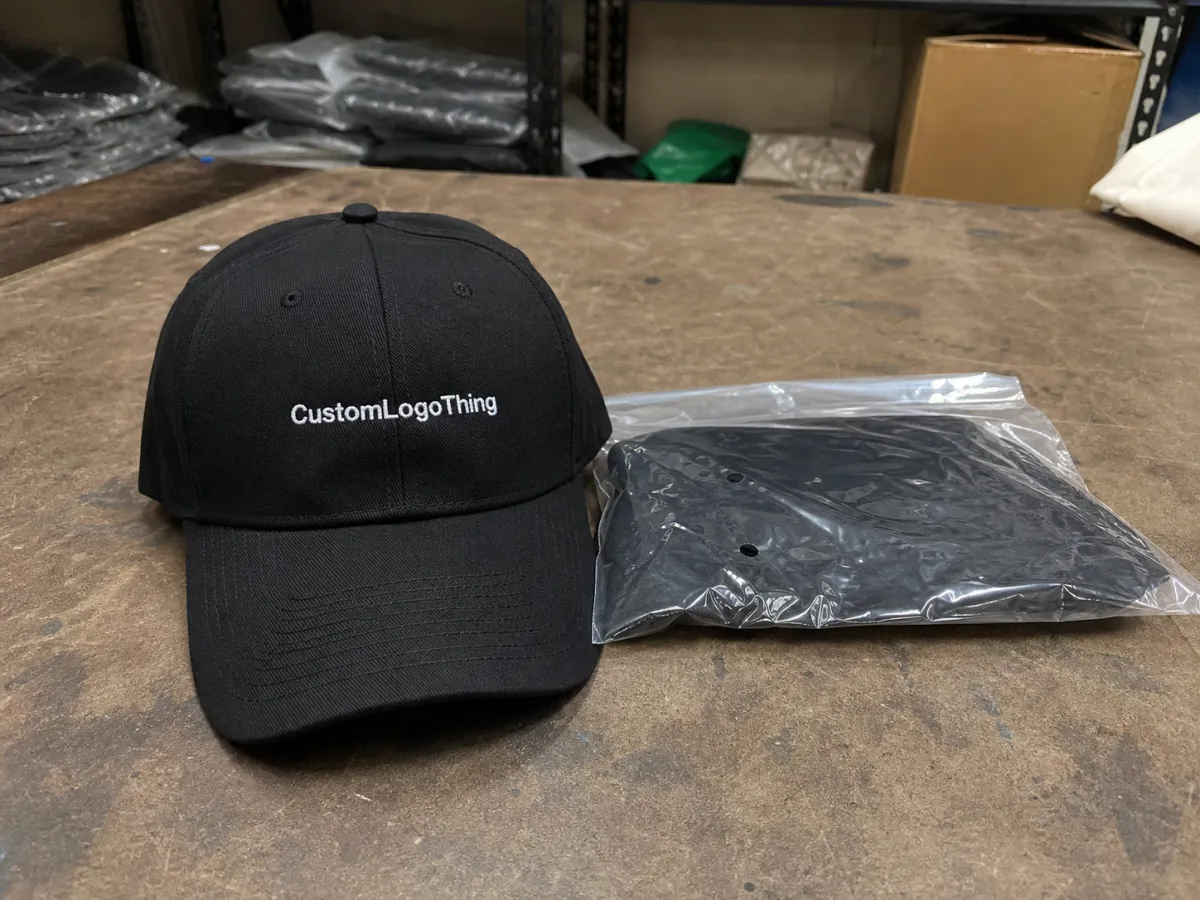
Cheap promo caps tend to fail in predictable places: weak front structure, thin fabric, poor alignment, and closures that feel disposable. Retail caps need the opposite. They should look clean under store lighting, photograph well, and still feel intentional after a gym bag or shipping carton has flattened them.
That matters because the buyer is not just purchasing inventory. They are buying confidence in the product. A cap that displays well usually sells faster than one that looks tired before it reaches the shelf. In a low-ticket category, a small difference in perceived quality can decide whether a customer picks it up.
A stronger cap also earns more wear. Members keep wearing items that fit well and keep their shape; weak caps disappear into the back of a drawer. Better construction turns one sale into repeated visibility for the brand.
If the cap cannot look deliberate after shipping and shelf time, it is not retail merch. It is a giveaway with a markup.
Consistency also matters across locations and reorders. Matching crown shape, logo size, and color keeps the program tidy. Too many styles in one drop usually create display problems and slow-moving stock, especially when the audience is comparing the cap to higher-end athleisure.
Cap Styles That Fit Gym Shelves, Staff, and Members
Style changes how the cap reads before anyone touches it. A structured front feels premium and stable. A relaxed cap feels casual and lifestyle-driven. A trucker cap signals ventilation and a more outdoor or summer-oriented audience. In a fitness setting, those cues affect how the merch competes with other retail items.
| Cap style | Best use | Decoration fit | Retail behavior |
|---|---|---|---|
| Structured 6-panel | Retail shelf, staff wear, premium merch | Embroidery stays clean and centered | Stable silhouette, easiest to merchandise |
| Low-profile dad cap | Casual retail, member drops, lifestyle branding | Works well with smaller logos and patches | Relaxed fit, softer visual profile |
| Trucker cap | Event bundles, outdoor fitness, seasonal promos | Strong front panel, mesh back reduces heat | Easy summer sell, less premium than full fabric caps |
| Snapback | Youth-oriented retail, streetwear crossover drops | Good for bold logos and graphic lockups | Sharp look, more style-specific than the others |
Structured 6-panel caps are usually the safest starting point for a fitness retail program. The front panel holds embroidery well, the shape reads neatly on a shelf, and the silhouette feels more like a true retail item than a promo cap. Low-profile dad caps work better when the brand wants a softer, less athletic look.
Trucker caps fit outdoor training groups, summer launches, and brands that lean into recovery or travel. The mesh back improves ventilation, which helps if the cap will be worn in warm conditions. Snapbacks still have a place, but they skew more style-specific and can narrow appeal if the audience is broad.
The mistake is ordering too many silhouettes. A small retail program usually sells better with one core shape and one secondary option. Too much variety makes display planning harder and can leave the buyer with colors that do not justify the space they occupy.
Specs That Control Shape, Fit, and Logo Readability
Specs decide whether the cap feels finished. Mockups often hide the weak points: crown depth that fits awkwardly, panels that collapse, stitching that distorts the logo, or closures that feel cheaper than the rest of the product. The production sheet should lock down panel count, crown profile, brim shape, closure type, fabric weight, and packaging.
Panel count changes both silhouette and decoration surface. Five-panel caps give a larger uninterrupted front area, which can help bold graphics or patches. Six-panel caps split the crown more naturally and usually produce a cleaner retail shape for embroidered logos. For fitness merch, that cleaner shape often matters more than extra print space.
Crown depth affects fit more than most buyers expect. A low-profile cap usually sits around 10 to 11 cm at the front, a mid-profile cap around 11.5 to 12.5 cm, and a high-profile style goes deeper still. Lower crowns often look more polished on a shelf. Deeper crowns can fit more head shapes comfortably. The right choice depends on whether the cap is for staff, members, or general resale.
Brim shape affects the mood of the piece. A pre-curved brim feels easier to wear and more everyday. A flat brim reads sharper and can work for a younger, streetwear-friendly audience. If the cap is meant for the front desk, pre-curved is usually the safer bet. If it is part of a limited drop, flat can make it feel more intentional.
Embroidery is where many retail caps get compromised. Small lettering, thin lines, and crowded logos can lose clarity once stitched. A front logo in the range of roughly 4,000 to 8,000 stitches is common for a retail cap, but the right count depends on size and detail. More stitches are not automatically better; they can add cost and increase the risk of puckering on softer fabrics.
Closures deserve the same attention. Strap-back closures usually feel cleaner than low-cost plastic hardware. Snapbacks are fine for a younger line. Hook-and-loop closures are practical for staff wear but can feel less premium in a retail setting. If the cap needs to fit many people, adjustability matters more than exact sizing.
Fabric and finish matter too. Very light cotton twill can feel soft but may not hold a structured front. Heavier twill, brushed cotton, or blends with more body tend to keep shape better. If the cap includes a sweatband, inspect that as well; a rough internal finish can make an otherwise good-looking cap unpleasant in wear.
Packaging changes the retail impression more than buyers expect. Hang tags, insert cards, and carton sleeves make sense when the cap is positioned as retail product rather than staff gear. If paper goods are used, ask whether the stock is FSC-certified and whether the outer carton can survive transit without crushing the crown.
Cost, Pricing, and MOQ for Retail Cap Orders
Cap pricing is rarely just blank cap plus logo. The final number reflects blank quality, decoration method, stitch count, packaging, color matching, and how many revisions happen after the first proof. Two orders that look similar on paper can price very differently once the spec is locked.
For a retail cap bulk order, minimum order quantities often land around 100 to 300 pieces per style or color. Simpler stock caps can sometimes start lower. Once custom fabric, specialty trim, or retail packaging enters the spec, the MOQ usually rises because setup costs have to be spread across the run.
Useful pricing ranges for planning:
- Simple embroidered cap: about $3.50 to $6.50 per unit at moderate volume.
- Retail-focused structured cap: about $4.50 to $8.50 per unit when the blank and trim are better.
- Premium cap with patch, custom label, or specialty packaging: about $7.00 to $12.00+ per unit.
Those numbers move with quantity, labor conditions, and material choice, but they are useful for budget planning. A 300-piece order usually costs more per cap than a 1,000-piece run. If the design is likely to reorder, larger volume can lower long-term cost even if the first buy is harder to approve.
The hidden line items are what often surprise buyers. Digitizing, sample development, custom labels, hang tags, carton printing, and rush production can add meaningful cost. Digitizing is usually a one-time charge, but it should still be transparent. Sample fees are normal if the cap is custom or the decoration method is not standard.
Freight matters too. A cap program that looks inexpensive at the production stage can become less attractive once shipping, customs, and carton packing are added. Buyers who forecast total landed cost usually make better decisions than buyers who only compare factory pricing.
Production Steps and Timeline for Bulk Cap Orders
A reliable production flow usually follows the same sequence: brief, artwork review, digital mockup, sample, approval, bulk production, inspection, packing, and shipment. If a supplier cannot explain those steps clearly, the order is going to depend on luck. Retail programs need dates and checkpoints, not general promises.
A realistic timeline often looks like this: 1 to 2 business days for art review, 1 to 3 business days for a digital mockup, 5 to 10 business days for a physical sample if materials are available, and 10 to 20 business days for bulk production after approval. Add inspection time and freight on top of that. Custom packaging can add a few more days.
The quickest orders usually start with clean inputs: vector artwork, one logo placement, confirmed color references, and a quantity split by style or color. Every extra revision introduces delay. Packaging changes made late in the process are especially expensive because they affect labels, carton markings, and packing instructions.
The sample stage is where most problems should surface. Check crown height, front stiffness, stitch density, logo scale, and closure feel. If the sample feels too soft, too deep, or too tall, fix it there. A small issue ignored at sample stage becomes a large issue across the full run.
Inspection should include more than a quick visual scan. Stitch quality, symmetry between panels, loose threads, thread shade, and obvious blemishes all affect whether the caps feel retail-ready. If the order includes hang tags or boxed packing, the carton plan should be checked as well. A cap can be perfect individually and still arrive crushed if transit protection is weak. For packaging standards, references like ISTA are useful because they treat packaging as part of product quality.
What Actually Separates a Retail-Ready Cap Supplier
Many suppliers can put a logo on a cap. Far fewer can deliver a cap that looks consistent on a shelf, matches the approved sample, and reorders without drift. Retail-ready suppliers are usually stronger in the areas that never look dramatic in a quote sheet but make a big difference in sell-through.
First, they control shape. The front panel should hold the same line from sample to bulk production, and the brim curve should not wander from unit to unit. Even a small shift becomes visible in a retail display. Buyers notice, and so do customers.
Second, they control placement. A center-front logo that moves by a few millimeters might pass in a promotion order, but retail buyers see it as a defect. Good suppliers check placement, stitch count, and thread shade before the run scales up.
Third, they understand packaging. Retail caps often need hang tags, barcode labels, folding or stuffing instructions, and carton labeling that aligns with store receiving. A supplier who treats packing as part of the product makes the buyer's job easier. A supplier who sees it as an extra favor usually creates friction later.
Communication matters just as much. A retail-focused supplier explains what affects price, what affects lead time, and what must be locked before production starts. That clarity keeps the order from turning into a chain of revisions and reduces avoidable disputes later.
For repeat programs, the most useful supplier is usually the one that can repeat the same cap cleanly three months later. That matters more than a slightly cheaper first run. Reorders expose weak systems fast.
How to Brief a Cap Order Without Losing Time
The cleanest brief is simple: cap style, quantity, target delivery date, logo file, color target, and packaging requirement. If the logo has fine detail or small text, say so. If the cap has to match an existing apparel line, include a sample photo or a Pantone reference. Guesswork makes the quote less reliable and usually makes sampling longer.
It helps to clarify the retail role of the cap before production starts. Is it staff wear, member merch, a seasonal add-on, or a premium drop? The answer affects the right silhouette, decoration scale, and acceptable price point. A cap designed for the front desk should not be specified like a streetwear release, and vice versa.
Ask for a pre-production sample or clear mockup before bulk production begins. That step matters even more for detailed logos or color-sensitive orders. A sample is not a delay; it is the cheapest way to catch a problem before it multiplies across the order.
The final document should match the sample and the quote. Style name, decoration method, quantity, packaging, and delivery window all need to line up. If those details drift, the paper trail becomes the only thing standing between a smooth order and a dispute.
A fitness cap order works best when the buyer thinks like a merch planner rather than a one-time shopper. The goal is not a single decent cap. It is a product that can be repeated, re-ordered, and displayed without extra explanation.
What MOQ should I expect for a fitness merch cap bulk order?
Common minimums are about 100 to 300 pieces per style or color. More complex construction, special fabrics, or custom packaging can push the minimum higher because setup time gets spread across fewer units.
Which cap style is best for a bulk order for fitness retail?
Structured 6-panel caps and low-profile dad caps usually perform best. Structured caps hold embroidery better, while low-profile styles sell well for casual retail and lifestyle branding. The better option depends on whether the cap is meant for staff, shelves, or member merch.
How does decoration affect unit cost on bulk cap orders?
Large logos, extra stitch count, multiple placements, and specialty patches all increase cost. Simple single-location embroidery is usually the most efficient option for retail caps because it keeps production complexity down.
How long does production usually take after approval?
Lead time depends on design, quantity, and packaging requirements. Clean artwork and fast approvals shorten the schedule the most. A sample stage often takes several business days, and bulk production commonly falls in the 10 to 20 business day range after approval.
What should I send for an accurate quote on fitness retail caps?
Send the cap style, quantity, logo file, color target, packaging needs, and delivery deadline. Vector artwork and a clear decoration placement help reduce back-and-forth and pricing surprises.