The snapback caps Sample Approval Checklist for Fitness Studio Buyers is where many orders are won or wasted. A cap can look sharp in a mockup, then sit awkwardly on a trainer’s head, feel tight at the temples, or lose shape after a day of wear. That gap between presentation and use is where reorders, complaints, and delays usually start.
Fitness studios put branded caps through more wear than many buyers expect. They get used at the front desk, in classes, near heat, and by people with tied-back hair or headsets. A sample that only looks good on a table is not enough. It has to fit real heads, stay comfortable through movement, and keep the logo readable from a few feet away.
A sample is not approval. It is a practical test.
The safest buyers treat the sample as a working prototype, not a preview. They check fit, shape, decoration, and finish, then confirm the factory can repeat the result without improvising.
Why the snapback caps sample approval checklist for fitness studio buyers matters
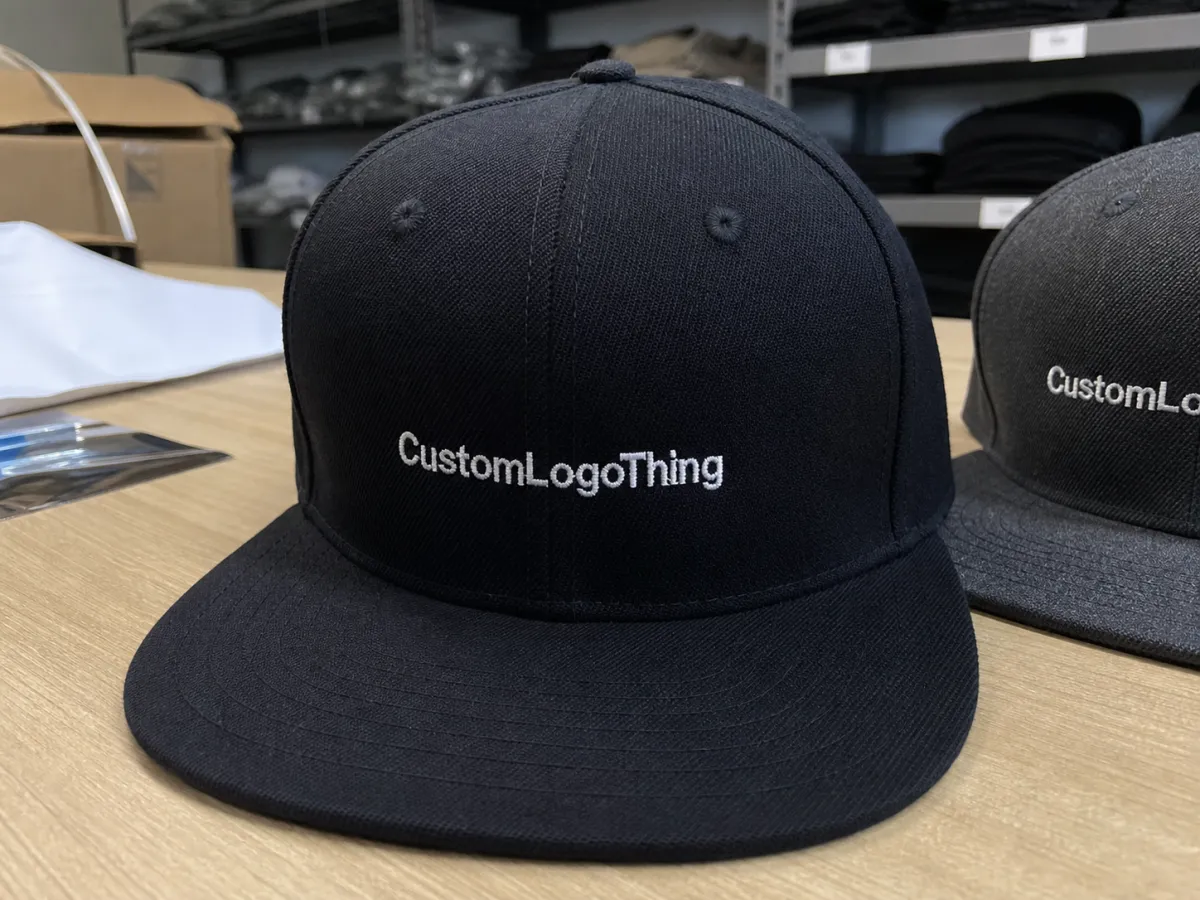
Most cap problems are small on their own. A front panel is a little too tall. The brim curves more than expected. The closure leaves too little adjustment room. Put them together, though, and staff stop wearing the cap, which defeats the order.
Fitness buyers also have a different standard than retail-only brands. A merch cap only needs to photograph well. A staff cap has to survive repeated wear, handling, and storage. If the caps support a studio opening, instructor kit, or seasonal retail drop, accuracy matters even more because there is less time to correct mistakes.
The money side is simple. Reworking 300 caps because the logo sits too low or the crown feels too stiff costs far more than reviewing one sample carefully. It also pushes the launch back. When a product arrives after opening-week energy has moved on, the opportunity shrinks with it.
A good sample should answer three questions: Does it fit the intended wearer? Does it match the brand? Can the factory repeat it at scale? If any of those answers is unclear, the order is not ready.
Choose the cap build that matches your studio use
Start with the build before you debate decoration. The structure shapes fit, silhouette, logo size, and how premium the finished cap feels. A studio that wants polished staff uniforms does not always need the same build as a studio creating retail merch.
Structured front panels are the safest choice for most fitness studio orders because they hold embroidery well and keep the logo area crisp. Unstructured caps feel softer and more casual, but they can sag when the wearer moves a lot or when the decoration is heavier. A mid-profile crown usually gives the best balance between comfort and shape. High-profile options read bolder, while a pre-curved brim is usually easier for all-day wear. Flat brims skew more streetwear and can work for retail drops, but they are not always the most practical choice for instructors.
Closure matters more than many first-time buyers expect. A plastic snapback closure gives the widest fit range and is usually the safest option if the caps will be worn by staff with different head sizes. Fabric straps can feel softer, but they do not always hold the same clean adjustment line after repeated use.
| Cap build | Best use | Fit feel | Typical price impact on bulk orders |
|---|---|---|---|
| Structured, mid-profile, pre-curved brim | Staff uniforms and branded giveaways | Stable, easy to wear through long shifts | Baseline |
| Structured, high-profile, flat brim | Merch drops and bold retail displays | Roomier crown, more pronounced look | +$0.20 to +$0.60 per unit |
| Mesh-back snapback | Hot studios and outdoor training teams | Breathier, lighter on the head | +$0.10 to +$0.45 per unit |
| Unstructured or soft-front cap | Casual staff wear and lifestyle merch | Relaxed, less rigid silhouette | Can be lower, depending on decoration |
Material choice changes the wearer experience quickly. Cotton twill has a classic look and takes embroidery well. Polyester blends hold shape better after handling and are often easier to keep crisp. Mesh-back versions help in hotter studios or outdoor programs. If the cap is meant to live on real heads for real shifts, comfort usually matters more than visual drama.
Check fit, logo placement, and finish details before you approve
Fit is the first thing to verify in the checklist, and the easiest thing to under-test. Measure crown height, side depth, opening size, and adjustment range. Then check how the cap sits on different hair types and styles. A cap that fits one instructor well can still feel tight on another once a bun or ponytail enters the picture.
The front panel should sit cleanly without feeling too tall or crushing the logo space. On the wearer, the mark should be easy to see but not so large that it takes over the cap. Most studios land in the middle, where the logo reads clearly from a few feet away and still feels wearable.
- Fit: confirm the cap stays comfortable after 30 to 60 minutes of wear.
- Placement: check logo height, width, and centering on the worn sample.
- Embroidery: inspect stitch density, thread tension, and edge cleanup.
- Patch work: look at sealing, adhesion, and how the patch sits on the curve.
- Inside finish: feel for rough backing, loose threads, or stiff support material.
Look closely at the inside of the cap. A buyer focusing only on the outside can miss rough seam tape, sharp embroidery backing, or a sweatband that feels coarse after a few minutes. Those details matter more in a gym environment than they do on a shelf.
Color control deserves the same level of scrutiny. Ask for Pantone references if brand color has to stay consistent across apparel and accessories. Check the underbrim color, eyelet color, thread color, and any hardware finish. Matte hardware often looks more refined in fitness branding. Glossy hardware can work, but it can also feel cheap if the rest of the cap is understated.
A short wear test is worth the time. Have one person wear the sample through a class, one through desk duty, and one while adjusting hair and removing the cap repeatedly. A piece that survives real movement is more useful than a still image with perfect lighting.
Fabric, closure, and decoration specs to lock before production
Once the sample passes the physical checks, lock the spec sheet in writing. If those details stay loose, production drift follows. A good order file should state the fabric weight, panel count, seam finish, visor construction, sweatband type, closure style, and decoration method. That may feel exacting, but precision prevents surprises.
Decoration has its own tradeoffs. Flat embroidery is durable and clean. 3D puff embroidery adds height and retail impact, but it can make small lettering harder to read and increases cost. Woven patches handle detail well. Printed patches work for multicolor artwork, though they usually do not feel as premium as stitch-based decoration.
For fitness environments, practical finishes are smarter than decorative ones. Low-fade dyes help the cap stay presentable after repeated wear. Easy-clean fabrics are useful because sweat, sunscreen, hair products, and hand oils eventually touch everything. If the order includes hangtags, inserts, or folding cartons, ask for FSC-certified paper components through FSC. If shipping cartons need extra protection, ISTA testing standards are a sensible benchmark for transit stress.
Document tolerances before production starts. Decide what level of color drift is acceptable, how much the logo can move, and what counts as a defect. A 1 to 2 mm shift on a patch may be normal. A crooked seam, frayed edge, or misaligned front panel is not. Clear tolerances keep approval grounded and stop minor variation from turning into a dispute.
This is also where repeat orders become easier. Once the spec sheet is locked, the approval checklist becomes a record instead of a memory exercise.
Pricing, MOQ, and unit cost drivers for snapback orders
Price the order as a bundle of costs, not one clean number. The first quote often covers only the factory unit price, then sample fees, setup charges, revisions, and shipping appear later. Ask for the full landed picture from the outset: sample fee, artwork setup, bulk unit price, shipping method, and any added cost for complex decoration.
For smaller studio runs, sample fees often land around $35 to $90, depending on whether the sample uses embroidery, patch work, or extra revision rounds. Bulk pricing for a simple custom snapback can land around $3.20 to $5.80 per unit at larger volumes. Smaller runs of 100 to 300 pieces are often closer to $6.50 to $11.00 per unit. Exact figures shift with materials, stitch count, and whether the cap uses stock components or custom fabric.
Several factors push unit cost up or down:
- Decoration size: larger logos require more stitches or larger patch material.
- Thread colors: extra colors add setup and labor.
- Panel construction: more complex builds usually cost more.
- Fabric choice: specialty materials and mesh-back options can change pricing.
- MOQ: lower minimums almost always raise the per-cap price.
Request pricing at two or three volume levels. A starter order of 100 units may be enough for one studio. A 300 to 500 piece run may make more sense if the caps will support several locations or a retail launch. Comparing volume tiers shows where the unit price starts to flatten.
A quote should explain what the cap costs, what the sample costs, and what changes the number.
One practical habit protects margin: approve a single final version before production begins. Artwork edits after sign-off often cost more than the sample itself and nearly always extend the timeline.
Sample approval process and lead time from artwork to shipment
The cleanest approval process is disciplined and unglamorous. Start with the brief, review the artwork, build the sample, inspect the photos, check the physical piece, request revisions if needed, and approve only after fit and finish pass.
- Brief and spec review: 1 to 2 business days if artwork is ready.
- Sample build: often 5 to 10 business days for embroidery; patch or 3D puff can stretch to 7 to 12.
- Revision round: another 3 to 5 business days if the change is minor.
- Bulk production: commonly 12 to 20 business days for standard runs, longer for complex orders.
- Shipping: depends on method, lane, carton count, and customs handling.
Delays usually come from avoidable gaps: missing vector artwork, no Pantone reference, or too many separate reviewers sending conflicting comments. One internal approver who consolidates feedback is usually enough.
Lead time should be confirmed in writing. If the caps are tied to a studio opening, instructor launch, or retail event, timing is part of product quality. A good factory can move quickly when the file package is complete.
The checklist works best when each milestone is tied to a decision. If the proof needs correction, say so directly. If the cap is approved, record that approval in writing and keep the approved sample reference with the order file.
Approval mistakes that turn a simple cap order into rework
Most rework starts with rushed review conditions. Approval from a phone screen can hide stitch density issues, loose threads, or a logo that sits slightly off-center. Warm indoor lighting can also change how color reads. Looking at the cap for ten seconds and calling it done is a fast way to miss problems that only show up in use.
Comfort is another thing buyers dismiss too easily. A cap that looks fine in a still image but pinches at the temples, feels too tall, or slips when hair is tied back will not get worn. Once staff stop wearing it, the order turns into waste.
Vague feedback is a separate issue. “Make it cleaner” is not useful production language. “Reduce logo width by 8 mm,” “raise the crown by 5 mm,” or “increase stitch density on the front mark” gives the supplier something measurable.
One person should collect the comments and issue the final response. Multiple managers sending separate notes rarely improve the result. Usually they create compromise decisions that satisfy no one.
Before you approve, ask a blunt question: can this cap be repeated without explanation? If the answer is no, the sample still needs work.
What to do after the sample is approved
Once approval is given, move quickly and keep the paperwork tight. Lock the final spec sheet, artwork files, color references, and fit notes. The approved sample becomes the production benchmark. If those files drift after approval, the next order starts from scratch.
Then confirm the restock plan. Decide the target quantity, reorder timing, and whether future orders should follow the same approval checklist or a shorter version for repeat production. If the caps support a class launch, new staff kit, or retail promotion, build a buffer of at least two to four weeks before stock runs out.
If the schedule is tight, ask for a pre-shipment photo review or carton inspection before goods leave the factory. That step can catch a packaging mistake, a decoration issue, or a color mismatch before the caps reach your receiving dock.
Send written approval, request the final proforma invoice, and attach the approved spec sheet to every future reorder. That keeps the product consistent and the order history usable.
How many snapback cap samples should a fitness studio approve before placing a bulk order?
One physical sample is usually enough if the supplier is working from a locked spec sheet and only one decoration method is involved. Ask for a second sample if the first version changes the crown shape, embroidery method, or fabric color. If several staff members will wear the cap, test the same sample on different head sizes before final approval.
What should be checked on a snapback sample for gym or studio staff?
Check fit, closure range, crown height, and whether the cap stays comfortable during movement. Confirm logo placement, thread quality, color match, and whether the front panel keeps its shape. Inspect the inner finish too, since rough backing or stiff stitching can become irritating during long shifts.
How much does a custom snapback sample usually cost?
Sample pricing depends on the cap build, decoration method, and whether artwork setup is included. Simple embroidered samples usually cost less than patch or 3D puff versions. Ask whether sample fees are credited back on bulk orders, because that changes the real cost.
How long does sample approval and bulk production usually take?
Sample development often slows down when artwork is incomplete or revisions are not consolidated. After approval, production timing depends on order size, decoration complexity, and current factory workload. Confirm both sample lead time and bulk turnaround in writing before you commit to a launch date.
What changes after I approve the snapback caps sample?
The approved sample becomes the reference for materials, fit, decoration, and finishing details. Any later changes can affect price, timeline, and MOQ, so they should be treated as a new revision. Keep the approval record and spec sheet attached to future reorders so the product stays consistent.

