Embroidered Beanies Wholesale for Fitness Studio Buyers
For a studio sourcing an embroidered beanies wholesale supplier for Fitness Studio Buyers, the real question is whether the item fits the brand, holds up in daily use, and still lands at a workable cost after setup, packing, and freight. Beanies meet those needs better than many branded apparel items because they are compact, easy to stock, and do not require multiple size runs.
They also have several uses at once. A beanie can work for staff, seasonal retail, launch gifts, or referral rewards. It takes little shelf space and gives the logo a clear surface to read without turning the item into a loud ad. For a studio, that balance matters: practical merchandise is more likely to be worn, and worn merchandise is the kind that keeps the brand visible.
Why Bulk Beanies Work for Fitness Studio Teams and Members
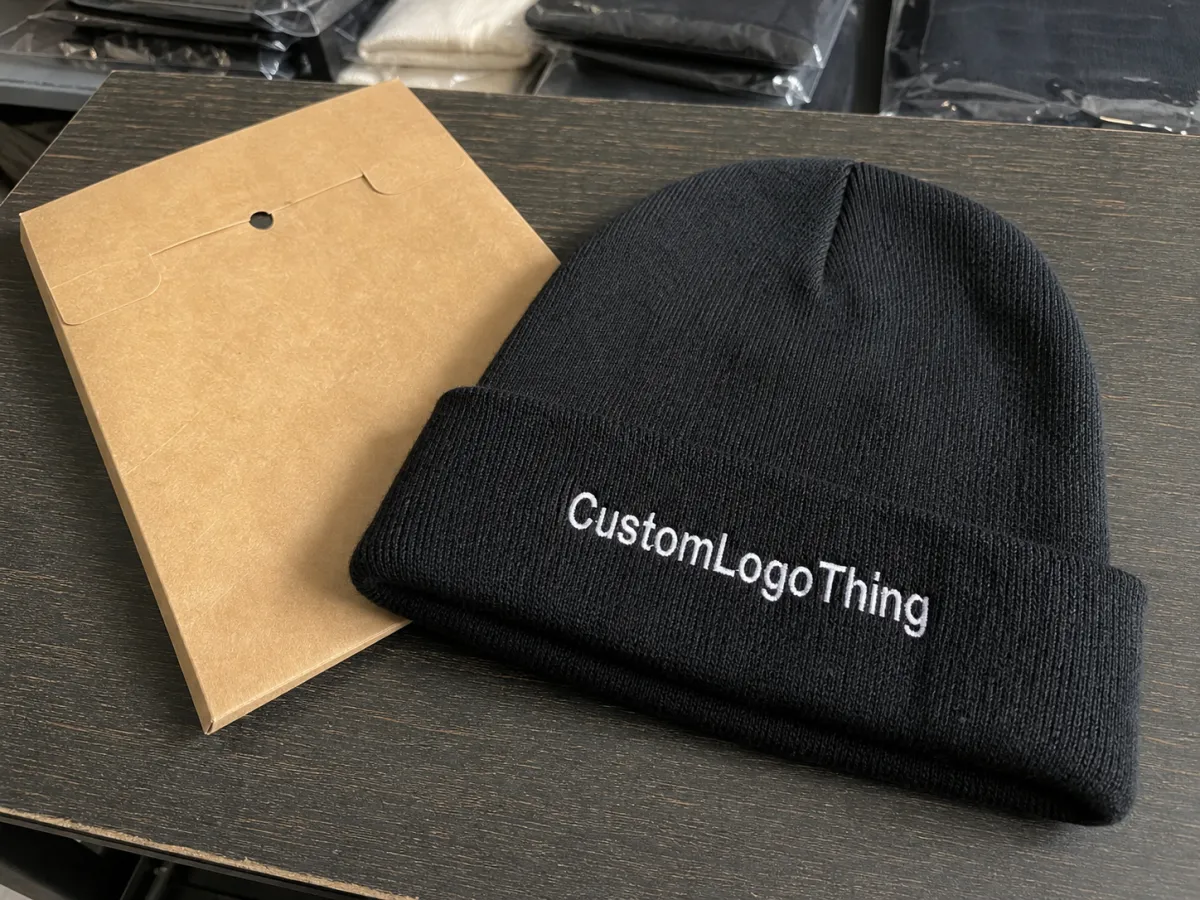
Beanies are operationally simple. One size fits most, inventory stays compact, and returns are uncommon if the knit and fit are decent. That makes them easier to manage than shirts or outerwear, especially for studios that do not want to sort by size or chase exchanges.
They also fit several program types. Front-desk staff can wear them between classes or at outdoor events. Members will buy them if the style is clean and the branding is restrained. They work as referral gifts, challenge prizes, and opening-week items because the perceived value is usually higher than the unit cost.
For boutique studios, the strongest orders usually solve a simple problem: keep people warm, create a retail item that feels considered, or give staff a branded layer that does not look forced. A cuffed knit with a small embroidered mark often lands best because it feels organized and premium without trying too hard.
Small format, broad fit, and cold-weather utility are what keep beanies in studio merch plans.
Beanie Styles, Knit Options, and Logo Placement That Sell
Style should follow use case. A cuffed beanie is the safest starting point because the cuff creates a stable decoration area and keeps the logo readable. Slouch styles feel more casual and retail-driven. Rib-knit constructions usually stretch more and feel heavier. Lightweight knits make sense in milder climates or indoor settings where warmth is secondary.
Decoration method matters more than many buyers expect. Embroidery adds texture and durability, but it needs a stable knit so the logo does not warp. Patches can work better on chunky yarn or when the logo has small details that would be lost in stitches. Woven labels are subtle and polished, which suits studios that want a quieter mark. These are not interchangeable choices because each one changes cost, lead time, and visual impact.
Placement should be chosen for visibility and repeatability. Center cuff placement is still the most common because it reads well and is easy to reorder. Side-panel placement is more understated and fits brands that want a softer look. Small front placement is a practical middle ground when the logo needs to be visible without dominating the beanie.
The useful question is not which mockup looks best on screen. It is which version still looks good after knit stretch, packing, and daily wear. A supplier should be able to explain when a logo needs to be simplified, enlarged, or moved before production starts, because that saves money and avoids a weak finished product.
Material, Fit, and Decoration Specs That Hold Up in Daily Wear
Material is where quality becomes obvious fast. Beanies sit close to the skin, so scratchy yarn creates complaints. Common wholesale options include 100 percent acrylic, acrylic-wool blends, and recycled polyester blends. Acrylic is usually the most cost-efficient and holds color well. Wool blends feel warmer and more premium. Recycled blends can support a sustainability story, but only if the hand feel and decoration quality are still strong.
Fit should be treated as a spec, not a preference. Most wholesale beanies are one-size-fits-most, but that only works if the knit has enough stretch recovery and the cuff is deep enough for embroidery. A cuff around 2.25 to 3 inches usually gives enough room for a clean logo without making the front bulky. If the knit is too loose, stitches can distort. If it is too tight, comfort suffers.
For embroidery, three checks matter most: backing, stitch density, and finish. Backing reduces puckering. Stitch density affects how bold the logo reads. Finish covers thread trimming, inside comfort, and whether loose ends will irritate the wearer after repeated use. A sample that looks good but feels rough or unstable is not really approved yet.
Buyers should ask for yarn composition, approximate weight, seam construction, and wash guidance before signing off. If the supplier cannot explain how the decoration will hold through hand washing, the order carries more risk than the quote suggests. For shipping-heavy orders, carton strength and packing method matter too; the International Safe Transit Association is a useful reference when goods need to survive normal transit without crushed cartons or distorted product shapes.
The simplest inspection pass is also the most useful: check one decorated sample in daylight, confirm the logo sits flat on the cuff, and make sure the thread color still reads cleanly from a normal retail distance. If it only looks good in a dim proof image, it may not work in person.
Artwork, Color Matching, and Proof Approval Before Production
Embroidery works best when the artwork is made for stitching, not just for screens. Vector files are the standard because they preserve clean edges at any size. Thin lines, tiny type, and gradient-heavy logos need review before the order is accepted, because knit texture tends to expose weak artwork rather than hide it.
Color control is another place where buyers save time by being specific. If the studio already uses defined brand colors across apparel, signage, and digital graphics, send PMS references or approved brand files. A screenshot is not enough. Screen color shifts, thread sheen changes the appearance, and dark knits make subtle differences more noticeable.
A practical proof process is simple: digital mockup first, then stitch simulation or sew-out sample if the design is detailed, then final approval before production. A dependable embroidered Beanies Wholesale Supplier for fitness studio buyers will say when a logo needs simplification instead of forcing a design that will not stitch cleanly.
Thin lettering and low-contrast pairings are the most common traps. A navy thread on charcoal knit may look restrained online and nearly disappear in person. Proof review is the point where an order becomes predictable or expensive, so it should be treated as a production step, not a formality.
If the order includes hang tags or retail inserts, confirm paper stock and finish early. FSC-certified paper is a sensible choice if the studio wants a cleaner sourcing profile. It is better to settle those details before artwork approval than to reopen the order later.
Pricing, MOQ, and Unit Cost Breakdown for Wholesale Orders
Pricing is only useful when it is broken into parts. A proper quote should separate the blank beanie, embroidery setup, thread usage, finishing, packing, and shipping. If setup is hidden inside the unit price, comparisons become unreliable and the real landed cost is harder to track.
| Option | Typical Order Use | Relative Cost | Best Fit |
|---|---|---|---|
| Cuffed knit with small front embroidery | Staff wear and member sales | $3.40-$6.25 per unit at 100-300 pcs | Clean branding, repeat orders, broad appeal |
| Slouch beanie with patch decoration | Retail-first merch drops | $4.20-$7.80 per unit at 100-300 pcs | More style-led positioning |
| Premium knit with woven label | Boutique studio launches | $4.80-$8.90 per unit at 100-300 pcs | Subtle, elevated presentation |
MOQ usually changes with decoration complexity. A simple embroidered cuff often allows a lower starting quantity than a custom-knit build or multi-location decoration. Thread count, color count, and packaging choices can raise the minimum. That is normal. The right order size should be based on staff demand, retail expectations, and likely reorder timing, not on the lowest number a quote can print.
Ask for at least three quantity breaks. The first shows how the entry price behaves. The second shows whether the order becomes efficient at a realistic studio volume. The third shows whether a larger run improves margin or just creates unsold stock. The best price is usually not the lowest unit number; it is the point where the total cost still works after packing, freight, and storage are included.
Repeat-order pricing also matters. If the logo, yarn, and placement are unchanged, the supplier should not charge a fresh setup fee every time. Reorders are where a buyer protects margin. A cheap quote can become expensive if it hides rework, missed dates, or unusable inventory.
Published unit costs also need context. Heavier knit weights, higher stitch counts, custom labels, polybag inserts, and international freight can move the final landed cost more than expected. Compare landed price, not just factory price, before deciding which supplier is actually competitive.
Production Process and Timeline From Artwork to Delivery
The production path should be easy to describe: inquiry, spec confirmation, mockup, sample or proof approval, production, finishing, packing, shipment. If a supplier cannot outline that sequence clearly, the order is likely to become difficult once it starts moving.
Lead time depends on quantity and decoration method, but a typical decorated run often takes about 12 to 18 business days after final proof approval. More complex patches, custom packaging, or larger quantities can extend the schedule. Repeat orders usually move faster because the artwork and machine settings already exist.
The most common delays are usually simple. Missing logo files. Slow proof approvals. Late thread-color changes. Delivery windows tied to launch dates that were never built into the order. These are input problems, not production problems, and a serious supplier should flag them early instead of waiting for a deadline to become a crisis.
For a new studio opening, it is safer to work backward from the event date by at least three weeks so there is room for proofing and one correction round if needed. For seasonal retail programs, ordering before demand peaks is usually better than trying to replenish once the weather has already changed.
Packing should also be decided before production starts. Polybags are common. Tissue wrap and paper hang tags can raise perceived value. If the goods will be split across multiple locations, carton labels should be specific enough that receiving staff do not have to open and sort mixed boxes by hand.
What Makes a Reliable Wholesale Partner for Studio Buyers
Reliability shows up in the basics. The embroidery should stay consistent across the full run. The quantity should match the order. The proof should match what arrives. Communication should stay clear before production, not only after a problem appears.
Fitness studio buyers usually want smaller batches and tighter brand control than large promotional buyers. They also tend to reorder only after a season proves the item works. A supplier that understands that pattern will talk plainly about stock colors, thread matching, reorders, and label continuity. That is more useful than a polished pitch.
Service matters because it affects waste. Clear proofs reduce mistakes. Honest feedback on tiny logos prevents bad stitching. Good packing keeps presentation intact. Support for seasonal drops helps a studio plan revenue instead of guessing at it.
Strong partners also document the order well. If the original spec can be reused without rebuilding it from scratch, the buyer saves time on the next run. If the supplier treats every reorder like a brand-new job, the cost goes up even when the item has not changed.
For buyers building a broader merch calendar, it helps to consolidate sourcing where possible. One contact can manage multiple seasonal items more efficiently than three separate vendors. A wholesale ordering structure is only useful if the documentation is clean enough to support repeat work.
Order Checklist for a Faster Studio Run
Before requesting a quote, gather the basics: logo files, target quantity, preferred beanie style, brand colors, delivery deadline, and whether the order is for staff, retail, or both. That small amount of preparation improves quote accuracy immediately.
The fastest path is usually simple. Select the decoration method, approve the mockup, and lock the delivery window. Those three decisions remove most of the friction that slows a custom order.
It also helps to decide how the inventory will be used before the cartons arrive. How many units go to staff? How many are held for retail? At what threshold does a reorder make more sense than stretching the last box? A studio that answers those questions early is less likely to end up with dead stock.
When comparing suppliers, ask for setup fees, unit price by quantity, packaging options, and any rush charges in writing. Then compare the quote against the actual plan, not against a vague idea of “cheap.” The goal is a readable order, not just the lowest-looking number.
If the artwork is ready, the quantity is realistic, and the delivery date is fixed, the order can move without unnecessary drag. That is the standard worth aiming for.
What is the minimum order for embroidered beanies for a fitness studio?
MOQ usually depends on the beanie style and decoration method, but the order should be sized around staff needs, member giveaways, and retail demand. Ask for pricing at a few quantity breaks so you can see where unit cost improves without overbuying inventory.
Which beanie style works best for fitness studio staff and members?
Cuffed rib-knit beanies are usually the safest choice because they display logos cleanly and fit most heads comfortably. If the studio wants a more retail-forward look, a softer slouch style or a patch decoration can work better than dense front embroidery.
How long does a wholesale embroidered beanie order usually take?
Timeline depends on proof approval, decoration method, and order size, but the process should be planned around your launch date or seasonal campaign. Repeat orders typically move faster because the artwork and production setup are already approved.
Can you match our fitness studio brand colors accurately?
Yes, but color matching should be based on solid references such as PMS values or approved brand files rather than screen-only screenshots. Thread colors can be matched closely, though knit fabric texture may slightly shift how the finished tone reads in person.
What should I send when requesting a quote for embroidered beanies?
Send your logo file, target quantity, preferred beanie style, color preferences, and the delivery date you need the order by. If you are comparing suppliers, ask for setup fees, unit price by quantity, and any packaging or rush charges upfront.


