A mailer can look polished and still fail the moment it enters the shipping stream. That is why the fitness studio Custom Poly Mailer bags production quality checklist matters before you place a large order for apparel drops, resistance-band kits, or membership bundles. One weak seal, one off-color logo, or one size that is just slightly too small can create returns, reprints, and preventable complaints.
Fitness studios do not usually ship fragile products, but they do ship items that need to arrive clean, dry, and presentable. A bag that holds leggings, a cropped tee, and a welcome insert has to do more than close. It has to protect the contents, carry the brand, and stay consistent from the first carton to the last reorder. If the print is shifted by a few millimeters or the finish changes from batch to batch, the packaging starts to feel careless.
The value of a checklist is not cosmetic. It catches production problems before they become shipping claims, damaged inventory, or a warehouse full of stock that cannot be reordered to match the first run. For studios building branded packaging around retail apparel and membership kits, that discipline saves money because it reduces variation. If you are still comparing formats, review Custom Poly Mailers alongside other Custom Packaging Products so the mailer fits the rest of the package system.
Fitness Studio Custom Poly Mailer Bags Production Quality Checklist
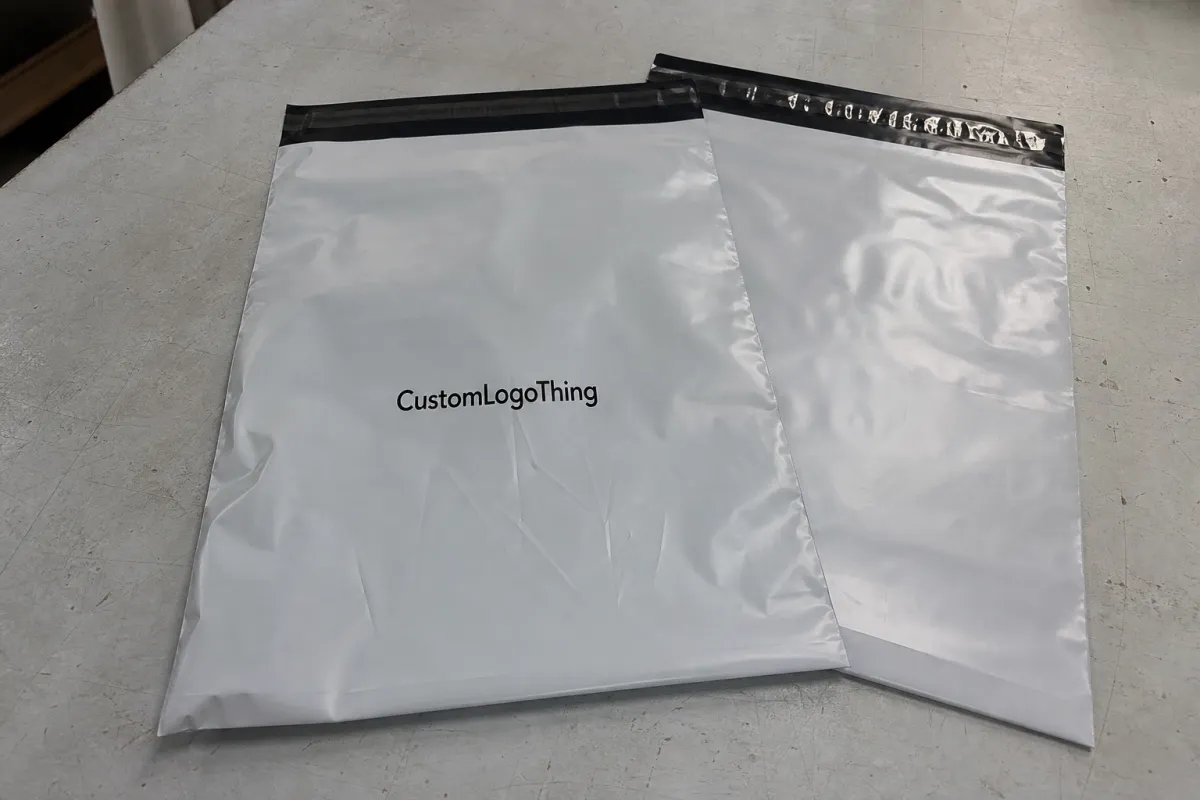
Start with the actual use case. Most fitness studios ship soft goods: leggings, tees, socks, towels, light hoodies, and the occasional bundled welcome kit. Those items are light, but they are not all easy to pack. A folded hoodie plus a card insert changes the dimensions fast, and a bag that looked roomy in a mockup can feel tight once staff add a barcode label or promotional insert.
A good checklist controls four things at once: product condition, brand perception, shipping cost, and reorder consistency. That last point gets overlooked. Buyers often approve a decent sample, then the second batch arrives with a different seal width or a slightly muted blue. The mailer still works, but the branding no longer matches. For a studio trying to look disciplined and premium, that drift is a real issue.
The difference between a visual check and a production check is simple. A visual check asks whether the bag looks good on a table. A production check asks whether it survives real packing, compression in cartons, conveyor movement, transit handling, and repeat use by staff. That means the checklist should cover film gauge, closure strength, print placement, carton packing, and sample retention, not just the appearance of the mockup.
Approval rule: A mailer is not approved because the proof looked clean. It is approved when the physical sample holds weight, closes correctly, prints clearly, and matches the spec sheet under real handling.
For packaging buyers, that is the difference between buying a bag and buying a reliable process. The second one is what keeps a launch on schedule.
A practical checklist also helps teams avoid hidden drift inside the order itself. In custom plastic packaging, small changes can matter more than people expect. A 2 mm shift in a logo, a slightly thinner film, or a weaker adhesive strip may not seem dramatic on paper, but those details affect how the bag packs, seals, and ships. The problem is not that one bag fails. The problem is that one variation becomes thousands.
How the Production Process and Timeline Usually Unfolds
The process usually begins with artwork handoff. That includes logo files, color targets if you are using them, print dimensions, and any barcode or QR code requirements. The prepress stage then checks bleed, safe margins, image resolution, and whether the artwork is realistic on the selected film. This step sounds routine, yet it is where a lot of time disappears because buyers keep tweaking logo placement after the first proof.
Once the art is approved, the supplier moves to film, inks, adhesive, and closure material. Standard mailers generally move faster than more customized versions, but the schedule can stretch if the order includes matte film, extra print colors, a reinforced lip, or a hang-hole feature. In many production plans, sample approval takes a few business days, while mass production commonly runs 12 to 18 business days after proof approval. Larger orders or busy factory schedules can push that longer.
The approved sample should become the benchmark. Not the digital mockup. Not a screen proof. The actual sample. If the sample shows a logo shift, a softer seal, or a color that is too far from the target, that needs to be resolved before production begins. Otherwise the issue scales with the order. A tiny miss at the sample stage turns into a truckload of mismatched bags.
Late changes are the usual schedule killer. A size adjustment, a heavier gauge, or a change in print coverage can reset tooling and sourcing. Rush fees often appear there, and launch dates slip with them. For teams working around membership drives or seasonal apparel drops, even a one-week delay can force awkward choices about freight or inventory allocation.
One useful habit is to map the timeline in plain language before the order is released: art approval, sample approval, production, inspection, packing, and ship date. That sequence gives every stakeholder a reference point. It also exposes the moments where a decision is still reversible and the points where a delay becomes expensive.
Cost, MOQ, and Quote Drivers You Should Compare
Price comparison gets messy when buyers only look at the headline unit rate. A proper quote should account for bag size, film thickness, print coverage, number of colors, closure type, packaging format, and whether the supplier includes freight, tooling, sample fees, or taxes. If one quote omits plates and another includes them, the lower number is misleading.
MOQ changes the math too. Setup costs are fixed, so a 3,000-piece run carries a higher per-unit burden than a 10,000-piece run. For many fitness studios, a realistic first order falls in the 3,000 to 5,000 piece range. At that level, Printed Poly Mailers often land around $0.18 to $0.42 per unit depending on size, thickness, color count, and finish. Bigger runs or simpler graphics can come in lower; specialty films and heavier gauges usually cost more.
| Option | Typical Use | Common Spec | Indicative Unit Price | Main Watchout |
|---|---|---|---|---|
| Basic printed mailer | T-shirts, socks, light inserts | 2.5 mil film, 1-color print, standard adhesive | $0.16-$0.24 | Lower puncture resistance |
| Mid-range studio mailer | Leggings, light apparel bundles | 3 mil film, 2-color print, stronger seal | $0.20-$0.30 | Color drift if artwork is too fine |
| Premium mailer | Membership kits, heavier bundles | 4 mil film, full coverage print, reinforced closure | $0.28-$0.42 | Higher cost if freight is excluded |
Ask for price breaks at specific volume tiers. A quote at 3,000 pieces and another at 5,000 pieces tells you far more about reorder economics than a single first-order number. That matters if you expect monthly kit shipments or seasonal apparel drops. Compare quotes on the same basis and the real differences become visible.
There are a few cost details that buyers miss until they are already in production. Custom size changes can raise film waste, specialty finishes can limit supplier options, and heavier adhesive often adds more than expected once freight is included. A low unit price with high shipping or plate costs is still a high landed cost. For a studio operating on tight margins, landed cost matters more than a pretty quote sheet.
For teams refining retail packaging budgets, this is also where branding decisions become measurable. A cleaner one-color layout may free up budget for thicker film or stronger adhesive, both of which tend to matter more than a crowded print design. The smartest packaging choices often look less dramatic, not more.
Material, Printing, and Seal Specs That Change Real-World Performance
The specs that matter most are rarely the flashy ones. Start with film type. LDPE is common, while recycled-content film may support a sustainability message if the supplier can document the source clearly. Thickness matters just as much. A mid-range 3 mil bag is often enough for light apparel, but heavier bundled kits need more tear resistance and better puncture tolerance.
Seal performance deserves real attention. Check seal width, adhesive strength, and whether the bag stays closed after compression. A seal that looks fine on a bench can fail once cartons are stacked or bags are squeezed inside a shipping bag. If the mailer is tamper-evident, test the tear behavior too. Does the bag split cleanly, or does it rip in a way that looks damaged before the customer even opens it?
Printing is another place where quality gets lost. Flexographic print can be efficient for larger runs, while digital methods may suit shorter, more colorful orders. Either way, inspect logo sharpness, edge definition, and how ink behaves on translucent or glossy film. Fine type that looks crisp on a screen can blur quickly once it moves onto a thin plastic surface. If your design uses a small tagline or QR code, give that element extra margin.
Practical buyers usually care about three things at once: image quality, durability, and pack speed. A bag that prints beautifully but slows down the packing line is not a good buy. Neither is a strong bag with a muddy logo. The usable product sits in the middle.
Transit testing helps here. Packaging teams often borrow the logic of ISTA procedures from ISTA: drop, vibration, compression, and handling reveal weak spots quickly. For film properties, ASTM-style thinking is useful too; tensile strength, impact behavior, and seal strength are not abstract numbers. They predict whether the bag will survive a real shipment. If your studio uses FSC-certified inserts or care cards, the brand story can stay consistent across the full kit, which is one reason many buyers also reference FSC when planning companion materials.
That connection matters. A strong bag with a sloppy insert looks unfinished. A polished mailer paired with cheap paper stock can flatten the whole experience. The packaging should feel like one decision, not three unrelated purchases.
When comparing material options, ask for the film gauge in microns or mils, not just a vague “heavy duty” label. Ask whether the adhesive is pressure-sensitive or tamper strip based. Ask whether the film is matte, glossy, or anti-static. Those details do not sound dramatic, but they determine how the mailer behaves after packing, stacking, and shipping. A plain-looking spec sheet usually gives the clearest picture.
Step-by-Step Checks for Samples, Prepress, and Final Inspection
Use a simple sequence and document it. The goal is not bureaucracy; it is repeatability.
- Review the artwork - confirm dimensions, bleed, safe zones, logo placement, and any QR or barcode rules.
- Check the proof - compare the layout against the approved packaging design and make sure the colors fit the chosen film.
- Test the sample - pack real items, not empty bags, and see whether the mailer still closes cleanly.
- Measure the details - verify size, seam width, seal consistency, and any tolerance you agreed with the supplier.
- Inspect the cartons - look for scuffs, smudges, edge crushing, or bag-to-bag variation before release.
The sample stage should reveal the problems that are easy to ignore in digital proofs. Print a bold logo, then check registration shift. Use a dark film, then confirm that white ink stays opaque enough. Put folded leggings inside and see whether the opening still feels generous enough for staff to pack quickly. That last point sounds small, but it affects labor speed and the day-to-day experience of the fulfillment team.
Approval rule: If the sample does not match the production spec sheet, do not allow a little drift. Small drift is how repeat orders become a chain of exceptions.
For final inspection, sample cartons from different pallet positions. Top cartons and corner cartons often show different damage patterns from center cartons. Check count accuracy, print rub-off, seam integrity, and whether the adhesive strip still performs after storage. Keep a signed approval trail with the sample, the spec sheet, and any revision notes. When a later batch arrives off-color or off-size, that paper trail saves hours.
A buyer with a clean process can answer a simple question quickly: did the supplier change something, or did the order get interpreted differently? Without that record, every problem becomes a debate. With it, the issue can be isolated fast.
Common Mistakes That Trigger Reprints, Delays, or Returns
The most expensive mistake is chasing the lowest quote without checking whether the supplier can repeat the same spec on reorder. A bargain run that cannot be matched later is not really cheaper. It just delays the cost.
Another common error is approving a screen mockup instead of a physical sample. A logo can look sharp on a laptop and muddy on translucent film. Dark colors can swallow detail. Thin lines can disappear. Once you see that happen on a real bag, the fix is obvious. Before that point, many buyers assume the printer will make it work. Sometimes they can. Sometimes they cannot.
Operational mistakes create their own problems:
- Ordering a size that fits a T-shirt but not a bundled set.
- Underestimating monthly volume and running out before the next campaign.
- Forgetting that heavier mailers raise shipping weight and freight cost.
- Leaving tolerance language vague, which invites disputes over what counts as acceptable.
- Not planning enough lead time for color matching or special finishes.
There is also a brand risk that gets overlooked. If your studio uses consistent colors on apparel tags, inserts, and packaging, one inconsistent mailer batch breaks the visual rhythm. That is not a catastrophic failure. It is worse in a quieter way: it makes the whole program feel less intentional. For buyers trying to build a stronger packaging system, consistency is the point.
Lead time misses can also trigger emergency freight. That is expensive, but the bigger issue is timing. Launches, seasonal drops, and membership campaigns do not wait for packaging recovery. Once the window passes, the packaging problem becomes a sales problem. A two-week delay can erase the value of a well-designed mailer.
One more mistake deserves mention: treating sample approval as the finish line. It is not. The sample is the contract language for what should happen next. If the production run quietly changes film feel, print density, or bag length, the order has already drifted. That is why the approval trail matters so much.
Next Steps: Lock Specs, Document Sign-Off, and Release the Order
The cleanest way to move forward is to build a one-page spec sheet. Keep it tight: bag size, film thickness, print method, color count, finish, closure type, MOQ, sample target date, and ship date. Add acceptable tolerance ranges so everyone agrees on what close enough means before production starts.
Then request a physical sample and compare it against that sheet. If the sample passes, save one approved piece in a labeled bag and keep the sign-off record with the artwork files. That small habit prevents confusion later, especially if multiple people touch the order. One person should own artwork approval, one should own operations, and one should own budget. If three people are making final calls at once, the order usually slows down.
Set the reorder trigger now. Do not wait until the last pallet is open. If your studio sells through mailers during a launch week or membership drive, you need a buffer that reflects real usage, not hopeful forecasts. A 20 to 30 percent safety stock is common for tighter programs, though the right number depends on how often you restock and how seasonal your sales are.
For studios building a broader packaging system, it helps to compare the mailer with other Custom Packaging Products so the visual language stays aligned across inserts, boxes, and shipping materials. The checklist is the final gate before PO release and the first gate before every reorder. That is how you keep the bags, the brand, and the budget moving in the same direction.
It also keeps internal expectations realistic. A custom mailer is not a luxury item, but it is not an afterthought either. If the spec is clear, the artwork is disciplined, and the inspection process is honest, the packaging holds up without extra drama. That is usually what buyers want most.
What thickness works best for fitness studio custom poly mailer bags with apparel?
Light apparel usually performs well in the mid-range, often around 2.5 to 3 mil, while heavier bundles benefit from thicker film and better puncture resistance. The right choice depends on the mix you ship most often: tees and socks need less material than leggings, hoodies, or kit bundles. If the order includes dense folding or added inserts, test the bag with the actual pack-out, not an empty sample.
How long does sampling and production usually take for custom poly mailers?
Sampling is usually faster than full production, but the schedule depends on artwork approval, print method, and whether the factory has the right film in stock. Once proofing is finished, production often takes 12 to 18 business days for a custom run, though special finishes or larger orders can push that longer. Build in buffer if the mailers support a launch, a membership kit, or a seasonal apparel drop.
What should I compare in a quote for fitness studio mailer bags?
Compare like for like: size, thickness, print colors, finish, closure type, MOQ, sample fees, tooling, freight, and taxes. A low unit price can hide extra charges elsewhere, so ask for the full landed cost. If you plan to reorder, request price breaks at multiple volume tiers. That makes it easier to estimate packaging cost per drop instead of judging only the first order.
How do I verify print quality before approving custom poly mailers?
Check logo sharpness, color accuracy, and registration against the approved sample. Small text, QR codes, and barcodes should remain readable after printing and sealing. Also inspect how the ink behaves on the chosen film; translucent and glossy surfaces can make colors look darker or flatter than expected. If the physical sample shows blur, shift, or weak contrast, do not approve it just because the screen proof looked good.
What are the most common quality issues in production?
Weak seams, off-size bags, poor seal strength, print smearing, and color drift cause the most headaches. Carton damage can create another layer of trouble because the bags may be fine but arrive scuffed or warped. The hard lesson is that a good-looking bag can still fail under load, so the inspection should always include real product, real handling, and a clear sign-off record.

