Fitness Trucker Caps MOQ sounds like a procurement detail, but it usually decides whether a project feels efficient or expensive before production even starts. The cap style, the front-panel material, the decoration method, and the order size all shape the final number. A quote that looks low on paper can climb fast once setup, sampling, freight, and packaging enter the picture.
For gyms, supplement brands, wellness promotions, sports events, and merch drops, the sweet spot is a cap that looks retail-ready without forcing a risky buy-in. That is why fitness trucker caps moq matters to bulk buyers: it gives enough room to test demand, keep branding visible, and avoid sinking budget into a style that does not wear well. If the cap is easy to wear outside the gym and still looks sharp in photos, it usually earns its keep. If it feels thin, prints poorly, or fits oddly, it tends to linger in a carton.
There is also a more practical reason buyers keep coming back to truckers. They are familiar. They are adjustable. They work across age groups, event teams, retail shelves, and casual staff uniforms. That flexibility is one reason the format survives price pressure better than more fashion-driven headwear.
"Show the spec, not just the mockup." A mockup can hide poor mesh, weak closures, or a front panel that will collapse under embroidery. A spec sheet reveals the parts that affect the real order.
The best bulk programs start with a clear quantity target, a realistic decoration method, and a cap shape that fits the intended use. Not hype. Not guesswork. Just a build that can be repeated without constant corrections.
Fitness Trucker Caps MOQ for Bulk Buyers
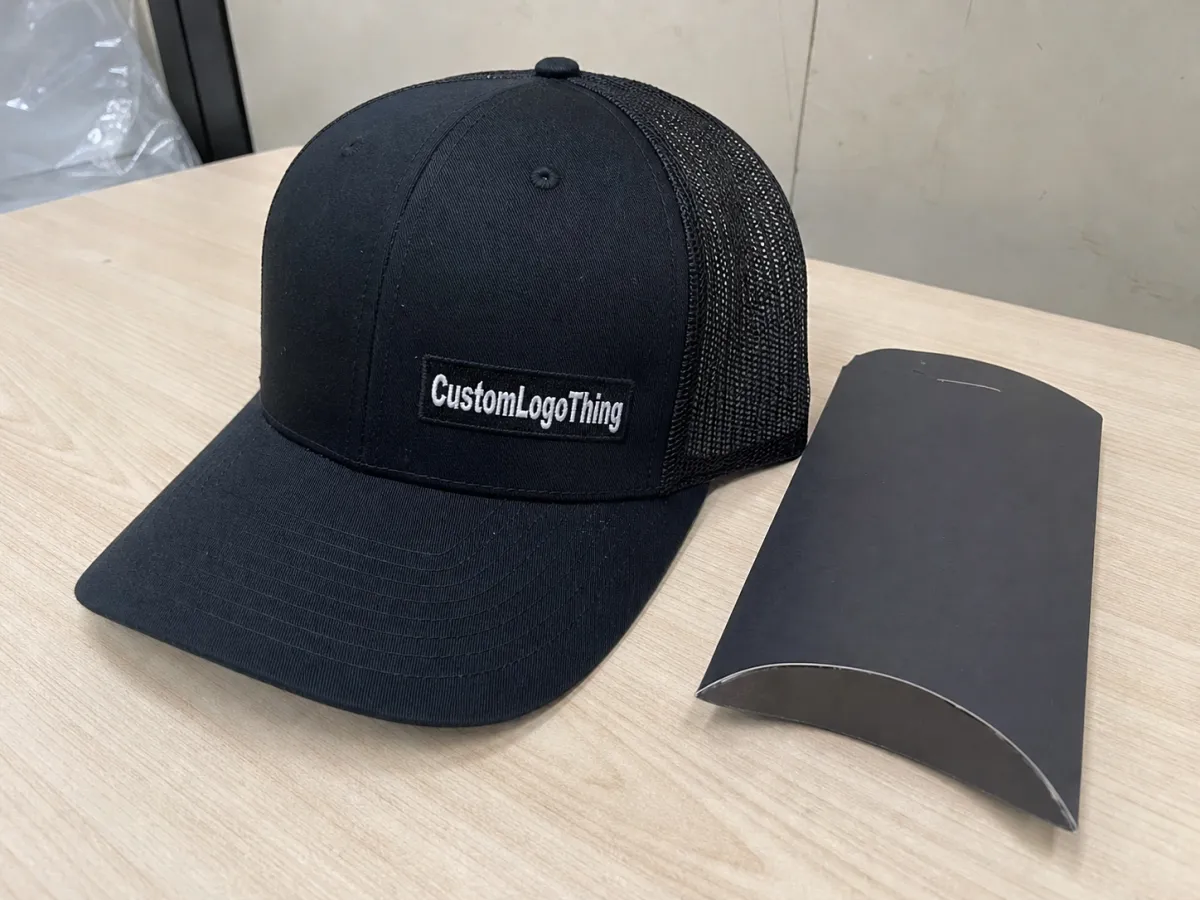
Trucker caps are often easier to test in smaller runs than buyers expect. A standard silhouette with a structured front, mesh back, and adjustable closure gives you a familiar product without locking you into a huge upfront commitment. The trick is knowing which details are worth paying for and which ones can stay simple.
Classic truckers are usually built around a five-panel or six-panel construction. Five-panel foam-front versions give a broad decoration area and a more recognizable retro profile. Six-panel styles can feel closer to a regular baseball cap, which some brands prefer for a cleaner retail look. Either can work. The better choice depends on the logo, the wear context, and how premium the cap needs to feel in hand.
Fitness brands benefit from that range. Staff at gyms, coaches at outdoor events, and supplement teams at expos often need something that looks organized but not corporate. A trucker cap does that job without looking over-designed. It gives you a decent front panel for branding, ventilation in the back, and an adjustable fit that reduces size complaints.
Buyers usually run into the same problem: they want a cap that feels premium, yet the budget only supports a sensible bulk order. That tension is not a mistake. It is the market. A well-chosen trucker solves part of it because the format is repeatable and the decoration area is straightforward. The order can stay affordable without looking like a giveaway item from a forgotten trade show.
There is another reason the style works for MOQ planning. Trucker caps do not require the same level of fitting complexity as more structured premium hats. That means stock-based builds can move faster, and even custom details usually stay manageable unless the buyer insists on unusual fabrics, contrast stitching, or highly detailed patches.
Product Details: Styles, Panels, and Fit
The standard trucker build is simple on the surface and easy to specify poorly. Most versions use a structured or semi-structured front, breathable mesh in the back, and an adjustable closure. The front panel carries the logo. The mesh handles airflow. The brim shapes the silhouette. That basic formula sounds obvious, but the wrong combination can make the cap feel cheap even if the decoration itself is strong.
Common brim options include a curved brim for a relaxed, everyday look or a flat brim for a sharper, more streetwear-leaning profile. Closure styles usually fall into snapback, hook-and-loop, or fabric strap territory. Snapbacks are still the common wholesale choice because they are durable, inexpensive to source, and simple to size. Hook-and-loop closures can work for giveaways, though they may read as less finished. Fabric straps often look better on more refined builds, but they add labor and can raise the cost.
Fit is more than head circumference. Crown height changes the way the cap sits. Panel depth changes whether it feels shallow or roomy. A lower-profile crown can sit more neatly on smaller heads, while a taller crown gives the front panel more presence and sometimes more space for decoration. Adjustable adult truckers often cover roughly 56-60 cm, but shape matters as much as the number on the spec sheet.
Material choice also changes wear. Many fitness-oriented truckers use polyester foam fronts because they hold shape and take decoration well. Mesh is usually polyester too, though density varies. A tighter mesh looks cleaner; a looser mesh can feel lighter but less polished. Sweatbands are easy to overlook, yet they determine a surprising amount of comfort during outdoor classes, vendor events, and long promotions. A cheap sweatband can turn a decent cap into one that people stop wearing after the first use.
For fitness brands, the practical use cases are clear:
- staff uniforms for gyms, trainers, and event crews
- retail merch for supplement, wellness, and lifestyle brands
- giveaways at races, launches, and seasonal promotions
- creator merch drops that need a wearable daily accessory
If you are planning a branded program, choose the cap profile before you obsess over the artwork. A strong logo on the wrong silhouette still looks off. The reverse is also true: a simple mark on the right cap can look surprisingly expensive.
Specs That Affect Decoration and Wear
The spec sheet should tell you more than the mockup ever will. Ask for the front-panel support, mesh density, sweatband type, brim construction, and closure durability. Those details decide how the cap wears, which decoration methods make sense, and whether the order will still look consistent after the first hundred units.
Here is the short version of what matters most:
- Front panel support: firmer support keeps embroidery cleaner and helps patches sit flat.
- Mesh density: tighter mesh looks neater; looser mesh feels lighter but may look less refined.
- Sweatband quality: a better sweatband improves comfort during long wear and outdoor use.
- Closure strength: weak closures cause returns, especially on staff and event orders.
- Panel count: five-panel and six-panel caps behave differently around the logo zone and crown shape.
Decoration should match the artwork, not the mood board. Embroidery gives texture and a familiar retail feel, especially for simple marks, short wordmarks, or icon logos. It works best when the front panel has enough structure to keep stitches from sinking. On foam-front caps, embroidery often needs proper backing or it can pucker and distort. That is a small detail with big consequences.
Patches are often a safer choice for truckers with softer fronts or more curvature. Woven patches carry detail better than wide satin stitching, and they help when the logo has fine lines that would disappear under direct embroidery. Screen print and heat transfer can work for flatter graphics, but they are less forgiving if the front panel is curved or the artwork is too intricate. Sewn labels can also look sharp if the brand wants a more retail-style finish without heavy thread coverage.
Artwork placement deserves more attention than many buyers give it. Small text gets swallowed quickly on a shallow crown. Thin outlines can vanish near mesh edges. If the logo relies on detail, a larger mark or patch treatment usually performs better. If the logo is simple, embroidery remains the cleanest option. The more complex the artwork, the more likely the cap needs simplification to stay legible at real-world size.
Color matching needs a sober read. Front panels can often be matched closely to a Pantone reference, but mesh, thread, and closures may vary a little by material and batch. Dye lot shifts happen. That is normal in bulk production. If exact shade control matters, ask for a physical sample or a pre-production proof. A screen render is useful, but it is not a promise.
Buyers who care about sustainability claims should ask precise questions. FSC-certified paper inserts, cartons, or hangtags are a good place to start if the packaging is part of the brand story. For shipping resilience, transit testing is worth discussing early, especially for retail-ready boxes or orders that will travel through multiple handling points. ISTA guidance is a useful reference for packaging and shipping performance, and it helps separate real protection from wishful thinking.
Pricing, MOQ, and Sample Costs
Fitness trucker caps are not priced by magic. Quantity, decoration method, cap construction, and whether the run uses stock blanks or a more custom build all affect the quote. The cheapest-looking unit price is rarely the whole story. Buyers who compare only the headline number often miss the setup fee, sample fee, packing charge, or freight cost that changes the landed price.
MOQ usually behaves in a predictable way: lower minimums cost more per unit because setup charges get spread across fewer pieces. Larger runs reduce unit cost and often open up more decoration options. If you only need 50 caps, the math may feel stiff. If you can move to 300 or 500, the unit cost usually becomes more reasonable and the supplier has more room to offer better finishing.
| Option | Typical MOQ | Setup or tooling fees | Rough cost per piece | Best fit |
|---|---|---|---|---|
| Stock blank + embroidery | 50-100 pcs | $25-$60 digitizing | $4.25-$7.50 at 100-299 pcs | Simple logos, fast reorders |
| Stock blank + woven patch | 100 pcs | $40-$120 patch tooling | $4.75-$8.20 at 100-299 pcs | Bold branding, sharper edge detail |
| Heat transfer or screen print | 50-100 pcs | $20-$50 setup charges | $3.90-$6.90 at 100-299 pcs | Flat artwork, lighter decoration budget |
| Fully custom cut-and-sew | 300-500 pcs | $150-$500 tooling fees | $5.50-$11.00 depending on details | Brand-specific shapes, custom materials |
Those ranges are broad for a reason. A one-color logo on a stock blank is cheaper than a multi-color patch with extra finishing. Fabric choice also changes the result. Foam-front polyester caps are often cheaper than heavier custom constructions because they are easier to source and faster to decorate. Add a custom sweatband, contrast stitching, or a specialty closure, and the number moves.
Freight, packing, and carton labeling can shift the total more than people expect. Air shipping can make a small order feel dramatically more expensive, while sea freight may work better for larger runs with flexible timing. If the order is for a launch or event, ask for the landed cost, not just the factory price. That avoids the common mistake of treating the first quote like the final number.
Sample costs should be separated from production costs. A sample cap may run $25-$75 for a stock build, or $60-$120 for a more custom version, depending on the decoration method and whether you need a true pre-production sample. Pay for the sample if fit, logo placement, or material hand-feel matter to the launch. It is cheaper to approve one cap carefully than to rework 500 finished pieces.
A useful habit is to request tiered pricing before you compare suppliers. Ask for 100, 300, and 500-piece numbers with the same decoration method. The spread usually tells you more than the individual quote. If the 100-piece price is high but the 300-piece price drops sharply, the supplier is likely spreading setup costs over the run in a normal way. If the numbers do not behave that way, press for detail.
Process, Proofing, and Turnaround
The order flow should be boring. That is a compliment. A normal run starts with artwork review, then proof approval, then production, then quality check, packing, and shipment. If a supplier makes that sequence sound vague or mysterious, ask more questions. A clear process saves more money than a small price difference ever will.
Delays usually start with incomplete information. A logo file that is not vector-ready slows down proofing. Unclear color references create back-and-forth. Last-minute changes after sign-off can push a schedule by days or even a full week. If the artwork is not final, the timeline is not final either. That sounds basic, but it is where many orders slip.
Typical timing depends on the build:
- Stock-based orders: often 7-12 business days after proof approval
- Custom-decorated runs: usually 12-18 business days
- Fully custom builds: often 18-25 business days or more
- Samples: add 5-10 business days before production starts
That does not include shipping. A quote without transit time is half a quote. The fastest orders are the ones with final artwork, a fixed quantity split, and a delivery address ready from the start. Every missing detail adds a round of waiting. If split shipments are needed for events or retail distribution, say so before production begins. It is far easier to label cartons correctly than to sort them after arrival.
From a practical buying standpoint, the best file package includes a vector logo, a clear size note, and placement instructions. If the logo needs to be scaled to a specific width, state the width. If the mark should sit a certain distance above the brim, state that too. If the order includes more than one colorway, list each one separately. The clearer the instruction, the fewer proof revisions you will deal with.
Artwork complexity matters more on caps than on many buyers expect. Fine gradients, tiny type, and thin lines often look better on screen than on fabric. A good supplier will tell you when a logo needs simplification. That feedback is not a rejection. It is a guardrail.
Quality Checks That Protect Reorders
A decent sample is not the finish line. It is the first checkpoint. Reorders fail when the spec sheet is vague, the approved sample is not documented well, or the supplier treats every batch like a new experiment. That is how a cap changes slightly each time and starts to look inconsistent on shelf or on staff.
Before shipment, the important checks are straightforward: logo placement, stitch consistency, brim alignment, cap shape, and closure function. If the front logo sits high on one batch and low on the next, the order looks uneven. If the brim curves irregularly, the cap feels cheap. If the closure slips or catches, buyers notice immediately. None of those failures is subtle once the product is in use.
For retail-ready programs, packaging matters too. Carton labels should be clear. Mixed color assortments should be sorted properly. If the buyer is fulfilling event packs, the supplier should keep quantities separated exactly as the order sheet says. That saves time on the receiving end and reduces miscounts. It also keeps the reorder process predictable.
There are a few checks that matter more on fitness caps than on fashion hats. Sweatband stitching should be even because these caps may be worn for longer periods outdoors. Mesh should be trimmed cleanly so the back panel does not fray during handling. The front panel should hold shape after packing and unpacking. And if the order includes patches, the edge finish should be neat enough that it does not curl after transit.
Transit protection matters more than many buyers expect. A cap can leave production looking good and still arrive misshapen if the cartons are weak or overfilled. ISTA-style thinking helps here: test how the product behaves under compression, stacking, and repeated handling, not just how it looks on a shelf. If hangtags, insert cards, or cartons are part of the order, FSC paper options are worth confirming early instead of after the run is locked.
A reliable supplier catches obvious issues before the cartons leave the building. If the logo is crooked, the closure is weak, the mesh is off-color, or the brim shape is inconsistent, that should be flagged before shipping. Rework is cheaper when it happens on the production floor, not after the goods arrive.
What a Reliable Supplier Delivers
The best supplier behavior is not flashy. It is fast quoting, clear communication, firm proof approval, and no vague promises about timing. If a vendor cannot explain minimums, decoration limits, or lead time in plain language, that is not flexibility. It is future trouble with a tidy email signature.
For fitness brands, consistency matters more than a single impressive sample. Launch one collection, then reorder it three months later, and the truth comes out. A stable production partner keeps logo placement consistent, crown shape close, and color family stable enough that the new batch does not look like a distant relative of the original.
Good support should also include useful criticism. A practical supplier will clean up artwork files, recommend a material that fits the budget, warn you when a tiny logo will disappear on a curved front panel, and tell you if a complex design is a poor fit for the cap surface. That kind of honesty saves money. It also protects the brand from making merchandise that looks overworked and underbuilt.
The strongest partners also understand production constraints. Some closures are cheap but not attractive. Some patches look crisp but take longer to apply. Some fabrics photograph well but wrinkle badly in shipment. A supplier who knows those tradeoffs can steer the order toward something that performs in the real world, not just in a mockup.
"The sample is the easy part. The second production run is where suppliers reveal themselves."
That is the part many buyers learn after the fact. You are not only buying caps. You are buying repeatability. If the supplier can deliver the same result again and again, the program can grow. If not, the first order becomes a one-off and everyone quietly calls it a test.
How to Place the Right Order Next
Start with four decisions: quantity, cap style, decoration method, and color list. That gives the quote a backbone. Without those details, the number is just a placeholder. Useful? Barely.
Send clean artwork files in vector format if you have them. Add a short note on logo placement. Include reference photos if you want a specific look, especially for patch size or embroidery width. If the artwork is text-heavy or highly detailed, ask early whether it should be simplified for the front panel. The sharper the instructions, the fewer proof revisions you will deal with.
Request a sample or digital proof if fit, branding size, or color accuracy matters to the launch. That is normal. It is also cheaper than fixing a mistake after production. If the caps are for retail, influencer merch, or a paid event program, do not skip approval just to save a day. A rushed order that misses the mark is still a bad order.
Before you place the order, lock the MOQ, approve the timeline, and confirm the shipping details. If you need split deliveries, say so now. If the caps need to be packed a certain way for fulfillment, say that now too. Every clear instruction improves the odds that the first shipment is the one you actually want.
For buyers comparing fitness trucker caps moq quotes, the cleanest approach is simple: give the supplier your exact spec, ask for tiered pricing, and compare the landed cost against the decoration method that best fits the logo. That is how you get a Bulk Order That looks good, stays on budget, and can be reordered without starting from zero.
FAQ
What is the usual MOQ for fitness trucker caps?
MOQ depends on whether you are buying stock blanks, semi-custom caps, or fully custom builds. Lower minimums are usually available, but the unit price is higher because setup charges are spread across fewer pieces. If you need multiple colors or logo versions, ask whether the MOQ applies per colorway or to the total order.
Can I order fitness trucker caps with my logo at a low MOQ?
Yes, but decoration choice matters a lot at lower quantities. Simple embroidery or patch application is usually easier to run at a smaller minimum than complex multi-location decoration. Ask for the smallest workable MOQ tied to your exact logo method, not just a generic cap quote.
How much do fitness trucker caps cost per unit?
Unit cost depends on quantity, cap construction, decoration method, and whether the order uses stock materials or custom colors. Small orders cost more per cap because setup and production time are divided across fewer units. Request tiered pricing so you can compare 100, 300, and 500-piece runs before you decide.
How long does production usually take?
Simple orders with approved artwork move faster than fully custom builds. Artwork delays, revision rounds, and sample approval can add more time than the sewing itself. Ask for separate timelines for proofing, production, and shipping so your launch date is realistic.
What decoration works best on fitness trucker caps?
Embroidery gives a premium feel and handles clean logos well. Patches work well for bold branding and can be easier on front panels with structure limits. Use the method that matches your artwork size, logo detail, and target price point.
What should I confirm before I approve the quote?
Check the exact cap style, the decoration method, what is included in the price, and whether packing or freight is extra. If the supplier cannot explain tooling fees, setup charges, or turnaround in plain language, the quote is not ready yet.