Buyer Fit Snapshot
| Best fit | Fold Flat Shipping Cartons Wholesale projects where brand print, material claims, artwork control, MOQ, and repeat-order consistency need to be specified before quoting. |
|---|---|
| Quote inputs | Share finished size, material target, print colors, finish, packing count, annual reorder estimate, ship-to region, and any compliance wording. |
| Proofing check | Approve dieline scale, logo placement, barcode or warning zones, color tolerance, closure strength, and carton packing before bulk production. |
| Main risk | Vague material claims, crowded artwork, missing packing details, or unclear freight terms can make a low unit price expensive after revisions. |
Fast answer: Fold Flat Shipping Cartons Wholesale: Specs and Pricing should be specified like a repeatable production item. The safest quote records material, print method, finish, artwork proof, packing count, and reorder notes in one written spec.
Production checks before approval
Compare the actual filled-product size with the drawing, then confirm tolerance on folds, seals, hang holes, label areas, and retail display edges. Reserve space for logos, QR codes, warning copy, and material claims before decorative graphics fill the panel.
Quote comparison points
Review material grade, print process, finish, sampling route, tooling charges, carton quantity, and freight assumptions side by side. A quote is only useful when the supplier can repeat the same color, closure quality, and packing count on the next order.
Fold Flat Shipping Cartons Wholesale: Specs and Pricing
Fold flat Shipping Cartons Wholesale can look like a simple buying decision until a warehouse has to live with the cartons every day. Flat-packed boxes are supposed to save space and make fulfillment easier, but that only happens if the spec is right. A sloppy size choice still eats storage, slows pack-out, and pushes freight higher through dimensional weight. In real operations, the carton itself can influence margin almost as much as the product it carries.
The real question is not whether the carton ships flat. It is whether the carton fits the product, stores cleanly, stacks without drama, and moves through the line without extra handwork. That is why fold flat shipping cartons wholesale deserve the same attention you would give any other operations-critical material. The spec is the business case, not a footnote to it.
One thing surprises buyers pretty often. A carton can carry more hidden cost than the goods inside it if the size is inflated, the board is too heavy, or the box arrives assembled instead of flat. The quote may look fine on paper while the warehouse quietly pays for the extra cube. Tight dimensions, predictable folding, and flat storage change that picture in a way that shows up in freight, labor, and receiving time.
This is plain transit packaging math. Smaller cubic volume means easier pallet builds, less pressure on storage space, and fewer chances for damage while cartons wait to be used. For ecommerce shipping and mixed-SKU fulfillment, those gains show up early. A carton that folds quickly and stages neatly can shave seconds off every pack-out, and those seconds add up fast across thousands of orders. I have seen a pack line slow down because one closure ear was just a touch too stiff; nobody notices that on a quote sheet, but everybody notices it on a busy Monday.
A carton that trims inbound freight by 10% but adds 30 seconds to every pack-out has missed the point. The smarter purchase lowers total handling cost, not just the line item on the quote.
That is the best way to evaluate fold flat shipping cartons wholesale. Match the carton to the product, the lane, and the warehouse workflow. A box that supports speed, protection, and steady replenishment earns its keep. A box that only looks affordable on a price sheet usually creates expense later in the process, and that part is kind of sneaky if you are only watching unit price.
Why fold flat shipping cartons wholesale lower freight waste
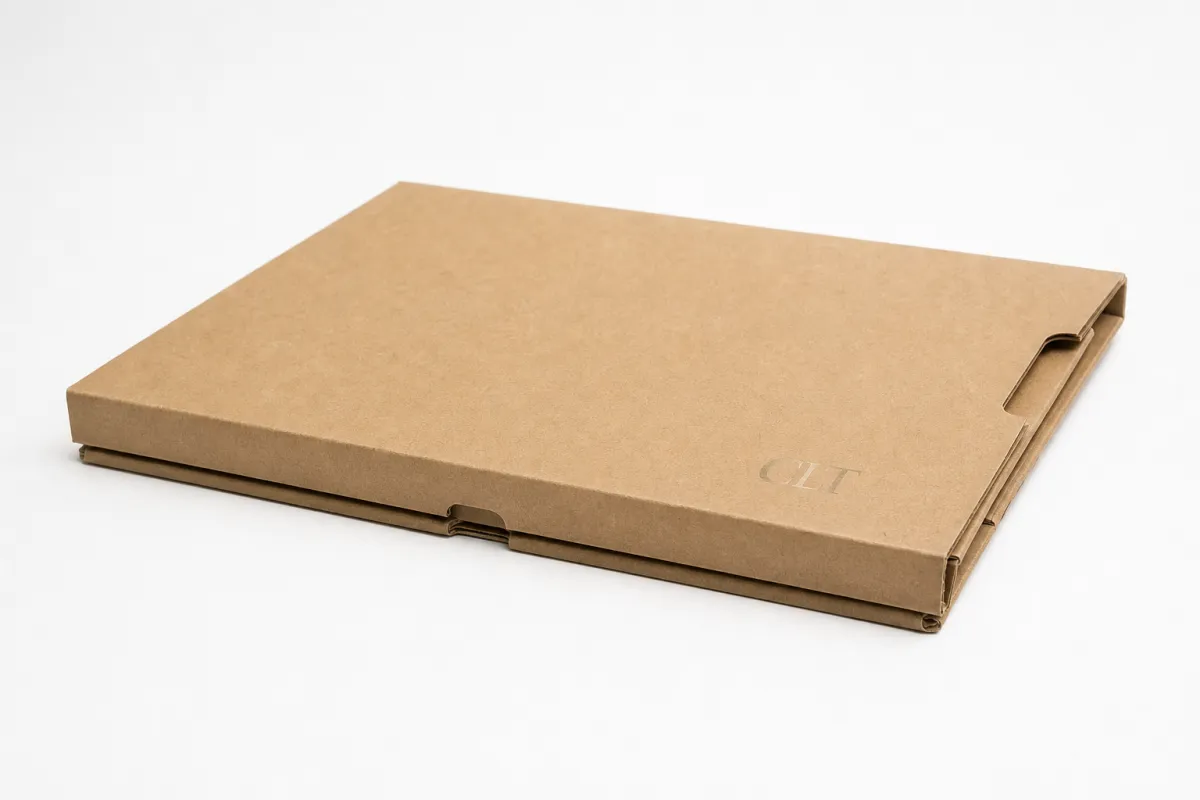
The biggest advantage of fold flat shipping cartons wholesale is easy to see once you look at the cube. Flat-packed cartons move with far less wasted air than pre-assembled boxes. That matters during inbound freight, pallet storage, and receiving. A buyer ordering 10,000 units can often fit far more cartons into the same trailer space than with rigid boxes, which cuts shipping materials expense before a single order is packed.
Warehouse teams feel the difference immediately. Flat-packed supply is a capacity tool, not just a storage preference. Cartons that arrive flat can be staged near the pack line without taking over the floor, which helps keep the operation moving during peak periods. That matters even more when the facility handles multiple carton sizes. Fold flat shipping cartons wholesale also reduce scuffed corners and crushed flaps because the cartons are not sitting exposed in a formed shape for days or weeks.
Labor tells the same story. A carton that folds in a repeatable motion is easier to use than one that turns assembly into a guessing game. The best designs follow a clean fold sequence, which keeps packers moving and reduces the friction that builds up on a busy shift. If the carton is gonna live on the line, it needs to fold the same way every time. Multiply that by hundreds of orders and the savings become hard to ignore.
Dimensional weight is where many buyers get caught. Oversized cartons can trigger higher billed freight even when the actual product is light. A tighter carton does more than save storage space. It can shrink the shipping footprint enough to lower freight charges, which is why fold flat shipping cartons wholesale can make sense even for products that are not fragile. The box itself is part of the freight calculation.
Inventory control improves as well. Flat cartons count more cleanly, stack more neatly, and reconcile more accurately. When cartons arrive assembled, the receiving team often has to break down volume or find room for the extra bulk. Fold flat shipping cartons wholesale make receiving easier, storage cleaner, and issue-to-pack-line movement more predictable. That kind of consistency is valuable in any operation that has to keep order flow steady.
If you are comparing carton formats across a larger packaging program, the broader catalog helps frame the decision. Our Custom Packaging Products page shows how cartons, inserts, and branded transit packaging can be matched to the shipping lane instead of treated like a one-size-fits-all stock purchase.
Some businesses want a carton that doubles as a branded shipper. Others need a tougher outer box with protective inserts inside. Either way, fold flat shipping cartons wholesale remain attractive because the format supports storage discipline, faster pull times, and better control over pack-out.
Fold flat shipping cartons wholesale: product details and formats
Fold flat construction means the carton is die-cut and scored so it can ship as a flat blank and then convert into a finished box at the point of use. The structure can be simple or highly engineered, depending on how the carton will be handled and what it needs to protect. In practice, fold flat shipping cartons wholesale covers several formats, each with its own assembly style and performance range.
Mailer-style cartons, tuck-top cartons, regular slotted cartons, retail-ready cartons, and custom die-cut formats all fall into this family. Mailer-style cartons work well for ecommerce shipping because they open cleanly, close securely, and present the product in a tidy way. Tuck-top cartons are common for light goods or presentation packs. Regular slotted cartons tend to win for heavier items that need more strength. Custom die-cut formats fit unusual shapes or a brand experience that needs a specific opening sequence.
Buyers comparing fold flat shipping cartons wholesale to other packaging formats should think in terms of use case. A subscription box may need a cleaner interior and a printed exterior. Spare parts shipping usually calls for protection and repeatability. A promotional kit may need a carton that feels finished enough to go straight to the customer without another wrap layer. Each of those needs is different, even though all of them technically start with a box.
Materials matter just as much as structure. Kraft liners often bring a natural look and solid stiffness. White-lined corrugated stock gives a cleaner surface for print. Heavier branding, especially for customer-facing shipments, may call for broader print coverage or a smoother exterior finish. Plain kraft keeps costs controlled when the goal is utility. Printed and finished cartons make more sense when the carton is part of the brand experience.
Here is a useful comparison for buyers sorting through fold flat shipping cartons wholesale options:
| Carton Type | Best Use | Typical Board | Indicative Unit Cost at 5,000 Units | Lead-Time Pressure |
|---|---|---|---|---|
| Mailer-style carton | Ecommerce shipping, gift-style unboxing | E-flute or B-flute | $0.32-$0.58 | Moderate |
| Tuck-top carton | Light retail packs, presentation kits | E-flute | $0.28-$0.52 | Moderate |
| Regular slotted carton | Heavier product shipping, industrial goods | B-flute, C-flute, or double wall | $0.40-$0.90 | Lower if standard, higher if custom |
| Custom die-cut carton | Odd shapes, branded pack-outs, tight fit | E-flute, B-flute, or tailored board | $0.38-$0.80 | Higher due to tooling and proofing |
Those figures are directional rather than fixed, but the pattern is consistent. Simpler carton geometry usually keeps tooling costs down, while special print coverage and more complex structure push pricing upward. Fold flat shipping cartons wholesale can be cost-effective, though only when the carton is built for the job instead of being overdesigned for appearance alone.
If you are already comparing outer packaging, it helps to review Custom Shipping Boxes and Custom Poly Mailers. Some SKUs belong in corrugated cartons. Others move better in lighter shipping materials. Good buying starts with fit, not habit.
Closure behavior is another detail worth checking. Tabs, locking ears, dust flaps, and score accuracy all affect how the carton folds and how it holds during transit. A box can look perfect on a spec sheet and still slow the pack line if the scores are stiff or the closure overlap is too tight. Fold flat shipping cartons wholesale only perform well when the small structural details support real production speed.
Specifications that matter before you request a quote
Before you request pricing for fold flat shipping cartons wholesale, get the measurements right. That sounds basic, yet this is where a lot of orders go off track. You need the internal length, width, and depth, not just the product label size. Add allowance for inserts, wrap, and any movement that the item needs during transit. A carton that fits in theory can still fail once it reaches the pack table.
Board grade is the next choice to make. Corrugated board is not as interchangeable as many buyers assume. E-flute gives a finer profile and a cleaner print surface, but less stacking strength than heavier board. B-flute usually balances print and protection well. C-flute and double-wall boards are better when package protection and stack strength matter more than minimum material cost. The board choice changes both the unit price and the way the carton performs in shipping.
For transit packaging, ask for performance targets that reflect how the carton will move through the supply chain. Edge crush strength, burst strength, and stacking load are more useful than vague claims about durability. If the shipment moves through parcel networks, testing aligned to ISTA methods can give procurement a familiar reference point. If fiber sourcing matters, FSC certification is another screen worth checking during sourcing review.
Buyers also need a dieline early. That file settles a lot of questions before production starts. Procurement wants the final price. Operations wants the assembly sequence. Design wants room for the logo and compliance marks. A dieline puts everyone on the same geometry, and it helps prevent rework when a closure tab lands too close to a panel edge or the artwork falls into a fold line.
Here are the specification fields I would ask for before approving fold flat Shipping Cartons Wholesale:
- Internal dimensions: product size plus clearance for inserts and pack-out motion.
- Board grade: E-flute, B-flute, C-flute, or double wall based on weight and stack load.
- Print method: unprinted kraft, one-color logo, or full exterior print.
- Closure style: tuck, tab lock, mailer fold, or slotted closure.
- Target performance: stacking strength, puncture resistance, and parcel test expectations.
- Assembly method: manual fold, machine-assisted fold, or pack-line assembly.
Two mistakes show up often. The first is measuring the product by nominal size rather than its true outer envelope. The second is forgetting the closure overlap, which can add more to the finished footprint than expected. Those mistakes lead to loose cartons, crushed corners, or extra void fill, none of which helps the line move faster. Fold flat shipping cartons wholesale only make sense when the finished dimensions are checked before production starts.
Print tolerance matters too. If the carton carries brand marks, regulatory copy, or shipping instructions, fold lines and trim tolerances need to be respected. A logo that straddles a crease can look fine on a monitor and awkward in print. At scale, that is more than a cosmetic concern. It affects how customers see the brand and how the pack team handles the box.
If the fit is tight, ask for a sample or a flat dieline before you sign off. That gives the team a chance to confirm stackability, clearance, and pack-out speed before the full run begins. For fold flat shipping cartons wholesale, that small step often saves more time than it costs.
Fold flat shipping cartons wholesale pricing, MOQ, and unit cost
Pricing for fold flat shipping cartons wholesale comes down to a handful of variables, and most of them are tied to risk as much as cost. Carton size is the first one. Larger cartons use more board and take up more freight space. Board grade comes next. Heavier board costs more, but it can reduce claims, returns, and replacement shipments. Print coverage also has a clear effect. A plain kraft carton almost always costs less than a fully printed exterior with multiple ink hits or special finishes.
MOQ, or minimum order quantity, is where buyers need to stay practical. Smaller runs can be made, but setup time, tooling, and production efficiency tend to push the unit price up. Larger orders spread those costs across more cartons, which usually improves the number quickly. That is why fold flat shipping cartons wholesale can look expensive at 500 units and far more sensible at 5,000 or 10,000. The plant is watching changeover time and run length, not your internal budget cycle.
As a rough reference, a standard custom mailer carton might land around $0.32-$0.58 per unit at 5,000 pieces, while a heavier regular slotted carton can run higher, especially if the board is upgraded or the print area grows. At 10,000 units, unit cost often drops enough to shift the decision, though not always. Long-haul freight can erase part of that savings if the box is oversized. That is the dimensional weight trap, and it catches more buyers than it should.
Here is the comparison I would use in a procurement review:
| Buying Factor | Lower-Cost Choice | Higher-Performance Choice | What Usually Changes |
|---|---|---|---|
| Board grade | E-flute kraft | B-flute or double wall | Cost rises, package protection improves |
| Print coverage | One-color logo | Full exterior print | Unit price rises, branding improves |
| Carton structure | Standard mailer | Custom die-cut with special closure | Tooling and setup increase |
| Order quantity | 500-1,000 units | 5,000-10,000 units | Unit cost usually drops at scale |
| Freight plan | Single-location delivery | Split shipment or staged deliveries | Handling and transit cost can shift |
MOQ should never be judged in isolation. A quote can show a low unit price and still lose once freight is added. Landed cost is what matters. If the ship point is far away or the carton takes up extra cube, the total bill may be worse than a slightly higher per-unit price from a closer source. Fold flat shipping cartons wholesale are easiest to justify when storage, freight, and pack-line efficiency are counted together.
To speed up pricing, send exact dimensions, a short print brief, target quantity, and the ship-to location. If you already know the board grade and closure style, include those as well. The quote will be cleaner, and the revision count will stay lower. If your business buys cartons regularly, our Wholesale Programs page can help you align repeat orders with forecasted volume instead of handling each purchase as a rush job.
A simple budget rule helps. Low-value products on short shipping lanes usually fit well in a lighter carton. High-replacement-cost items deserve a more conservative build. One damage claim can wipe out the savings from a cheaper box. Fold flat shipping cartons wholesale should be priced against that risk, not against board cost alone.
Process and timeline: from spec approval to delivery
The buying process for fold flat shipping cartons wholesale is usually simple on paper, but it works best when each step is clearly defined. Inquiry and spec review come first. Pricing follows. Then sample approval or dieline sign-off. After that comes production, finishing, packing, and freight shipment. If any of those steps is unclear, the schedule slips. Packaging teams know the pattern well because carton orders rarely fail in manufacturing alone; they usually fail because some piece of information was missing.
Timeline depends on carton complexity. A standard format with straightforward print can move quickly once artwork is approved. A fully custom die-cut build, especially one with special board or complex registration, takes longer. Seasonal demand, board availability, and freight distance all stretch the window. In practical terms, many fold flat shipping cartons wholesale orders land in the 12-15 business day range after proof approval for simpler builds, while more involved structures may need longer. That is a planning baseline, not a promise.
Artwork approval creates one of the most common delays. Sample sign-off does the same. A buyer can save days by preparing files before final pricing and by confirming whether the carton is meant for internal transit packaging or customer-facing ecommerce shipping. Those are different jobs, and they often need different finish choices. Settling that early keeps the run moving.
Receiving also deserves planning. A large carton order may arrive in palletized bundles that need floor space, dock time, and a staging spot near the pack line. If those details are not sorted until the truck is already on the way, the operation absorbs avoidable friction. Fold flat shipping cartons wholesale are supposed to reduce warehouse pressure, not create a second problem at receiving.
Here is what a clean timeline usually looks like:
- Send product dimensions, quantity, and print goals.
- Review the recommended carton structure and board grade.
- Approve a quote and confirm artwork or dieline details.
- Sign off on a sample or production proof.
- Move into manufacturing and finishing.
- Receive, inspect, and stage the cartons for use.
That sequence is simple, though the discipline sits in the handoff. A few millimeters or one missing print detail can force a reprint or push production back. The teams that avoid those issues do two things well: they document fit requirements early and they decide who owns final approval before the quote is issued. The process is not flashy, but it saves money and a fair amount of frustration too.
For buyers comparing packaging formats, it helps to place fold flat shipping cartons wholesale next to lighter options. A branded carton may be the right call for premium items, while Custom Poly Mailers may fit low-bulk garments or soft goods where protective performance is sufficient without corrugated board. The right answer depends on weight, return rate, and what the customer expects to open.
One more planning point: ask what status updates you will get during production. Clear checkpoints reduce procurement stress. If the supplier can confirm proof approval, production start, packing completion, and freight handoff, your team can plan labor and storage around the actual ship date rather than a rough promise. Small details like that make a real difference in packaging operations.
Why choose us for fold flat shipping cartons wholesale orders
Buyers do not need packaging poetry. They need accurate specs, steady production, and a supplier who understands how the carton will actually be used. That is the value behind fold flat shipping cartons wholesale with Custom Logo Things. The goal is to match carton structure to the product, then keep the process clear from quote to shipment. If the carton does its job, the warehouse moves faster and the customer receives a cleaner package.
Fit matters most. A supplier can offer good pricing and still miss the mark if the carton is too loose, too fragile, or too awkward to assemble. The better approach is practical: review the product dimensions, shipping lane, print requirement, and pack-out method before the order is placed. That is how you get a carton that supports package protection without adding unnecessary material.
Consistency matters too. Packaging buyers often underestimate how much time is lost when cartons vary slightly from batch to batch. In a busy pack room, a small change in score depth or closure behavior can create real friction. Fold flat shipping cartons wholesale are most valuable when the build is repeatable. That is what makes them useful for recurring ecommerce shipping, subscription fulfillment, and planned rollouts.
From a procurement standpoint, the strongest supplier relationship keeps surprises out of the room. Clear dielines, sensible MOQ guidance, and straightforward freight planning all help. So does a real discussion about whether the carton should be paired with another product in the line, such as a mailer, insert, or secondary box. If you are standardizing multiple packaging formats, our Custom Packaging Products catalog can help map the carton to the right shipper or accessory without forcing every SKU into the same structure.
Operational support should cover sample checks, print consistency, and packing instructions. Those are part of the job, not extras. If the carton will be used at scale, a minor defect in score alignment or glue application turns into a much bigger issue very quickly. A dependable supplier catches that before shipment instead of after complaints begin.
There is also a compliance layer. Some brands need FSC-aligned fiber sourcing. Others need carton performance that lines up with ISTA or ASTM expectations. Not every shipment needs formal testing, yet the option matters. Buyers selling into retail, ecommerce, or industrial channels often need enough documentation to satisfy internal QA or customer audits. Good packaging support should make that easier. If you want a technical reference for distribution testing, ISTA is a useful starting point.
In practice, the best reason to choose a partner for fold flat shipping cartons wholesale is simple: fewer reworks, fewer delays, and a cleaner receiving process. The carton is not just a box. It is a shipping material, a handling task, and sometimes a brand impression all at once. When those pieces line up, the business sees the benefit right away.
Next steps for ordering fold flat shipping cartons wholesale
If you are ready to order fold flat shipping cartons wholesale, start with the product itself. Measure the longest, widest, and tallest points, then add the clearance needed for inserts or wrap. After that, choose the board grade based on weight, stack exposure, and shipping route. A light product may do fine in E-flute. A heavier or more fragile item may need B-flute or a stronger corrugated construction.
Next, decide whether the carton needs print. A plain kraft box can be the right answer for utilitarian shipping. A branded exterior makes sense if the carton is visible to the customer or if the box is part of the brand experience. That choice affects cost, and it changes how the pack-out feels. For some buyers, the extra spend is worth it. For others, plain and simple is the smarter move.
Then gather the quote inputs. You will get better pricing and fewer revisions if you provide dimensions, quantity, artwork requirements, ship-to address, and timing expectations in one pass. If the design is sensitive, ask for a sample or a dieline before final approval. That small step helps verify fit, stackability, and assembly speed. It is one of the best ways to avoid a mismatch between paper specs and real-world pack-line behavior.
Compare options by total landed cost. That means unit price, freight, expected damage rate, and handling time. A carton that looks cheap but creates rework is not cheap. A carton that fits well and folds quickly can save more than it costs. Fold flat shipping cartons wholesale are easiest to justify when they reduce waste in more than one place.
Here is the short version:
- Measure the internal fit, not the product label.
- Choose the board grade that matches the lane and load.
- Confirm whether branding or plain kraft is the better commercial choice.
- Request a sample or dieline if the fit is tight.
- Review freight and handling before approving the quote.
For buyers building a broader sourcing plan, the best path is often to standardize a few carton sizes and keep them stocked through a wholesale program. That reduces surprise ordering and gives procurement a cleaner forecast. It also makes scaling easier if order volume grows or product mix changes. If you need a starting point for repeated purchasing, Wholesale Programs can help structure that buying pattern around your volume instead of last-minute urgency.
One last comparison helps put the decision in context. Some businesses try to solve every shipping problem with the lightest package possible. That works until the product gets damaged or the presentation feels thin. Others choose the heaviest box they can find, then pay for excess freight and wasted cube. The better answer sits in the middle: a carton that is sized correctly, built for the lane, and priced against full landed cost. That is where fold flat shipping cartons wholesale usually deliver the strongest return.
If you want predictable supply, efficient storage, and cartons that are ready for scale, fold flat shipping cartons wholesale is the format to start with. It is a practical purchase, not a decorative one. In packaging, practical usually wins.
Frequently asked questions
What is the typical MOQ for fold flat shipping cartons wholesale?
MOQ depends on carton size, print complexity, and whether the build is stock-based or fully custom. Smaller runs are possible, but setup cost gets spread across fewer units, so the unit price rises. For many buyers, the best value break appears somewhere between 1,000 and 5,000 units, though that changes with board grade and tooling.
How do I choose the right size for fold flat shipping cartons wholesale?
Measure the product at its longest, widest, and tallest points, then use internal carton dimensions. Add space for inserts, protective wrap, and any movement the item might need during transit. If the fit is tight, request a dieline or sample before approving production so the pack-out is confirmed before the run starts.
Are fold flat shipping cartons wholesale suitable for ecommerce shipping?
Yes. They are commonly used for ecommerce shipping because they store flat, assemble quickly, and can be designed for strong package protection. They work best when the board grade and closure style match the product weight and the shipping lane. If the box is customer-facing, print and finish choices matter as well.
What affects pricing for fold flat shipping cartons wholesale the most?
The biggest cost drivers are carton dimensions, board grade, print coverage, quantity, and freight. Custom tooling or unusual die-cut features can raise setup cost. Larger quantities usually improve unit cost, but the most economical carton is still the one that fits the product and reduces damage, not the one with the lowest quote line.
How long does production take for fold flat shipping cartons wholesale?
Timeline depends on artwork approval, sample sign-off, carton complexity, and material availability. Standard formats usually move faster than fully custom builds with special print or structural features. To avoid delays, confirm specs early and submit final artwork before production begins. That keeps the schedule tighter and reduces the chance of rework.
Actionable takeaway: pull your internal dimensions, board target, quantity, artwork needs, and ship-to address into one spec sheet, then request a flat dieline before you approve production. Compare the quotes on landed cost, not just unit price, so you do not trade a low number on paper for higher freight, slower pack-out, or avoidable damage later on.


