A hotel Flat Bill Snapbacks factory quote is rarely just a price. For a hotel, it is a test of whether the cap will do real branding work in the places that matter: at the front desk, in staff photos, on a cart in the lobby, or across a guest-facing service team. A flat bill gives the logo a broader stage, which can make even a modest mark read more clearly than it would on a curved cap. That difference is easy to miss on a spec sheet and obvious once the cap is on a head.
Buyers often start with price and end up fixing fit, decoration, and packaging later. That usually costs more than getting the spec right the first time. A good quote should line up with the actual use case, not a generic cap template. The useful question is not “what is the cheapest number?” but “what build will still look right after repeated wear, repeat orders, and long shifts?”
If the logo disappears at a few feet away, the cap is doing only part of the job.
Why flat bill hotel caps can outwork curved styles
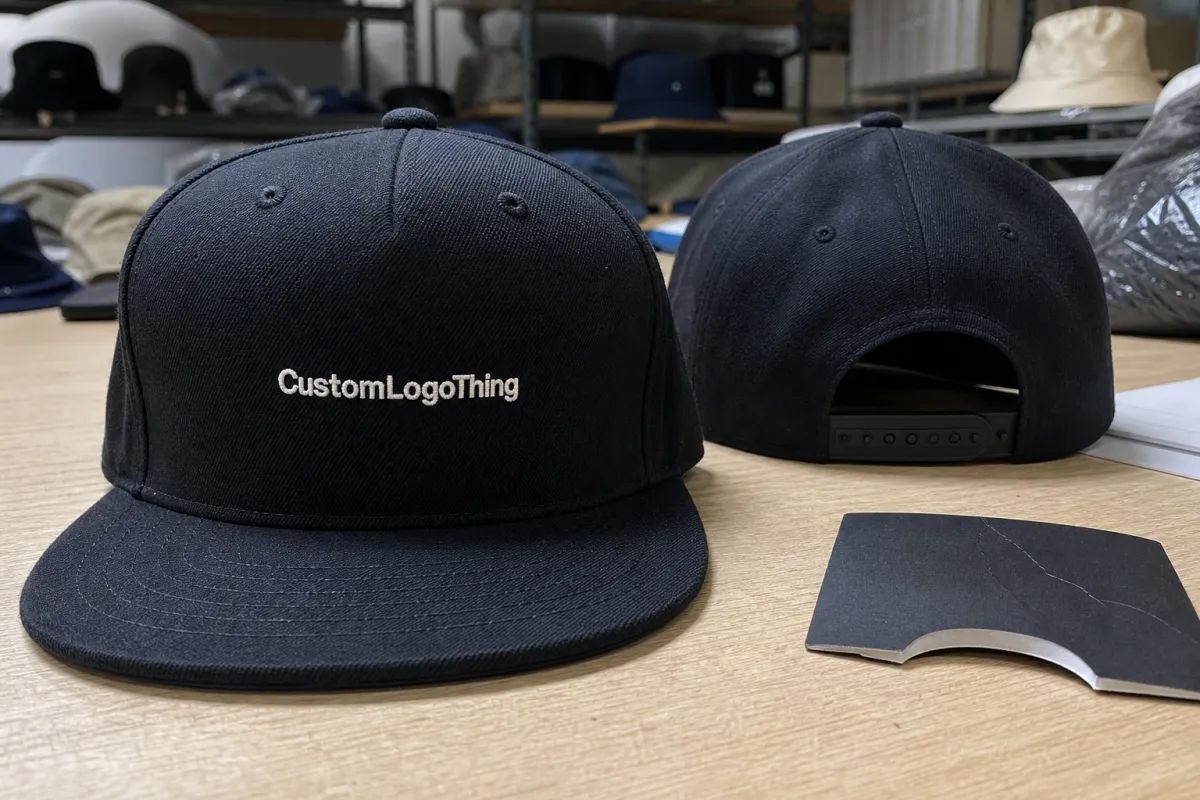
A flat bill changes the geometry of the front panel. The eye sees a wider visual field, and that matters for hospitality logos, which are often word-heavy, crest-based, or built around a compact symbol that needs room to breathe. On a flat front, letters stay level, edges stay cleaner, and the overall mark usually feels more deliberate. Curved caps can work, but they ask more of the artwork and more of the logo's spacing.
Hotels also use caps in more varied settings than many apparel buyers expect. Front desk staff need something polished. Concierge and bell teams need a cap that reads as part of a uniform, not retail merch. Housekeeping and event teams need a piece that stays comfortable through a long shift and still looks tidy at the end of it. Some properties even treat the cap as a small retail item, where the shape and finish have to survive close inspection from a guest willing to spend on a souvenir.
That said, flat bills are not automatically the best answer. The silhouette can look sharp, but the crown height needs to match the wearer's profile. If the structure is too tall or too stiff, the cap can sit awkwardly and feel borrowed rather than branded. That is where many first-time buyers get caught: the design looks great in a mockup and too bulky in real life. A hotel Flat Bill Snapbacks factory quote should reflect that fit decision, because structure affects comfort and appearance as much as decoration does.
There is also a practical branding advantage. Flat bills photograph well. They hold a cleaner line in lobby shots, event coverage, and onboarding materials. If a property cares about the cap's appearance in social posts or internal content, the shape is not a small detail. It is part of the message.
Design choices that change fit and logo visibility
Structured crowns are the default for a reason: they keep the front panel upright, which helps embroidery stay readable. Unstructured caps can feel softer, but the logo can start to collapse inward after wear, especially if the stitch count is dense or the artwork is wide. For hotels, that crisp front face matters. It keeps the cap looking intentional rather than worn out.
Panel count changes the front surface and the cost profile. A 6-panel build is the most common because it balances shape, comfort, and price. A 5-panel cap gives a wider front panel, which can be useful when the logo needs more horizontal room or when the buyer wants a patch to sit flatter. Crown height matters too. Mid-profile caps usually suit a broad range of staff members. High-profile builds can create a stronger streetwear feel, which may be fine for a younger resort brand or a gift-shop item, but it is not always the best fit for a traditional property.
Color choice is where many briefs become more complicated than they need to be. Contrast does a lot of the work. A dark body with a light logo often reads better than a busy multicolor arrangement. The reverse can also work. PMS matching is useful when a hotel needs brand consistency across properties or across future reorders. If the buyer starts with a muted body color and a clear logo, the cap can look premium without needing oversized decoration.
Comfort still matters after the design has been approved. Sweatbands, eyelets, and closure style decide whether staff keep wearing the cap after the first week. A moisture-control sweatband helps in warm climates or high-activity roles. Eyelets improve airflow. The plastic snap closure remains popular because it is fast, adjustable, and easy to size across a mixed team. For hotel uniform programs, that convenience is a genuine advantage, not just a budget choice.
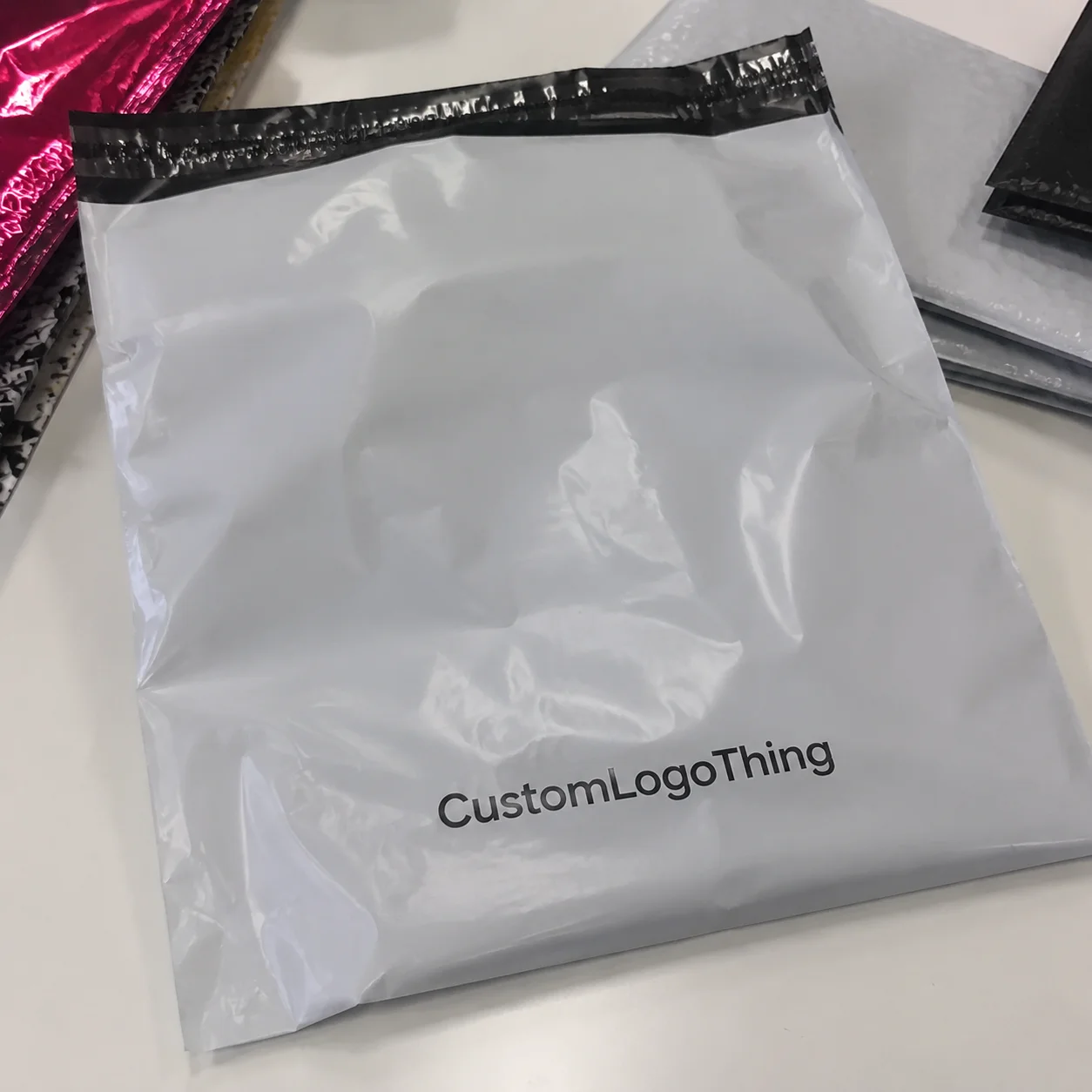
Packaging should be part of the design conversation, especially for retail or property-wide programs. Caps that are folded, compressed, or shipped in generic cartons often lose shape before they reach the floor. Industry references such as the Institute of Packaging Professionals and the ISTA transit testing framework are useful if the order includes inserts, cartons, or mail-ready packing. The cap itself may be simple; the way it arrives is not.
Custom specs for panels, closures, and decoration methods
The most useful specs are usually the least dramatic. A 6-panel, structured, flat-visor snapback is the standard baseline. A 5-panel build works better when the front art needs more width. Mid-profile crowns are generally easier to wear across different staff groups. High-profile caps can still be right, but only if the brand wants a bolder shape and the wearer profile supports it.
Decoration is where the cap can either look tailored or generic. Flat embroidery is durable and clean, especially when the logo has limited color counts and clear outlines. 3D puff embroidery adds depth, but it can make small lettering harder to read and should be used carefully on hospitality pieces. Woven patches and leather patches are common when the artwork has fine detail or when the buyer wants a slightly more refined surface than direct stitching can offer. Screen print underbill designs are more niche, but they can add a quiet brand touch for retail or premium staff programs. A woven label on the back strap or side panel can serve as a secondary identifier without crowding the front.
Material choice affects both comfort and how the decoration holds up. Cotton twill is the familiar option because it accepts embroidery well and gives a clean hand feel. Brushed canvas has a softer finish. Performance blends can be useful in hot climates or for roles that move between indoor and outdoor spaces all day. Moisture-control materials make the most sense for valet, events, patios, and seasonal outdoor work. The right material is the one that keeps the cap wearable, not the one that sounds the most premium on paper.
Before bulk production, the sample should lock down stitch count, thread colors, patch size, logo placement, and artwork scale. If those keep changing after the mockup stage, the order is not ready. A factory should ask for vector artwork, exact Pantone targets where needed, and a signed proof before starting mass production. That discipline protects the buyer from avoidable errors and protects the supplier from last-minute spec drift. It also keeps the final hotel Flat Bill Snapbacks factory quote meaningful instead of provisional.
| Spec package | Typical MOQ | Indicative unit price | Best fit |
|---|---|---|---|
| 6-panel structured cotton twill, flat embroidery, snapback | 300-500 pcs | $2.60-$4.20 | Basic staff uniforms with one clear logo |
| 5-panel structured build, woven or PVC patch, snapback | 500-1,000 pcs | $3.40-$5.90 | Sharper front-panel branding with stronger visual presence |
| Premium blend, patch plus embroidery, custom labels, retail-ready packing | 1,000+ pcs | $4.80-$7.20 | Gift-shop resale or multi-property brand programs |
Those prices are factory-style ranges, not landed costs. Freight, duties, inserts, labels, and special packing can move them quickly. They still help buyers separate a basic uniform cap from a more polished hospitality piece.
Hotel flat bill snapbacks factory quote: cost, MOQ, unit price
Most quote requests rise or fall on five inputs: cap body, decoration complexity, order size, branding extras, and packaging. A plain cap with one logo location is always cheaper than a cap with front embroidery, side patching, a woven back label, and custom tissue or cartons. That is not mysterious markup. It is labor, setup, and material count.
MOQ works the same way. Lower minimums are available, but the unit price usually climbs because setup costs spread across fewer pieces. A 300-piece run and a 3,000-piece run are different production problems, not just different volumes. If a hotel is testing a new uniform concept, a smaller run can be the safer move. If the spec is already approved and the order will repeat, higher volume usually improves pricing without changing the cap itself.
Accurate quoting depends on the quality of the brief. Artwork files matter. PMS color targets matter. Delivery destination matters. Packing instructions matter. A request for individual polybags, barcode stickers, or retail hangtags can change the number even if the cap looks identical from the outside. If the buyer needs landed pricing instead of ex-works pricing, that needs to be stated early. Otherwise the first quote and the final invoice can feel like different conversations.
Ask for tiered pricing rather than a single line. A useful quote should show the gap between one front logo, front plus side branding, and front plus custom inside label. That makes it easier to decide whether a small upgrade is worth the extra spend. It also keeps the discussion grounded in specs instead of vague premium language.
One more pricing reality: the cheapest sample is not always the cheapest production path. A sample that skips a key detail can approve the wrong thing. Then the buyer pays later in revisions, delayed production, or rework. A clean quote should make those tradeoffs visible before the order is locked.
Production steps, proofing, and typical turnaround
The workflow is predictable when the spec is clear. It starts with brief review and mockup work. Then the factory confirms the fabric, crown shape, bill style, closure type, and decoration method. After that comes a digital proof or sample image. If the artwork, proportions, or colors need adjustment, revisions happen there, not after production has started. Bulk production should begin only after proof approval.
Proof revisions affect lead time more than most buyers expect. Moving a logo slightly is quick. Changing panel structure, stitch density, or patch size takes longer because those changes affect the physical build, not just the art file. The person approving branding should review the first proof directly. Passing it through too many people usually turns a clean timeline into a moving target.
For timing, realistic ranges are better than promises. Sample approval can take a few days or stretch to a couple of weeks, depending on how much back-and-forth is needed. Bulk production often lands in the 12-20 business day range once everything is approved, though larger or more complex orders can take longer. Freight is its own clock. Air, sea, and courier each change the schedule in a different way.
The fastest way to keep the order on track is to send complete information the first time: artwork files, quantity by color, logo placement, preferred closure, delivery window, and packaging requirements. If the caps are tied to an opening, conference, seasonal launch, or staff rollout, that timing needs to be visible early. Factories can plan around a clear deadline more easily than a moving one.
Sample approval is worth the extra step even when the buyer thinks the spec is simple. A mockup or pre-production image can catch issues like logo scale, patch thickness, underbill color, or crown proportion before they become expensive. That is a small delay compared with correcting a full batch.
Why buyers source hotel caps from a dedicated factory
Factory sourcing usually gives tighter control over consistency. That matters once a hotel group is ordering dozens or hundreds of units across departments. The same bill stiffness, the same thread color, and the same logo placement tolerance should show up across all of them. A dedicated factory is better positioned to hold those tolerances than a middleman passing changes through several layers.
Responsiveness is another advantage. If the buyer wants to revise crown height, switch from embroidery to patch work, or adjust the closure color, a factory can usually evaluate the request against actual production constraints more directly. That does not mean every change is cheap or quick. It means the answer is grounded in construction reality rather than guesswork.
Repeat orders benefit too. Multi-property hotel groups often need the same cap spec year after year, with only a logo update or color shift. If the factory keeps the original card and confirmed measurements, the reorder becomes simpler and less risky. For uniforms, guest-facing service teams, and seasonal retail runs, consistency matters more than novelty.
Quality control is where dedicated sourcing becomes visible. Look for seam alignment, logo placement tolerance, brim stiffness, color matching, and clean finishing around the sweatband and closure. For packaging inserts or shipping cartons, it helps to ask whether the supplier is using packing methods that protect shape in line with common ISTA-style transit expectations. If sustainability is part of the brief, recycled materials and FSC-aligned cartons deserve closer inspection, not just a mention in the spec.
There is also value in a supplier who says no when a request is unrealistic. A cap that looks fine in a rendering can fail in production if the decoration is too dense, the patch is too thick, or the delivery window is too short for the build. Clear pushback saves time and avoids awkward compromises later.
What to confirm before requesting the final quote
Before asking for the final number, build the brief like a production document. Include quantity by color, delivery target, logo files, preferred fabric, closure type, and decoration method. If the order is split across departments or properties, say that too. A cap run for front desk and a cap run for housekeeping may look similar and still need different wearability choices.
Then check the hidden-cost items. Samples may cost extra. Freight almost always does. Rush production can add a premium. Custom inside labels, barcode stickers, hangtags, and retail packaging all affect the final bill. None of these additions are wrong, but they should be visible before approval. A quote that hides them is not really a complete quote.
It helps to compare two or three specs side by side. For example: one with flat embroidery only, one with a woven patch, and one with patch plus custom labels. That comparison shows where the money goes and where the tradeoffs live. Clarity beats optimism every time, especially if the order has to be repeated later.
If the hotel group is still deciding between versions, a proof or sample image should come before production starts. The final hotel flat bill Snapbacks Factory Quote should make the next step obvious: what is included, what is extra, and what changes if the buyer wants to move up or down a spec level. That kind of quote is easier to approve, easier to reorder, and less likely to cause arguments after the caps arrive.
Frequently asked questions
What should I include in a hotel flat bill snapbacks factory quote request?
Send quantity by color or size, the exact delivery deadline, logo files, preferred placement, fabric choice, closure style, and decoration method. If you need landed pricing, include the shipping destination and packing preferences. The more complete the brief, the less likely the quote will shift after the first round.
What is a realistic MOQ for custom flat bill hotel caps?
MOQ depends on fabric, decoration method, and whether the cap uses custom trims. Many factory runs start in the low hundreds, though smaller orders can sometimes be arranged. Lower minimums usually carry a higher unit cost because setup is spread across fewer pieces.
How long does hotel flat bill snapback production usually take?
Proofing is usually the first timing step, and revisions can add days before production starts. Sample approval, if needed, extends the schedule further. Bulk production and freight are separate blocks, so both should be confirmed in writing before the order is placed.
Can I use embroidery and patch work together on hotel snapbacks?
Yes. Combining front embroidery with a side or back patch is common for hospitality caps. The main risk is crowding the front panel, which can make the design feel busy. Ask for a mockup or sample image so you can check stitch count, patch thickness, and overall balance before production.
How do I lower the unit price without changing the look too much?
Keep one decoration method instead of stacking multiple finishes. Reduce color counts, standardize one body fabric and one closure style, and increase order quantity if possible. You can also remove nonessential extras like custom inserts, special packaging, or rush handling.
A quote becomes easier to trust when it spells out the build, the quantity break, and the extra charges. That is the difference between a number that looks good and a number a hotel can actually use.