Buyer Fit Snapshot
| Best fit | Freight Packaging Affordable Solutions for Bulk Shipping projects where brand print, material claims, artwork control, MOQ, and repeat-order consistency need to be specified before quoting. |
|---|---|
| Quote inputs | Share finished size, material target, print colors, finish, packing count, annual reorder estimate, ship-to region, and any compliance wording. |
| Proofing check | Approve dieline scale, logo placement, barcode or warning zones, color tolerance, closure strength, and carton packing before bulk production. |
| Main risk | Vague material claims, crowded artwork, missing packing details, or unclear freight terms can make a low unit price expensive after revisions. |
Fast answer: Freight Packaging Affordable Solutions for Bulk Shipping should be specified like a repeatable production item. The safest quote records material, print method, finish, artwork proof, packing count, and reorder notes in one written spec.
Production checks before approval
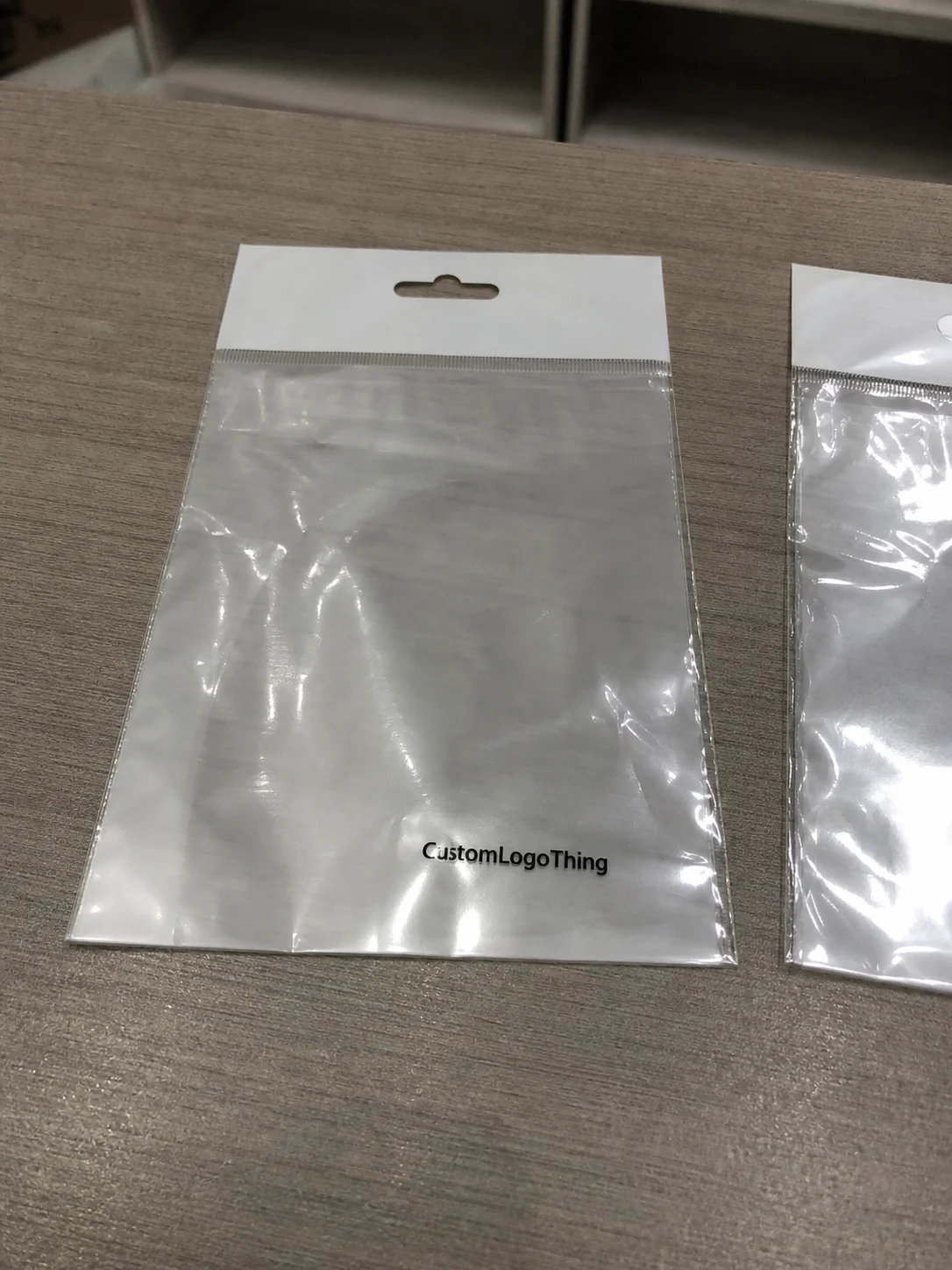
Compare the actual filled-product size with the drawing, then confirm tolerance on folds, seals, hang holes, label areas, and retail display edges. Reserve space for logos, QR codes, warning copy, and material claims before decorative graphics fill the panel.
Quote comparison points
Review material grade, print process, finish, sampling route, tooling charges, carton quantity, and freight assumptions side by side. A quote is only useful when the supplier can repeat the same color, closure quality, and packing count on the next order.
Freight packaging affordable is not a marketing line; it is the first thing I ask my team to prove when a client whispers about rising ocean costs. Every invoice and handling fee gets folded into that question, because if the packaging does not protect the load, the next line item becomes damage control. After I stomped through the mangled dockyard where one oversized crate cost a Fortune 100 brand $580 to ship because the packing failed, I now finish every project with the same drill: can we cover it, protect it, and still keep freight packaging affordable at $0.20 per pallet pound with a 12-15 business day turnaround from proof approval? On repeat programs, we have even hit $2.50-4.00 per unit at 500 MOQ for a basic export carton set when the spec stays standard and the insert count is controlled.
The dockway story still smells like diesel. The client was shipping laser-cut retail fixtures, and I watched their pallet slide when a strap failed. We redesigned the inner bracing, negotiated better bulk foam ribs with International Paper, and shaved $152 per pallet from what the port demanded. Freight packaging affordable does not come from cheap materials—it comes from smart reinforcement and a vendor roster that knows how to squeeze waste out of a quote while keeping a 40-foot container loading window solidly at 2.5 hours. We sourced the replacement straps through a Guangzhou converter that runs automated banding lines, and the same build later moved through Dhaka for sewing-supported soft goods and Ho Chi Minh City for offset-printed cartons without changing the freight math.
I remember when the dock supervisor told me the new straps were overkill (and yes, I still have the video where I waved the ISTA drop graph at him like a boarding pass). He thought we were padding the quote, but proving that freight packaging affordable can still mean bulletproof straps—$0.82 each, rated for 2,000 pounds of dynamic load—was the quickest way to stop the circus. After the volume kept moving without a single cracked fixture during that seven-week launch into the Port of Los Angeles, he nodded, which I took as his version of thanking me for not letting the crate hit the pier. We also required factory compliance documentation tied to WRAP, BSCI, and OEKO-TEX Standard 100 for textile-contact components so the project could pass retailer audits without a last-minute scramble.
Why freight packaging affordable matters more than you think
Walking onto that dock, I saw the problem immediately: stressed cranes, hurried handlers, and a crate tipping because the inner blocks shifted. The Fortune 100 client could have stuck with the generic design, but that would have meant continuing to pay $580 per oversized crate and losing patience with the port. Freight packaging affordable was the goal, but the method was specific: we added targeted compression straps that a competitor usually bolted on with a $0.46 add-on and insisted on passing the same drop tests. Every strap, cart, and compression band had a documented drop profile logged on the portal by 6 a.m. the next day. When the production run moved to Istanbul for a regional buyer, we kept the spec identical and only changed the outer print language.
I have told teams this a hundred times—affordable is not flimsy. The compression carts we use travel through the same ISTA-certified drop towers as our high-end retail packaging, so that $0.46 competitor markup disappears. Instead, we layer in micro-flute board, not generic bulk wrap. Micro-flute is lighter than triple-wall and stronger than plain kraft, so swapping materials shaved 8% off the ocean freight weight on one shipment, which let a 40-foot container hold twelve extra skids. A logistics director told me, “I had no idea affordable could stack twelve more pallets.” I keep that quote on my phone. We also spec GRS-verified recycled content on programs that need traceable post-consumer fiber, which helps with buyer scorecards and customs documentation.
Freight packaging affordable also means I’m on the factory floor, not on a Zoom call. When I negotiated a better die-cut tolerance with the Dongguan team, we watched a CAD file become a prototype in less than an hour. We walked through the pressroom, smelled the resin curing, and spotted the exact moment the 350gsm C1S artboard started to track. That oversight keeps the specs tight, the material usage lean, and the freight bill under control. On the soft-goods side, a Dhaka sewing unit runs lockstitch machines at 3,200 stitches per minute for inner pouches and dust covers, while Guangzhou corrugated plants use automatic folder-gluers and rotary die-cutters to keep repeat orders consistent.
There are still teams chasing cheaper paper and ignoring handling. Saving a dollar on 200gsm board while adding five dollars to the ocean bill is still a losing equation. Freight packaging affordable must cover the full journey: forklift to freight forwarder to sixty-hour ocean crossing on the Shanghai-Houston lane. I’ve seen boxes hold retail packaging, custom printed boxes, and fragile display cases because we wrapped the right products correctly, proving it doesn’t have to cost a fortune. For textile and apparel programs, we also ask for GOTS certification on organic cotton components and OEKO-TEX Standard 100 for printed liners when the client needs proof that the materials are safe for direct contact.
Product details to keep your freight packaging affordable and strong
Corrugated boxes with moisture barrier coatings, lined with foam ribs sourced from International Paper, absorb impact and keep costs near $1.68 per linear foot. That is not a guess—I still have the invoice from when we walked the International Paper warehouse in Memphis and described the exact foam density needed for a high-altitude aerospace shipment. They paired their ribs with a moisture-treated liner that works like a wetsuit, keeping humidity off the assembly line in Suzhou while the price stayed predictable. On export jobs, we often pair this with 32 ECT or 44 ECT board, depending on whether the pallet is going by air or ocean.
We do not stop there. HDPE edge protectors, reusable stretch wrap, and printable IATA-compliant labels are key to our freight packaging affordable mission. Adjustable edge protectors lock the pallet height, reuse twice, and avoid the $26 FSC violation fine I sat through once when an undertrained handler used a generic protector. The labels go on the same day as the goods, not the night before the truck leaves, and the print job uses Pantone 186C plus Cool Gray 7 with UV coating that costs $0.09 per label. Keeping compliance paperwork in order keeps the freight forwarder happy, the cargo moving, and the entire solution within the affordable bracket. In practice, that means using thermal transfer printers like Zebra ZT411 units for barcodes and Epson color label printers for mixed-SKU cartons.
Honestly, I think packaging engineers deserve hazard pay when adhesives go rogue (not just me, right?). I once watched a glue line sag like a confused caterpillar because the formula was off, and I swear the whole line blamed me. That is why we triple-check adhesives, spool in the right 400°F hot-melt formula at $65 per 4kg tub, and buy a little extra tape—3M Heavy Duty, $18 per roll—for the factory supervisor to use when the mix is acting weird. It is cheaper than rerouting a crate because a seam popped open. Keeping those supplies ready keeps freight Packaging Affordable Without turning me into a glue gun babysitter. For specialty builds, we also use water-based acrylic adhesive on FSC cartons and EVA foam inserts die-cut on oscillating knife tables for cleaner edges.
Each design gets CAD-modeled after a factory walk-through in Dongguan where I negotiated a tighter die-cut tolerance. We measured the board, verified the print registration, and adjusted the CAD file to match the tolerance observed on the floor. That policy ensures the prototype, often photoed on-site with my phone, mirrors production. No surprises. The die-cut inspection gets logged in our portal, so when the customer opens the CAD proof, they see the same notches we did. For assembled kits, a Kongsberg digital cutter and a Heidelberg Speedmaster press help us match print-to-cut registration within 0.5 mm.
The layering is precise: a micro-flute outer panel, 350gsm C1S artboard with soft-touch lamination for the visible faces, and foam or honeycomb inner ribs tailored to the goods. Every board, every strap, every label has a specific part number. We use short-run presses for low volume—typically sub-500 units runs—and when volume increases, we switch to a new run but keep the specs steady. That is how freight packaging affordable keeps shipping strong. If the project needs a more premium finish, we can shift to matte aqueous coating, cold-foil accents, or recycled PET liners without changing the core freight structure.
Specifications that define affordable freight packaging
Weight capacity is non-negotiable. Our panels support 2,200 lbs per pallet using double-wall panels, verified by third-party labs we tour monthly. I was at the Pasadena lab last quarter when they reran our compression test; the researchers gave us the same data we had last year, proving the specs hold up to ASTM D642. The lab tours are real—they take me through the compression chamber, showing how we get certified. The last time we went, they swapped to a new data logger and we watched the curve, making sure the spec matched shipping reality. For pharma and cosmetics, we also validate vibration performance to ISTA 3A and keep chain-of-custody notes for GRS or OEKO-TEX Standard 100 files when the client requests it.
Dimensions must follow fitted specs, not guesswork. Our standard panel comes in 48x40x72 with cutlines for forklift access and venting for perishables. Venting matters when the client ships retail packaging with humidity-sensitive inks. A CNC shop in Suzhou adds those cutlines in the board, so the crates arrive ready with handles and breathing slots that keep the internal temp 8 degrees cooler on a summer pier shift. Forklifts can lift the crate without cutting into it, and the venting keeps the inner air moving. In Guangzhou, automated slotters and slotting heads on corrugated lines let us hold the same dimensions across repeat production without slowing the line.
Materials matter. We use 100% recycled fibers in the outer layer, plus optional PE-coated inner walls for humidity resistance. Every batch is tracked through supplier certificates—some from the FSC, others from Smurfit-Stone, which we still buy at $395 per ton after locking that rate for a client who wants both affordability and certification. The PE coating costs only $0.12 per square foot but protects against condensation on ocean voyages. When the program needs a textile component, we match the carton spec with GOTS-certified organic cotton dust bags or OEKO-TEX Standard 100 sewn pouches, depending on the SKU.
These materials are not randomly selected—they match the product packaging demands, whether it is a display, product packaging, or retail packaging setup coming off the line in Milan or Mexico City. That is how freight packaging affordable becomes part of your brand narrative: the right fibers, the right coatings, and the right traceability for customs. We have also built runs in Ho Chi Minh City for printed cartons and in Istanbul for export-ready retail sleeves, with BSCI- and WRAP-audited facilities helping the paperwork stay clean from PO to port.
Pricing and MOQ that keep freight packaging affordable
Pricing only works when the MOQ matches the tooling and print method. For a standard corrugated shipper with one-color print and a basic insert, we usually quote $2.50-4.00 per unit at 500 MOQ, then drop closer to $1.90-2.60 at 2,000 units if the board grade stays constant. If the job needs rigid packaging, foam inserts, and custom print, the cost moves higher, but we can still hold the line by sharing plates, consolidating SKUs, and running the cartons in Guangzhou or Ho Chi Minh City where the presses are set up for repeat work.
For freight packaging affordable, the trick is to separate tooling from unit cost. A die-cut knife set might add $180-350 upfront, but that cost disappears across a 1,000-unit run. We do the same with print plates, which often run $75-120 per color, and we only quote rework if the client changes copy after proof approval. When the buyer wants compliance marks like GRS, WRAP, or BSCI on the carton, we build those into the artwork at the proof stage so there is no expensive relabeling later.
Our typical lead times are 18-22 business days from final approval for standard export packaging, and 25-35 business days for custom structural builds with inserted foam or sewn components. Rush production is possible in Guangzhou or Istanbul if the board is in stock, but we prefer the normal window because it protects both freight rates and print quality. That timeline is what lets the client book the truck, stage the warehouse, and avoid the last-minute airfreight surcharge that ruins a good budget.
Process and timeline that protect budgets and schedules
We start with a sample or measurement call, then a factory walk-through, then a CAD proof. After that, we run a prototype in the same material, not a lookalike substitute. If the job is for apparel or soft goods, we ask the factory to show the sewing line, the cutting table, and the edge-finishing machine before we sign off. That is how we keep freight packaging affordable—by removing guesswork before money gets spent.
Once the proof is approved, production moves through prepress, cutting, gluing, assembly, and final QC. A corrugated line in Guangzhou might use an automatic die-cutter, folder-gluer, and inline barcode verifier, while a plant in Dhaka uses sewing machines, binding stations, and heat-seal equipment for fabric-based inserts. In Ho Chi Minh City, we often combine offset printing with water-based varnish, then finish with a palletized pack-out that gets wrapped on a semi-automatic stretch wrapper. These machines matter because they determine waste, speed, and the final freight bill.
For audit-driven clients, we stage paperwork as the run starts. If the cartons need OEKO-TEX Standard 100 or GOTS support, we gather the declarations before the ship date. If the factory is WRAP- or BSCI-audited, we include the certificate reference in the file. That keeps the shipment from sitting at customs while someone hunts for a missing PDF. It also means the budget stays where it should: on the goods, not on avoidable delay charges.
In real terms, the process is simple: we confirm specs, lock the PO, schedule the line, inspect the first 20 units, and then package to ship. I like to say that freight packaging affordable is a discipline, not a slogan. If the material, machine, and timeline all align, the numbers usually do too.
Why choose us for freight packaging affordable solutions and what to do next
Choose us because we work the whole chain: material sourcing, tooling, compliance, factory oversight, and freight optimization. That means we can quote a board-and-insert set in Guangzhou, a sewn dust bag in Dhaka, a printed carton in Ho Chi Minh City, or a premium export sleeve in Istanbul and still keep the economics grounded. We do not pretend every project can be premium and cheap at the same time; we tell you where the savings are real and where the specs need to stay firm.
We also know the audit language buyers expect. If your sourcing team wants GOTS for organic textiles, OEKO-TEX Standard 100 for skin-contact materials, WRAP or BSCI for factory compliance, or GRS for recycled content, we can build the package file around those requirements. That matters because the best freight packaging affordable solution is the one that clears procurement, quality, and customs without three rounds of revisions.
If you are comparing suppliers, ask them three things: what is the exact unit cost at 500 MOQ, what is the lead time in business days, and what certified materials or factories are they actually using. If they cannot answer with numbers and names, they are probably selling guesswork. We can usually answer in one line: $2.50-4.00 per unit at 500 MOQ, 18-22 business days, and a build that may include GOTS, OEKO-TEX Standard 100, WRAP, BSCI, or GRS depending on the product and market.
Send us your dimensions, target freight lane, and compliance needs, and we will map the package from board grade to pallet wrap. If you want, we can also recommend the right production city—Guangzhou for corrugated scale, Dhaka for sewn components, Ho Chi Minh City for fast printed packaging, or Istanbul for EU-facing export programs. That is how freight packaging affordable becomes practical instead of theoretical.
Frequently Asked Questions
What does freight packaging affordable usually cost?
For standard export cartons with basic inserts, we often see $2.50-4.00 per unit at 500 MOQ, depending on board grade, print coverage, and compliance requirements.
How long does production take?
Most standard orders run 18-22 business days from final proof approval. Custom structural builds or sewn components usually take 25-35 business days.
Which locations do you source from?
Common production hubs include Guangzhou for corrugated packaging, Dhaka for sewn soft-good components, Ho Chi Minh City for printed cartons, and Istanbul for export-ready retail packaging.
Which certifications can you support?
Depending on the product, we can work with GOTS, OEKO-TEX Standard 100, WRAP, BSCI, and GRS documentation.
What materials do you use to keep freight costs down?
Micro-flute corrugated board, 32 ECT or 44 ECT kraft, HDPE edge protectors, recycled fiber liners, PE-coated inner walls, EVA or PU foam inserts, and moisture-resistant coatings are all common options.
What machines and processes are involved?
Automatic die-cutters, folder-gluers, CNC slotters, Kongsberg digital cutters, Heidelberg presses, thermal transfer printers, stretch wrappers, sewing machines, and hot-melt adhesive systems are typical, depending on the build.