Frosted Zipper Bags Factory Quote: What Buyers Need First
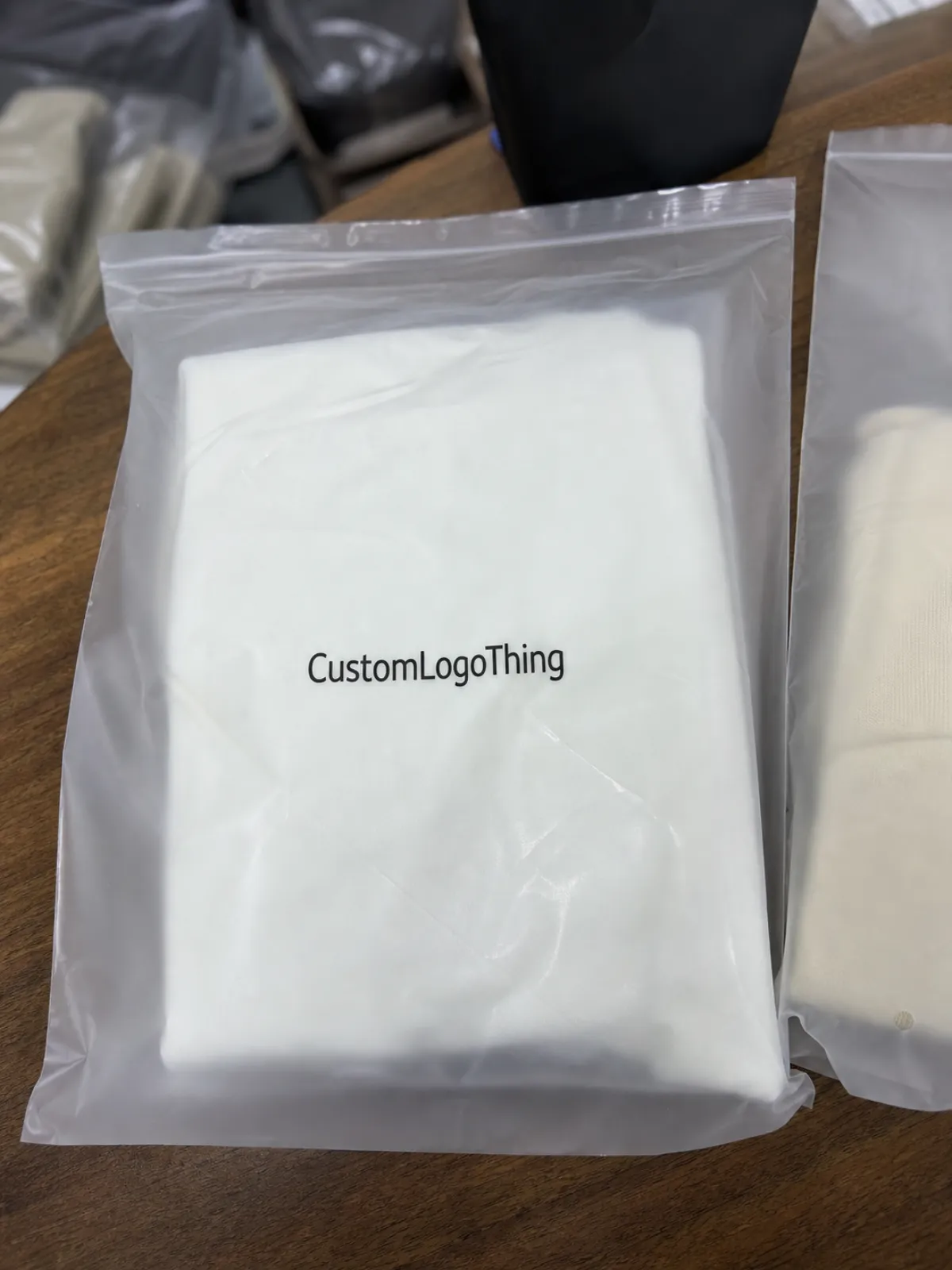
Frosted Zipper Bags look simple. That is the trap. The quote behind them depends on small choices that affect cost, packing speed, product protection, and how the bag feels in a customer's hand. A useful frosted zipper bags factory quote starts with product weight, fill method, finished bag size, zipper expectations, artwork, quantity, and delivery terms.
Flexible packaging is not priced like a blank commodity, even when suppliers pretend it is. A 100 micron frosted PE zipper bag for a flat apparel accessory is not the same job as a laminated frosted pouch for a moisture-sensitive snack. They may look similar in a quick photo. Production disagrees.
Film thickness, zipper profile, gusset depth, print coverage, material structure, carton packing, and freight method can move the final unit cost by several cents per bag. On a 2,000-piece test order, that may not sound dramatic. On a 30,000-piece reorder, it gets loud.
The number at the bottom of the quote matters, obviously. But a factory-direct quote should also confirm whether the bag can protect the product, present the brand cleanly, and run through fulfillment without annoying everyone who touches it. If the product weighs 300 grams, has sharp corners, holds powder, carries fragrance, or needs repeat opening, the factory should be asking more than “how many pieces?”
Frosted material is popular for cosmetics, apparel accessories, snacks, supplements, stationery, craft kits, hardware assortments, and promotional sets because it softens visibility without hiding the product completely. Clear bags show every edge, fingerprint, and alignment issue. Opaque bags hide the contents. Frosted bags sit in the useful middle: shape and color show through, but the presentation feels calmer.
A solid quote should separate material, size, thickness, printing, MOQ, sampling, lead time, packing method, and shipping terms. If it only says “best price,” you do not have a quote. You have a number waiting to become a problem.
Technical questions are not a delay tactic. They prevent weak side seals, tight bags that slow filling, overbuilt film, zipper tracks that pop open, and artwork that looks clean on screen but loses contrast on frosted plastic.
Where Frosted Zipper Bags Create Real Packaging Value
Frosted Zipper Bags give many brands a semi-premium look without moving into rigid boxes, molded trays, or heavy retail packaging. That matters when the bag needs to look intentional, protect the product, and still make financial sense at 2,000, 5,000, or 10,000 pieces.
The practical difference between clear, frosted, and opaque bags is visibility control. Clear PE or PP bags are useful for inspection, but they can look busy. Opaque bags are better for privacy and strong graphics, though warehouse staff may need labels to identify SKUs quickly. Frosted bags reduce glare and fingerprints while still showing a controlled view of color, texture, and product outline.
The zipper adds repeat-use value. Press-to-close tops work well for products customers open more than once: cosmetic tools, travel accessories, small apparel, tea, dried fruit, craft components, hardware kits, stationery bundles, and sample sets. A heat-sealed bag without a zipper can be fine for single-use packaging. After the first opening, though, the customer is folding, taping, clipping, or replacing it. Not exactly luxury.
There is operational value too. A correctly sized zipper bag can speed hand packing because staff do not need to add tape, fold flaps, or apply extra closure labels. If the frost level still allows product recognition, warehouse teams can identify contents without opening cartons. That helps during kit assembly, pick-and-pack work, and pre-launch inventory counts.
Brand value should be discussed without the usual packaging poetry. Matte frost, clean print areas, centered logo placement, straight zipper alignment, and a good hand feel make a small item look more organized. For e-commerce brands, the bag may be the first branded packaging layer after the shipping mailer opens. For retail, the same small bag may need to carry a hang hole, barcode, warning copy, country-of-origin line, and logo in a space smaller than 150 mm wide.
The best bag is not automatically the thickest one. A 70-90 micron frosted PE bag can be completely reasonable for light flat goods. Heavier contents may need 100-150 micron material or a laminated structure. Product weight, edge sharpness, shelf conditions, shipping method, and whether the bag is retail packaging or inner packing should drive the choice. Ego should not.
Material, Finish, Zipper, and Print Details to Specify
Material selection is where a frosted zipper bags factory quote becomes real. Frosted PE is common for soft, flexible bags that need a pleasant hand feel and moderate durability. Frosted PP may be used where extra clarity or stiffness is preferred, though the exact feel depends on the film. Laminated structures are used when the bag needs stronger barrier performance, better print stability, puncture resistance, or a more structured retail shape.
Frost can come from the film formulation, a surface treatment, or the selected laminate. Ask whether the finish appears on both sides of the bag or mainly on the outer surface. Also ask whether the frost level will match a retained sample. Haze, hand feel, and surface drag can change if the material source changes between runs.
Zipper Options
A standard press-to-close zipper is the usual choice for general retail and e-commerce packaging. Heavy-duty zipper tracks help with thicker contents or frequent handling, but they add cost and may require more force to close. Child-resistant closures may be required for some regulated products, and those need compliance review before anyone starts quoting casually. Slider zippers are convenient, but they add a component, assembly complexity, and cost. They are not magic. They are hardware.
Print Options
Screen printing can work for simple logos, bold spot colors, and lower-complexity artwork. Flexographic or gravure printing makes more sense for larger runs, repeated artwork, and better cost spread over volume, although plates or cylinders may create setup charges. Digital proofing or sample printing may be available for visual approval, but a digital proof will not always match bulk print on frosted film.
Artwork needs practical review. Fine lines, small reversed text, pale gray logos, and low-contrast colors can lose clarity on frosted plastic. Large solid ink areas may show slight density variation depending on film texture and print method. If barcode readability matters, reserve a clean panel with enough quiet zone and contrast. Do not bury the code over heavy frost, texture, or a busy graphic and then act surprised when scanning fails.
Add-ons affect price and production planning. Hang holes, tear notches, bottom gussets, side gussets, vent holes, rounded corners, writable panels, matte ink, metallic ink, barcode windows, reinforced headers, and custom carton packing all need to be specified. A basic storage bag and a retail-ready bag can share the same dimensions but require different tooling, inspection points, and packing instructions.
Size, Thickness, Capacity, and Tolerance Specifications
Guessing bag size from a competitor sample is risky. Measure the actual product: width, height, depth, stack thickness, and the space needed above the zipper for sealing, a header area, or a hang display. If the product is flexible, measure it compressed and relaxed. If it is rigid, measure the corners. Corners are where optimistic packaging drawings go to die.
Common size terms create confusion during quoting. Inside usable space is the area the product can occupy. Outside cut size includes sealed edges and material beyond the usable area. Zipper-to-bottom dimension matters because the product usually cannot sit inside the zipper track. Lip height is the material above the zipper, often used for easier opening or header display. Bottom gusset width affects expansion and shelf stance. Side seal allowance affects finished width.
Thickness should be chosen for performance, not bragging rights. Lighter gauges suit low-weight, flat items such as stickers, small fabric pieces, instruction kits, and stationery. Heavier gauges are better for products with corners, repeated handling, or higher perceived value. Thicker film can feel more premium, but it also becomes stiffer, raises freight weight, and increases unit cost.
| Typical Use | Common Structure | Practical Thickness Range | Quote Impact |
|---|---|---|---|
| Light accessories or stationery | Frosted PE zipper bag | 60-90 micron | Lower material cost, good for flat products |
| Cosmetic tools or sample kits | Frosted PE with stronger zipper | 90-120 micron | Moderate cost, better handling feel |
| Snacks, powders, or supplements | Laminated frosted pouch structure | 100-150 micron equivalent | Higher cost, better barrier and print control |
| Retail display with hang hole | Frosted bag with reinforced header | 90-140 micron | Tooling and finishing may add cost |
Capacity testing is the fastest way to avoid a bad fit. Powders settle. Snacks trap air. Small hardware bunches into corners. Apparel compresses during packing, then expands later. Irregular objects can push one seam harder than another. A filled sample shows zipper stress, gusset expansion, bag bulge, and the actual closing force required by packing staff.
Flexible packaging has normal tolerances. Finished size, zipper placement, print registration, and gusset expansion are not millimeter-perfect across thousands of pieces. Designs that place a logo extremely close to a seal line or require exact alignment between print and zipper can create avoidable inspection disputes. Standards and testing references from groups such as ISTA can also help buyers think about distribution stress beyond the flat bag.
Send photos, product weights, fill volume, and any current sample if you want a useful quote. A factory can often suggest a more efficient width, better lip height, or lower-cost thickness once the real use case is clear.
Cost, Pricing, MOQ, and Unit Cost Drivers
Pricing is usually driven by material structure, bag size, film thickness, zipper type, print method, number of colors, order quantity, finishing steps, sampling needs, and freight method. For a simple custom logo frosted PE zipper bag, a 5,000-piece order might land around $0.18-$0.32 per unit depending on size and print coverage. Larger or laminated bags can move higher, especially with multiple colors, specialty closures, reinforced headers, or export packing requirements.
MOQ is not just a sales rule someone invented to irritate small brands. Factories set minimums because film setup, color matching, printing plates, zipper setup, die cutting, and machine changeover all carry fixed costs before the first sellable bag comes off the line. A 500-piece order may be possible with stock film and simple printing, but the unit price will usually look awkward.
A larger order can lower unit cost while raising total project cost. That tradeoff matters. If artwork, ingredient copy, product size, or seasonal branding may change soon, buying 30,000 bags to save two cents each may be a very tidy way to create dead stock. If the design is stable and monthly usage is predictable, higher quantity tiers can reduce landed cost.
A transparent quote should separate sample cost, tooling cost, plate cost, mold or die cost where relevant, bulk unit cost, carton packing Cost, and Shipping cost. Freight terms matter too. EXW, FOB, CIF, and delivered pricing are not interchangeable. International freight, duties, local delivery, insurance, and customs paperwork can change the final landed cost.
Do not compare only the unit price. One factory may quote 80 micron film while another quotes 120 micron. One may include two-color printing; another may include one logo color only. One may pack 1,000 pieces per carton with loose inner bundles; another may use smaller bundles and stronger cartons. The cheaper number may still be the wrong choice if the specification is not equal.
For faster pricing, send the target size, quantity range, film preference, thickness target, logo file, number of print colors, closure type, destination country, required delivery date, and sample preference. If food contact, cosmetics contact, recycling claims, or compostability claims are involved, say that early. Compliance language should not be guessed after production. That is how packaging becomes expensive in the least fun way.
Process, Timeline, and Lead Time from Artwork to Delivery
A normal custom order follows a predictable path: request review, specification confirmation, artwork checking, quote approval, sample or digital proof, deposit, material preparation, printing, bag converting, quality inspection, carton packing, and shipping. A frosted zipper bags factory quote should describe enough of that path so the buyer knows what happens after approval.
Lead time depends on complexity. Plain frosted zipper bags can move faster if stock film and standard zipper profiles are available. Custom printed bags with several colors, laminated structures, special zippers, or new tooling need more pre-production time. In many practical cases, sampling takes about 5-10 business days, while bulk production runs about 12-20 business days after proof approval, excluding freight.
Artwork approval deserves discipline. Production should not begin until logo size, print placement, color references, barcode readability, warning text, country-of-origin copy, and any regulatory statements are checked and approved. For packaging that touches food, cosmetics, or supplements, buyers should review material suitability and labeling responsibilities carefully. The EPA sustainable packaging resources are useful for general packaging considerations, especially if environmental claims are part of the brief.
Sample options vary. A stock material sample can confirm hand feel and frost level. A blank custom-size sample can confirm fit. A printed pre-production sample can verify layout, logo scale, and color behavior before the full run. Buyers skip fit samples too often, then discover during filling that the product needs another 10 mm of width or a stronger zipper track. Painfully avoidable.
Bottlenecks are normal in custom work. Material availability, artwork revisions, color matching, zipper sourcing, holiday capacity, inspection findings, and freight schedules can all affect delivery. A supplier should not promise a tight launch date without checking these pieces.
Work backward from the packing date, not the public sales date. Receiving, warehouse check-in, bag filling, labeling, kit assembly, and final inspection all consume time. If the launch is on Monday and the bags arrive the Friday before, the schedule is already in trouble.
Factory Controls That Protect Bag Quality and Reorders
A capable Custom Packaging Supplier controls more than the machine setting. Look for clear specification control, material matching, artwork review, production documentation, in-process checks, and practical communication before small questions become delays. A good quote makes these controls visible instead of hiding them behind one neat price line.
Quality checkpoints for frosted zipper bags should include film appearance, haze consistency, zipper alignment, zipper strength, seal integrity, print registration, ink adhesion, odor control, carton count, and finished size checks. For food or supplement packaging, buyers may also need documentation related to material composition or food-contact suitability, depending on the market and product.
Simple tests catch many problems early. Pull the zipper open and closed several times. Press filled bags from the sides to check whether the track pops open. Rub printed areas to check ink adhesion. Check a few bags from different carton positions, not just the top stack. Measure finished width and height against the approved specification. If a bag has a hang hole, test it with real product weight, not an empty sample that behaves nicely because physics has not been invited yet.
Reorder consistency matters more than many buyers expect. If the first batch looks right and packs well, the next order should not feel like starting over. The factory should keep specifications, artwork files, color notes, retained samples, production records, and packing details organized for future runs. Even small changes in frost level or film stiffness can make a brand's packaging feel different in the customer's hand.
Frost level can vary if material changes. Keep a retained sample from the approved run, especially if the bag is part of a recognizable retail presentation. Ask the supplier to match that reference on reorders and to flag any unavoidable material substitution before production begins.
Export packing also protects quality. Cartons should be strong enough for shipping, bag stacks should be protected from crushing or contamination, and carton labels should make receiving easier for warehouse staff. Clear carton marks such as item code, quantity, size, color, and purchase order number reduce receiving errors. Boring? Yes. Useful? Also yes.
Custom Logo Things supports custom packaging buyers with specification review, quotation detail, custom logo production options, and planning for samples and bulk orders. If you already know your product dimensions and target quantity, send the project details through Contact Us so the team can review the bag structure before pricing.
Before You Request a Custom Bag Quote
Before requesting a quote, confirm the product dimensions and weight, choose the intended bag style, decide whether the bag needs retail display features, prepare logo or artwork files, and estimate the first order quantity. Those five pieces remove most of the guesswork from the first pricing round.
Take photos of the product beside a ruler or current package. That simple visual reference helps the factory understand thickness, flexibility, sharp edges, and how much extra room the bag needs for easy filling. For soft goods, show the product folded and unfolded. For kits, show every component that will go inside the bag.
Ask for two or three quantity tiers. A trial order, a standard reorder quantity, and a larger inventory-building run will show how setup costs spread across the unit price. For example, 2,000, 5,000, and 10,000 pieces may reveal whether a higher MOQ is actually worth it for your cash flow and storage space.
Separate must-have features from optional upgrades. Required zipper strength, food-contact structure, barcode space, and bag thickness should be marked clearly. Optional metallic ink, hang holes, rounded corners, or thicker film can be priced separately so you can see the real cost of each upgrade.
Your inquiry should include bag width and height, gusset if needed, film thickness target, frosted finish preference, print colors, zipper type, quantity, delivery location, and required timeline. If you are unsure about a detail, say so. A practical factory response can recommend a structure instead of forcing you to guess.
A clean frosted zipper bags factory quote should leave you with fewer unknowns, not more. The goal is not to collect the lowest number in a spreadsheet. The goal is to confirm the right bag, the right production method, and a price that still makes sense after sampling, packing, freight, and reorders.
FAQ
What information do I need for a frosted zipper bags quote?
Provide bag size, product weight, quantity, film thickness, zipper type, print artwork, number of colors, destination, and target delivery date. If size or thickness is uncertain, send product photos, measurements, and any current packaging sample so the factory can recommend a practical structure.
How does MOQ affect a custom frosted zipper bag factory price?
MOQ affects unit cost because setup time, material preparation, printing plates, color matching, and machine changeover are spread across the total order quantity. Higher quantities usually reduce unit cost, but buyers should compare the savings against storage space, cash flow, and the chance that artwork or product size may change.
Can frosted zipper bags be printed with full-color logos?
Yes, but the best print method depends on order quantity, artwork detail, color coverage, and film structure. Frosted film can reduce contrast compared with white film, so small text, pale colors, and fine lines should be checked carefully during artwork proofing.
What is the typical lead time for custom frosted zipper bags?
Lead time depends on sample requirements, artwork approval speed, material availability, print complexity, production capacity, inspection, and shipping method. A plain or simple printed bag is usually faster than a laminated, multi-color, specialty-zipper bag that requires new tooling or detailed color matching.
Are frosted zipper bags suitable for food, cosmetics, or apparel?
They can be suitable for many categories, but the material structure must match the product, especially for food contact, moisture sensitivity, fragrance, oils, powders, or heavier apparel items. Buyers should state the product type and any compliance needs before quoting so the factory can recommend an appropriate film and closure.

