The Hidden Math Behind a Small Boutique Bag Order
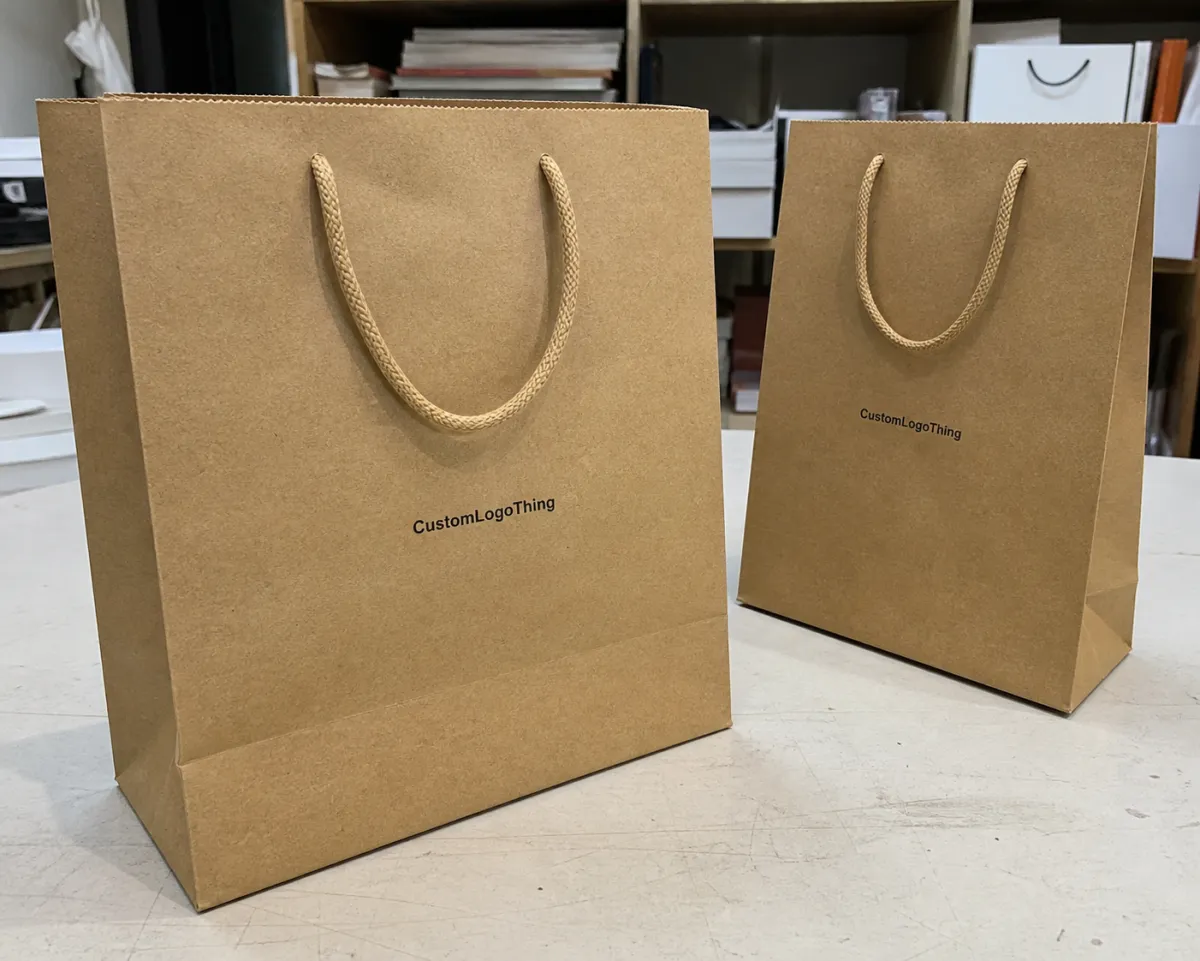
A 500-bag boutique order can cost far more per unit than a 5,000-bag run, even when the finished bag looks identical on the counter. That is the first uncomfortable truth behind a Boutique Paper Bags unit cost breakdown. The buyer is not paying for “a bag.” The buyer is paying for setup, material buying, prepress, labor, finishing, packing, freight, and the work needed to make the order production-ready.
Small orders carry a heavier share of fixed cost. Plate setup, dieline review, artwork checking, sample preparation, press calibration, and line scheduling may take nearly the same internal effort whether the run is 500 pieces or 5,000 pieces. If those preparation costs total $180, they add $0.36 per bag on 500 pieces and $0.036 per bag on 5,000 pieces. Same logo. Same size. Very different cost per piece.
That gap surprises boutique buyers because the bag feels simple. Paper. Handles. Logo. Maybe a matte finish if everyone is feeling fancy. But retail packaging is a chain of small decisions, and each one changes the quote. A cotton rope handle improves presentation but adds handwork. A wider gusset improves product fit but increases paper use and carton volume. A foil logo may be cheaper and sharper than full-panel CMYK artwork if the goal is a luxury cue, not a mural.
The useful question is not “Why is this bag expensive?” It is “Which part of the bag is making it expensive?” A clean quote should make that visible.
Practical rule: ask suppliers to separate setup, production, finishing, packing, and freight before approval. A single blended number can hide the exact line item causing the pain.
With a Real Cost Breakdown, buyers can compare quotes fairly, avoid late freight surprises, and decide whether premium paper, special handles, or custom finishing deserve the margin they consume.
What Boutique Paper Bags Are Built From
A boutique paper bag is not one material. It is a structure. The usual build includes paper stock, side gussets, a folded base, optional base board, handle material, adhesive, print ink, surface coating, reinforcement patches, and export cartons. For premium retail bags, every layer affects touch, strength, print quality, and shipping weight.
Paper choice usually starts with brand positioning. Natural Kraft Paper fits handmade goods, wellness products, refill shops, organic retail, and rustic gift packaging. White kraft gives cleaner logo color and a brighter surface while keeping a practical retail feel. Art paper, often used around 190gsm to 250gsm for higher-end bags, supports sharp printing, lamination, foil, and spot UV. Recycled paper can support a sustainability claim, but buyers should confirm color consistency, fiber strength, and documentation before building a campaign around it.
GSM matters, but not in isolation. A small jewelry bag may perform well around 157gsm to 190gsm, depending on size and handle style. Apparel bags often sit closer to 180gsm to 250gsm. Larger gift bags, candle bags, and cosmetic set bags may need 210gsm, 230gsm, or heavier paper, especially if the product has hard corners or meaningful weight. Heavier stock improves stiffness and hand feel. It also increases material cost and freight weight. Physics remains annoying like that.
Handles are another quiet cost driver. Twisted paper handles are economical and common for kraft retail bags. Flat paper handles suit carryout and lower-cost retail programs. Cotton rope, ribbon, and PP rope handles raise perceived value but usually require more labor and reinforcement. Die-cut handles remove separate handle material, but they need the right board strength and clean shape tolerance.
Structure changes by category. Bottle bags need narrow gussets and strong bases. Apparel bags need width and fold stability. Jewelry bags need small-format precision because a 2mm logo shift is obvious on a compact front panel. Cosmetic bags often need cleaner coating control because fingerprints, scuffs, and ink rub show fast under bright retail lighting.
The best bag is not always the heaviest one. A pop-up retailer may need a fast, practical white kraft bag with one-color printing. A luxury boutique may justify 250gsm art paper, soft-touch lamination, and a restrained foil stamp because the customer keeps the bag after purchase. Different economics. Different answer.
Boutique Paper Bags Unit Cost Breakdown: Line Items Buyers Should See
A useful boutique paper bags Unit Cost Breakdown should show more than “custom bag with logo.” Buyers should be able to see the major inputs: raw paper, handles, printing, ink coverage, finishing, tooling, setup, sampling, labor, quality control, packing, carton labeling, inland transport, freight, duty, and final delivery.
The main distinction is fixed cost versus variable cost. Fixed costs happen because the order must be prepared: artwork is checked, dielines are reviewed, machines are set, colors are matched, and production is scheduled. Variable costs rise with quantity: paper, handles, cartons, labor time, and shipping volume. A low MOQ absorbs the same preparation work across fewer bags, so the unit cost looks heavier. Bulk pricing improves because those fixed costs spread wider.
Print method changes the math quickly. A one-color logo on kraft paper is usually more economical than full-coverage CMYK printing across multiple panels. Metallic foil, embossing, debossing, spot UV, and soft-touch lamination add process steps and inspection points. They may be worth it. They are not decorative confetti sprinkled on the quote for free.
| Specification Choice | Typical Cost Effect | Buyer Use Case |
|---|---|---|
| One-color logo on kraft paper | Lower setup and print cost; often suitable for test runs | Pop-ups, handmade goods, casual retail |
| White kraft with two-color printing | Moderate unit cost; better logo color control | Boutiques needing cleaner branding |
| Art paper with matte lamination | Higher material and finishing cost | Fashion, cosmetics, gift retail |
| Foil logo with rope handles | Higher labor, finishing, and inspection cost | Luxury packaging and launch events |
| Full-surface CMYK artwork | Higher ink coverage and color-control requirements | Seasonal campaigns or illustrated branding |
Two bags with the same dimensions can quote very differently. A 9 x 4 x 7 inch white kraft bag with twisted paper handles and a one-color logo may sit in a practical range for a moderate run. Change that same bag to 230gsm art paper, cotton rope handles, soft-touch lamination, and foil stamping, and the cost structure changes before freight enters the room.
Freight deserves its own line. Paper bags are light compared with glass or metal packaging, but they are bulky. Carton count, carton dimensions, pallet use, and shipping method can swing the landed cost. Air freight may rescue a launch deadline, but the cost per piece can climb sharply on larger bags. Ocean freight is slower but often more economical for volume orders. Duty and local delivery should be clarified before comparing two quotes.
Ask blunt questions. Are sampling, artwork adjustment, carton labeling, duty, and final delivery included? Are setup charges listed separately or blended into the unit cost? Is the quote based on digital proof approval or a physical pre-production sample? Vague pricing creates vague decisions. Nobody needs more of those.
Specifications That Raise or Lower the Quote
Specifications are the steering wheel. A 1-inch change in width can increase paper use, reduce packing efficiency, and alter carton size. A heavier GSM can improve stiffness but add freight weight. A finish that looks subtle on screen may require another production pass, another curing step, and another inspection point.
Start with dimensions. Larger bags use more paper. They also take up more carton space, which affects freight even if the bag itself is not heavy. A 12 x 5 x 10 inch apparel bag and a 7 x 3 x 7 inch cosmetic bag may share the same logo, but their cost structure is not close. Bigger panels also expose print flaws more clearly, especially with flat color areas.
Paper weight should match the product, not the buyer’s ego. Moving from 190gsm to 250gsm can improve the hand feel of a premium gift bag, but it may be unnecessary for lightweight accessories. For boxed candles, ceramics, or cosmetic sets, stronger paper and base reinforcement can prevent sagging. For scarves, postcards, or small apparel, moderate stock may protect margin without making the bag feel cheap.
Finishing is where quotes often climb. Matte lamination, gloss lamination, soft-touch coating, foil stamping, embossing, debossing, varnish, and spot UV each add time. Some add material. Some add scrap risk. Soft-touch finishes can feel excellent but may show fingerprints or rub marks depending on color and handling. Foil can look expensive with a small logo area; full-panel metallic effects are less forgiving and usually more expensive to control.
Many boutique buyers overbuild the bag before they test the customer moment. A small gold foil mark on uncoated kraft can sometimes feel more distinctive than full-coverage printing on laminated paper. A strong handle can matter more than a premium coating if customers carry heavy boxes down the street.
Sustainability specifications need early discussion. FSC-certified paper, recycled content, soy-based inks, water-based coatings, and plastic-free handles can all be quoted, but documentation matters. The Forest Stewardship Council provides certification frameworks. Buyers still need to confirm claim language, chain-of-custody availability, and whether the chosen paper is actually in stock. The EPA Sustainable Materials Management resources are useful for thinking about packaging choices beyond the bag alone.
Before requesting pricing, rank every feature as must-have, preferred, or optional. Must-have might include FSC paper, a launch deadline, or a required Pantone color. Preferred might include cotton handles. Optional might include embossing. That ranking gives the supplier room to protect the brand and reduce the unit cost.
MOQ, Pricing Tiers, and When a Larger Run Pays Off
MOQ is a production reality, not just a sales tactic. Custom Paper Bags require material procurement, printing preparation, machine setup, line scheduling, drying or curing time, handwork for certain handles, inspection, and packing before the first finished carton leaves production.
Minimums shift by specification. A simple kraft bag with one-color printing may have more flexible production options than a boutique gift bag using specialty paper, ribbon handles, foil stamping, and spot UV. If compatible paper is already available, the order may be easier to schedule. If a buyer wants a rare color stock or uncommon GSM, the MOQ can rise because the material itself has a purchase minimum.
Pricing tiers exist because fixed costs spread across more pieces. Here is a simplified example, not a universal price list. Suppose setup and prepress cost $220. If the production cost is $0.42 per bag before setup allocation, the math changes sharply by quantity.
- 500 bags: $0.42 production cost + $0.44 setup allocation = about $0.86 before freight and duty.
- 1,000 bags: $0.42 production cost + $0.22 setup allocation = about $0.64 before freight and duty.
- 5,000 bags: $0.39 production cost after material efficiency + $0.044 setup allocation = about $0.434 before freight and duty.
That is why bulk pricing can look persuasive. The total invoice is higher, but the unit cost falls. Still, a lower cost per piece is not always the smarter order. Boutique retailers deal with storage limits, cash-flow pressure, seasonal colors, logo updates, product assortment changes, and packaging waste if the brand direction shifts.
A practical quote request should ask for two or three quantity options: a low test run, a standard reorder quantity, and a volume tier. For example, compare 500, 1,000, and 3,000 pieces with the same specification. If the biggest drop occurs between 500 and 1,000 pieces, but the drop from 1,000 to 3,000 is modest, the middle tier may be the better business decision.
Repeat orders can improve planning. Once dielines, artwork, and specifications are approved, reorders may move faster because the supplier is not starting from zero. That does not guarantee the same price forever. Paper markets, freight rates, exchange rates, and material availability move. Consistent specs simply reduce friction.
Process and Timeline From Artwork to Delivered Bags
The process starts with information quality. A buyer sends the finished bag size, paper preference, handle type, logo file, print colors, quantity, delivery address, deadline, and any sustainability or compliance requirements. Vector artwork is best. Pantone references are better than “make it warm beige,” which means nothing and somehow also means twelve different things.
Product weight and use case matter. A bag for silk scarves does not need the same construction as a bag for candle boxes. A bottle bag has different balance issues than a flat apparel bag. If the supplier does not know what the bag will carry, the supplier is guessing.
Quote preparation checks feasibility. The supplier reviews material options, print method, finishing needs, carton count, shipping route, and delivery timing. A careful quote should flag risk early: oversized artwork on a gusset, a weak handle choice for heavy products, specialty paper with a long lead time, or a freight method that does not match the deadline.
Artwork and dieline approval are not admin clutter. They are risk control. Logo placement, bleed areas, side-gusset artwork, handle position, bottom fold, and color references need review before production. If artwork crosses a crease, the buyer should see that clearly on the proof. If the logo sits too close to a handle hole, someone should say so before ink hits paper.
Sampling depends on budget and risk tolerance. Digital mockups are faster and cheaper, often enough for simple logo bags. Physical pre-production samples provide better confidence on color, paper feel, handle strength, and finishing. For luxury bags with foil, embossing, or soft-touch lamination, a physical sample can prevent expensive disappointment.
Production usually moves through material cutting, printing, lamination or coating, handle attachment, folding, gluing, base reinforcement, inspection, packing, and carton labeling. Quality checks should include print registration, scuffing, glue strength, handle pull, base shape, carton count, and quantity accuracy. International handling standards from ISTA can help buyers think about distribution testing and transit stress, especially for larger shipments.
Lead time depends on complexity. A straightforward custom logo paper bag may move through proof approval and production faster than a multi-finish luxury bag using imported specialty stock. Many standard custom paper bag projects are planned in weeks, not days. Complex finishing, holiday congestion, customs clearance, air versus ocean freight, and last-minute artwork changes can all stretch the schedule.
Build a buffer before store openings, product launches, trade shows, and seasonal retail drops. Packaging is often ordered after the product is ready. From a risk standpoint, that is backwards. If the launch date is fixed, the bag specification should be locked early.
How Custom Logo Things Reduces Quote Guesswork
Custom Logo Things reduces quote guesswork by turning brand intent into manufacturable specifications. Plain, yes. Useful, also yes. A buyer may say “premium boutique bag,” but production needs size, stock, GSM, handle type, print method, finishing, quantity, and delivery location.
The team helps buyers compare paper grades, handle styles, print options, finishing methods, and MOQ tiers before the order is locked. That comparison matters because the most expensive build is not automatically the best build. A cosmetics brand may need crisp white art paper, matte lamination, and reinforced rope handles. A candle seller may need a stronger base more than a complex surface finish. A jewelry boutique may get the right feel from compact sizing, precise printing, and ribbon handles without heavy paper.
Packaging fit advice can prevent waste. Apparel, cosmetics, jewelry, gifts, candles, accessories, and bottle packaging all behave differently inside a bag. Loose products shift. Boxes create corners. Heavy items test the base. Tall bottles change the center of gravity. A standard size may be convenient, but the wrong standard size can make the product look lost or strain the handle.
Proofing discipline is another cost control. Artwork review, mockup confirmation, and specification checks reduce avoidable errors: off-center logos, weak handles, poor color matching, incorrect gusset artwork, or a finish that does not match the buyer’s expectation. Small mistakes become expensive after printing starts.
Quality control should be practical, not vague. Inspections should cover print registration, glue strength, handle attachment, base structure, surface finish, carton packing, and quantity accuracy. For a boutique Paper Bags Unit Cost Breakdown, that inspection work belongs in the real cost picture because it protects the buyer from receiving bags that look fine online but fail at the counter.
The value is fewer surprises between approval, production, shipping, and delivery. Not magic. Just cleaner decisions.
Before You Request a Paper Bag Quote
Before contacting a packaging supplier, gather the facts that actually affect pricing. The minimum list is finished bag size, quantity, paper type or desired feel, GSM target if known, handle style, logo file, print colors, finishing preferences, delivery location, and deadline. If you do not know GSM, describe the use case: lightweight apparel, boxed skincare, candles, jewelry, bottles, or gift sets.
Prepare product details too. Include approximate weight, product dimensions, whether the bag carries boxes or loose goods, and whether the customer presentation includes tissue, inserts, stickers, ribbon, or matching labels. A paper bag designed around the whole presentation usually performs better than one priced from logo size alone.
Ask for side-by-side pricing. One economical build. One premium build. One volume tier. This makes the tradeoffs visible. A quote that shows kraft paper with one-color printing, art paper with lamination, and a higher-quantity option gives the buyer control over margin instead of hiding every decision inside one number.
- Ask whether setup charges, tooling fees, sampling, freight, duty, carton labeling, and artwork adjustment are included.
- Ask what specification changes would reduce cost without weakening the bag.
- Ask whether the quoted paper is in stock or requires special procurement lead time.
- Ask whether the handle choice matches the product weight and expected customer use.
- Ask whether repeat orders can use the same dieline, artwork, and approved specification.
Share non-negotiables early. FSC documentation, a fixed launch date, retail color standards, a required handle material, or a luxury finish should be identified before the supplier builds the quote. Hidden requirements create revised pricing, delayed approvals, and production pressure.
A strong boutique paper Bags Unit Cost Breakdown gives buyers the evidence needed to order confidently, compare quotes fairly, and choose specifications that protect both margin and brand presentation. That is the point. Not the fanciest bag. The right bag, priced with the lights on.
Frequently Asked Questions
What is usually included in a boutique paper bag unit cost breakdown?
A useful breakdown includes paper stock, handles, printing, finishing, setup, labor, quality control, packing, freight, duty, and delivery. Buyers should confirm whether sampling, artwork adjustment, and carton labeling are included or billed separately. The key distinction is fixed cost versus variable cost because fixed costs have a stronger effect on small orders.
Why does the unit cost drop when I order more boutique paper bags?
Setup, artwork checking, machine preparation, and production scheduling are spread across more bags at higher quantities. Material purchasing and packing efficiency can also improve at larger volumes. A lower unit cost does not always mean a better order if storage limits, cash flow, or seasonal branding changes create inventory risk.
What specifications affect custom paper bag pricing the most?
Size, paper GSM, handle type, print coverage, finishing method, and order quantity are usually the biggest cost drivers. Foil stamping, embossing, soft-touch lamination, and full-coverage printing add process steps and inspection requirements. Freight can also become significant because larger or heavier bags take more carton space.
What MOQ should I expect for boutique paper bags with a logo?
MOQ depends on size, material, printing method, finishing complexity, and whether suitable paper is already available. Simple one-color printed bags may have more flexible minimums than complex luxury bags with specialty paper, rope handles, and foil details. Ask for multiple quantity tiers so you can compare a test run against a more economical reorder quantity.
How do I get the most accurate boutique paper bags quote?
Send finished dimensions, quantity, logo file, print colors, paper preference, handle style, finishing requests, delivery address, and deadline. Share product weight and use case so the supplier can recommend the right structure instead of guessing. Ask the supplier to separate optional upgrades from required specifications so you can control the final unit cost.

