For a florist, packaging is not filler. It is part of the sale. That is why a frosted zipper Bags for Florists Order guide should focus on fit, structure, and handoff, not just a logo on the front. The bouquet may be excellent, but if the carrier looks flimsy or awkward, the customer notices immediately at pickup.
Frosted Zipper Bags solve a practical problem. They soften the view just enough to protect the arrangement visually, while still letting staff check color, ribbon, and care cards without opening the package. Add a real zipper closure and the order feels more finished, cleaner, and easier to carry than a taped sleeve or loose wrap.
There is a second benefit that gets overlooked. These bags create a repeatable presentation. That matters for holiday rushes, wedding work, subscription deliveries, and same-day gifts. A florist needs packaging that behaves the same way every time, not a bag that looks good in a mockup and turns into a nuisance at the counter.
Why frosted zipper bags for florists present better at the counter
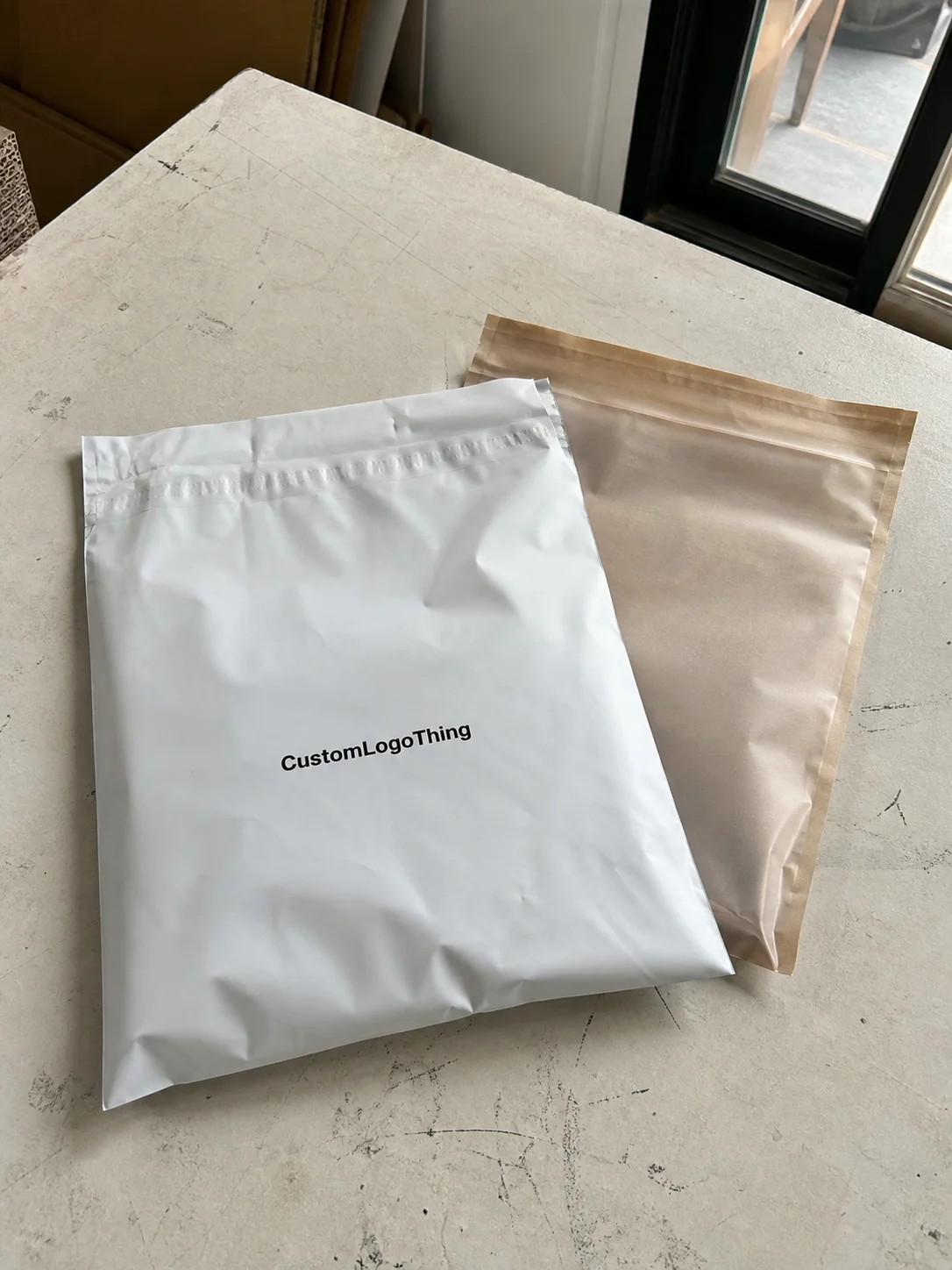
At the counter, the sale has a short runway. Customers decide in seconds whether an order feels premium, organized, and worth the money they just spent. Frosted Zipper Bags for florists beat plain shipping sleeves and generic carry bags because they strike a better balance. The frosted surface diffuses the view, so the flowers remain visible enough to reassure the buyer, but not so exposed that every stem, tag, and water tube looks messy.
That balance works for bouquet pickups, flower subscriptions, wedding prep, and seasonal gift orders. A florist can hand over a mixed arrangement, a ribboned wrap, or a stem kit, and the package still reads as intentional. The bag does not disappear into the background either. It frames the arrangement in a soft retail-ready way, which is exactly what most counter sales need.
The zipper closure adds another layer of value. It keeps the top closed during delivery, reduces accidental openings, and gives the customer a reusable container instead of a disposable-looking wrap. In practice, that makes the order feel more complete. It also speeds up staff work because no one is taping and retaping flaps while delicate blooms wait on the bench.
There is also a real operational benefit. The semi-transparent body lets a team member confirm contents at a glance, which reduces handling. Less handling means fewer bent petals, fewer crushed bloom heads, and less damage to ribbon or printed inserts. For a shop managing several orders at once, that consistency saves money because it lowers rework and keeps the pickup area looking controlled instead of cluttered.
For most florist programs, this format fits best when the bag needs to do three jobs at once:
- Show the arrangement clearly enough to reassure the customer
- Hold the bouquet upright and protected during handoff
- Carry branding without overwhelming the flowers
For shops that also care about sustainability signals, it is reasonable to ask how the film is sourced and whether secondary components can be aligned with broader packaging standards. Reputable suppliers should be able to discuss material options, paper inserts, and recycled-content goals without turning the conversation into a sales pitch. If that matters to your brand, references like Packaging Association resources and FSC-aligned sourcing can help frame the conversation.
Bag structure, closure style, and bouquet-fit details
The bag structure should match the way florists actually work. A zipper bag that looks good in a photo but collapses on the counter is not much help. Buyers should ask whether the bag has a gusseted bottom, how wide the opening is, and whether the side seams hold shape when partially loaded. For a florist, upright presentation is not cosmetic. It keeps the bouquet stable during handoff and lets staff load the order without fighting the package.
Closure style matters too. Standard zipper closures are usually the safest choice for repeated opening and closing, especially when the customer may want to check the arrangement, adjust ribbon, or carry the bag more than once before gifting it. Slider closures can feel easier for some users, but they add parts and can push cost up. Adhesive tops are the least useful option for florist work because they look temporary and do not offer the same reusable feel.
| Option | Typical use | Strength | Tradeoff |
|---|---|---|---|
| Standard zipper | Pickup bouquets, repeat handling | Clean look, reliable closure | Can be slower to close on larger fills |
| Slider closure | Premium customer-facing orders | Easy to open and close | Higher cost, more parts to manage |
| Adhesive top seal | Short-use packaging | Simple and low cost | Less reusable, less polished presentation |
Fit is where many orders get sloppy. Wrapped bouquets, long stems, ribboned arrangements, and care cards all eat space in different ways. A bouquet that seems small on the bench can flare out sharply once the wrapping paper opens. That means buyers should confirm usable interior dimensions, not just nominal outside size. If the arrangement includes water tubes or small inserts, those also affect fit and should be declared before quoting.
Ask for extra clearance if the bouquet has a wider head, a heavy mixed-flower build, or decorative accents that could catch on the zipper track. Reinforced handles are worth considering if the bag will carry more weight than a standard pickup order. A wider opening can also make loading easier for staff, especially during holiday rushes when speed matters and no one wants to force petals through a tight mouth.
For buyers comparing formats, it helps to think beyond the single order. A florist that needs branded bags across several item types usually does better with a structured supply plan through Wholesale Programs than by treating every run like an emergency. The difference shows up in reorder speed, consistency, and fewer avoidable corrections.
Size, thickness, and print specifications to confirm before quoting
The fastest way to get a clean quote is to send exact measurements. That means width, height, gusset depth, opening style, and usable interior space. If a florist says only “medium bouquet bag,” the quote will be vague and the risk of mismatch goes up. A real spec sheet removes that uncertainty and cuts down on back-and-forth later.
Thickness should be chosen according to what the bag has to carry. Light pickup orders may work well in a thinner film, while heavier mixed bouquets, wet stems, or orders with inserts usually need more body. In typical production discussions, film thickness often falls in the 0.10 mm to 0.20 mm range, but the right choice depends on the actual load, not on a generic target. If the arrangement leans heavy, the bag should feel stable in hand, not limp.
Print specifications should be just as clear. Send logo placement, print area, color count, and whether the frosted surface should stay mostly open or carry a stronger branded look. A small one-color mark near the upper front can feel refined. A larger print zone can help a shop stand out, but it also changes cost and can take away some of the airy look that makes frosted material attractive in the first place.
Artwork quality saves time. Vector files, outlined fonts, and clean color references reduce proof revisions. If the supplier has to rebuild a logo from a low-resolution image, the job slows down and the chance of a correction rises. Most packaging teams would rather get a tidy file set up front than clean up avoidable issues after a proof has already gone out.
One approved spec sheet should control the order. That sounds basic, but this is where a lot of florist jobs go sideways. A small change in zipper style, a half-inch shift in opening width, or a different print layout can change cost, timing, and reorder consistency. The less drift between quote and production, the easier it is to keep the same presentation across future runs.
For packaging buyers, the best order is the one that can be repeated without reinterpretation. A clean spec sheet is worth more than a pretty mockup if the next reorder has to match the first.
Cost, pricing, and MOQ for florist orders
Pricing moves with a few clear variables: bag size, thickness, zipper style, print count, color changes, and total order quantity. If any of those change, the unit price changes too. That is why two florist quotes can look similar and still land in very different places. One may include a simple one-color print on a standard size. The other may involve a larger bag, heavier film, and a more complex closure.
For small custom runs, the unit price is usually higher because setup work has to be spread across fewer pieces. Larger runs lower the cost per bag and make future reorders easier to standardize. A realistic budgeting frame for branded florist bags often starts around $0.18 to $0.28 per unit at 5,000 pieces for straightforward specs, but that can move up with thicker film, larger print areas, or more elaborate closures. Lower quantities can cost more, especially if the order needs extra proofing or special handling.
MOQ matters because it shapes the economics of the whole program. A low minimum may sound attractive, but if the florist reorders the same item every month, it can be smarter to choose one approved spec and buy enough to cover the main seasonal demand. That usually lowers the cost per piece and keeps future purchasing simple. It also helps with inventory planning, because the shop knows the same bag will be available for weddings, holidays, and subscription volume.
Buyers should compare quotes on an apples-to-apples basis. Ask whether freight is included, whether plates or setup charges are separate, whether a pre-production proof is billed, and whether packing is counted in the quoted price. A quote that looks cheaper at first can become the expensive one once those items are added back in. Transparent terms matter more than the lowest headline number.
| Quote item | Why it matters | What to confirm |
|---|---|---|
| Bag size | Determines usable fit and material usage | Actual interior dimensions, not just nominal size |
| Film thickness | Affects feel, stiffness, and load support | Specify the range that matches bouquet weight |
| Print setup | Drives setup cost and lead time | One side or both sides, color count, logo placement |
| Freight and packaging | Changes landed cost | Whether shipping, cartons, and packing are included |
For shops that want to validate packaging performance before a full run, general testing and handling standards referenced by ISTA can be useful context, especially if the bags are shipped with inserts or bundled accessories. Not every florist order needs a formal lab program, but the thinking behind transit resistance and package integrity still applies.
Production steps, timeline, and lead time from proof to shipment
The workflow should be simple. First comes request intake, then spec review, then artwork check, then proof approval. After that, the order moves into production, inspection, and shipment. Each step sounds small, but each one can slow the job if the inputs are unclear. A clean intake file shortens the whole sequence.
The fastest jobs usually share the same traits: final dimensions are locked, artwork is ready in vector format, print instructions are unambiguous, and one decision-maker can approve the proof without waiting on a chain of internal opinions. That may sound basic. It is also the difference between moving steadily and sitting on a job for three days because someone wants to debate logo placement.
Lead time depends on more than production capacity. Material availability, the factory queue, and the shipping lane all affect the calendar. A simple run can often ship in about 12 to 15 business days after proof approval if the spec is settled and the material is already on hand. Complex print jobs, special film requirements, or peak-season congestion can push that longer. There is no honest way around that. Good suppliers will tell you the realistic window instead of promising a fantasy turnaround.
Common delays are predictable. Last-minute size changes create new proofs. Missing vector files force artwork cleanup. Color corrections trigger another approval cycle. Even a small question like whether the logo belongs on one side or both can stall release if it is not answered early. Fast approvals matter because every revision adds a touchpoint, and touchpoints are where time disappears.
For buyers managing multiple packaging programs, keep the same format and the same approval path from one reorder to the next. That is one reason a disciplined FAQ page and a clear spec archive matter. They reduce repeated explanations and keep the next order from turning into a new project.
What a reliable packaging supplier should confirm before release
A dependable supplier should confirm the material thickness, zipper performance, print method, and proof status before anything is released to production. That sounds like a baseline expectation, but it is not always handled that way. If those items are documented up front, the buyer has a much better chance of receiving a repeatable result that matches the approved sample.
Repeat-run consistency is especially important for florists. Wedding orders, holiday traffic, subscription programs, and branded pickup bags often rely on the same packaging for months at a time. If the next batch changes in tone, stiffness, or seal behavior, staff notices immediately. Customers may not describe the change technically, but they feel it in the hand.
The supplier should also keep track of who signs off on artwork, how revisions are recorded, and what spec sheet will control reorders. That is where order history becomes valuable. If the shop orders the same frosted zipper bag again, the approved specification should already be there. No one should have to rebuild the job from memory.
Practical problem solving matters too. A good partner will ask whether the order includes wet stems, water tubes, care cards, ribbon, or heavier arrangements, because those details affect bag performance. The right advice is not always “make it thicker.” Sometimes the better answer is to widen the opening, change the gusset, or adjust the handle so the bouquet loads more cleanly and stands better on the counter.
Plain language helps. Lower cost, stronger structure, faster turnaround, and a more polished retail look do not usually peak at the same time. A supplier worth using should be able to say that out loud and explain the tradeoff without dressing it up.
Next steps to place a clean florist order
Before requesting a quote, gather bouquet dimensions, expected order volume, logo files, preferred finish, and any special handling notes. That one step prevents a lot of unnecessary clarification later. If the team knows the widest point of the bouquet and the accessories that travel with it, the bag spec can be sized correctly from the start.
Compare one sample specification against the planned production specification before release. That gives the team a chance to check feel, appearance, closure performance, and overall fit. If the sample feels too soft, too narrow, or too opaque, it is much easier to correct that before the full run than after the order has already shipped.
Approve the quote only after checking MOQ, lead time, freight, and reprint policy. Those terms affect the true landed cost and the speed of the next reorder. A slightly higher unit price can still be the better deal if it includes cleaner terms, fewer surprises, and less disruption to the production calendar.
A simple approval checklist helps keep the process under control:
- Final size and usable interior dimensions
- Material thickness and overall feel
- Zipper style and handle style
- Print layout, color count, and logo placement
- Shipping target and carton plan
- One contact person responsible for sign-off
If the order will be repeated, save the approved spec exactly as released. That way the next purchase can move quickly without extra revision cycles. For a florist, that kind of repeatability is what turns a frosted zipper Bags for Florists order guide into a working process instead of a one-off task.
What size frosted zipper bags for florists should I order for standard bouquets?
Measure the widest point of the bouquet, then add clearance so petals and ribbon do not crush against the sidewalls. Use the usable interior size, not just the nominal bag size, because gusset depth and opening width affect real fit.
Can frosted zipper bags for florists be printed on both sides?
Yes, many custom runs can carry print on one or both sides, depending on the chosen print method and artwork layout. Double-sided print usually increases setup complexity, so it is best to confirm placement, color count, and cost before quoting.
What MOQ should I expect for custom florist zipper bags?
MOQ depends on size, thickness, and print complexity, but lower quantities generally cost more per bag than larger production runs. If you plan repeat orders, it is usually smarter to lock one spec and buy enough to cover the main seasonal demand.
Are frosted zipper bags strong enough for wet stems and inserts?
They can be, as long as the thickness, seam structure, and closure style are matched to the actual weight and contents. If you use water tubes, care cards, or heavier arrangements, specify those details early so the bag construction can be adjusted.
How long does a custom florist order usually take after proof approval?
The schedule depends on material availability, production queue, and shipping lane, but proof approval is the point that usually starts the clock. Fast approvals, clean artwork, and one clear spec sheet are the best ways to reduce turnaround and avoid delays.