Club packaging gets judged fast. At registration, at a tournament desk, or in the back of a minibus, nobody wants loose jerseys, wristbands, sponsor inserts, and notes scattered across a table. That is why the frosted zipper Bags for Sports clubs order guide matters. It helps buyers choose packaging that looks tidy, protects contents, and stays inside a sane budget.
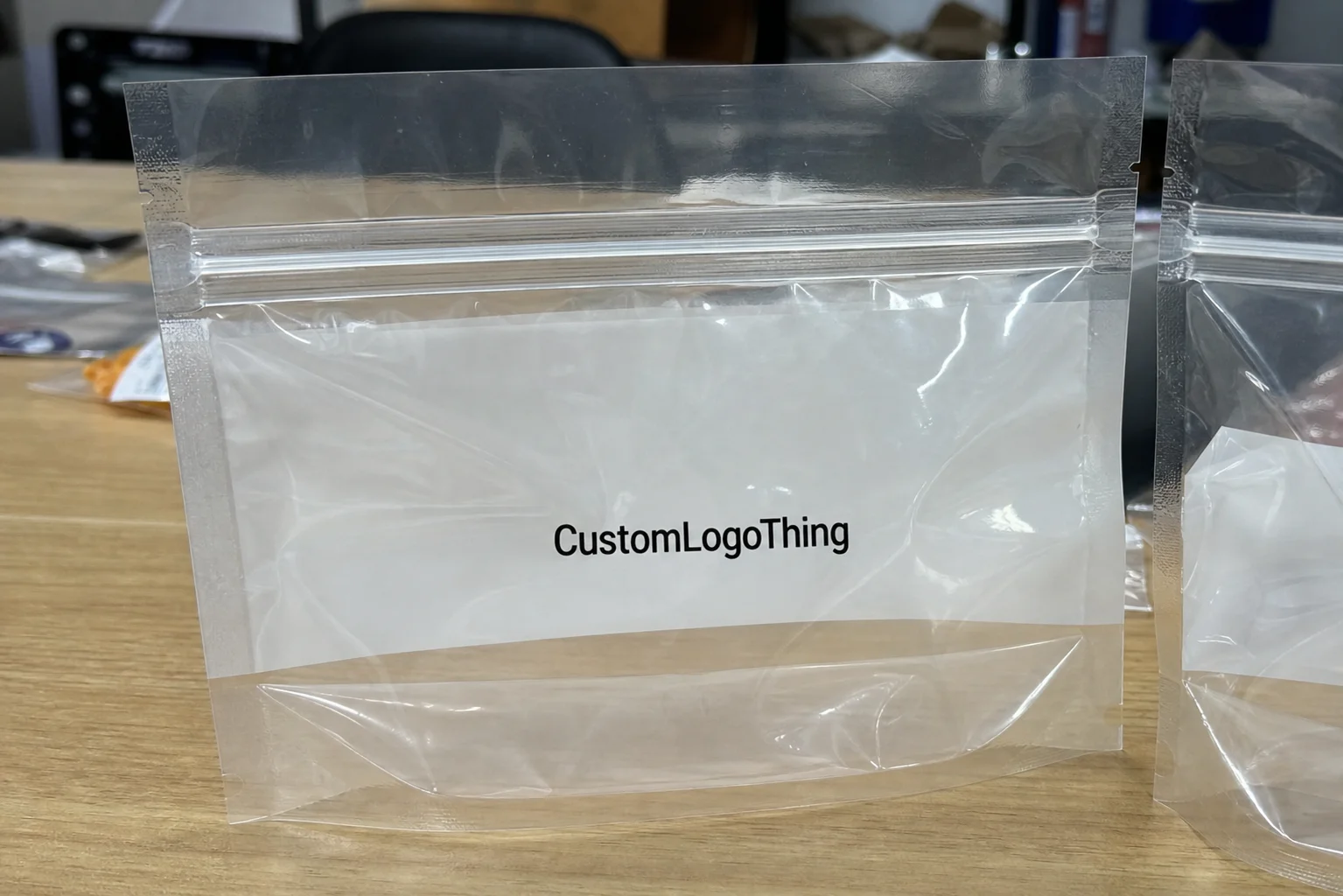
Frosted Zipper Bags sit in a practical middle ground. They look cleaner than a plain poly bag, but they cost less than rigid presentation packaging. For sports clubs, that balance usually makes more sense than chasing a premium look for its own sake. You get a semi-clear finish that shows enough of the contents to reassure the recipient, while keeping everything organized and reusable.
The appeal is not dramatic. That is the point. Clubs need packaging that works under pressure, gets handled by volunteers, and does not create extra sorting work at the desk. Frosted Zipper Bags tend to do that job well.
They also help when the contents are mixed. A shirt, a flyer, a sponsor card, a lanyard, and a voucher all behave differently in transit. Put them in a flimsy sleeve and they shift around. Put them in a zip bag with the right size and thickness, and the pack holds its shape. That is a small operational win, but clubs feel those.
“Good club packaging should reduce friction. It should organize the contents, survive handling, and keep the handover looking intentional.”
There is a branding benefit too, though it should be kept in perspective. The frosted surface reads as more polished than a standard clear bag. A small logo, event name, or sponsor line is often enough. Overprinting the bag usually adds cost without improving the outcome. Clubs that keep the design tight tend to end up with better-looking packs.
Why frosted zipper bags work for sports club packaging
Think about the usual club scenario. A parent collects a junior player’s kit. A coach hands out training notes and sponsor leaflets. An event team is packing 150 welcome kits before check-in opens. The packaging has one job before the contents are even touched: make the handover look controlled.
That is where frosted film earns its place. It gives a clean, consistent appearance without exposing every item the way a fully clear bag does. That balance matters for club merchandise packaging, event registration packs, and team kit packaging, especially when the contents include apparel, printed cards, and small accessories.
The zipper closure matters just as much. Sports clubs do not treat packaging as single-use decoration. Bags get opened at the desk, closed again on the sideline, reopened during travel, then reused for socks, wristbands, or paperwork. A resealable closure handles that repeated use better than an open sleeve or a heat-sealed pouch. If the bag is going to be handled more than once, the zipper needs to work every time.
From a buyer’s point of view, the value is practical. Clubs need something that reduces clutter, keeps items together, and presents sponsor materials neatly. They also need it without overpaying for packaging that gets thrown away immediately. Frosted zipper bags often solve that problem better than buyers expect.
If you are comparing frosted zipper bags against cardboard mailers or printed envelopes, the deciding factor is usually utility. Bags are lighter, easier to store flat, and better at handling mixed contents. They also improve pack-out speed, which starts to matter as soon as you are assembling dozens or hundreds of units. Volunteers notice that kind of thing immediately.
There is one more detail that gets overlooked: speed at the point of issue. A bag that opens cleanly, lays flat, and closes without fuss saves time every time someone packs or checks it. That matters at tournaments, on match days, and during membership drives where the same person is often stuffing, checking, and handing over the pack.
Product details that matter for club orders
The basic construction is straightforward: frosted polyethylene zipper bags with a resealable closure and, in some formats, a hang hole. What matters is how those basics are specified. A supplier can make the same product feel very different by changing thickness, zipper style, print coverage, or bag size.
For sports clubs, the common versions usually fall into two camps. Stock bags are available in standard dimensions and ship faster. Custom versions let you choose size, print area, branding style, and sometimes extras such as a writable panel or euro hole for retail display. If you are packaging merch for a club shop, custom usually makes sense. If you are packing a one-off tournament welcome kit, stock may be enough.
Typical applications are broader than many clubs first assume. These bags work well for:
- Membership packets with cards, forms, and lanyards
- Fundraiser bundles with tickets, brochures, and small giveaways
- Team store orders with socks, wristbands, and accessories
- Coach kits with whistles, notes, and admin items
- Travel packs with toiletries or spare kit pieces
- Sponsor giveaways for match-day or registration events
Printing choices should be tied to use case, not vanity. A one-color logo is often enough for clubs that want a disciplined look. Multi-color print makes sense when the club identity depends on a strong mark or when sponsor branding needs more space. Minimal front branding can feel more premium than a full-flood print, especially for club shop items.
There are also practical details buyers often miss. A writable surface helps with player names or kit numbers. Moisture resistance matters for outdoor events and travel. Lightweight packaging lowers shipping cost. Flat-packed bags save storage space for volunteer teams working from a back room, garage, or temporary event table.
The best habit is to define the job first. Is the bag for presentation, protection, storage, or resale? That answer changes the spec more than any sales copy does. A bag chosen for resale can be overkill for registration. A bag chosen for handouts may not be strong enough for apparel. Start with the contents, then fit the bag to them.
Specifications to confirm before you place an order
Size is the first decision, and the one most likely to create avoidable waste if it is guessed instead of measured. Small bags fit accessories such as wristbands, pins, and folded notes. Medium bags usually suit apparel, brochures, and mixed handout packs. Larger formats are better for jersey bundles, multiple garments, or a full event kit. Measure the actual contents and allow enough room for the zipper to close without stressing the film.
Thickness matters more than many buyers think. It is usually listed in microns or mils. Higher thickness generally improves puncture resistance and gives the bag a sturdier feel, which affects perceived quality as much as durability. For lightweight inserts, a thinner bag may be fine. For apparel or heavier mixed kits, a thicker option is safer. Thin film that tears during pack-out is cheap only on the quote.
Zipper quality is not a minor detail. Clubs often reuse these bags, so the seal should open and close consistently without snagging. Ask about seal consistency, edge finish, and whether the bag is designed for repeated handling. A weak zipper undermines the whole point of choosing a resealable format.
Print specs need the same attention. Confirm the imprint area, the number of colors, whether the artwork is front only or front and back, and whether PMS spot color matching is available. For logos with fine lines or small text, ask for the minimum readable size. Artwork resolution should be high enough for clean reproduction, and vector files are usually the safest option.
It also helps to confirm how the bags will be packed for delivery. Some suppliers ship flat in cartons. Others bundle by count, which can save time during pack-out. If your team is assembling 500 registration packs, carton count and bundle configuration are not admin trivia. They affect labor directly.
| Specification | Why it matters | Typical club choice |
|---|---|---|
| Bag size | Controls fit, presentation, and contents capacity | Medium for most kits and handouts |
| Thickness | Affects durability, stiffness, and handling | Thicker for apparel, lighter for inserts |
| Zipper style | Supports repeat opening and closing | Standard resealable closure |
| Print coverage | Shapes branding cost and visual impact | One-color logo or minimal front branding |
| Packing format | Impacts assembly speed and storage | Flat-packed cartons or counted bundles |
For buyers comparing packaging choices against broader sustainability or transit guidance, it is worth reviewing resources such as EPA recycling guidance and the Association for Packaging and Processing Technologies. Neither replaces a supplier spec sheet. Both help you ask better questions before the order is locked.
One more practical point: ask for a sample if the order matters. Photos tell you almost nothing about zipper feel, film stiffness, or the way frosted material looks under direct light. Physical samples reveal the kind of detail that gets missed in a PDF. That is especially useful if the bags are going to be touched by parents, athletes, or sponsors who will notice quality fast.
Cost, pricing, MOQ, and quote factors
Pricing for frosted zipper bags is driven by a predictable set of variables: size, thickness, print complexity, number of colors, and order quantity. That sounds basic, but this is where many quotes go sideways. A club asks for “printed bags,” gets a rough estimate, and later discovers the actual item needed a different film gauge or a larger print area. The result is either budget stress or a redesign.
As a rule, larger runs lower the per-bag price because setup costs are spread across more units. Smaller orders suit one-off tournaments, limited fundraising events, or clubs testing a new design before committing to a season-long program. MOQ matters because it affects not just price, but whether the packaging plan is realistic for the number of packs you actually need.
For context, a simple custom run may come in around $0.18-$0.28 per unit for 5,000 pieces, depending on dimensions and print coverage. Heavier film, larger bags, or more detailed artwork can push that higher. Smaller quantities usually cost more per unit. That is normal manufacturing math, not a vendor trick.
Here are the main quote factors to compare:
- Exact dimensions - width and height, plus usable fill space.
- Thickness - in microns or mils, matched to contents weight.
- Print requirements - one-color, multi-color, or full branding.
- Artwork setup - files ready for print usually reduce delays.
- Freight method - standard delivery, express, or palletized shipment.
- Rush needs - compressed production windows often add cost.
- Split shipments - useful for clubs with multiple locations, but not free.
There are hidden costs worth challenging. Artwork setup or plate fees may apply. Freight can turn a low unit price into a higher landed cost. Rush production is expensive if your event date is fixed and you leave no margin. Split shipments are convenient, but they can add handling charges that never appear in the headline quote.
Compare landed cost, not just unit cost. A bag that looks cheaper on paper but arrives late, misprinted, or under-spec is not a bargain. For sports clubs, value comes from reusability, presentation, and time saved during assembly. That is the real comparison against disposable alternatives.
It also helps to price the order against the full use cycle. If a higher-grade bag can be reused for travel, storage, and later events, the initial premium may be easier to justify. If the bag is only for a single registration handoff, keep the spec tighter and save the spend for the contents instead.
If your organization buys across multiple teams or a full season, it may be worth reviewing Wholesale Programs for better unit economics and repeat ordering terms. For common admin questions, the FAQ page can also help align internal buyers before you request quotes.
Process, timeline, and lead time from quote to delivery
The standard path is straightforward, but each step has a decision point. First comes the inquiry. Then the supplier confirms specs, price, and MOQ. After that, artwork is reviewed and a proof is issued. Once approved, the order moves into production, then quality check, then shipment. Miss one step and the schedule slips.
Most delays happen for ordinary reasons. The artwork is incomplete. The size selected does not fit the contents. Copy changes arrive after proofing. The approval sits in someone’s inbox for three days because the club treasurer is away. None of this is unusual, which is exactly why buyers should build buffer time into the order plan.
Lead times depend on whether you are buying stock or Custom Printed Bags. Stock items often move faster because they skip print setup and proofing. Custom runs need more time for file review, color confirmation, and production scheduling. A realistic planning window is often 12-15 business days from proof approval for a standard custom job, though larger or more complex orders can take longer. Freight time sits on top of that.
Production usually includes several checkpoints:
- File review for resolution, layout, and color setup
- Digital proof or sample confirmation
- Print approval before the job enters the line
- Quality check for seal integrity and print accuracy
- Final packing and dispatch
If your club has an event date, treat it as the deadline for arrival, not the deadline for ordering. That difference matters. Build in a cushion for revisions, shipping delays, and unexpected changes in bag count. This is especially true when the bags are tied to registrations, competitions, or sponsor commitments.
There is also a production reality that gets ignored too often: artwork approval is not a formality. It is the point where size, spelling, logo placement, and print color are frozen. Once a proof is signed off, changes can mean rework, delay, or extra cost. Clubs that move quickly on proofing usually get better delivery dates, and that is not a coincidence.
For clubs working with standards-driven procurement teams, it can help to compare logistics expectations against frameworks such as ISTA packaging and transit testing guidance. That does not mean every bag order needs formal testing. It does reinforce a sensible habit: match the pack to the journey.
What sports clubs should compare before choosing a supplier
Supplier selection is less about grand claims and more about clarity. The best vendors make it easy to understand what is included, what changes the price, and what happens if artwork needs revision. If the quote is vague, the rest of the order usually is too.
Transparency should be at the top of the list. Ask for clear specs, visible pricing logic, proofing policy, and a direct answer on MOQ. A good supplier will tell you where the costs come from. A weak one hides behind general language and hopes the buyer does not notice the gaps.
Consistency matters for clubs that reorder seasonally. If you need bags for pre-season kits, mid-season sponsor packs, and end-of-year presentations, the print should look the same across runs. That means the supplier must control artwork setup, material supply, and production tolerance. Minor color drift or zipper variation can make reorders look sloppy.
Support is equally important. The right partner should help match bag format to purpose rather than pushing one generic option. A club that needs a premium merch presentation does not need the same spec as a junior registration pack. Good guidance saves money because it reduces overbuying.
Quality checks are another filter. Ask whether the supplier can provide material samples, print examples, and tolerance details. A polished sales page is not proof. Physical samples tell you more about frosted film clarity, zipper feel, and print sharpness than a dozen adjectives ever will.
Fulfillment reliability matters too. If bags are tied to a tournament, an away trip, or a membership deadline, late delivery is not a minor inconvenience. It creates admin work, extra hand-stuffing, and sometimes embarrassment in front of members or sponsors. Reliable dispatch is part of product quality, not separate from it.
Ask how the supplier handles defects. If a small percentage of bags arrive with weak zippers, off-register print, or scuffed film, what is the remedy? A serious vendor should have a clear answer. If they dodge the question, assume the after-sales support will be thin too.
“For sports clubs, a supplier is only as good as the order they can deliver on time, in spec, and with consistent print quality.”
That is why the strongest purchasing decision is usually the boring one: the supplier that answers directly, confirms specs in writing, and does not oversell the product. That is the one worth shortlisting.
Next steps to order frosted zipper bags for your club
Start with the basics. Define the quantity, bag size, intended contents, logo file, print colors, and target delivery date. If you do those six things well, you will get more accurate pricing and a faster proof cycle. If you skip them, expect back-and-forth.
Ask for a quote with exact specs, not a broad estimate. There is a big difference between “bags for merch” and “medium frosted zipper bags, one-color front print, 5,000 units, packed flat, delivered to one ZIP code.” The second version gives the supplier enough information to quote properly and reduces surprises later.
Once the proof arrives, review placement, scale, spelling, and color. Do not assume the artwork will correct itself in production. Confirm the zipper area, the printable surface, and any bleed requirements before signing off. A five-minute proof review can prevent a costly reprint.
Then work backward from your event calendar. If the bags are for a registration desk, build in time for final count verification and shipping. If they are for retail or sponsor packs, allow space for assembly. If they are part of a seasonal rollout, consider ordering enough to support repeat use rather than resetting the spec every time.
Used well, the frosted Zipper Bags for Sports Clubs order guide becomes more than a buying document. It becomes a standard. That is the real efficiency gain: once the club locks in the right size, thickness, and print format, reorders get faster, pack-outs get cleaner, and the whole presentation looks more professional without spending more than necessary.
What size frosted zipper bags for sports clubs should I order for team kits?
Choose the bag size based on what it needs to hold. Accessories need smaller formats, while jersey-and-brochure packs need medium or larger sizes. Ask for a fit check against your actual contents before approving the final spec.
How much do frosted zipper bags for sports clubs usually cost per unit?
Unit cost depends on size, thickness, print colors, and quantity. Larger runs generally lower the per-bag price. Request a quote with exact specs because small changes can shift pricing significantly.
What is the minimum order quantity for custom frosted zipper bags?
MOQ varies by supplier and print method, but custom runs usually require a set minimum to cover setup and production efficiency. If your club needs a smaller quantity, ask whether stock bags or simplified printing options are available.
How long is the turnaround for frosted zipper bags with club branding?
Turnaround depends on proof approval, artwork readiness, and production queue, with stock items moving faster than fully custom runs. To avoid delays, send final artwork early and confirm the needed in-hands date before ordering.
Can frosted zipper bags be reused for seasonal sports club events?
Yes, the zipper closure and durable film make them suitable for repeated use across events, travel, and team distributions. Reusable packaging can help clubs reduce waste while keeping items organized and presentable.


