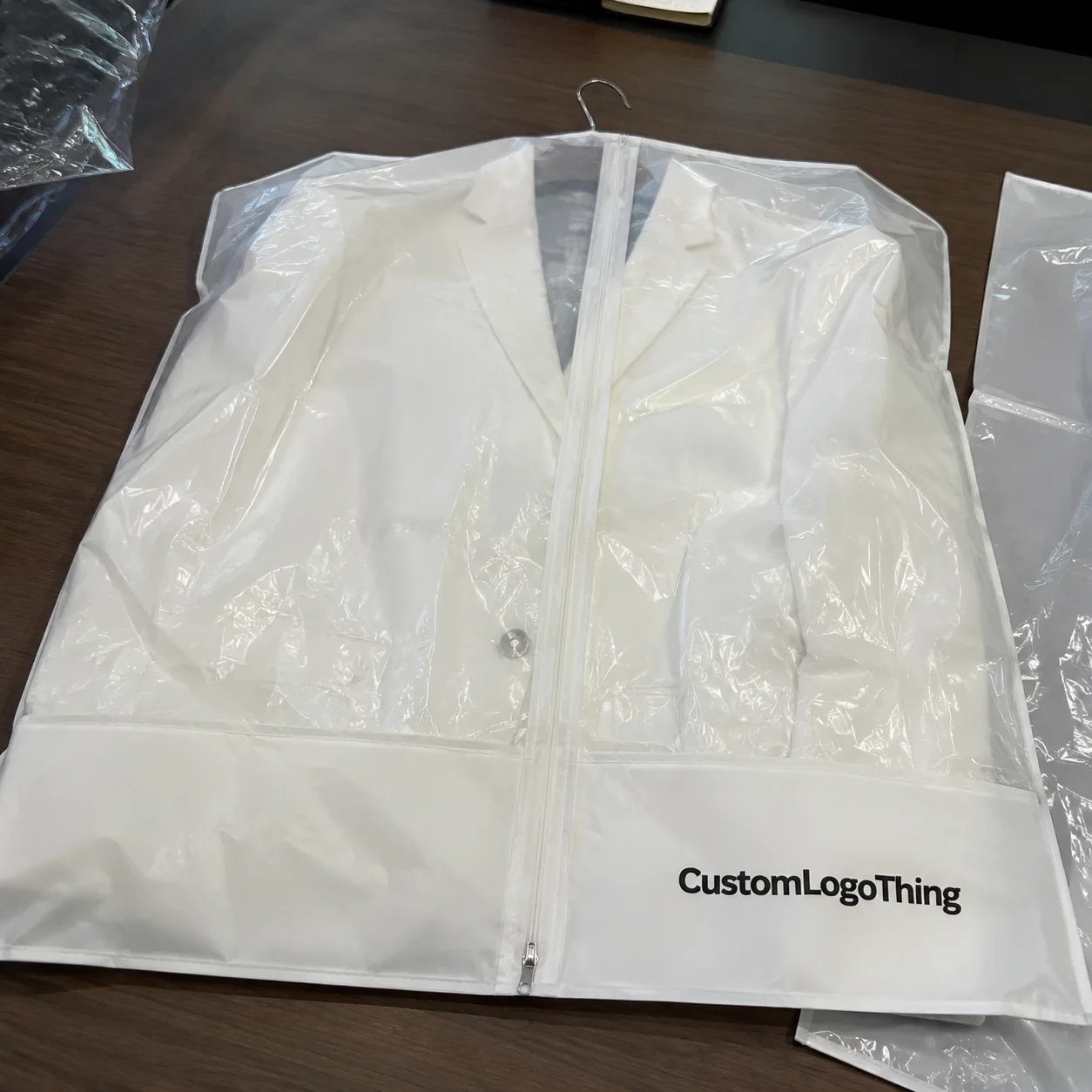
Frosted Zipper Bags quality control checklist sounds simple until a sample looks fine in photos and then fails at the zipper, the seal, or the film gauge. That is the buyer's real risk: the pack appears premium on approval, then creates returns, rework, or dead inventory once it reaches use.
"If the zipper takes two tries on a sample, it will not get friendlier in the field."
Frosted Zipper Bags Quality Control Checklist: What Fails First
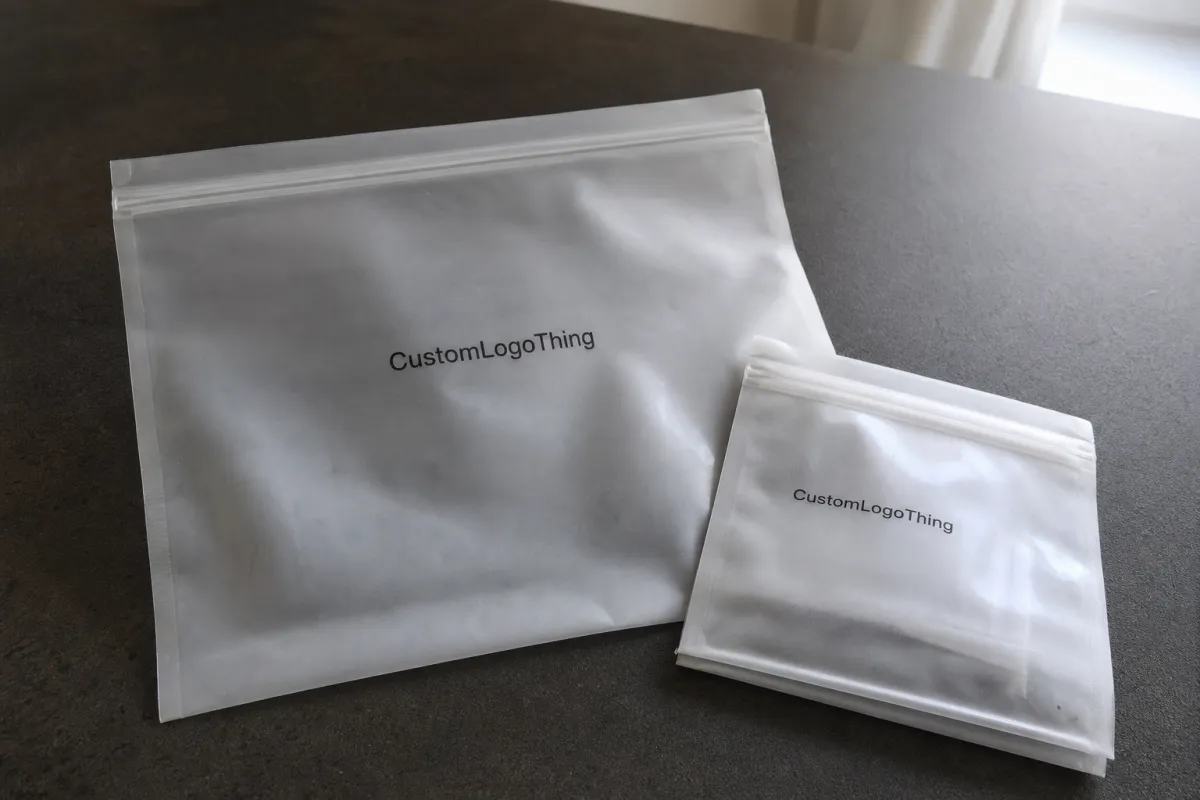
Frosted film changes inspection. Clear bags expose dust, waviness, and seal distortion quickly. Frosted surfaces soften those signals, which helps branding and complicates quality control. Small scuffs blend in, thin spots can hide, and print contrast can make a cosmetic issue look like a material failure. The checklist has to separate appearance checks from functional checks.
The first failures usually appear where the customer touches the bag: the zipper track, the top seal, and the edge finish. A weak interlock may close fine on a sample but fail after repeated openings. An uneven seal can pass a quick visual scan and split after a light overfill. Film thickness drift is harder to spot; a bag that measures 140 microns in one corner and 115 in another may still collapse under load.
From a buyer's point of view, the cost of failure is not abstract. A low-priced bag becomes expensive once it triggers replacement stock, freight delays, or returned goods. Treat seal integrity, zipper engagement, film gauge, and print placement as separate gates, not one vague "looks okay" approval.
- Visual defects: haze, scuffs, contamination, print smear, ghosting.
- Functional defects: zipper misalignment, weak reseal, seal split, pinholes.
- Dimensional defects: off-size width, short fill area, inconsistent gusset or base.
- Pack-out risks: poor stacking, edge curl, pressure damage, slide resistance problems.
How Inspection Works From Material Intake to Final Release
A useful checklist starts before the bags are made. Incoming checks should cover the film lot, zipper track roll, ink batch, and any additives that create the frosted effect. If the supplier uses LDPE, LLDPE, or an EVA blend, ask for the specification sheet and lot traceability. The wrong film blend can change seal temperature, stiffness, and clarity at the same time.
At intake, the goal is consistency, not perfection. Film thickness should stay within the agreed tolerance, often around +/- 8 to 10 percent for consumer packaging unless the project needs tighter control. Zipper track width, melt behavior, and closure force should be sampled before mass production starts. If the order is printed, check color proof match and registration on a short run, not on the first full pallet.
During production, Buyers Should Expect three checkpoints: first-article approval, in-process sampling, and final release. The first article confirms that the machine settings are correct. In-process sampling catches drift, such as a seal bar running hot on one side or a zipper track feeding slightly off-center. Final release should rely on an agreed sampling method, usually AQL-based, with separate pass/fail rules for major and minor defects. Many buyers use major defects around AQL 2.5 and minor defects around 4.0, but the right threshold depends on end use and the cost of failure.
Who signs off matters as much as what gets checked. Supplier QA should sign the production record, the line operator should confirm machine settings, and the buyer should own final approval against the purchase order spec. If the supplier cannot show where the lot came from, who inspected it, and what was held back for rework, the control system is too loose.
For functional testing, simple methods usually tell the truth fast: open-close cycling, seal peel testing, drop or compression checks, and visual sorting under standard light. ASTM F88 is commonly used for seal strength on flexible packaging. Transport-related methods from ISTA help if the bags will travel through a rough distribution chain. If the order includes paper inserts or sustainability claims, documentation from FSC may also matter in the broader packaging file.
Cost, Pricing, and MOQ Checks That Protect Your Margin
Pricing is where many buyers get surprised. A quote that looks low on paper can turn expensive once tooling, print setup, freight, test fees, and a larger-than-needed MOQ are added. The checklist should sit beside the quote comparison sheet, not after it. If the bag spec changes, the risk profile changes too.
Three inputs usually move unit cost the most: film thickness, zipper style, and print coverage. Frosted finish itself can raise cost because it may require an additive or a different film formulation. A basic unprinted bag in the 120-140 micron range can often land around $0.18-$0.28 per unit at 5,000 pieces, depending on size and supplier region. Move to 150-180 micron film, add one- or two-color print, or choose a stronger zipper profile, and the range can climb to $0.30-$0.52. That is not a rule. It is a practical buying range that shifts with size, ink count, and yield.
| Spec choice | Typical unit cost effect | QC watch-out |
|---|---|---|
| 120-140 micron frosted, unprinted, standard zipper | Lower headline price | Watch for thin spots and weak closure force |
| 150-180 micron frosted, one-color print, upgraded zipper | Mid-range pricing | Check registration, seal heat, and zipper alignment |
| 180+ micron, full-color print, custom features | Highest tooling and run cost | Confirm dimensional tolerance and repeatability across lots |
MOQ tiers matter as much as the per-piece rate. A supplier may quote a lower unit price at 10,000 pieces than at 5,000, but if the extra inventory sits in your warehouse for six months, the total spend is higher. Compare landed cost, not just the headline price. That means unit cost, print tooling, sample charges, inspection labor, freight, duty, and the cash tied up in overstock. Buyers often forget rework and holds, yet those are the costs that quietly eat margin.
Production Steps and Timeline: Building QC Into the Run
A clean timeline makes the checklist easier to enforce. Start with artwork approval, then a pre-production sample, then first-article sign-off, then mass production. If the supplier is changing a material, a zipper profile, or the frosted finish, add another review step. Skipping that extra check saves a few days and often creates a larger delay later.
Most delays happen in predictable places: proof revisions, material substitution, machine setup, and reinspection after rework. Print revisions are especially common because frosted film changes how color reads under light. White ink can look crisp on one substrate and dull on another. If the artwork has fine type or a tight logo lockup, insist on a production-ready proof rather than a sales mockup.
For launch planning, build in separate windows for sample turnaround, production lead time, and shipping handoff. A simple order may move in 12-15 business days after proof approval. Orders with custom print, stricter inspection, or a new zipper style often need longer. QC belongs inside the schedule from the start, especially if the bags must arrive before a retail reset, trade show, or seasonal promotion.
The smarter move is to align the inspection schedule with the packaging calendar. If the bags are only one component in a larger packout, make sure bag approval lands before cartons, inserts, and labels are locked. Otherwise a late bag change forces a chain reaction across the rest of the pack.
Common Mistakes That Let Defects Reach the Customer
The biggest mistake is approving by appearance alone. A frosted zipper bag can look polished under showroom lighting while still failing on closure strength. Buyers sometimes focus on finish because the product is selling style as much as storage. That is understandable, but risky. A clean surface means little if the zipper skips, the seal opens under load, or the bag tears at the corner after two uses.
Another common miss is treating all defects as one bucket. Zipper engagement, seal strength, edge finish, and print alignment are different failure modes. They need different limits. A slight print shift may be acceptable on a commodity pack, while a minor seal wrinkle might be a total reject if the bag holds powder, cosmetics, or small hardware. The inspection standard has to reflect the product inside the bag, not just the bag itself.
Vague specs create a third problem. "Good quality" is not a spec. Neither is "nice frosted finish." A supplier needs numbers: film thickness range, zipper type, size tolerance, acceptable print variance, and the exact sampling rule. If the purchase order does not spell that out, the factory fills in the blanks, and those blanks rarely match the buyer's expectation.
Retention samples and batch records are the last line of defense. Without them, a defect investigation turns into guesswork. You cannot trace whether the issue came from a bad resin lot, a machine-setting drift, or a change in zipper track supplier. Keep one approved sample from each batch and one from each major shift if the order volume justifies it.
Expert Tips for Tightening Supplier Standards and Test Methods
Make the checklist specific enough that a new QC inspector could use it without reading your mind. Photo references help. So do written tolerances for acceptable scuffs, seal waviness, and zipper closure force. A defect atlas - a simple folder of reject photos and pass photos - prevents more friction than a long email thread ever will.
Stress testing should mimic real use, not just factory handling. Repeated opening and closing is obvious. Less obvious, but just as useful, is fill-weight testing and temperature swing testing. A bag that works in a warm packing room may stiffen in cold storage. A bag that closes neatly empty may buckle once filled. For reusable retail packs, a practical baseline is 10-20 open-close cycles on samples, then a check for zipper creep and seal deformation.
Ask for traceability records, material certificates, and calibration proof for the tools used in inspection. If the supplier measures film thickness, the gauge should be calibrated. If seal strength is tested, the equipment should have a current verification record. Otherwise the numbers are only as good as the guessing behind them.
Benchmark against past failures. If one shipment failed because the zipper was stiff, make that a formal checkpoint on the next order. If another lot showed edge curl after freight, add packaging and transport stress to the test file. The checklist should get sharper every time something goes wrong.
- Defect photos: show exactly what counts as a reject.
- Functional tests: zipper cycling, seal strength, fill and drop checks.
- Records: lot traceability, calibration logs, retention samples.
- Learning loop: update the checklist after each failure mode.
Next Steps Before You Sign Off the Purchase Order
Turn the checklist into a vendor scorecard. Give each item a pass/fail box, a photo reference, and one owner for sign-off. That sounds administrative, but it is the fastest way to keep everyone honest. Sales teams talk about finish. Operations teams talk about throughput. Buyers need both, plus a clear record of what was approved.
Run a small pilot batch before the full run. Inspect it with the same standard you plan to use on the main order. If the pilot shows zipper drag, thin corners, or a color shift on the frosted surface, fix it there. A 300-piece problem is cheap. A 30,000-piece problem is not.
Lock the approved version into the purchase order, artwork Proof, and Reorder file so later batches do not drift. That includes the bag dimensions, film thickness, zipper type, print file, tolerance notes, and sampling method. If the supplier offers an alternate material later, compare it against the approved version rather than accepting it as "equivalent."
Use the checklist results to plan reorders, reinspection points, and supplier follow-up. Buyers who build the file once and keep refining it usually spend less time chasing defects and less time explaining returns.
What should a frosted zipper bags quality control checklist test first?
Start with zipper closure and seal integrity, because those failures create the fastest complaints. Then check film thickness, bag dimensions, and print placement before moving to load or drop testing. If the bag opens and re-closes with pinching or misalignment, stop there and fix the process.
How do I compare frosted zipper bag quotes without missing hidden costs?
Compare by unit cost, MOQ, and total landed cost, not just the lowest headline number. Ask whether printing, tooling, samples, freight, and inspection charges are included. A cheaper quote can also hide thinner film or simpler zipper hardware, which raises defect risk later.
How long should samples and production usually take for frosted zipper bags?
Sample timing depends on artwork changes, material sourcing, and whether the supplier already stocks the right zipper style. Production lead time often stretches when the order needs custom print, special sizing, or tighter QC. Build extra time for proof approval and rework so the inspection schedule does not collide with launch deadlines.
Which defects are most common in frosted zipper bags?
The most common issues are weak seals, zipper tracks that do not close evenly, and inconsistent bag dimensions. Buyers also see print misregistration, scuffed frosted finishes, and contamination trapped in the seal area. Good inspection plans assign a separate check to each defect instead of treating them as one problem.
Do I need AQL testing for frosted zipper bag orders?
AQL testing helps when you want a consistent sampling method instead of informal spot checks. It is especially useful for larger runs because it gives both buyer and supplier a shared pass/fail line. Combine AQL with functional tests like zipper cycling and seal strength so the result reflects real-world use.