Buyer Fit Snapshot
| Best fit | FSC Certified Paper Bags Manufacturer projects where brand print, material claims, artwork control, MOQ, and repeat-order consistency need to be specified before quoting. |
|---|---|
| Quote inputs | Share finished size, material target, print colors, finish, packing count, annual reorder estimate, ship-to region, and any compliance wording. |
| Proofing check | Approve dieline scale, logo placement, barcode or warning zones, color tolerance, closure strength, and carton packing before bulk production. |
| Main risk | Vague material claims, crowded artwork, missing packing details, or unclear freight terms can make a low unit price expensive after revisions. |
Fast answer: FSC Certified Paper Bags Manufacturer: Film, Print, MOQ, and Carton Packing should be specified like a repeatable production item. The safest quote records material, print method, finish, artwork proof, packing count, and reorder notes in one written spec.
Production checks before approval
Compare the actual filled-product size with the drawing, then confirm tolerance on folds, seals, hang holes, label areas, and retail display edges. Reserve space for logos, QR codes, warning copy, and material claims before decorative graphics fill the panel.
Quote comparison points
Review material grade, print process, finish, sampling route, tooling charges, carton quantity, and freight assumptions side by side. A quote is only useful when the supplier can repeat the same color, closure quality, and packing count on the next order.
FSC Certified Paper Bags Manufacturer: Buyer's Guide
Choosing an fsc certified paper bags manufacturer can look straightforward on a spec sheet, then turn into a paperwork exercise the moment the fiber claim, artwork, and invoice language need to match. A bag may look responsible on a store shelf and still create trouble in procurement if the certificate scope is wrong, the production site is not covered, or the finished paperwork does not mirror the approved claim. That kind of mismatch is easy to miss until the order is already moving, and by then the fix is never as simple as people hope.
For Custom Logo Things, the real question is never only “Can you print a logo?” The more useful question is whether the supplier can produce a Branded Paper Bag that performs in use, supports the sustainability story, and passes the checks that internal compliance teams or retail partners may raise. That is where an fsc certified paper bags manufacturer matters most. Not because the website sounds green, but because the documents, fiber claim, and production routine all line up.
Paper bags sit in a tricky middle ground. They are simple enough to be treated like commodity packaging, yet detailed enough that one small error can cause reprints, rejected deliveries, or a stalled launch. A buyer comparing kraft paper shopping bags, food-service sacks, or premium retail carriers is not just buying packaging. They are buying traceability, consistency, and a supply chain that can explain itself. A solid fsc certified paper bags manufacturer makes that easier to do.
One practical rule helps keep the process clear: certification, price, lead time, and quality move together. Push one of them hard and the others usually shift as well. That is why an fsc certified paper bags manufacturer should be evaluated like a production partner, not a reseller with a sustainability badge.
What an FSC Certified Paper Bags Manufacturer Actually Is
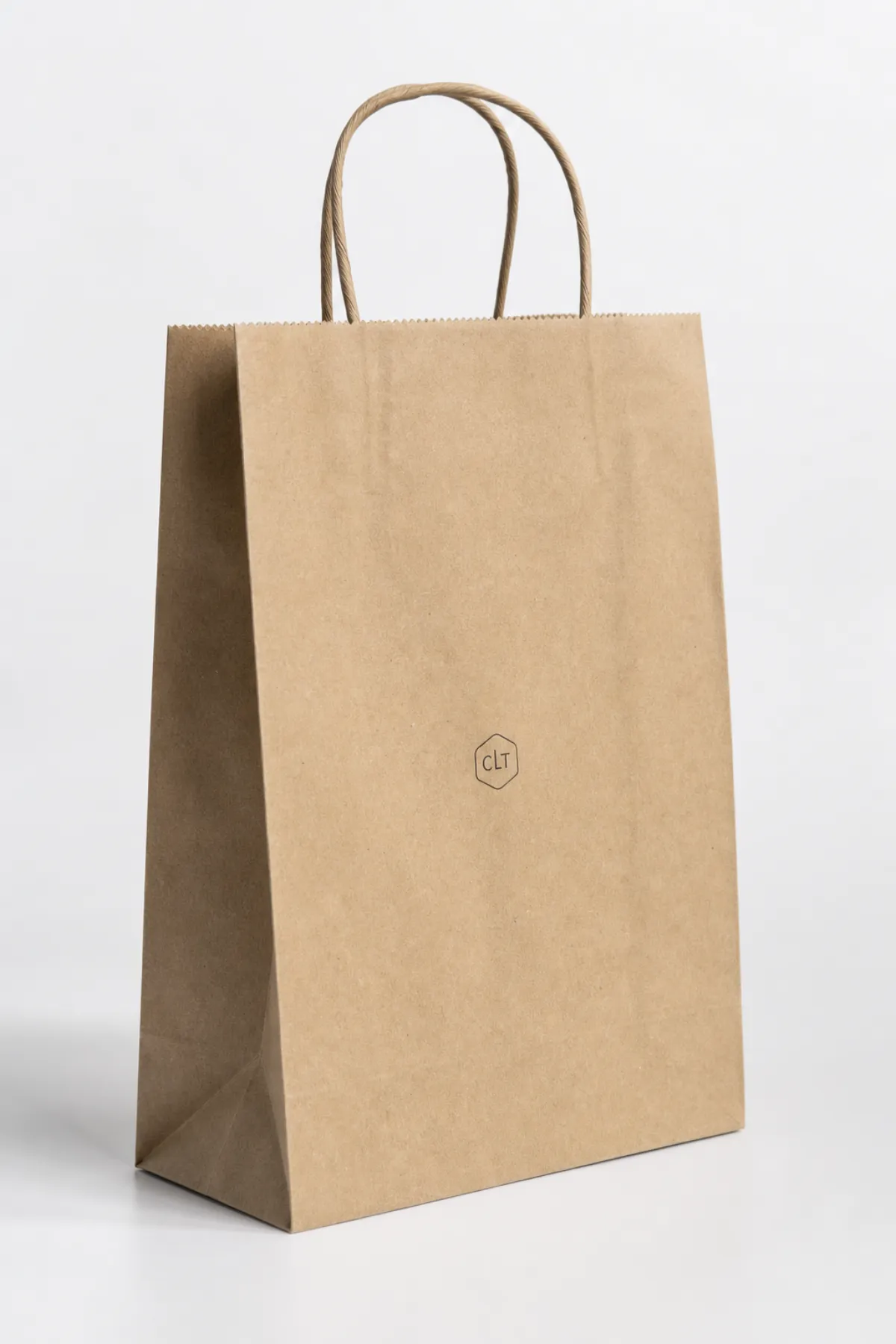
An fsc certified paper bags manufacturer is a converter or packaging producer that holds a valid Forest Stewardship Council chain-of-custody certificate for the products it sells under FSC claims. In practical terms, the facility is audited to track certified fiber through purchasing, storage, production, and shipment. FSC is not a vague promise that a bag is “better for the planet.” It is a documented claim about where the fiber came from and how it was handled through the manufacturing process.
The distinctions matter. FSC 100% means all fiber comes from FSC-certified forests or approved controlled sources under the standard. FSC Mix combines FSC-certified material with recycled or controlled sources. FSC Recycled uses recycled inputs, often with post-consumer waste as part of the mix. A buyer who treats those claims as interchangeable will get confused long before the first quote is approved. A careful fsc certified paper bags manufacturer should be able to explain which claim applies, what the label can say, and where that claim may appear on the finished bag or the cartons.
Manufacturer matters more than reseller because only the certified producer, or another certified party in the chain, can make the correct claim at the point of sale. A trading company may source attractive bags, but if the certificate scope does not cover that exact product or factory, the documentation becomes shaky. The site address, product category, and claim wording all need to match. When those details drift apart, the bags can still look fine while the paperwork falls apart.
That distinction carries real weight for packaging buyers. Retailers, food-service brands, and private-label programs face more questions every year about recycled content, paper sourcing, and biodegradable packaging. FSC does not answer every environmental question, but it does give a recognized chain-of-custody framework. A serious fsc certified paper bags manufacturer often becomes part of a broader compliance system that may also include food-contact rules, store testing, and internal sustainability reporting.
A paper bag is only as credible as the documents behind it. The print may be sharp and the paper may feel premium, yet a weak claim path turns the purchase into a risk.
FSC is about traceability, not magic. It does not automatically guarantee durability, moisture resistance, or a luxury finish. Those come from paper grade, converting quality, glue performance, handle choice, and the way the bag is packed for shipment. A reliable fsc certified paper bags manufacturer will say that plainly. That kind of honesty usually signals a stronger supplier.
For chain-of-custody basics, the FSC organization explains the system clearly on its site: FSC. If the bags will be packed, stacked, or shipped through distribution channels, testing guidance from groups such as ISTA is also worth reviewing, since certification alone does not prevent transit damage.
How the label usually shows up in practice
On finished bags, the FSC claim may appear as a printed logo, a carton mark, a certificate code on paperwork, or some combination of those elements. The exact wording depends on the product and on what the certifier permits. A good fsc certified paper bags manufacturer will show sample claim language before production begins. That small step saves time later and avoids awkward corrections after the bags are already scheduled.
Procurement teams usually move from “Is it certified?” to “Which claim are we buying, and what does the certificate actually cover?” That is the smarter line of questioning. It is also the one an experienced fsc certified paper bags manufacturer should answer without hesitation.
FSC Certified Paper Bags Manufacturer Process and Timeline
The production flow looks simple from the outside, but several checkpoints sit inside it. A typical fsc certified paper bags manufacturer begins with specification review: dimensions, paper weight, handle type, print coverage, finish, and shipping format. Artwork approval comes next, and it often takes longer than buyers expect. After that, the facility allocates paper stock, confirms claim eligibility, schedules printing, converts the bags, checks the run, and packs cartons for shipment.
Certification checks happen in the background, yet they are very real. The factory has to match the approved FSC claim with the correct raw material and the correct production order. The certificate scope must line up with the site, product class, and bag category. On the paperwork side, the invoice and packing list should reflect the approved claim wording. A mismatch between the quote and the final documents can create delays even after the bags are physically complete. A disciplined fsc certified paper bags manufacturer treats that matching process as part of standard operations, not a cleanup step at the end.
Lead time depends heavily on the bag style. A basic kraft paper shopping bag with a single-color logo usually moves faster than a laminated retail bag with rope handles, spot UV, or multiple print stations. Die-cut handles, reinforcement patches, and custom tooling all add time. So do heavier paper stocks. A run built on 170gsm kraft may behave very differently from one using 250gsm art paper or a mixed-material premium structure. When buyers ask for timing, the most useful answer is a step-by-step breakdown rather than a vague promise.
- Sampling: often 3-7 business days for standard structures, longer if tooling is required.
- Artwork proofing: 1-3 rounds is common when a brand has strict logo placement rules.
- First production run: often 12-20 business days after proof approval, depending on the build.
- Repeat orders: can move faster, especially if paper is in stock and no spec changes are needed.
That timeline can shrink or stretch based on the order profile. A repeat order from the same fsc certified paper bags manufacturer is not the same as a fresh design. New artwork, different handle styles, or a change from matte to gloss can all add days. Seasonal capacity matters too. Holiday retail programs, food-service promotions, and trade-show cycles crowd the schedule. Buyers who overlook that reality often end up chasing status updates after they have already promised a delivery date internally.
In many cases, the slowest step is not machine time. It is the approval cycle. Late file changes, missing dielines, and uncertain copy on sustainability claims can stall a production slot even when the paper is already reserved. A fsc certified paper bags manufacturer that sets clear proof deadlines is usually more dependable than one that says yes to everything and leaves the timing vague.
Good planning usually costs less than rushing. When the spec is locked early, the supplier can reserve paper, schedule print time, and keep the claim path intact from the start. That matters even more for food-service carriers, premium retail bags, and any order where recycled materials or FSC Recycled content must be documented cleanly.
One more detail buyers often miss: the bag production schedule and the schedule for cartons or transit packaging may not match. If the shipment includes corrugated cardboard master cartons, inserts, or pallet labels, those items need their own checks. A well-run fsc certified paper bags manufacturer will coordinate those steps so the order arrives complete, not just printed.
Key Factors That Separate a Reliable Supplier from Greenwashing
Greenwashing usually starts with a simple assumption: if the bag looks natural, it must be responsible. That is not how procurement works. A reliable fsc certified paper bags manufacturer proves the claim with a scope certificate, the right product category, and documentation that matches the finished order. If the factory name on the certificate differs from the production site, or if the claim type does not cover the structure being ordered, the quote needs closer scrutiny.
Physical performance matters just as much. Paper weight, burst strength, handle attachment, glue performance, and print durability all affect whether the bag survives real use. A kraft paper shopping bag with a weak bottom fold can be certified and still fail in a store. A printed carrier can scuff quickly if the coating and ink system are poorly matched. An fsc certified paper bags manufacturer worth trusting will talk about sustainability and performance together, without pretending one erases the other.
Another common mix-up involves related claims. Recycled content, FSC, water-based inks, biodegradable packaging, and compostable finishes can all appear in the same sourcing conversation, but they are not the same thing. A bag can include post-consumer waste and still require FSC chain-of-custody paperwork. It can use water-based inks and still be poorly made. It can be designed to break down faster under certain conditions and still miss the buyer’s environmental target. The goal is not to stack claims for the sake of it. The goal is to match the claim to the job.
The best fsc certified paper bags manufacturer will show proof points instead of adjectives. Ask for a spec sheet. Ask for sample photos. Ask for copies of valid claim examples. Ask how the factory checks print registration, handle pull strength, and carton labeling. If the response is mostly marketing language, treat that as a warning sign. If the response includes dimensions, gsm values, and document samples, you are likely speaking with a real production partner.
Process control is another dividing line. A certified factory with weak quality control can still ship inconsistent bags, warped bases, or damaged cartons. That is not only a sustainability issue. It becomes a brand issue the moment the bags reach stores or food-service counters. Buyers should ask about incoming inspection, in-process checks, and final pack-out standards. A serious fsc certified paper bags manufacturer usually has a simple but disciplined QC rhythm: paper verification, print check, structural check, and carton audit before release.
Here is a comparison that helps. A supplier may offer a low-cost kraft paper bag with a green claim, but if the paper weight, handle style, and finish differ from the quote, the actual cost can rise fast. Reprints, replacements, and customer complaints cost far more than a slightly better initial spec. That is especially true for retail programs that need the same bag across multiple stores or seasonal resets.
Practical proof points to request:
- Valid FSC certificate with the correct site and scope.
- Spec sheet showing size, paper grade, handle type, and finish.
- Sample bags or photos from a similar order.
- Claim wording examples for invoice and carton documents.
- Quality checkpoints for print, glue, and packaging.
Once buyers ask for these details early, greenwashing becomes much harder to hide. That is the real test of an fsc certified paper bags manufacturer: not whether the website sounds sustainable, but whether the paperwork and the physical bag tell the same story.
If you want one external anchor for environmental claims, the EPA’s recycling guidance is a useful reality check on material claims and waste streams: EPA. It will not verify an FSC bag order for you, but it does help separate general recycling language from a specific fiber claim.
FSC Certified Paper Bags Manufacturer Pricing: What Drives Cost
Pricing from an fsc certified paper bags manufacturer is driven more by specification than by the certificate itself. Size, gusset depth, paper weight, print coverage, number of colors, handle type, and surface finish all move the unit cost. A 1-color kraft paper bag with twisted handles is a very different cost model from a luxury rope-handle bag with lamination and full-bleed graphics. Buyers who quote those as though they were the same product will get misleading numbers back.
MOQ has a real effect too. Small runs usually carry a higher unit price because setup costs are spread across fewer pieces. That does not mean small business orders are impossible. It means the economics change. A repeat order of 10,000 bags usually looks better per unit than a one-off run of 1,000. A capable fsc certified paper bags manufacturer will explain that clearly rather than dressing it up. Buyers should ask for the unit price at the target volume and the next price break, so the decision rests on actual volume economics instead of guesswork.
Hidden cost is where many quotes fall apart. Artwork setup, plates or dies, sampling, freight, duties, and rework can change landed cost sharply. A low ex-works price is not automatically a good deal if the freight is long, the cartons are weak, or the bag needs another proof cycle. Certification itself does not make a bag expensive by default. The bigger drivers are structure and print complexity. In other words, an fsc certified paper bags manufacturer is not the cost problem. The build spec usually is.
| Bag Type | Typical Run Size | Common Specs | Indicative Unit Price | Main Cost Drivers |
|---|---|---|---|---|
| Kraft retail carrier | 5,000-10,000 pcs | 150-200gsm kraft paper, 1-2 colors, twisted handle | $0.12-$0.28 | Paper weight, print coverage, handle style |
| Food-service sack | 10,000-50,000 pcs | Uncoated kraft paper, no lamination, simple one-color print | $0.05-$0.14 | Volume, paper grade, carton pack density |
| Premium shopping bag | 3,000-5,000 pcs | 250gsm board, rope handle, matte or gloss finish | $0.45-$1.10 | Board weight, finishing, handle attachment, decoration |
| FSC Recycled bag | 5,000-20,000 pcs | Recycled content paper, custom print, reinforced base | $0.14-$0.36 | Recycled fiber cost, strength requirements, print setup |
Use those numbers as a reference, not as a promise. Region, freight mode, and labor rates shift the final quote. A bag made with recycled materials may cost less than a premium laminated carrier, or it may not, depending on the paper source and the structure. That is why quote comparison should be normalized. Compare the same size, paper weight, handle type, finish, delivery term, and claim type before choosing a supplier.
One frequent mistake is comparing an unprinted stock-size bag with a custom printed order and calling one supplier cheaper. That is not a fair comparison. A valid comparison asks whether both quotes are based on the same spec sheet, the same FSC claim, and the same logistics assumptions. If not, the lower number can become the more expensive purchase once the extras appear.
Another helpful question is whether the supplier can offer a better rate at a higher reorder quantity. Many fsc certified paper bags manufacturer quotes improve when tooling is already paid for and paper is already approved. Repeat orders are usually where the economics get better. Planning for that early is useful if the bags will be part of an ongoing retail or food-service program.
One more nuance: certification may affect quote structure, but not always in the way buyers expect. A documented fsc certified paper bags manufacturer may charge a little more for compliance administration, yet the real cost difference can be modest compared with a non-certified order once the spec is compared like-for-like. That is why “cheap” is not a useful final metric. Landed cost is.
Step-by-Step: Choosing an FSC Certified Paper Bags Manufacturer
Start with an exact brief. A strong fsc certified paper bags manufacturer can only quote clearly if the buyer defines dimensions, intended use, quantity, branding needs, certification language, and whether the bags will touch food, retail goods, or takeaway packaging. The more precise the brief, the cleaner the quote. Vague requests usually produce vague answers.
Ask for proof before you ask about price. Request the FSC certificate PDF, scope details, sample claim examples, and the confirmed production site. If the order will use kraft paper, ask what basis weight is being quoted. If it will use recycled materials, ask whether the fiber is FSC Recycled, FSC Mix, or another recycled-content structure. A good fsc certified paper bags manufacturer will not treat those as interchangeable details.
Then compare the quote against sample quality and response speed. Much can be learned from how quickly the supplier answers a technical question. If the reply includes dimensions, lead time, and claim wording in the same message, that is a positive sign. If the reply is only a low number and a promise, keep looking. Price matters, but so does the ability to keep the order clean from proof to shipment.
After that, place a pilot order if the bag will go to customers, food counters, or regulated retail channels. Inspect print alignment, structural strength, carton labeling, and paperwork. A pilot run is not a delay. It is a small insurance policy against larger mistakes. Even a trusted fsc certified paper bags manufacturer benefits from a first run when the bag is new, because the pilot reveals details that look fine in a PDF and awkward in the hand.
One overlooked step is internal recordkeeping. Keep a folder with the approved spec, certificate copies, artwork versions, and final signed approval. That habit saves time on the next reorder and reduces the risk of mismatched documents. For buyers juggling several SKUs, a simple filing system is often the difference between a repeatable program and a recurring fire drill.
Finally, think beyond the first order. Where will the bags be stored? Who will approve reorders? What happens if the paper grade changes? A mature fsc certified paper bags manufacturer will ask those questions early because it helps protect the relationship later. That is what repeatable sourcing looks like.
Decision checklist:
- Define the bag exactly.
- Verify the certificate and scope.
- Compare samples, pricing, and communication.
- Run a pilot order when the risk is visible.
- Lock the records for future reorders.
Buyers who work this way usually spend less time chasing surprises. They also build better standing for the next round, because the supplier sees a clear process rather than a moving target. That applies whether the bag is a simple kraft paper carryout or a premium branded retail carrier from an fsc certified paper bags manufacturer.
Common Mistakes When Buying from an FSC Certified Paper Bags Manufacturer
The biggest mistake is assuming a green-looking bag is automatically compliant. It is not. A printed leaf icon or earthy color palette says nothing about a valid chain-of-custody claim. The fsc certified paper bags manufacturer needs the right certificate, and the finished product has to fit that scope. Without both, the order can fail an audit even if the bag itself looks excellent.
Scope confusion follows close behind. Many buyers verify the company name on a website and stop there. That is not enough. The specific site that manufactures the bag must be covered, and the product category should match the item being ordered. A trading company may source from several plants, which is fine if the paperwork is clean. If it is not, the buyer inherits the risk. That is an expensive place to discover ambiguity.
Timing errors are another common trap. Buyers often underestimate artwork revisions, sample approval, and freight delays. A short window sounds appealing during a quote call, but a custom order is not just machine time. It is approval time, material allocation, and packing. A reliable fsc certified paper bags manufacturer will give a timeline that separates those pieces. If the schedule is only one number, ask for more detail.
Lowest bid syndrome causes a lot of avoidable pain. The cheapest quote can hide substitutions in paper grade, handle strength, print quality, or finishing. It can also leave out freight or rework. Once those items appear, the low quote is no longer low. Buyers who normalize the specs usually find that the gap between “cheap” and “good value” is smaller than expected. In packaging, that is a useful discovery. It means the right supplier may not be the highest cost after all.
Paperwork traps can be just as damaging as physical defects. Missing claim wording, mismatched invoice details, or poorly archived approvals can create headaches during audits or customer reviews. If the paper trail is inconsistent, the buyer spends time reconstructing what should have been obvious. A disciplined fsc certified paper bags manufacturer will help prevent that, but the buyer should still keep complete records on their side.
There is also a quieter mistake: treating sustainability language as the main purchasing filter. A bag described as biodegradable packaging may still have poor print performance or weak handles. A bag made from post-consumer waste may still arrive with registration problems. Green claims do not replace testing. They sit beside it.
If you are sourcing for a multi-site retail rollout, the risk grows quickly. One weak sample becomes ten weak stores. One unclear claim becomes a stack of correction emails. That is why the best buyers treat an fsc certified paper bags manufacturer as part of the control system, not a decoration vendor with a sustainability badge.
Common warning signs:
- No certificate PDF, only a website logo.
- Quote uses one spec and sample uses another.
- Lead time sounds unrealistically short.
- Poor answers on claim wording or invoice language.
- Strong sales pitch, weak production details.
Expert Tips and Next Steps for Safer Sourcing
A one-page RFQ template keeps sourcing cleaner than scattered emails. Put the dimensions, paper grade, quantity, handle type, print colors, finish, and delivery terms in one place. Then ask every fsc certified paper bags manufacturer to quote from that same brief. It sounds basic. It saves days.
Ask for proof before you ask for a discount. That means a certificate PDF, claim examples, sample photos, and a confirmed production site. Once you know the supplier is real, then discuss price. That order matters because it prevents the wrong kind of negotiation. A factory that cannot prove scope is not a strong place to bargain over cents.
Build a scorecard that weights price, quality, compliance, responsiveness, and repeatability. A scorecard is better than memory and far better than instinct alone. It also helps when several quotes are close. If one fsc certified paper bags manufacturer is faster but weaker on claim documentation, the scorecard makes that trade-off visible. Most buyers know this is the right way to decide. Fewer actually do it, which is kinda why the same mistakes keep showing up in review meetings.
Start with a pilot run whenever the bag will touch customers, food, or regulated retail channels. Inspect print alignment, structural strength, carton labeling, and document quality. If the bag ships inside corrugated cardboard master cartons, inspect those too. Small packaging flaws often appear first in transit, not on the production floor. A pilot run catches them before they become a full rollout issue.
Plan for repeat orders from day one. Save the approved dieline, claim language, artwork, and certificate copies in a shared file system. Then note the reorder quantity where pricing improves. An fsc certified paper bags manufacturer can move more efficiently when the file set is clean and the buyer knows the target volume. That is where long-term value starts to accumulate.
It also helps to separate “sustainable” from “suitable.” A bag can use FSC certified fiber and still be the wrong choice if the handle fails, the finish scuffs, or the size feels awkward in the hand or on the shelf. A simpler kraft paper bag with the right structure may outperform a flashy premium bag in daily service. Good sourcing respects performance first, then layers the environmental claim on top.
For teams wanting a practical next step, keep it simple: shortlist three suppliers, request aligned quotes, compare landed cost, and choose the fsc certified paper bags manufacturer that can prove both compliance and consistency. That process is not glamorous. It is effective.
About Custom Logo Things: if you are building a branded packaging program and want to see how the company positions custom print projects, visit About Custom Logo Things. A clear vendor story matters when the bag has to carry both the product and the brand.
One last point. The right fsc certified paper bags manufacturer should make your approval trail easier, not messier. If the supplier cannot keep the claim, the carton, and the production record aligned, the quote is not cheap; it is incomplete. In my experience, that is the detail that separates a tidy reorder from a future headache.
Frequently Asked Questions
What documents should an fsc certified paper bags manufacturer provide?
A valid FSC certificate with the correct scope and site details, a quote or spec sheet that matches the bag size and claim type, and invoice or packing-list language that mirrors the approved FSC claim. If those three do not line up, the order needs another review. A trustworthy fsc certified paper bags manufacturer will send the paperwork without making you chase it.
Is an fsc certified paper bags manufacturer the same as a recycled paper supplier?
No. FSC is about chain of custody and fiber traceability, while recycled content is a separate material claim. A bag can be FSC Mix, FSC Recycled, or FSC 100% depending on the fiber source. If recycled content matters to you, ask for both the FSC claim and the recycled-content details. A good fsc certified paper bags manufacturer should explain the difference clearly.
How do I compare pricing from different fsc certified paper bags manufacturers?
Normalize every quote by size, paper weight, print colors, handle type, and coating or finish. Then check MOQ, sample costs, tooling, freight, and duties so you compare total landed cost. Ask for volume breaks too. That way you can see whether the unit price improves at higher reorder quantities, which is often where an fsc certified paper bags manufacturer becomes more competitive.
How long does production usually take with an fsc certified paper bags manufacturer?
Simple stock-size bags usually move faster than fully custom printed bags with special finishes. Artwork approval, sampling, and certification paperwork can add days before production starts. Ask for a written timeline that separates sample time, production time, and shipping time. A transparent fsc certified paper bags manufacturer will give that breakdown rather than one vague number.
Can a small business work with an fsc certified paper bags manufacturer?
Yes, but small orders often carry a higher MOQ or a higher unit cost than repeat volume runs. Stock sizes, simpler print layouts, and fewer special finishes can make smaller orders more practical. A pilot order is a smart way to test quality, compliance, and communication before scaling up. For many smaller buyers, that first order is the fastest way to learn whether the fsc certified paper bags manufacturer is a fit.
Choosing an fsc certified paper bags manufacturer is not only a sustainability decision. It is a sourcing decision, a documentation decision, and a quality-control decision at the same time. Buyers who do it well look past the logo, compare the real spec, and verify the claim path before they place the order. That is how you keep the paper bags credible, the budget under control, and the brand story intact. The best fsc certified paper bags manufacturer is the one that can prove the bag is right on paper and right in practice, then repeat that result on the next reorder without drama.

