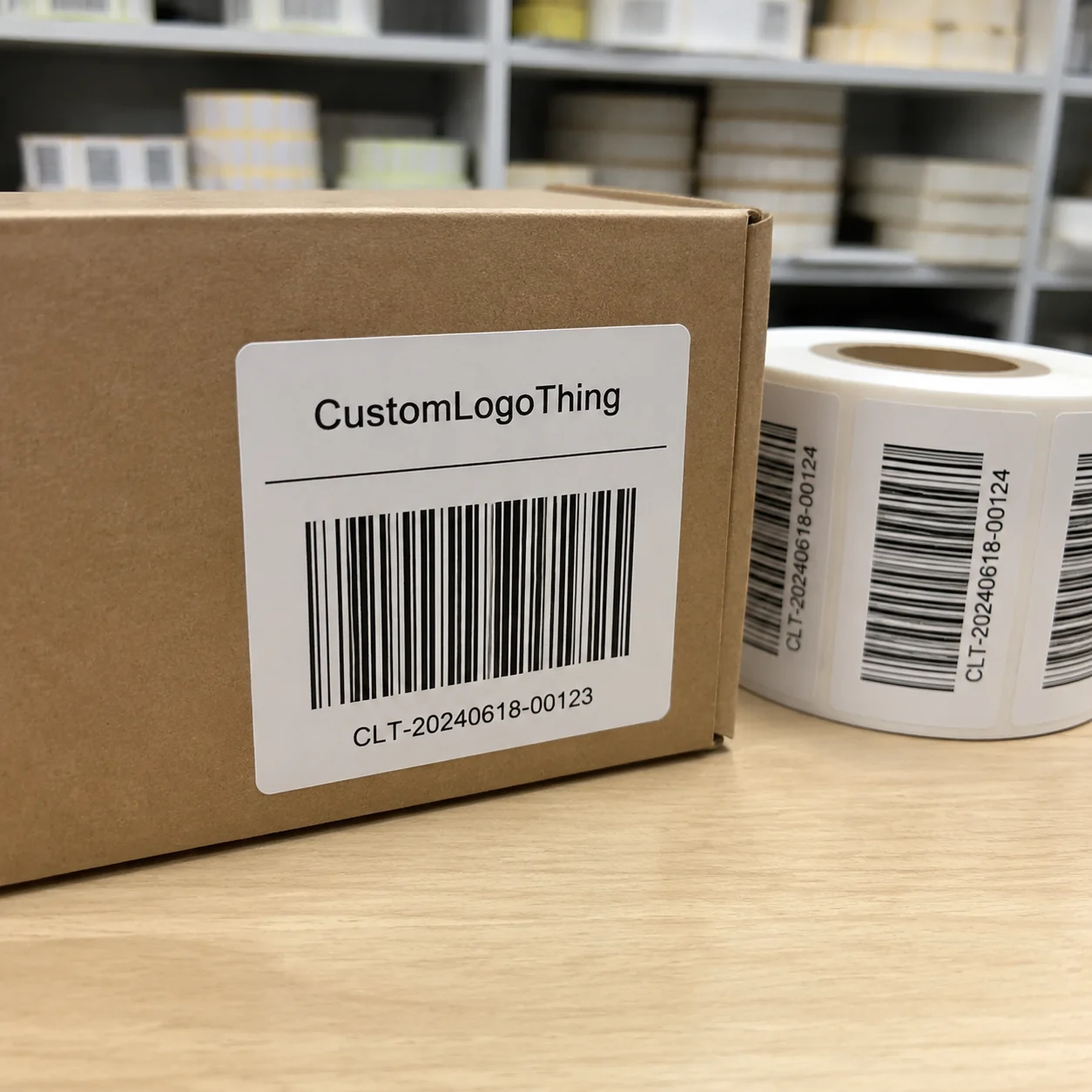
If you’re sourcing a garment brand labels supplier private label setup, labels need to be treated as part of the product spec, not an afterthought. They affect brand perception, comfort, compliance, and landed cost, and they show up in every photo, return, and unboxing. A weak label can make a good garment feel cheap. A well-made one helps the whole line feel deliberate.
There is also a practical side. Labels can trigger complaints when they itch, peel, fray, fade, or fail compliance checks. They can also raise costs if you are managing multiple variants across sizes, colorways, and markets. The buyer’s job is to compare label type, price, MOQ, lead time, and durability before placing an order.
What a private label garment supplier actually does
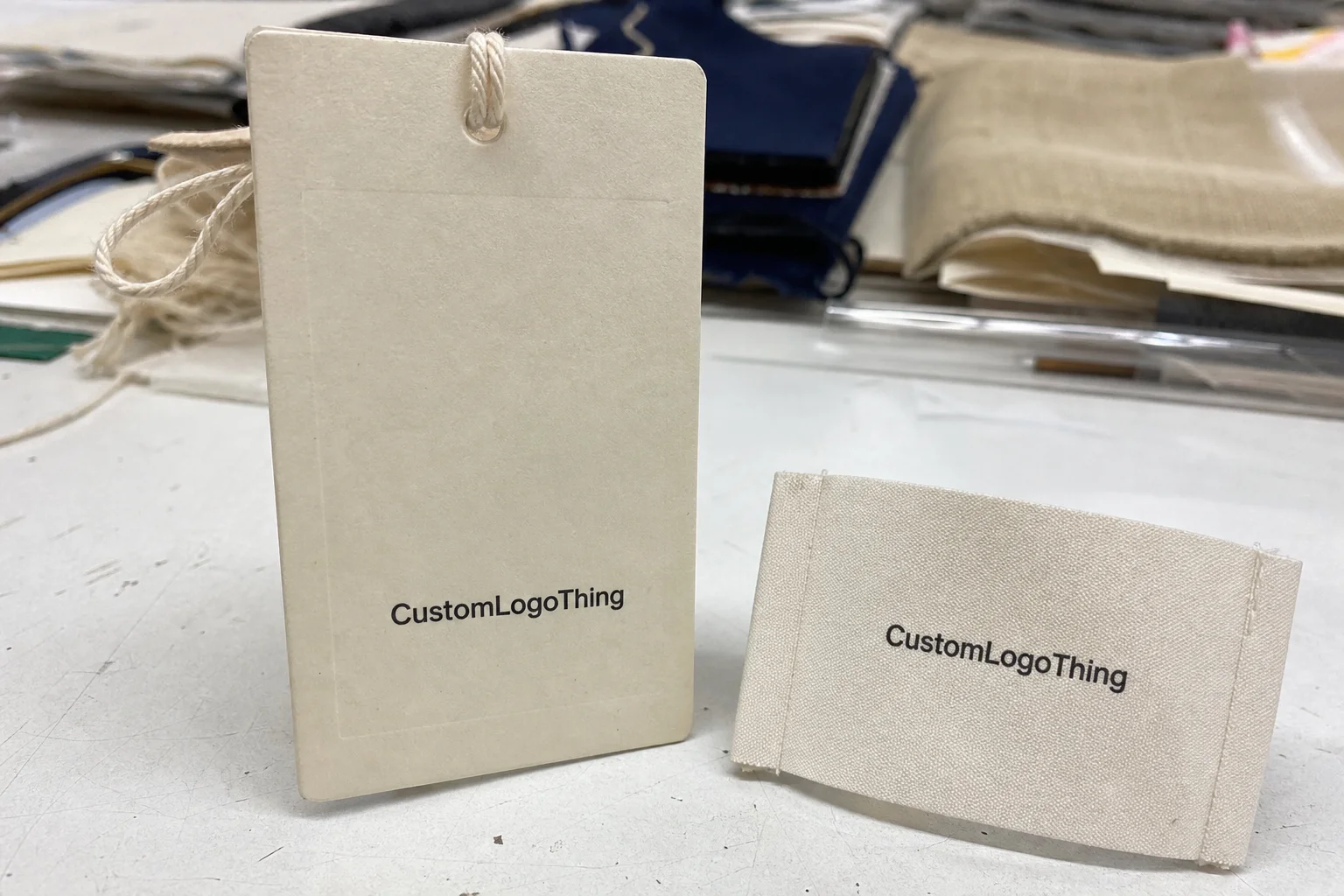
A garment brand labels supplier private label partner turns your branding into physical labels that can be sewn in, heat-applied, printed, or attached as hangtags. That includes translating artwork, sizing, care instructions, placement, and finish preferences into something that can survive production, shipping, and repeated washing.
People mix up suppliers all the time, so here’s the clean version:
- Label maker: produces the labels themselves, such as woven labels, satin labels, care labels, size tabs, or hangtags.
- Garment factory: cuts, sews, and finishes the clothing. Some factories also apply labels, but not all do.
- Sourcing agent: helps coordinate vendors, pricing, and logistics. Useful, but not the same as a label manufacturer.
Common label types include woven labels, satin labels, Heat Transfer Labels, care labels, size tabs, and hangtags. The right mix depends on category and customer expectations. Streetwear brands often want bold Woven Neck Labels and exterior branding. Activewear buyers usually prefer tagless or heat-transfer options so nothing scratches. Luxury basics tend to favor damask or satin because the hand feel matters as much as the logo.
Each type comes with tradeoffs. Woven labels tend to look more premium and last well, but tiny text can lose clarity if the design is too busy. Printed labels are cheaper and can carry more information, yet they usually feel less substantial. Heat transfers can disappear against the garment, which is exactly what some brands want, but the adhesive and stretch performance must hold up in wear testing.
The practical payoff is simple: better labels improve shelf presentation, strengthen brand recognition, and reduce the “this feels cheap” complaint that can sink a reorder before it starts.
For brands that want to see how packaging and branded inserts support the same goal, our Case Studies page shows how presentation choices affect the finished product feel.
How the private label process works from artwork to delivery
The usual process is consistent whether you are ordering 500 woven labels or 50,000 care labels. A solid workflow should move through six steps: artwork submission, material and spec selection, digital proofing, sampling, approval, production, and shipping.
- Artwork submission — send vector files if possible, usually AI, EPS, or a clean PDF.
- Spec selection — choose size, fold type, thread color, backing, and finish.
- Digital proof — the supplier shows how the label should look before production.
- Sampling — useful for premium labels, special finishes, or color-sensitive jobs.
- Approval — you sign off on the sample or proof.
- Bulk production and shipping — final labels are made and packed.
Upfront information matters more than most buyers expect. A supplier usually needs your logo files, exact dimensions, Pantone or CMYK references, label placement, quantity, fold type, finish, and any care text or compliance wording. If you leave out sizing, the supplier guesses. If you leave out color codes, the supplier interprets.
Delays tend to happen in a few predictable places: fuzzy artwork, late approvals, color changes after sampling, or a buyer who keeps tweaking the logo after the proof is already made. Every change can reset a production step and stretch the schedule.
Sample behavior deserves a quick reality check. A sample is there to confirm structure, color, fold, readability, and finish. It is not always a perfect clone of bulk production, especially with woven labels where loom settings and thread lots can affect tiny details. For printed labels, color and edge crispness matter more. For heat transfers, adhesion and stretch recovery matter more.
If you need a broader product view while you compare options, our Custom Labels & Tags page helps connect label type to use case without unnecessary fluff.
Cost, pricing, and MOQ drivers you need to compare
Pricing is where buyers get themselves into trouble. A quote can look cheap until you notice the MOQ, setup fee, sampling charge, freight, or revision cost. A good quote should show what you are actually paying for, not just tease a low unit price.
What affects price?
- Label type — woven usually costs more than printed, but feels more premium.
- Size — larger labels use more material and machine time.
- Color count — more colors generally mean more complexity.
- Material — damask, satin, cotton, polyester, TPU, paper stock for hangtags.
- Finish — folded, cut, heat sealed, matte, glossy, soft-touch, adhesive backing.
- Quantity — higher volume usually lowers unit cost.
- Packaging — bundled, rolled, paired with safety pins, or individual packing.
MOQ stands for minimum order quantity. For labels, MOQs can range from 100 pieces on simple printed items to 1,000+ on certain woven or custom die-cut tag jobs. Small brands feel this immediately because the minimum can absorb cash before the product even ships.
| Label type | Typical feel | Common MOQ range | Approx. unit price at 5,000 pcs | Best fit |
|---|---|---|---|---|
| Woven label | Premium, textured | 500-1,000+ | $0.06-$0.18 | Streetwear, basics, outerwear |
| Satin label | Smooth, soft | 500-1,000+ | $0.05-$0.15 | Lingerie, kidswear, premium basics |
| Heat transfer label | Very soft, tagless | 300-1,000+ | $0.08-$0.22 | Activewear, performance apparel |
| Hangtag | Brand-forward, retail-ready | 500-2,000+ | $0.04-$0.20 | Launches, retail display, giftable products |
Those numbers are typical ranges, not promises. Quantity, finish, and shipping can shift them quickly. A single color change, a special fold, or a custom die-cut shape can push the quote up. Compare the total landed cost: sampling, freight, duties, reprint risk, and any revision fees.
One more thing people miss: a lower-cost label that fails after washing is not a bargain. It is a re-order.
Materials, finishes, and placement choices that affect brand feel
Material choice affects the product experience more than many founders expect. A good source will walk you through the tradeoffs instead of pretending every label is the same.
Common materials include:
- Damask — fine weave, sharp detail, strong for premium woven labels.
- Satin — smooth and soft, often used in lingerie or delicate apparel.
- Cotton — natural feel, good for eco-positioning, but less crisp in detail.
- Polyester — durable, washable, common in care and brand labels.
- TPU — flexible, sporty, often used for raised or glossy branding.
- Paper stock — standard hangtags, often coated or uncoated.
Finish changes the customer experience fast. Matte reads more restrained and premium in many categories. Glossy feels louder and more promotional. Soft-touch lamination can elevate a hangtag immediately, but it costs more and can scuff if handled badly. Fold type matters too: end fold, center fold, Manhattan fold, straight cut.
Placement is not just a design decision. It affects comfort, compliance, and how the garment photographs. Neck labels are standard. Side seam labels are common in tops and dresses. Hem branding works for subtle identification. Outer branding is useful when the logo is part of the look. Secondary care labels should stay readable after repeated laundering, which means the ink, weave, or print method has to be chosen with wash durability in mind.
There is also a simple hierarchy buyers use in practice. If the label touches skin directly, softness and edge finish matter most. If it is visible from the outside, stitch quality and color accuracy become more important. If it carries legal or care information, legibility wins over aesthetics.
For compliance and durability checks, standards matter more than marketing claims. If you want guidance on shipping and product testing expectations, the ISTA site is useful for packaging test references, and the FSC directory helps if you are specifying paper-based hangtags or cartons with certified fiber sources.
Some brands also need to think about skin sensitivity and repeated laundering. Scratchy neck labels and brittle prints create avoidable complaints. The label is not the hero, but it can absolutely become the reason for a return.
Production timeline and lead time: what slows orders down
Lead time is usually broken into proofing, sampling, production, quality check, and shipping. A clean order can move efficiently. A messy one drags.
Typical timing, in practical terms:
- Proofing: 1-3 business days if artwork is clean.
- Sampling: 3-7 business days for standard labels; longer for specialty finishes.
- Production: often 7-15 business days depending on volume and complexity.
- QC and packing: 1-3 business days.
- Shipping: depends on method, destination, and customs.
Complexity stretches the schedule. Multi-color woven labels, custom die-cut hangtags, metallic threads, or special adhesive backings all take longer than a straightforward printed satin label. Seasonal bottlenecks also matter. If you order during peak apparel production periods, even a responsive supplier may need to fit your job into a crowded schedule.
Plan buffer time before launch, photo shoots, sales calls, and first retail delivery. If your product launch date leaves no room for a reprint or shipping delay, your schedule is too tight.
The fastest way to shorten lead time is to send clean specs, approve proofs quickly, and limit revision loops. A supplier can work fast on a clean file. It cannot read your mind.
For Brands That Sell into multiple channels, build time for retail compliance review too. Barcode placement, country-of-origin wording, fiber content, and care symbols may all need a second pass.
Common mistakes brands make when ordering private labels
The same errors show up again and again. A brand finds a supplier, gets excited, and then trips over basic prep work.
- Using low-resolution artwork — blurry logos and jagged edges do not reproduce well.
- Choosing unreadable fonts — tiny script looks stylish in a mockup and useless on fabric.
- Forgetting care information — clothing labels often need fiber content, washing symbols, or origin details depending on market and category.
- Approving the wrong color sample — one “close enough” approval becomes a long chain of “why is this off?” later.
- Under-ordering — reorders often cost more per unit and can create lot differences.
- Ignoring placement comfort — scratchy neck labels or oversized hangtags can annoy customers instantly.
- Skipping testing — wash, rub, stretch, and inspect before bulk approval.
Under-ordering deserves special attention. Brands often think they are being conservative. What they are really doing is setting themselves up for a more expensive second run, sometimes with subtle shade or lot differences. If brand consistency matters, ordering too little is usually a false economy.
Testing is not optional if you care about quality. Wash the label. Rub it. Stretch the garment. Check whether the ink cracks, the edges fray, or the adhesive fails.
Another quiet failure point is language consistency. If the hangtag says one thing, the care label says another, and the box insert uses a third color description, the brand looks disorganized even when the product is fine.
Expert tips for choosing the right supplier and next steps
If you are narrowing down suppliers, stop comparing marketing claims and start comparing execution. The right partner should be able to handle samples, communicate clearly, and explain tradeoffs without hiding behind vague language.
Check these items before placing a bulk order:
- Sample quality — does the sample actually reflect the promised material and finish?
- Response speed — slow replies on a quote often become slow replies on production.
- File support — can they clean up artwork, advise on layout, and flag issues early?
- Material options — do they offer woven, printed, satin, heat transfer, hangtags, and care labels?
- Written terms — MOQ, turnaround, sample cost, and shipping should be documented.
- Color control — ask how they handle matching brand colors across runs.
Compare at least two or three suppliers on the exact same specs. Same size. Same quantity. Same finish. Same artwork. Otherwise the pricing is not meaningful. A quote for a 20mm woven label with one fold is not comparable to a 30mm satin label with a stitched edge and custom packaging.
| What to compare | Why it matters | What good looks like |
|---|---|---|
| MOQ | Affects cash flow and reorder planning | Clear minimums with no surprise add-ons |
| Sampling terms | Shows how the supplier handles validation | Reasonable sample cost and clear approval process |
| Turnaround | Determines launch timing | Specific business-day ranges, not vague promises |
| Communication | Affects error reduction | Fast replies, clear specs, no guessing games |
| Total landed cost | Protects margin | Quote includes freight, sampling, and any setup fees |
Before you order, prepare your logo files, decide on label type and placement, confirm your quantity range, and request a written quote with sample terms. If the supplier can answer those basics clearly, you are already ahead of most buyers.
What should I ask a garment brand labels supplier private label before ordering?
Ask about MOQ, sample cost, production lead time, available materials, and whether they can Match Your Brand colors consistently. Also ask what file format they prefer and whether revisions are included or billed separately. Clear answers now prevent expensive confusion later.
How do private label garment labels differ from generic clothing labels?
Private label options are custom-branded to your specs, while generic labels are usually stock products with limited customization and weaker brand impact. Private label also gives you better control over material, placement, finish, and brand consistency across the line.
What label type is best for soft, premium apparel?
Satin and soft woven labels are common picks for premium feel, but the best choice depends on placement, wash durability, and how visible you want the branding to be. If the label touches skin directly, softness matters. If it is visible outside the garment, detail and finish matter more.
How much does custom private label packaging usually cost?
Pricing depends on material, size, color count, quantity, and setup fees; unit cost drops with volume, but the total order cost matters more than the per-label number. For labels and tags, small orders can land around a few cents to a few tenths of a dollar per unit, while premium finishes or low-volume runs cost more.
How long does production usually take for custom garment labels?
Lead time varies by complexity and quantity, but proofing, sampling, production, and shipping should all be factored in before you commit to a launch date. A simple order can move in roughly two to three weeks; custom finishes, peak seasons, or multiple revisions can extend that.