Festival merch teams rarely blow budget because the product itself is wrong. They blow budget because packaging gets treated like an afterthought. Then the bins arrive late, the wrong size bags show up, and everybody wonders why packing feels like a small disaster with labels.
Garment Poly Bags for festival merch teams moq planning is not glamorous work. It is the part that keeps the line moving, the stock room tidy, and the finished merch from looking like it was packed during a weather emergency. Get the packaging spec right and the operation gets quieter. Get it wrong and you pay for it in labor, waste, and rework.
There is a practical way to handle it. Match bag size to the folded garment, choose film thickness based on handling pressure, and set MOQ around actual sell-through instead of wishful thinking. That sounds dull. It also saves money.
Why festival merch teams overspend on bag inventory
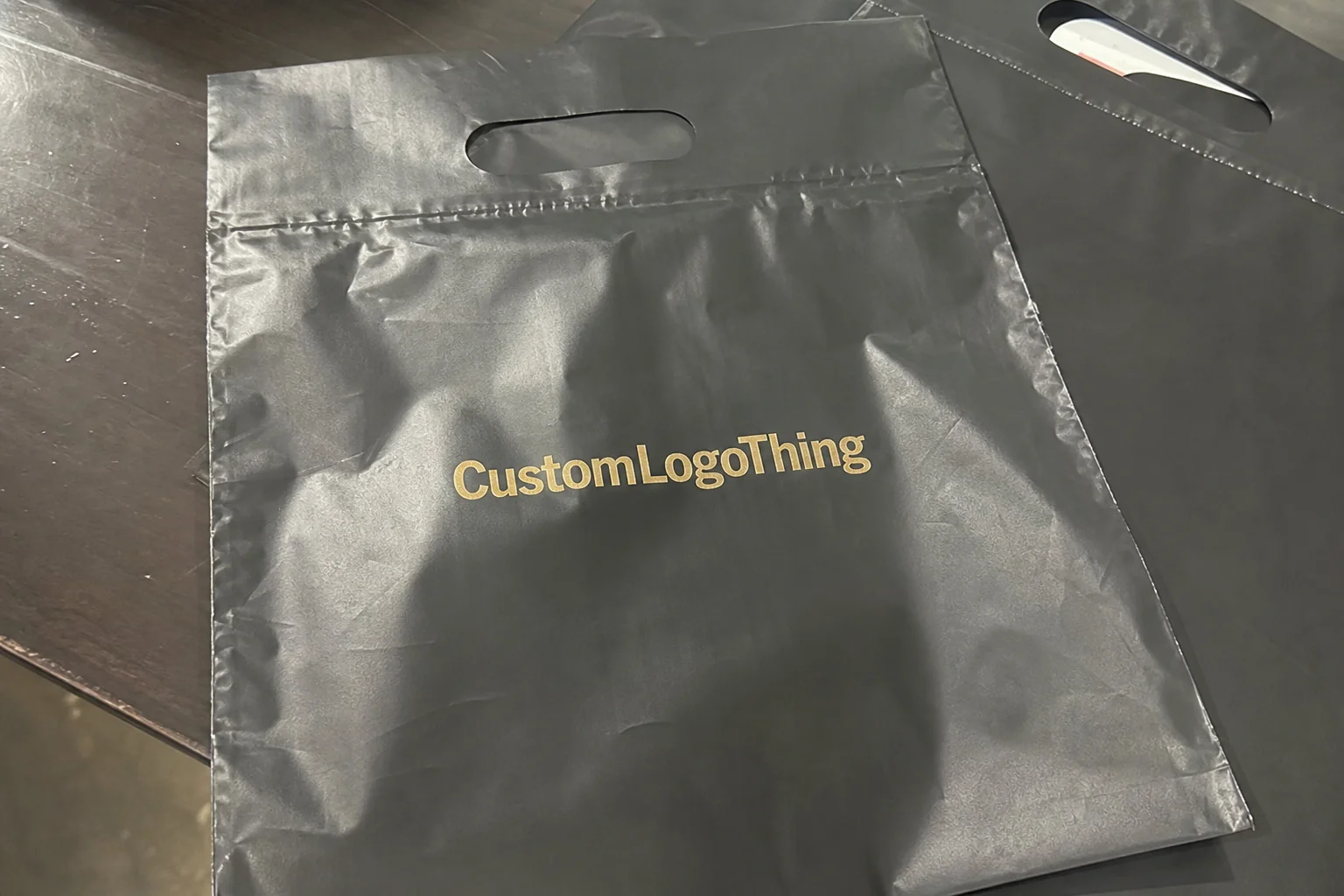
Most overspending starts with a harmless little phrase: “Let’s just be safe.” That is how teams buy too many bags, too many sizes, or both. Then the event changes, the SKU mix changes, and the leftover inventory becomes an expensive reminder that “safe” is not the same as “well planned.”
For festival merch, poly bags do three jobs. They protect garments from dust and handling. They keep folded items looking clean at pickup. They speed up packing when staff are working in temporary spaces with bad lighting, little counter space, and too much foot traffic. That is a lot of responsibility for a piece of plastic, but here we are.
The hidden cost is labor. A bag that tears during packing slows the team down. A bag that is too slippery makes folding messy. A bag that is oversized looks loose and cheap, which is not ideal when the merch table is supposed to feel organized and premium. The cheapest bag can become the most expensive line item once the team starts fighting it.
For event buyers, the smartest choice is usually the one that reduces handling time and rejects. If one bag format helps the team pack 20 percent faster, it may justify a slightly higher unit price. That tradeoff is easier to defend than dead stock sitting in storage after the last truck rolls out.
That is why Garment Poly Bags for festival merch teams moq planning needs to be tied to real numbers: expected units per SKU, packing method, and delivery date. Buying the same quantity for a 600-unit tee run and a 180-unit hoodie run is a good way to overcommit inventory to the wrong format. Simple arithmetic. Annoyingly useful.
Product details that actually matter for merch packing
Not every garment poly bag is built for the same job. For festival merch, the common choices are clear LDPE or LLDPE bags, resealable bags, and plain or printed versions. LDPE is flexible and widely used. LLDPE usually has better puncture and tear resistance at similar thickness, which matters when staff are packing fast and handling folded hoodies all day.
Clear film is still the default for a reason. It shows the garment, size cue, and fold quality without opening the package. That helps with retail presentation and makes it easier to spot the wrong SKU before it leaves the table. Frosted film hides fingerprints and some scuffing, but it also reduces visibility. If the merch needs to look sharp and easy to identify, clarity usually wins.
Bag fit matters more than buyers expect. Tees usually work in a flatter, narrower bag. Hoodies and sweatshirts need more width, and sometimes a gusset, so the fold does not fight the closure. Bundled sets are trickier because they combine bulk with branding and often need a little more headroom. A bag that is too tight slows packing. A bag that is too loose shifts around and makes the stack look sloppy.
There are a few add-ons that actually help in the field:
- Flap seals for faster closing
- Hang holes for display or staging
- Vent holes to let trapped air escape from bulky folds
- Barcode stickers for quick SKU sorting
- Header cards when the merch needs a more retail-style presentation
Thickness is where buyers either get practical or get burned. For light garments like tees, 1.2–1.5 mil is often enough. For heavier folded apparel such as hoodies and sweatshirts, 1.5–2.0 mil is usually safer. If the bags will be handled repeatedly, stacked in transit, or packed outdoors, a slightly heavier film is easier to defend than a split bag and a rework pile. Thin film can look efficient on paper. It is less charming on the packing floor.
Here is a simple comparison that helps narrow the field:
| Bag type | Best for | Typical thickness | Main tradeoff |
|---|---|---|---|
| Clear LDPE flat bag | Tees, light garments | 1.2–1.5 mil | Lower cost, less puncture resistance |
| LLDPE bag | Heavier folded apparel | 1.5–2.0 mil | Better toughness, slightly higher price |
| Resealable bag | Premium merch, returns | 1.5–2.0 mil | Faster open/close, higher unit cost |
| Printed poly bag | Branded presentation | 1.2–2.0 mil | Setup charges and higher MOQ |
If sustainability claims matter, be specific. Ask whether the bag can include recycled content, whether any certifications apply, and what proof the supplier can provide. Paper-based elements are one conversation. Plastic film is another. If a supplier can only offer vague green language, that is not a spec. It is decoration. For paper components, the FSC framework may be relevant. For plastic film, ask for the actual material breakdown and any available recycled-content documentation.
Specifications to lock in before you request samples
Before sample requests go out, lock in the basics: dimensions, thickness, closure style, print area, color, and any required compliance language. If these details are vague, you will get samples that are close enough to waste time and not close enough to approve. Packaging teams do not need almost-right. They need fit, clarity, and predictable handling.
Measure the folded garment, not the flat garment. Fold it the way the packing team will fold it on site, then measure width, height, and depth. Leave enough room for quick insertion, but not so much that the garment slides around or the stack looks overfilled. Too small creates tearing and slowdown. Too large creates loose presentation and wasted material. There is a narrow sweet spot, and it matters.
For printed bags, decide early what the film needs to communicate. Some teams only need size identification. Others want a logo and a clean branded surface. A lot of buyers overprint the bag and crowd the film. That usually makes the packaging busier without improving the merch. If the garment is the selling point, the bag should support it, not compete with it.
Ask about handling conditions too. If the venue is dry and warm, anti-static treatment may reduce cling. If the team is packing in heat, check seal strength and how the film behaves under pressure. If the bags will be touched a lot before pickup, tear resistance matters more than a pretty spec line. Outdoor events are not gentle. The packaging should be capable of surviving normal abuse.
“The sample that matches the folded hoodie is the sample that saves money. The pretty one that doesn’t fit is just a demo.”
Send samples with actual folded merchandise inside them whenever possible. Guessing from a drawing is a reliable way to order the wrong width. If two sizes seem close, test both. A small dimension change can affect pack speed more than people expect, especially when the team is moving fast and the table space is limited.
For validation and durability language, packaging standards can help. If the merchandise is moving through freight, storage, and event handling, ISTA test methods are worth referencing. The point is not to turn a simple bag into a science project. The point is to confirm it will hold up before 8,000 units depend on it. The ISTA site is a useful reference for packaging performance testing terms.
One more practical note: if a supplier cannot explain how they measure dimensions, what defect checks they run, or how they handle sample-to-production changes, keep asking. Those are not luxury questions. Those are the questions that prevent expensive misunderstandings.
Pricing, MOQ, and unit cost planning without surprises
Pricing for Garment Poly Bags usually comes down to a few levers: film thickness, bag size, closure style, print colors, and whether the bag is stock or custom. Each one changes the economics. Add a printed logo and the setup cost changes. Add a second color and it changes again. Add special sizing or a resealable closure and the price climbs further. None of that is unusual.
The MOQ question is where teams get trapped. Plain stock bags often have lower minimums because production is simpler. Custom printed bags usually require higher quantities to justify tooling, setup, and press time. Buyers often focus on the lowest quoted MOQ without checking whether the full order actually fits the event plan. That is how a “cheap” order becomes expensive inventory.
The better approach is to plan MOQ around sell-through per SKU, then add a buffer for damage, exchanges, and late-stage rebagging. If the festival has multiple shirt designs, compare total volume across all versions before splitting into separate print runs. Sometimes one consolidated order is cheaper. Sometimes separate orders are smarter because the mix is too uneven. The only useful answer is the one the numbers support.
| Option | Typical MOQ | Cost per piece | Best use |
|---|---|---|---|
| Plain stock poly bags | 500–2,000 units | $0.04–$0.10 | Fast-moving events, simple packing |
| Custom printed bags | 5,000–10,000 units | $0.08–$0.22 | Branded presentation, premium merch |
| Resealable branded bags | 3,000–8,000 units | $0.12–$0.28 | Higher perceived value, returns-friendly packaging |
Those are planning ranges, not promises. Size, print coverage, resin market conditions, and shipping method will move the number. If you need high clarity, opaque film, a special closure, or a larger custom format, expect the price to rise. If you can use a standard stock size and plain film, the unit cost usually stays lower and the lead time is easier to manage.
There is also the storage question. Ordering far above expected consumption to chase a better unit price sounds efficient until those boxes sit around for a year. Dead stock is not a savings strategy. It is a warehouse problem with a discount attached.
For teams comparing pack-out options, it helps to review broader packaging categories rather than forcing every garment into the same solution. Sometimes poly bags are the right answer. Sometimes poly mailers are better if the item ships direct to customer. Sometimes a different pack-out structure makes more sense entirely. The broader product range at Custom Packaging Products can help frame the choice, and Custom Poly Mailers may be a better fit for shipped merch than event-only bagging.
Process, timeline, and lead time from quote to delivery
The clean order flow is straightforward: request quote, confirm specs, approve proof or sample, run production, complete QC, and ship. The messy version starts when dimensions are unclear or someone changes the closure style after the quote is already circulating. Every change can push the schedule. Production does not admire surprise edits.
Lead time depends on whether the bags are stock or custom. Stock bags can ship quickly if inventory is available. Custom printed bags need artwork review, proof approval, possible tooling, production scheduling, and freight. For festival work, even a few extra days can decide whether the packing team is calm or sprinting with scissors in one hand.
Common delays are usually boring, which is exactly why they keep showing up:
- Unclear folded dimensions
- Missing or low-resolution artwork files
- Late changes to bag size or closure style
- Unfinalized print placement
- Rush freight requested after production has already started
A useful planning window is a few business days for stock inventory when available, and roughly 12–20 business days after proof approval for many custom orders, before freight time. Large runs or complicated print requirements can take longer. If the event date is fixed, build in extra time. Freight delays do not care how tightly the festival schedule is written.
Set milestones early. Finalize the spec first. Approve proofs quickly. Build a reorder trigger before inventory drops too low. If the last box is already open, the team is not planning anymore. It is reacting. That tends to cost more.
A supplier worth working with should be able to explain the QC process without turning it into a sales pitch. Ask how dimensions are checked, what defect criteria are used, and how the team handles order changes after approval. If the answers are vague, assume the risk sits with you. That is usually a fair assumption.
How to choose a supplier that can keep up with event deadlines
Festival merch runs on deadlines, not theory. The supplier needs to keep pace without turning every request into a fire drill. Start with the basics: consistent sizing, accurate print, reliable QC, clear communication, and realistic freight options. If those are shaky, the rest is window dressing.
Proofing should be simple and readable. Ask for a flat artwork proof, dimension confirmation, print placement notes, and packaging details that reflect actual event use. If the bag is meant to support size sorting or fast pickup, confirm that the print stays readable after folding, handling, and stacking. A tiny mistake there turns into a bigger one on site.
Production transparency matters. You should know whether the bags are made to order or pulled from stock, what the actual ship window is, and what happens if the order needs a correction. If the supplier is vague about timing risk, the timing risk is probably yours.
Support matters just as much. Can they send samples quickly? Can they recommend a better MOQ instead of pushing the biggest number possible? Can they suggest a simpler print method if the artwork adds too much setup? Good suppliers reduce friction. Bad ones quote and vanish until freight billing time.
For repeat festival programs, keep one approved spec sheet per merch format. That way the next order starts from a known baseline instead of a fresh round of “Was it 1.5 mil or 2.0 mil?” The fewer decisions you have to re-litigate, the easier the reorders become. This is especially useful for Garment Poly Bags for festival merch teams moq planning, where the same size or print format may recur across multiple drops.
One final filter: if the supplier cannot show clear packaging photos, consistent dimensions, and a realistic lead-time explanation, move on. Price matters, sure. So does getting the right bag before the event starts.
Next steps to place a smarter merch bag order
Before asking for pricing, gather three things: folded garment size, expected units per SKU, and the event date. Those three details eliminate most of the back-and-forth that slows packaging orders down. They also force the order to stay connected to reality, which is refreshing.
Then request two or three spec options with clear price breaks. Compare cost, fit, and packing speed side by side. A slightly larger bag may cost a little more, but if it reduces rejects and keeps the line moving, that is usually money well spent.
Order samples before locking a full run, especially for hoodies, bundles, or mixed-size merch. If the sample fits badly, fix it early. If the event is high volume, set a reorder threshold based on sales velocity and lead time instead of optimism. Optimism does not fill bins.
If you are preparing a quote for Custom Logo Things, send specs, artwork, and target quantity together. That is the simplest way to get an accurate read on Garment Poly Bags for festival merch teams moq planning without dragging the project through five rounds of “just one more detail.”
What size garment poly bags work best for festival merch teams?
Use the folded garment as the reference, not the hangtag or the open flat size. Tees usually fit a smaller flat bag, while hoodies and sweatshirts need more width or gusset room. Leave enough room for quick insertion, but not so much that the product shifts around inside the bag.
How do I plan MOQ for festival merch bag orders?
Base MOQ on expected sell-through per SKU, then add a buffer for exchanges, damage, and last-minute rebagging. If you have multiple designs, compare the total volume before splitting the order into separate print runs. Avoid ordering to the absolute minimum if demand is unpredictable.
Are custom printed bags worth it for festival merch?
They are worth it when presentation, speed, or brand consistency matters at pickup. Plain bags are cheaper and usually faster, but custom printed bags can make premium merch look more organized and retail-ready. The right answer depends on budget, timeline, and how visible the packaging is to customers.
What should I confirm before requesting a quote for poly bags?
Confirm bag dimensions, thickness, closure type, print requirements, and quantity. Also clarify whether you need stock or custom production. Include the delivery date so the supplier can confirm lead time realistically instead of guessing.
How long does production usually take for festival merch bag orders?
Stock items usually move faster than custom printed bags. Custom orders need proof approval, production, and shipping time built in. Leave buffer time before load-in; tight deadlines and freight delays are a bad mix.


