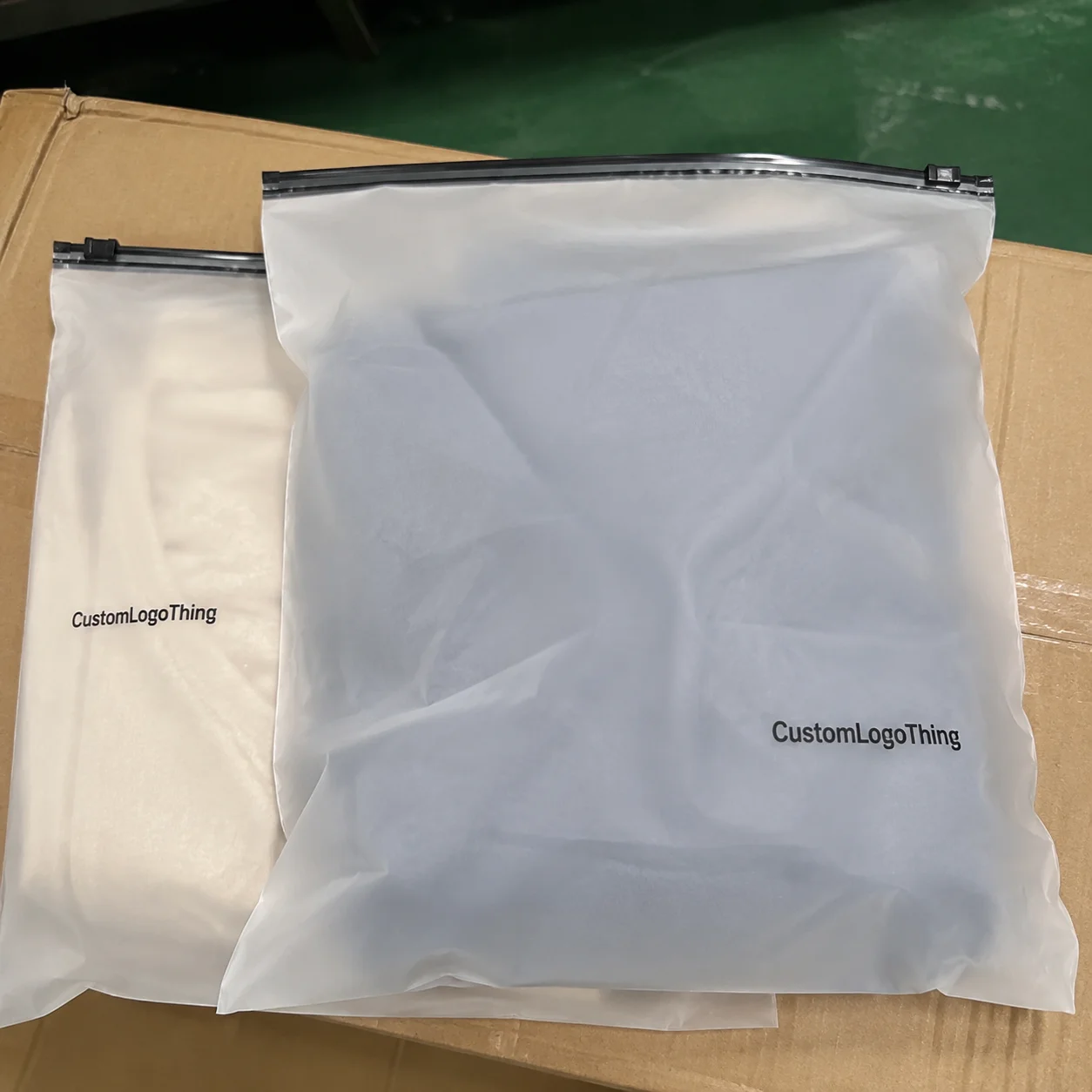
Comparing Garment Poly Bags for boutique retailers supplier quote checklist options is where a lot of buying mistakes start. The lowest quote often looks smart right up until the bags arrive too thin, too large, or missing the print and compliance details that should have been included from the start. Then the “savings” get eaten by repacking labor, extra freight, and bags that don’t present well on the rack.
Boutique packaging has to do three jobs at once: protect the garment, display it cleanly, and keep reorders consistent. That means the quote process needs structure. If suppliers are pricing different specs, the numbers are almost useless. Size, film type, thickness, closure, pack count, and print setup all need to be fixed before you compare anything.
Why boutique retailers need a quote checklist before buying poly bags
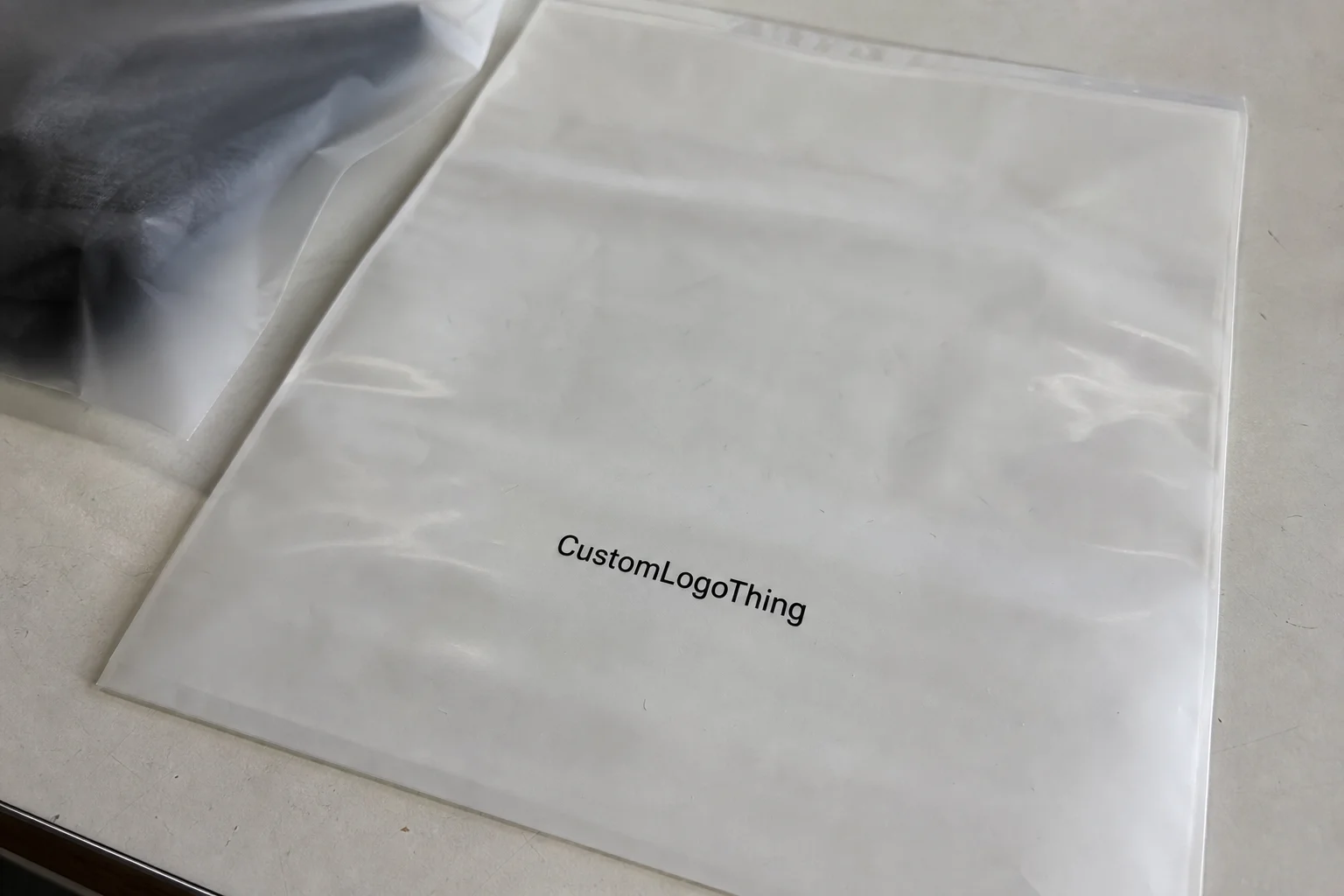
Boutique apparel is presentation-driven. The bag is not just a shipping wrapper. It sits on a shelf, hangs on a rack, gets touched by staff, and sometimes becomes part of the customer’s take-home experience. If the film is cloudy or wrinkled, the garment looks cheap. If the bag tears at the fold line, you have a handling problem and a brand problem.
A quote checklist keeps those issues from hiding in plain sight. It forces suppliers to quote the same dimensions, material, gauge, and finishing details. That matters because a “close enough” bag usually isn’t. A bag that is a quarter inch too short can pinch a neckline or crumple a folded tee. A bag that is too wide can look sloppy on the shelf and waste material.
The checklist also helps expose hidden costs. Some quotes leave out suffocation warnings, hang holes, euro holes, carton labeling, or artwork setup. Others quote a stock size that seems workable until someone actually tries to pack the garment. By the time the order is approved, the low quote is no longer low.
“The right bag fits the garment cleanly, holds up in handling, and looks the same on reorder. Everything else is noise.”
There’s also a planning issue. Boutique teams tend to buy in smaller runs than mass-market retailers, so every mistake hurts more. A bad bag choice can slow receiving, create storage clutter, or force a mid-season repack. None of that improves margin.
Garment poly bag options that actually work for boutique apparel
Not every garment needs the same packaging. Flat poly bags are usually the simplest option for folded tees, basics, and accessories. Self-seal bags work well where staff needs speed. Zipper styles are better for reusable storage, premium presentation, or sets that get handled often. Hang-hole bags are the obvious choice for peg or hook display.
Clear film is still the default for most boutique apparel because buyers want to see the product. Color, texture, stitching, and print all matter. A clear bag does the least damage to that presentation. Frosted film softens the look and can read more premium, but it reduces full visibility. Printed film works only when the print supports the brand instead of swallowing the garment.
Different garments push different requirements:
- Folded tees and knitwear usually fit standard clear poly bags
- Dresses often need extra length so hems and sleeves do not bunch
- Sleepwear and intimates usually benefit from a cleaner seal and softer presentation
- Accessories and sets may need extra width to avoid distortion
Add-ons matter more than most first-time buyers expect. Euro holes and hang holes support display. Suffocation warnings may be required by retail policy, distribution standards, or local regulations. Static control can help with lightweight fabrics that cling to the film. Resealable closures make sense for higher-touch items or pieces that may be returned to the bag after try-on.
Material choice changes the feel too. LDPE is common because it is flexible and economical. HDPE is thinner and crisper but can feel noisier and more brittle. CPP tends to offer a clearer, smoother finish and is often used where presentation matters more. None of those choices is automatically “best.” The right one depends on the garment weight, the shelf presentation, and how much structure you want from the bag.
For broader packaging references, industry resources such as Packaging School and related packaging references and EPA recycling guidance at EPA recycling resources are useful when teams are thinking about material reduction or recycled content claims.
Specifications to lock in before you request a supplier quote
If the quote request is vague, the quote will be vague. The supplier needs the actual spec, not “shirt size” or “something around 10 by 14.” Measure the garment after folding, because that is the size the bag must handle. A folded tee may fit in a 10 x 14 inch bag. A thick hoodie or layered item may need 12 x 16 inches or more.
The core fields belong in every request:
- Bag dimensions after folding allowance
- Material type such as LDPE, HDPE, or CPP
- Thickness in mil or microns
- Closure style: open top, self-seal, zipper, or hang-hole
- Print details: one color, multi-color, front, back, or both
- Pack count per bag, inner pack, and carton
Thickness is where a lot of buyers overthink and under-specify at the same time. A common retail range sits around 1.5 to 3 mil for many garment applications, though heavier items or transport-heavy use cases may need more. In micron terms, that is roughly 30 to 75 microns, depending on film type and feel. Thinner bags cost less, but they can curl, split at the fold, or feel flimsy in hand. Thicker bags hold their shape better, but they add cost and bulk.
Print is another place where details get buried. Ask whether the quote includes PMS matching, how many colors are covered, and whether large print areas trigger extra charges. Confirm artwork format requirements before sending files. AI, PDF, or vector outlines are commonly requested, and bleed settings should be clear from the start. Ask for the final print area and Logo Placement On the finished bag.
Retail compliance can change the bill too. If suffocation warnings are required, ask whether they are printed on the bag or added as a label. If recycled content or material declarations matter to your brand, get that in writing. If barcode stickers or SKU labels will be applied to the film, confirm whether the adhesive sticks cleanly and whether the label will slide on smooth surfaces.
Tolerances should be part of the quote, too. A bag that is off by a fraction of an inch may still be “within range” from a supplier’s perspective, but that small change can affect fit or shelf appearance. For boutique packaging, you usually want the tolerance spelled out instead of assumed.
Ask for two different proof types if the order is custom: a digital proof for layout and a physical sample for fit, feel, and seal quality. A pretty PDF cannot tell you whether the garment bunches, whether the opening grabs fabric, or whether the film has the right clarity.
Cost, pricing, MOQ, and what changes your unit quote
Unit price is driven by a handful of predictable variables: material gauge, bag size, print coverage, number of colors, closure style, and order volume.
As size increases, material use goes up. As thickness increases, so does cost. More print colors mean more setup and more risk. Special features like hang holes, perforation, zipper closures, or anti-static treatment add labor or tooling. Faster lead times can also raise the number if the supplier has to interrupt a production schedule to squeeze the run in.
MOQ depends on whether you are buying stock bags or custom bags. Stock clear bags can often be ordered in smaller quantities, sometimes a few hundred units, sometimes a few thousand, depending on size and supplier inventory. Custom printed bags usually start higher. For practical pricing, many suppliers want 5,000 to 10,000 pieces as a baseline for custom runs, although simpler one-color jobs may be possible at lower volumes if the print method and tooling already exist.
| Option | Typical use | Price behavior | Best for |
|---|---|---|---|
| Stock clear flat bag | Folded tees, accessories, basic retail packing | Lowest unit cost, minimal setup | Fast replenishment and simple presentation |
| Self-seal custom size | Staff-packed apparel and frequent handling | Moderate cost, more consistency | Boutiques that want faster packing |
| Printed retail bag | Brand-forward presentation | Higher setup, better brand visibility | Seasonal launches and premium assortments |
| Heavy-gauge hang-hole bag | Display-ready garments on hooks | Higher material cost | Merchandising and structured presentation |
Typical pricing varies by region, material, and print method, but a plain custom-sized garment poly bag may land around $0.08 to $0.20 at larger volumes. Printed or thicker bags can move into the $0.18 to $0.40+ range depending on size, film, and coverage. Small orders can be higher. Freight can also change the math if it is ignored early. A good ex-factory quote can still become a mediocre landed cost once packaging configuration, sampling, rush charges, and shipping are added.
The cleanest comparison is a full breakdown from every supplier: unit price, setup charge, sample fee, carton count, freight estimate, and quote validity period. If one quote is dramatically lower, check what it leaves out. Missing print setup, excluded labels, or vague shipping terms are where the “cheap” order usually turns expensive.
For transit and handling considerations, especially if the bags will be used in fulfillment, standards from organizations like ISTA are useful for thinking about package stress, carton integrity, and shipping damage.
Production steps, lead time, and sample approval before launch
A straightforward production path usually runs like this: inquiry, spec confirmation, artwork proof, sample approval, production, inspection, shipping. Skip one step and delays tend to multiply. If the first email does not include garment type, folded size, bag style, quantity, and print requirements, the supplier will spend time chasing information instead of quoting accurately.
Lead time depends on complexity and the production queue. Stock garment bags may ship in a few business days if inventory is on hand. Custom printed bags often need 12 to 20 business days after proof approval. Add more time if the order uses special film, multi-color printing, a fresh tooling setup, or physical sampling.
For a reorder of a previously approved bag, a digital proof may be enough if nothing has changed: same material, same size, same artwork, same factory. For a new style, a physical pre-production sample is the safer move. You want to see the actual seal, the opacity, the bag length, and the way the garment sits inside.
Carton labeling and palletizing also affect receiving speed. If cartons are clearly marked by style, size, and color, warehouse intake moves faster. If the labels are vague, someone on your team gets to sort it out piece by piece. Shipping method matters too. Air freight moves quickly and costs more. Ocean freight usually lowers unit cost, but extends lead time. For boutique buyers, the real question is whether the bags arrive before the selling window closes.
Artwork changes after proof approval can trigger reproofing, plate changes, or a full rerun. A tiny logo tweak is never as tiny as it sounds once the job is in motion.
What a reliable packaging supplier should confirm in writing
A reliable supplier confirms the spec in writing. Not in a loose chat thread. In writing. That should include dimensions, material, thickness, closure style, print method, MOQ, unit price, lead time, shipping terms, and defect tolerance.
You also want clarity on substitutions, color variation, and reprint handling. Film color can shift slightly from one production run to another. What matters is whether the supplier flags that risk early and agrees to an acceptable standard. If recycled content, compliance documentation, or material declarations matter to your brand, ask for them before approval, not after the shipment lands.
A good packaging partner catches artwork issues, confirms whether the bag size matches the folded garment, and revises the quote when the spec changes. Reorders should feel boring: same fit, same print, same packing standard.
If your packaging program is still being built out, it can help to review related options like Custom Packaging Products and, where fulfillment is part of the mix, Custom Poly Mailers so the retail bag and shipping package do not fight each other.
Next steps to request a cleaner quote and avoid order mistakes
Before sending a request, gather four things: garment dimensions, bag style preference, print artwork, and target quantity. Then send the same brief to every supplier. Same measurements. Same print notes. Same assumptions. That is how you get quotes you can compare line by line instead of three different versions of “clear garment bag.”
Ask for a sample, a written spec sheet, and landed cost before approving production. If the supplier only gives a rough estimate, treat it like one. Once the first run arrives, inspect fit, seal quality, clarity, carton labeling, and whether the bag still looks clean after handling. If it passes, lock the spec for future seasons.
That is the real payoff: fewer surprises, faster reorders, and less time explaining why the bags do not match the last order. If you need a structured way to build your request, use a Garment Poly Bags for Boutique retailers supplier quote checklist that includes measurements, material, thickness, closure, print, packaging counts, and delivery terms.
What should be included in a garment poly bag quote checklist for boutique retailers?
Include bag size after garment folding, material type, thickness, closure style, print details, MOQ, lead time, freight terms, carton counts, and any compliance notes. If any of those are missing, the quote is incomplete.
How do I compare garment poly bags supplier quotes without missing hidden costs?
Compare unit price plus setup fees, sample charges, shipping, rush fees, carton counts, and any artwork or compliance costs. A low unit price can still be the most expensive total order once the extras show up.
What MOQ is typical for custom garment poly bags for small boutiques?
MOQ varies by style and print method, but custom printed boutique orders often start around 5,000 to 10,000 pieces. Smaller runs are possible sometimes, but the unit cost usually climbs because setup costs are spread across fewer bags.
How long does production usually take after approving a quote and artwork?
Stock bags can move quickly if inventory is available. Custom printed bags often need about 12 to 20 business days after proof approval, with extra time if samples, special film, or freight planning are involved.
What bag thickness works best for retail garments?
Many folded apparel items do fine in the 1.5 to 3 mil range, though heavier garments or hang-sell use cases may need thicker film. The right thickness depends on the garment weight, handling, and how premium you want the bag to feel.