Garment Poly Bags for event teams rush reorder planning sounds narrow until a show is two days out and the pack line is waiting on the wrong bag size. The problem usually is not the apparel. It is the packaging spec that was never locked down, then gets recreated from memory under pressure. That is how a simple reorder turns into a delay.
For uniforms, sponsor shirts, lanyard bundles, and mixed event kits, packaging is part of the workflow. It controls how fast items move from receiving to staging to floor-ready distribution. A clear bag with the right dimensions does more than protect fabric. It keeps the team moving. If you need a broader packaging mix, our Custom Packaging Products page is a useful starting point, and the FAQ page covers common reorder questions.
Why Rush Reorders Fail When Garment Bags Are Not Standardized
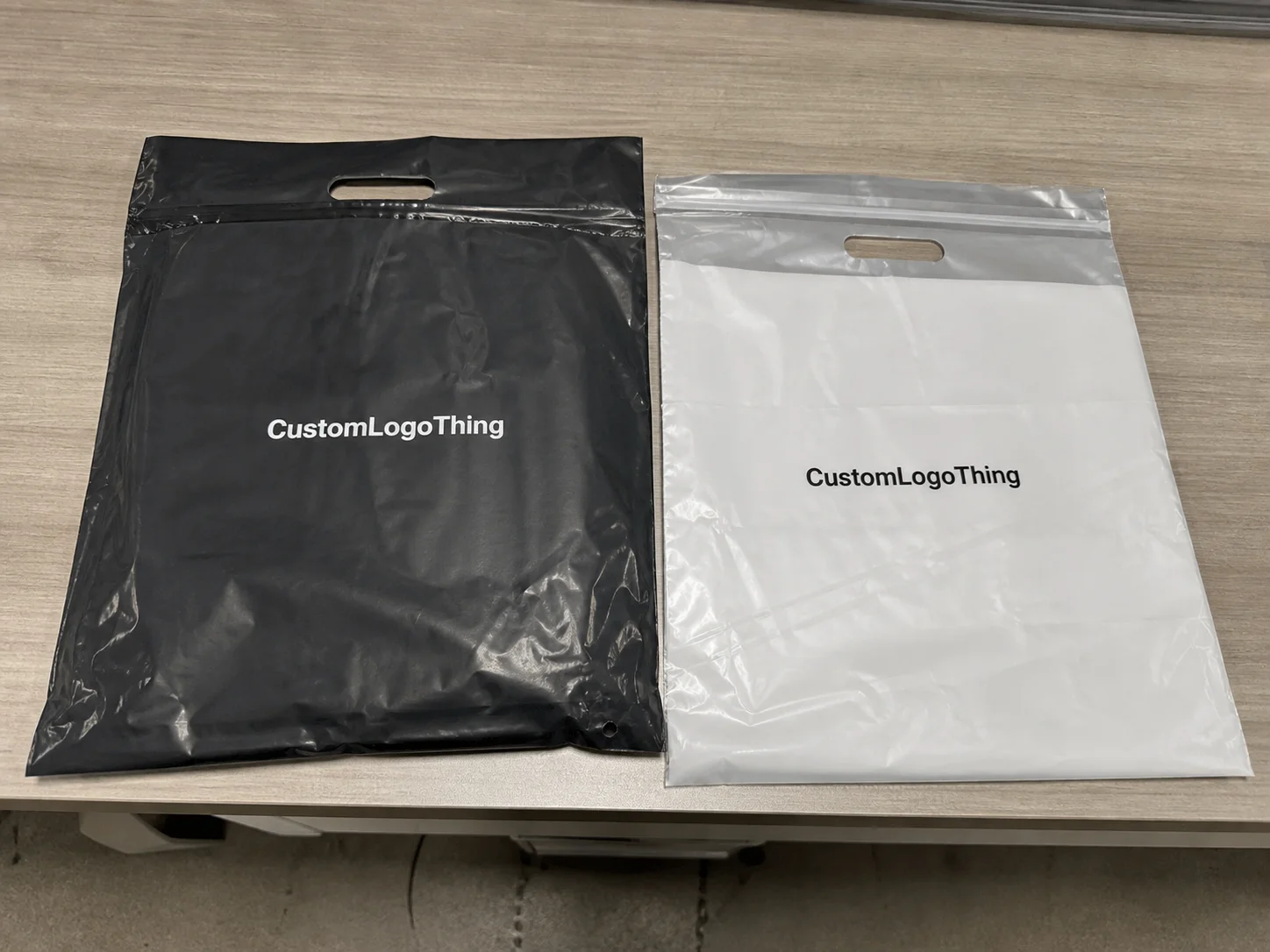
Most rush reorder failures are not caused by production capacity. They come from ambiguity. One coordinator remembers a clear bag for polos, another remembers the same bag as last time, and procurement only has a partial invoice from a prior event. That is enough to create a mismatch in dimensions, seal style, and print placement.
For event teams, the bag spec is part of the process, not an accessory detail. A bag that is 2 inches wider than the last one can change how neatly folded shirts stack in a carton. A different flap or reseal strip can slow packing if staff have to align each closure by hand. On a team of six, that sounds minor. On 500 kits, it becomes labor.
Standardization also protects separation. Sponsor shirts, VIP kits, volunteer uniforms, and media packs often need to stay visually distinct during staging and load-in. Clear poly bags with the same fold depth let staff sort faster, scan faster, and distribute faster. That matters more than decorative features.
“We do not need another surprise at pack-out. We need the same bag, the same fold, and the same label position every time.”
If a reorder is truly urgent, the fastest path is usually the least creative one: reuse the previous spec, keep the closure type unchanged, and avoid artwork changes. That is the core logic behind garment poly Bags for Event teams rush reorder planning. Fewer decisions mean fewer delays.
Choosing the Right Bag Style for Uniforms, Merch, and Kit Packs
The right format depends on what is being packed, how it is being distributed, and how often staff need to open or reclose it. Flat poly bags are the simplest option and usually the easiest to reorder because they are common, inexpensive, and quick to stage. Resealable bags add convenience for items that may be inspected, repacked, or handed off in phases. Header styles matter more when identification or hanging display is part of the job.
For folded polos and staff shirts, a standard clear flat bag is often enough if the dimensions match the folded garment depth. For merch bundles that include a tee, sticker sheet, and insert card, buyers usually need extra width and a little more slack at the top. Mixed apparel kits are where fit matters most. If the bag is too tight, staff waste time forcing the fold. If it is too large, the kit looks sloppy and shifts in transit.
Before a reorder is approved, confirm the practical details that actually affect pack-out:
- Bag width and length measured against the folded garment, not the flat shirt size.
- Closure style such as open-top, flap seal, or resealable strip.
- Label area if SKU, size, or event-day identification is applied.
- Insert or hang tag clearance if a printed card goes inside the pack.
- Fold depth so the crew can pack consistently without reworking each item.
One practical rule helps cut mistakes: choose the bag style that lets the least-trained person on the team pack it correctly. That is usually the best test for a live event environment.
Material, Gauge, and Print Specifications That Matter on Reorders
On a reorder, the spec sheet matters more than the sales language. Buyers Should Know the material type, thickness or gauge, dimensions, seal style, clarity, and any print or label requirements before asking for a quote. If that information is missing, the supplier has to reconstruct the order from memory or from a vague description. That is where mismatch starts.
For garment packaging, common film choices are low-density polyethylene and linear low-density polyethylene. Thickness is usually discussed in mils, and the difference between 1.5 mil and 2 mil is not cosmetic. Thicker film can improve feel, reduce stretching during packing, and hold up better in transit. It can also cost more and take a bit more time to seal at scale. A thicker bag is not automatically better. It depends on the garment weight and the handling profile.
Print changes reorder consistency too. A one-color logo, a size marker, or a simple event name can help with staging, but any added print coverage requires proof review and can extend lead time. For repeat orders, keep the art file, ink color, and print placement locked unless there is a real reason to change them.
Common industry references are useful here. Packaging buyers often rely on standards and education from groups like the Packaging Professionals Organization, and transit planning teams use ISTA methods when packaging needs to survive shipping and handling. For paper components like cartons or inserts, FSC-certified sources can matter when a brand has sustainability requirements.
A clean documentation checklist saves time and cuts back-and-forth:
- Prior PO number or invoice.
- Exact bag dimensions and gauge.
- Closure or seal type.
- Artwork file or prior proof.
- Quantity, ship-to address, and delivery window.
That is the difference between guessing and matching.
Pricing, MOQ, and Unit Cost for Rush Reorders
Rush pricing usually comes down to five inputs: size, thickness, print coverage, quantity, and whether the order is a stock replacement or a custom run. A plain clear bag in a common size will price lower than a custom printed bag with a specific width, heavier gauge, and a tighter deadline. That sounds obvious, but buyers still lose time asking for a rough price without enough detail to anchor the quote.
MOQ changes by format. Stock replacements can often be ordered at lower quantities, sometimes by case. Custom printed orders usually need a larger commitment because setup work has to be spread across the run. If the event team knows it will need the same bag repeatedly, it usually pays to order more than one event’s worth and store it properly rather than paying repeat setup and expedited freight every cycle.
| Option | Typical Use | Relative Unit Cost | Typical Lead Time |
|---|---|---|---|
| Stock clear flat poly bag | Basic folded shirts, uniforms, simple kit packs | Lowest | Fastest, often a few business days plus transit |
| Resealable poly bag | Kits that may be reopened or inspected | Moderate | Short to moderate, depending on inventory |
| Custom printed garment bag | Brand-forward event packs, sponsor or VIP sets | Higher | Often 12-15 business days from proof approval |
| Heavy-gauge custom bag | More rigid packs, larger garments, shipping abuse risk | Higher still | Similar to custom printed, sometimes longer |
For plain stock bags, market pricing often sits in a low per-unit range at volume. Custom printed or heavier-gauge options usually move up from there, sometimes sharply if the run is short. Freight can matter more than the bag itself on smaller rush orders. A supplier cannot price transit correctly without the destination, and that is where buyers get surprised.
The fastest quote request includes the prior PO, exact quantity, delivery ZIP code, artwork status, and whether the deadline is tied to dock receipt or event-day handoff. Those details save a lot of time. They also prevent the usual mistake of asking for a price before the order is fully defined.
Garment Poly Bags for Event Teams Rush Reorder Planning
Garment Poly Bags for event teams rush reorder planning works best when the process is treated like a controlled repeat, not a fresh purchase. The order should move through a fixed path: spec confirmation, quote, proof review, release, packing, and shipment tracking. If any step is improvised, the timeline slips.
There is a real difference between a stock replacement and a custom print run. A stock item can often move quickly because the physical product already exists. A custom bag may need artwork review, print scheduling, or a materials check before production starts. That is why one buyer can get an answer in hours while another needs multiple touchpoints to settle a simple logo change.
Speed comes from removing variables. Use one contact. Use one approved spec. Use one deadline. Use one ship-to address. If the receiving location changes halfway through, freight routing and labeling have to be updated, and the order slows down. That problem shows up often enough to be worth calling out.
From a field operations point of view, the right reorder process is less about procurement theory and more about avoiding repack labor. If the bags arrive with the correct dimensions, staff can keep garments sorted, maintain sponsor separation, and finish staging without last-minute relabeling. That is the practical value here: fewer handoffs, fewer corrections, and better control under pressure.
Why Event Teams Stay With a Supplier That Keeps Specs on File
Repeatability is the real advantage. If a supplier keeps prior dimensions, artwork, gauge, and reorder notes on file, the buyer does not have to rebuild the order from scratch each time. That matters when event calendars compress the window between one show and the next. A saved spec reduces errors, shortens approval cycles, and gives the team a better shot at same-spec fulfillment.
There is also a hidden cost to supplier churn. A new vendor may quote aggressively at first, but if the bag fit is off by even a small amount, the team pays for it later in repacking, slower load-in, and more field corrections. I have seen buyers focus on a few cents per unit and ignore the extra labor hours that follow a bad fit. That is not savings. It is a bill that shows up later.
For larger organizations, the supplier relationship becomes an operational tool. It supports brand presentation, gives procurement a cleaner reorder path, and helps field teams know exactly what to expect. If the company also buys related packaging, such as Custom Poly Mailers or books Wholesale Programs, it is even more valuable to keep specs organized under one account structure.
The best suppliers do not just quote. They preserve the conditions that made the first order work. That includes prior proof files, quantity history, and practical notes like “bag was tight on size L tees” or “use this flap style for all crew packs.” That information is what keeps a future reorder from turning into a rescue mission.
How to Place the Next Rush Reorder Without Losing Time
The cleanest reorder request is short, specific, and complete. Send the prior PO, bag size, gauge, quantity, artwork file, deadline, and delivery destination in one message. If the order is for folded garments, say that. If it is for mixed event kits, say that too. The supplier should not have to infer the use case from a vague product name.
Before approving the order, verify three risk points. First, confirm the dimensions against the actual folded garment or kit. Second, confirm the closure or seal style, because this affects packing speed. Third, confirm whether the bag needs a label area, print, or a clear panel for easy identification. Those three checks prevent most avoidable mistakes.
- Reorder with the last approved spec, not a memory of it.
- Match the bag to the heaviest or thickest item in the kit.
- Keep the artwork unchanged unless the event brand has changed.
- Build in a small overage for damaged packs or late additions.
- Confirm receiving hours before freight is released.
For teams managing multiple activations, the goal is simple: less rework, less waiting, cleaner presentation. If the spec is already known, Garment Poly Bags for Event teams rush reorder planning should move directly from quote to release, with no detours and no speculative changes.
What details help a garment poly bag reorder for event teams move faster?
Send the prior PO, exact bag dimensions, gauge, quantity, and whether the order is clear, printed, or labeled. Add the deadline and shipping ZIP code up front so the quote reflects the real rush timeline. If available, attach a sample photo or previous proof to reduce spec-check delays.
Can you match an older event poly bag order if the original spec sheet is missing?
Usually yes, if the team can provide a sample, measurements, or a previous invoice number. Photos help, but a physical sample or exact folded garment dimensions are better for matching the fit. The strongest reorders come from rebuilding the spec before production starts instead of relying on memory.
What MOQ should event buyers expect on rush garment poly bag orders?
MOQ depends on whether the bag is stock or custom printed, and on the size and material thickness. Stock replacements usually allow lower quantities, while custom runs often need case-level or higher commitments. The fastest way to reduce MOQ pressure is to reuse the same approved spec on repeat orders.
How does unit cost change when the reorder deadline is tight?
Expedited production, custom print changes, and faster freight options can all raise the unit cost. Keeping the spec unchanged is the most reliable way to protect pricing on a rush order. Getting artwork and approval back quickly can prevent extra charges tied to schedule compression.
What should be checked before approving a rush reorder for event kits?
Confirm the bag dimensions, gauge, closure style, and whether the packaging needs print or a label area. Check that the quantity matches the event headcount plus a small buffer for damaged or late kits. Verify the ship date, delivery location, and receiving window before the order is released.
Good packaging is not just a container. It is a repeatable process asset. If the spec is documented, the fit is proven, and the supplier has the reorder history on file, Garment Poly Bags for event teams rush reorder planning becomes a controlled task instead of a fire drill.


